How Does Air Fryer Work in an Oven
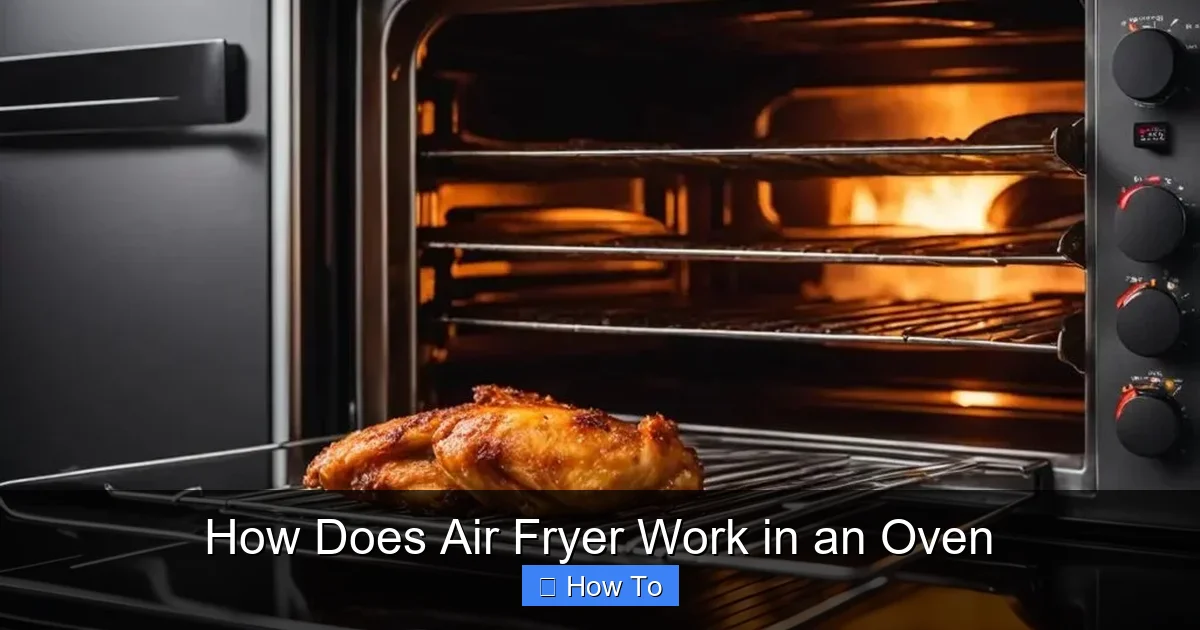
If you’ve ever wondered how does air fryer work in an oven, you’re not alone. This cooking method uses powerful convection heat and a high‑speed fan to circulate hot air around food, creating a crispy outer layer with far less oil than traditional frying. The result? Golden, crunchy meals cooked faster and more evenly inside your regular oven.
So, you’ve seen those sleek oven air fryers sitting on kitchen countertops, promising crispy fries with a fraction of the oil. Maybe you’ve wondered, how does air fryer work in an oven, and whether it’s just marketing hype or actually a game-changer for home cooking. In this post, we’ll pull back the curtain on the mechanics, benefits, and practical tips so you can decide if it’s worth the hype. If you’re new to the concept, learning what is an air fryer in an oven can provide helpful context on how the function differs from standard baking. Many modern ovens now come with a dedicated air fry setting, and even traditional ovens can mimic the effect with the right tricks. Understanding the science behind the setup helps you get the most out of every roast, bake, or crisp.
The Science Behind Air Frying in an Oven
Traditional ovens rely on still air, which can create hot spots and uneven browning. In a standard bake, heat rises from the bottom or radiates from the walls, and without a fan, the air stays relatively stagnant. This means the food sitting closest to the heat source cooks faster, while the rest waits its turn. Air fryer ovens flip this script entirely. They employ a convection principle that forces hot air to move rapidly around the entire cavity, ensuring every nook and cranny receives the same temperature exposure.
The science at work here involves the boundary layer—a thin pocket of still air that naturally forms around food surfaces. In still air, this layer acts as an insulator, slowing heat transfer. The high‑velocity fan in an air fryer oven constantly disrupts this layer, replacing it with fresh, hot air every few seconds. This disruption accelerates the evaporation of surface moisture, which is the secret behind the crispy texture we love. Without that moisture barrier, the Maillard reaction—the chemical process that creates brown, savory flavors—happens faster and more uniformly across the surface.
The fan speed is another key factor. Most oven air fryers operate their fans between 1,500 and 2,000 revolutions per minute. At that rate, the air can travel up to 30 feet per second, creating a wind‑chill effect on the food’s surface that mimics deep‑frying immersion. The result is a golden, crunchy exterior while the interior stays moist and tender. This is why you can achieve similar results to a deep‑fat fryer using just a tablespoon of oil or even none at all, depending on the food. If you’re curious about how this compares to traditional methods, check out our breakdown on how does air fryer work vs oven.
Core Components of an Oven Air Fryer
Most oven air fryers combine a bottom heating element with a top grill element. This dual‑element setup allows the oven to function like a convection bake while still delivering the intense top heat needed for crisping. Some models even include a rear element for extra oomph during air‑fry mode. The heating element’s role is crucial, as it provides the base temperature that the fan then amplifies through constant circulation. Without a strong, consistent heat source, the fan alone wouldn’t be able to sustain the high temperatures required for that signature crispiness.
Beyond just moving air, the vent system regulates humidity inside the cavity. As moisture leaves the food, the vent can be adjusted to either trap some steam for juicier interiors or exhaust it completely for maximum crispness. Learning which setting to use for each type of food is a small tweak that makes a big difference in your results. For example, roasting a whole chicken benefits from a partially closed vent to keep the meat moist, while air‑frying thin potato slices often calls for a fully open vent to maximize dryness and crunch.
Why Cooking Results Differ
The secret to that coveted crunch lies in the removal of surface moisture. When hot air whirls around food, water evaporates from the exterior, and the starches and proteins reorganize into a crisp lattice. A light coating of oil—often just a tablespoon or less—speeds up this process by transferring heat more efficiently than air alone. That’s why you can achieve similar results to deep frying with 90 percent less oil. The key is even distribution; tossing food in oil ensures every surface gets coated without pooling, which would otherwise steam the food instead of crisp it.
Because the air is moving so fast, heat transfers more efficiently. A batch of chicken wings that might take 40 minutes in a standard bake can be ready in 25 minutes in air‑fry mode. The reduced time not only saves energy but also means less opportunity for food to dry out, provided you don’t overcook. For step‑by‑step guidance on getting the most out of your oven’s air fry function, see how do you use an air fryer in the oven.
Practical Tips for Best Results
Preheating the oven for just 3 to 5 minutes before adding food sets the stage for immediate crisping. Avoid overcrowding the rack; air needs room to circulate around each piece. If you’re cooking multiple batches, flip or shake the food halfway through to expose all surfaces to the moving air. This simple habit prevents one side from getting soggy while the other over‑browns, especially with items like nuggets or vegetable sticks.
Tossing vegetables or protein in a mere teaspoon of oil, along with your favorite herbs and spices, ensures even coverage without sogginess. For breaded items, a light spray of oil helps the coating brown uniformly. Pat food dry with paper towels before seasoning—surface moisture is the enemy of crispiness. If you’re reheating leftovers, the air fryer setting can restore crunch far better than a microwave, often in just 5 to 8 minutes at 350°F.
Common Pitfalls & How to Avoid Them
Skipping the preheat is the most common mistake. Putting food in a cold oven air fryer mode can lead to soggy results, as the food starts cooking before the fan reaches full speed. Always preheat, even if it’s just for a few minutes. The few minutes of waiting are a small price to pay for that perfect golden finish.
Using too much oil doesn’t mean more crispiness; it often means greasy food and smoke. Stick to the recommended amounts, and remember that the air fryer’s power comes from airflow, not fat. More oil doesn’t mean more crispiness; it often means greasy food and smoke. Stick to the recommended amounts, and remember that the air fryer’s power comes from airflow, not fat. A light mist is all you need to enhance browning without weighing down the food.
Ignoring the shake or flip guidelines can result in one side perfectly browned and the other pale. Recipes often tell you to shake the basket or flip the food halfway through. Set a timer and make it a habit, especially with thicker items like root vegetables or bone‑in chicken pieces. Even a quick shake every 10 minutes makes a noticeable difference in the final texture.
Conclusion
Understanding how does air fryer work in an oven opens up a world of quicker, healthier, and tastier meals. The combination of rapid convection heat, strategic fan design, and a few simple habits can transform everyday ingredients into restaurant‑quality dishes. Whether you’re roasting vegetables, baking a potato, or crisping up chicken, the air fryer setting on your oven is a versatile tool worth mastering. Experiment with the tips we’ve covered, adjust based on your favorite recipes, and you’ll likely find that your oven’s air fry function becomes a go‑to for almost every meal.
Key Takeaways
- Convection heat + rapid fan: Circulates hot air at high speed for even cooking throughout the cavity.
- Crispiness with less oil: Surface moisture evaporates quickly, achieving golden texture without deep frying.
- Faster cook times: Hot air transfers heat more efficiently than static baking, reducing overall minutes.
- Dual heating elements: Top and bottom elements work together for balanced browning from all directions.
- Preheating matters: Preheat for 3–5 minutes before adding food for best crisping results.
- Avoid overcrowding: Leave space between items so air can circulate freely around each piece.
- Shake or flip halfway: Ensures all sides get exposed to the moving air for uniform browning.
Frequently Asked Questions
Can I use aluminum foil in an oven air fryer?
Yes, but use it sparingly and never block the fan or vent. Foil can restrict airflow, which defeats the purpose of the crisping mechanism. Always leave space for air to circulate, and consider poking small holes if wrapping food to allow steam to escape.
Do I need to flip food when using the air fry setting?
Flipping or shaking halfway through is recommended for even browning, especially with thicker items like chicken breasts or root vegetables. The high‑speed air reaches all sides, but manual intervention ensures no side gets overlooked or overcooked.
How much energy does an oven air fryer save compared to a traditional oven?
Air fryer ovens typically use 30 to 50 percent less energy because they preheat faster and cook food in less time. The compact cavity and efficient fan system mean your oven doesn’t have to work as hard to maintain temperature, lowering your overall electricity bill.
Can I cook frozen foods directly in the air fryer setting?
Absolutely. Frozen fries, nuggets, and vegetables are designed for air fryer ovens. There’s no need to thaw first; just add a couple of minutes to the cooking time and shake the basket midway for even crisping on all sides.
What’s the best temperature for air frying in a conventional oven?
Most oven air fryers recommend a temperature range of 350°F to 400°F, depending on the recipe. Higher temperatures promote crisping, while lower temperatures are better for delicate items like fish or baked goods that need gentle heat to avoid burning.
How do I clean an oven air fryer without damaging the heating element?
Let the oven cool completely, then wipe the interior with a damp cloth and mild detergent. Avoid abrasive scrubbers near the fan and heating elements. Many models have removable crumb trays that slide out for easy washing, and a soft brush can help clear debris from the vent slots.