Are Air Fryer Times the Same as Oven
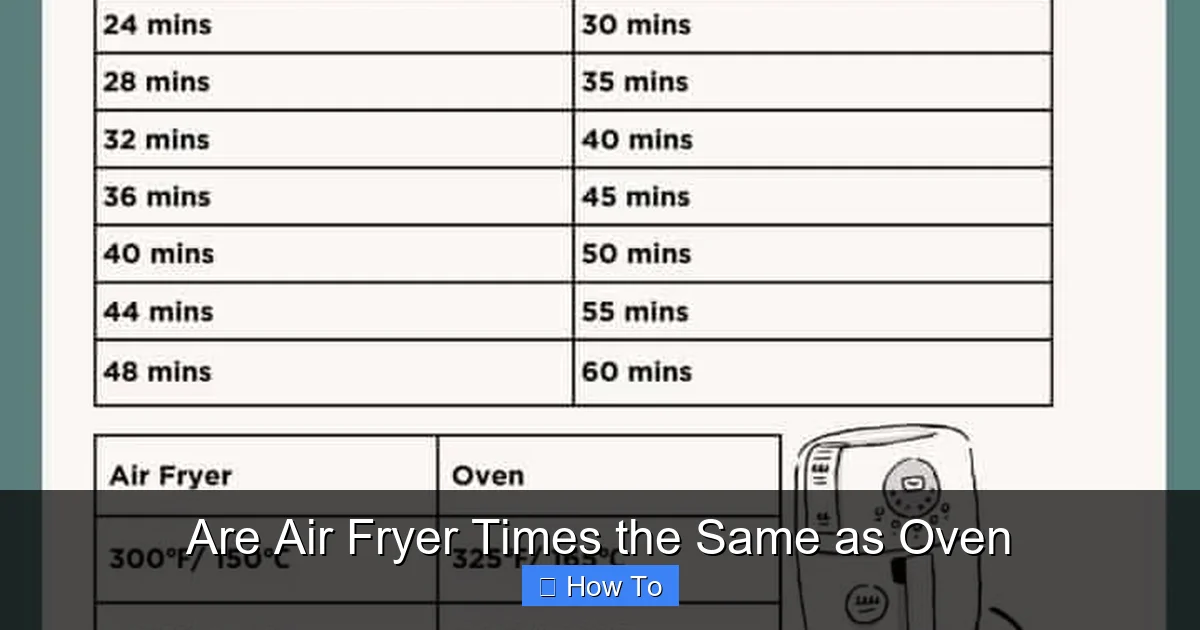
Air fryers and ovens cook differently, so their times aren’t always the same. While both use hot air, air fryers typically cook faster due to intense heat circulation. Adjusting temperatures and times ensures crisp, golden results without overcooking.
When you first unbox an air fryer, it’s easy to assume it’s just a sleek, compact version of your oven. After all, both appliances use hot air to cook food. But here’s the kicker: air fryers and ovens operate differently under the hood. This means cooking times, temperatures, and even textures can vary dramatically. Whether you’re trying to convert a beloved casserole recipe or perfect your crispy chicken wings, understanding these differences is key to success.
### Why the Question Matters
You might be wondering, “Why can’t I just use my oven recipes in my air fryer?” The short answer is physics. Traditional ovens rely on slower, indirect heat that often requires longer cooking times to ensure even heat distribution. Air fryers, on the other hand, use a powerful fan and heating element to circulate hot air rapidly. This creates a convection-like effect that accelerates cooking while promoting browning and crispiness.
Think of it like this: an oven is like a gentle rain shower, while an air fryer is a high-pressure hose. Both eventually get the job done, but the methods—and timing—are worlds apart. Ignoring these differences can lead to soggy fries, undercooked chicken, or even a kitchen full of smoke.
### The Science Behind Air Fryers vs. Ovens
To truly grasp why times differ, let’s break down the mechanics.
#### Heat Circulation
Ovens typically heat food using radiant heat from the walls and floor. This means food often cooks more slowly, with hot spots that require rotation or flipping. Air fryers, however, blast food with concentrated heat from a single direction while a fan circulates the hot air. This rapid movement ensures even cooking but accelerates the Maillard reaction—the chemical process that creates browned, crispy textures.
#### Temperature Control
Most air fryers operate at slightly lower maximum temperatures than conventional ovens. However, their efficient airflow means they can achieve similar results faster. For example, if a recipe calls for 400°F (200°C) in an oven, you might need to set your air fryer to 375°F (190°C) to avoid burning.
#### Energy Efficiency
Air fryers use less energy because they cook faster and require less preheating. This makes them ideal for quick meals, while ovens remain better for large batches or slow-cooked dishes.
### Temperature Adjustments
Adjusting the temperature is where most conversions start. Here’s a simple rule of thumb:
– **Lower the oven temperature by 25–50°F (15–30°C)** when transferring a recipe to an air fryer.
– **Check foods 5–10 minutes earlier** than the original cooking time.
For instance, if a recipe bakes cookies at 350°F (175°C) for 15 minutes in an oven, try 325°F (160°C) for 10–12 minutes in an air fryer. Keep in mind that delicate items like cakes might need more tweaking than hearty dishes like roasted vegetables.
#### Real-World Example: French Fries
A classic batch of frozen fries might take 25 minutes at 425°F (220°C) in an oven. In an air fryer, they’d crisp up in just 12–15 minutes at 375°F (190°C). Shake the basket halfway to ensure even browning.
### Cooking Time Differences
On average, air fryers cut cooking times by 20–30%. But this isn’t a one-size-fits-all scenario.
#### Foods That Cook Faster
– **Chicken wings**: 20–25 minutes in an oven vs. 15–18 minutes in an air fryer.
– **Fish sticks**: 15 minutes vs. 8–10 minutes.
– **Nuggets**: 12 minutes vs. 6–7 minutes.
#### Foods That Need More Attention
Some items, like breaded seafood or dense casseroles, may require slightly longer times to heat through. Always use a meat thermometer to check internal temperatures. For example, chicken should reach 165°F (74°C) to ensure safety.
#### The Golden Rule: Start Early, Check Often
Set a timer for 75% of the original cooking time and check for doneness. This prevents overcooking and helps you adjust future batches.
### Practical Tips for Converting Recipes
#### 1. Don’t Overcrowd the Basket
Air fryers work best when there’s space for hot air to circulate. If you’re cooking a large quantity, do it in batches. Overcrowding can lead to soggy or uneven results.
#### 2. Shake or Flip Midway
Most foods benefit from a quick shake or flip halfway through cooking. This ensures crispiness on all sides.
#### 3. Use Parchment Liners (Carefully)
Parchment paper can prevent sticking, but avoid blocking the air vents. Choose perforated liners or cut them to fit snugly.
#### 4. Prep Like a Pro
Pat foods dry before cooking. Excess moisture can steam instead of crisp. For vegetables, toss them with a light coating of oil to enhance browning.
#### 5. Experiment with Doneness
If you’re unsure, cook a small test portion first. Once you’ve mastered a recipe, you can scale it up confidently.
### Foods That Benefit Most
Not every dish is created equal in the air fryer. Here are some winners:
#### Crispy Favorites
– **French fries, onion rings, and mozzarella sticks**: The air fryer’s rapid circulation creates a satisfying crunch without deep frying.
– **Chicken wings and drumsticks**: Marinate them first for extra flavor, then air fry for a golden exterior.
#### Quick Weeknight Meals
– **Turkey or chicken nuggets**: Perfect for busy nights when you need something fast.
– **Frozen pizza slices**: Reheat them in 5–7 minutes for a crispy crust.
#### Vegetables
Roasted veggies like Brussels sprouts, zucchini, or sweet potatoes caramelize beautifully in an air fryer. Toss with olive oil and seasonings, then cook at 375°F (190°C) for 10–12 minutes.
### Common Mistakes to Avoid
#### 1. Assuming All Recipes Work Seamlessly
While air fryers are versatile, they’re not magic. Some recipes, like muffins or lasagna, may require adjustments. For example, reduce sugar in baked goods to prevent burning.
#### 2. Skipping the Preheat (When Necessary)
Most air fryers don’t need preheating, but check your manual. If you’re cooking something delicate, a 1–2 minute preheat might help.
#### 3. Forgetting to Shake
Even if your recipe doesn’t mention it, shaking the basket halfway through cooking is a game-changer.
#### 4. Ignoring the Manual
Different models (like Ninja or Philips) have unique settings. Familiarize yourself with your air fryer’s quirks for best results.
Key Takeaways
- Air fryers cook faster: Expect 20-30% shorter cooking times than ovens for most foods.
- Temperature adjustments: Lower oven temperatures by 25-50°F (15-30°C) when converting recipes.
- Test early: Check foods halfway through cooking to prevent burning.
- Crispiness is key: Air fryers excel at achieving a crunchy texture without preheating.
- Not all foods are equal: Baked goods may require recipe tweaks for optimal results.
- Preheating isn’t always needed: Most air fryers don’t require preheating, unlike traditional ovens.
- Experiment: Use trial and error to master your air fryer’s unique quirks.
Frequently Asked Questions
Do I need to adjust the temperature when using an air fryer instead of an oven?
Yes, reduce the oven temperature by 25–50°F (15–30°C) when converting recipes. This prevents overcooking and burning due to the air fryer’s intense heat circulation.
Can I use any oven recipe in my air fryer?
Most recipes can be adapted, but some—like baked goods—may require tweaks. Check internal temperatures and adjust times as needed.
Is it safe to cook raw chicken in an air fryer?
Absolutely! Ensure it reaches 165°F (74°C) internally. Cook chicken pieces for 12–15 minutes, shaking halfway.
Why is my air-fried food soggy instead of crispy?
Overcrowding the basket or not drying ingredients beforehand can cause sogginess. Pat foods dry and cook in small batches for best results.
Does an air fryer require preheating?
Most models don’t need preheating, but some recipes may benefit from a 1–2 minute warm-up. Check your manual for specifics.
Can I cook multiple items at once in an air fryer?
Yes, but keep them in a single layer and avoid overcrowding. Cook items like fries and chicken together, but separate delicate foods like fish.
===
By understanding the nuances of air fryer cooking, you’ll unlock a world of quick, healthy, and delicious meals. Don’t be afraid to experiment—your kitchen (and taste buds) will thank you!