Can You Substitute Air Fryer for Oven
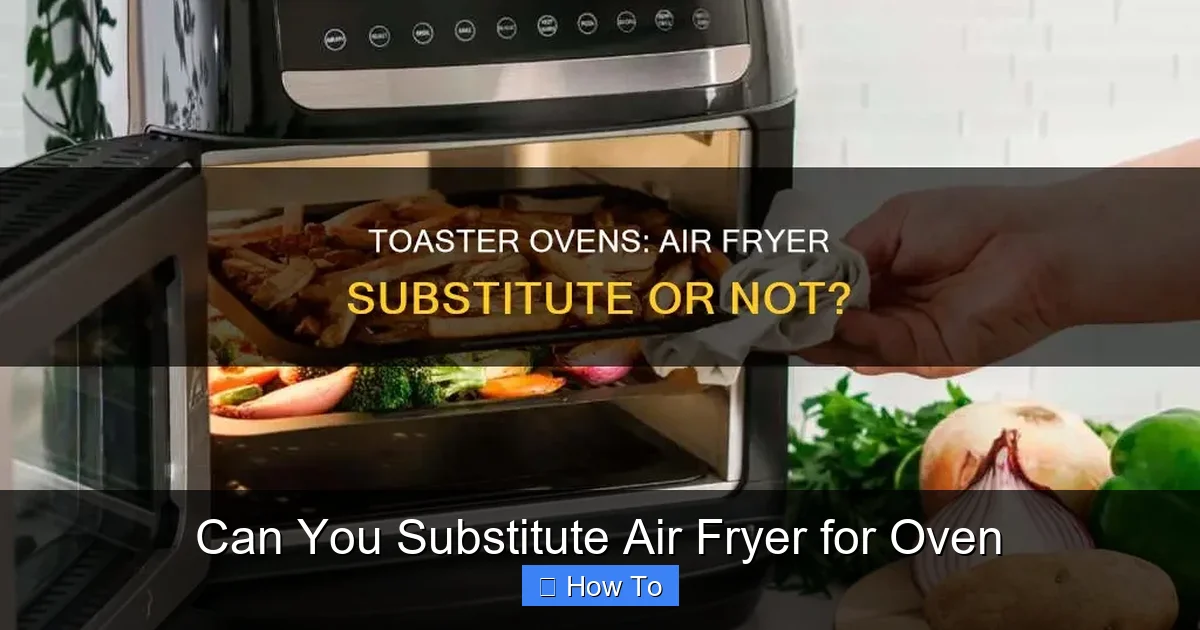
Yes, you can often substitute an air fryer for a conventional oven, especially for small batches, reheating, and foods that benefit from crispiness. However, size limits, uneven baking, and certain dishes still require a full‑size oven. Learn how to adapt recipes, adjust temperatures, and choose the right foods for successful air‑fryer substitution.
When you’re standing in the kitchen wondering whether to pull out the big oven or reach for the countertop air fryer, the question “Can You Substitute Air Fryer For Oven” often pops up. The answer isn’t a simple yes or no; it depends on what you’re cooking, how much you need, and the texture you’re after. In this guide we’ll walk you through the science behind air fryers, where they shine as oven replacements, where they fall short, and how to tweak your favorite recipes for success.
Key Takeaways
- Air fryers use rapid convection: They circulate hot air at high speed, cooking food faster and often giving a crispier exterior than a traditional oven.
- Best for small‑volume cooking: Ideal for single servings, snacks, reheating leftovers, and foods like fries, chicken wings, or roasted vegetables.
- Temperature conversion is key: Reduce oven temperature by about 25°F (≈15°C) and check food 5‑10 minutes earlier than the oven recipe suggests.
- Size matters: Most air fryer baskets hold 2‑6 quarts; large roasts, sheet‑pan meals, or multiple trays of cookies may need multiple batches or a full oven.
- Not ideal for baking delicate items: Cakes, soufflés, and breads that need steady, gentle heat can turn out dry or uneven in an air fryer.
- Use proper accessories: Perforated pans, racks, or silicone mats improve airflow and prevent sticking when substituting an air fryer for an oven.
- Monitor and shake: For even cooking, shake the basket or flip food halfway through the cooking time, just as you would stir a sheet pan in the oven.
📑 Table of Contents
Understanding How Air Fryers Work
At its core, an air fryer is a small convection oven with a powerful fan that circulates hot air around the food in a closed basket. This rapid air movement creates a Maillard reaction on the surface, giving foods that coveted crisp‑brown finish without submerging them in oil. Because the cooking chamber is compact, the air heats up quickly and maintains a steady temperature, which translates to shorter cook times compared to a full‑size oven.
Key Differences From a Conventional Oven
- Airflow: Ovens rely on natural convection or a slower fan; air fryers force air at high velocity.
- Chamber size: Typical air fryer baskets range from 2 to 6 quarts, while ovens start at around 20 liters.
- Preheat time: Most air fryers reach temperature in under 3 minutes; ovens can take 10‑15 minutes.
- Energy use: Smaller volume means less electricity for short tasks.
Understanding these differences helps you decide when the air fryer can truly stand in for the oven.
When an Air Fryer Can Replace Your Oven
For many everyday tasks, the air fryer performs just as well — if not better — than a traditional oven. Think of foods that benefit from a quick, high‑heat blast and a crispy exterior.
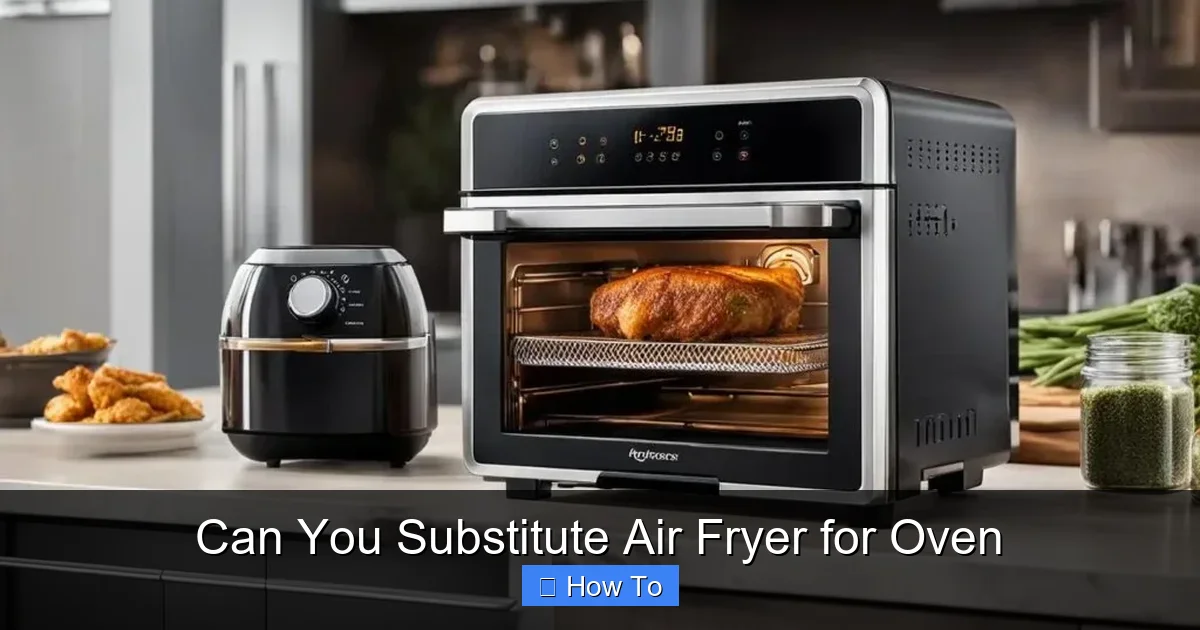
Visual guide about Can You Substitute Air Fryer for Oven
Image source: airfryeraid.com
Ideal Candidates for Substitution
- Frozen convenience foods (fries, tater tots, mozzarella sticks)
- Fresh cut vegetables tossed with a little oil (broccoli, cauliflower, sweet potato cubes)
- Small protein portions (chicken thighs, salmon fillets, pork chops)
- Reheating pizza, fried chicken, or leftover roasted foods
- Snacks like roasted nuts, chickpeas, or kale chips
If you want to learn more about using an air fryer as a direct oven replacement, check out our guide on can you use air fryer instead of oven. It walks through temperature conversions and timing charts for common dishes.
Real‑World Example
Suppose a recipe calls for baking 12‑ounce salmon fillets at 400°F for 12‑15 minutes in the oven. In an air fryer, set the temperature to 375°F (25°F lower) and cook for 8‑10 minutes, checking for flakiness at the 8‑minute mark. The result is a moist interior with a lightly crisped skin — often superior to the oven version.
Limitations: What an Air Fryer Can’t Do
While versatile, the air fryer isn’t a one‑size‑fits‑all oven substitute. Certain cooking methods and dish sizes still require the full capacity and gentler heat of a conventional oven.
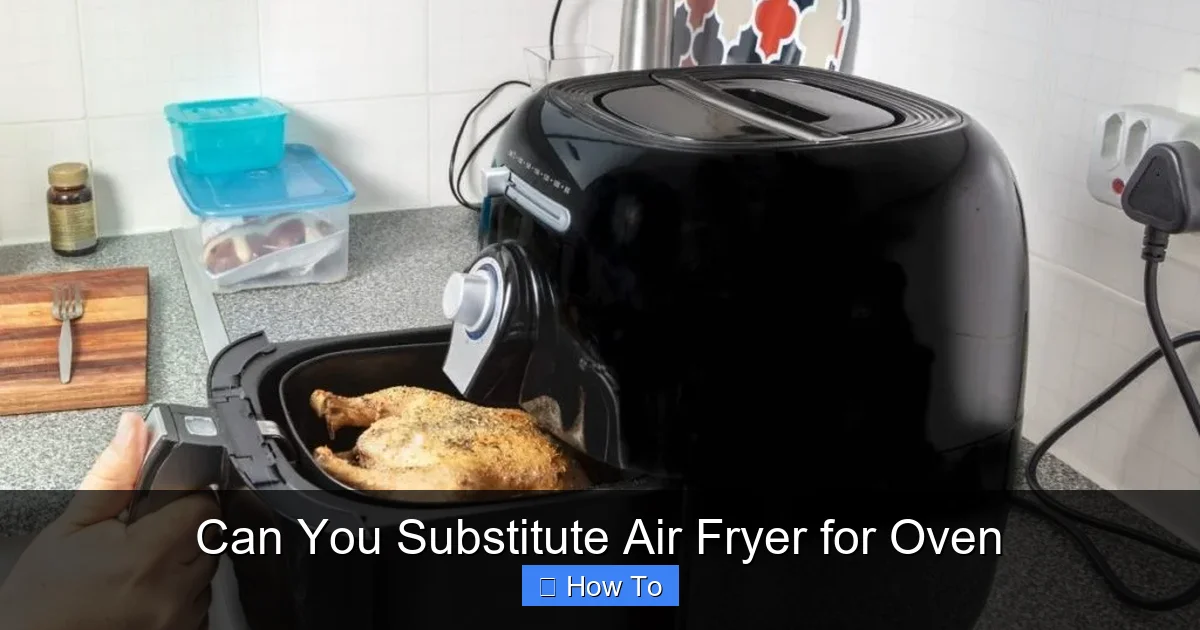
Visual guide about Can You Substitute Air Fryer for Oven
Image source: recipemarker.com
Size Constraints
Most air fryer baskets hold between 2 and 6 quarts of food. Trying to roast a whole turkey, bake a sheet‑pan lasagna, or cook multiple trays of cookies at once will force you into multiple batches, which can be time‑consuming and uneven.
Baking Delicates
Items that rely on a slow, even rise — such as sponge cakes, soufflés, or artisan breads — can dry out or develop a tough crust in the rapid‑air environment. The lack of steam and the intense surface heat can hinder the desired crumb structure.
Uneven Browning on Large Pieces
A large roast or a whole chicken may brown on the outside while the interior remains undercooked because the air cannot penetrate deep enough quickly enough. In these cases, a conventional oven’s slower, more uniform heat transfer is preferable.
Limited Access for Stirring
Dishes that need frequent stirring — like risottos, casseroles with sauce, or stir‑fried vegetables — are awkward to manage in a deep basket. You’d need to stop, shake, and restart frequently, which disrupts the cooking flow.
Adjusting Recipes for Air Fryer Success
Converting an oven recipe to the air fryer is mostly about temperature, time, and airflow. Follow these simple rules to avoid overcooking or soggy results.
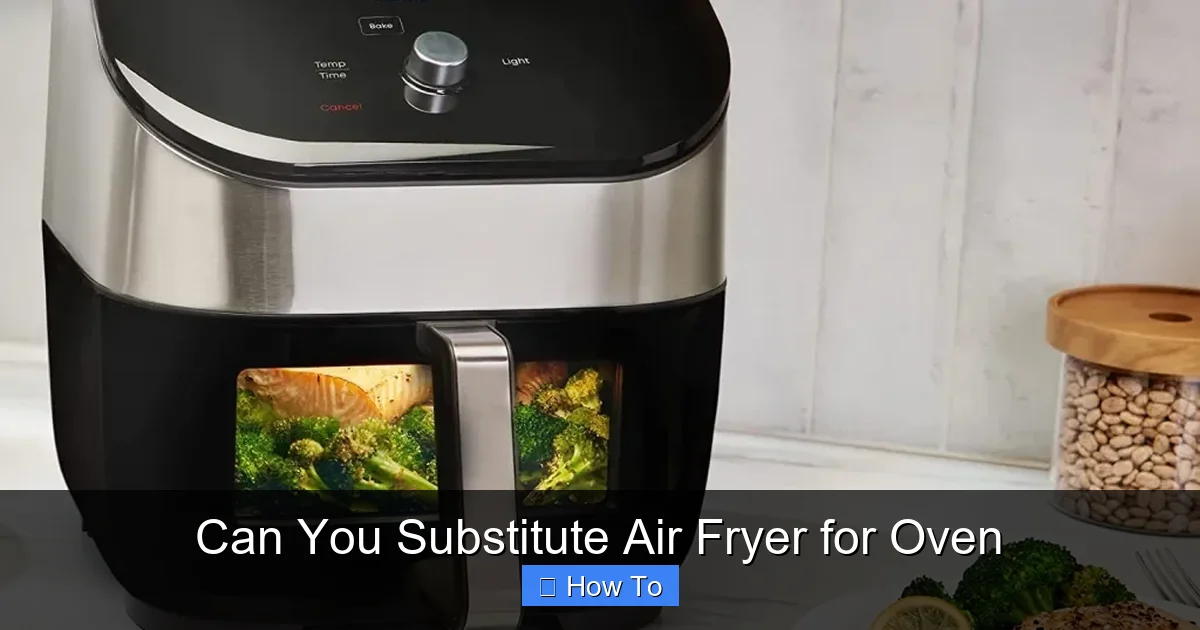
Visual guide about Can You Substitute Air Fryer for Oven
Image source: rollingstone.com
Temperature Conversion
Reduce the oven temperature by 20‑25°F (about 10‑15°C). For example, if the oven recipe says 425°F, set the air fryer to 400°F.
Time Reduction
Start checking for doneness at 50‑70% of the original oven time. Because the air fryer heats faster, food often finishes 5‑10 minutes sooner.
Batch Size and Arrangement
- Leave space between pieces so air can circulate.
- Avoid overcrowding; if necessary, cook in two batches.
- Use a perforated pan or rack to elevate food and let hot air flow underneath.
Moisture Management
Foods that release a lot of water (like fresh tomatoes or zucchini) can become soggy. Pat them dry, toss with a little oil, and consider a light coating of breadcrumbs or parmesan to help crispness.
Using Accessories
For best results when substituting an air fryer for an oven, consider accessories that mimic oven racks:
- Silicon baking cups for muffins or cupcakes
- Metal racks for layering chicken wings or vegetables
- Pizza stones or steels for a crisp crust on homemade pizza
If you’re new to air fryer cooking, our beginner’s guide offers step‑by‑step instructions: how to use air fryer oven for beginners.
Best Foods to Try When Substituting Air Fryer for Oven
Some foods practically beg for the air fryer’s rapid heat and crisping power. Below is a list of tried‑and‑true options, along with quick tips for each.
Proteins
- Chicken wings: Toss in a little oil and your favorite seasoning; cook at 400°F for 20‑25 minutes, shaking halfway.
- Salmon fillets: Brush with olive oil, lemon, and dill; air fry at 375°F for 8‑10 minutes.
- Pork chops (½‑inch thick): Season, cook at 380°F for 12‑15 minutes, flipping once.
Vegetables
- Roasted broccoli: Toss florets with oil, salt, and garlic; 400°F for 10‑12 minutes.
- Sweet potato cubes: Par‑boil for 3 minutes, then air fry at 400°F for 15‑18 minutes until caramelized.
- Brussels sprouts: Halve, drizzle with balsamic, cook at 380°F for 12‑15 minutes.
Frozen & Convenience Items
- French fries: No need to thaw; 400°F for 15‑20 minutes, shaking every 5 minutes.
- Fish sticks: 400°F for 8‑10 minutes.
- Pizza rolls: 380°F for 6‑8 minutes.
Baked Goods (with caution)
- Cookies: Drop spoonfuls onto parchment; 320°F for 6‑8 minutes. Watch closely — edges brown fast.
- Muffins: Fill silicone cups ¾ full; 340°F for 12‑15 minutes.
- Garlic bread: Slice baguette, spread butter and garlic, cook at 360°F for 4‑5 minutes.
For more inspiration on what you can cook in an air fryer oven, see our detailed list: what can you cook in air fryer oven.
Tips and Tricks for Optimal Results
Even with the right temperature and time, a few extra habits can make your air‑fryer‑as‑oven experience smoother and more reliable.
Preheat When Needed
While many air fryers heat up quickly, preheating for 2‑3 minutes ensures a consistent start temperature, especially for baked goods.
Use Oil Sparingly
A light mist or toss of oil helps browning without making food greasy. An oil sprayer works better than pouring.
Shake or Flip
For even cooking, shake the basket or flip larger pieces halfway through the cycle. Think of it as stirring a pan on the stovetop.
Watch the First Batch
When trying a new conversion, cook a small test portion first. Adjust time or temperature based on the result before committing to a full batch.
Keep It Clean
Residue from previous cooks can smoke or affect flavor. Empty the basket, wipe the interior, and wash removable parts after each use.
Ventilation Matters
Air fryers release hot air and sometimes steam. Use them near a vent or open window to avoid excess heat buildup in the kitchen.
Conclusion
So, can you substitute an air fryer for an oven? The answer is a qualified yes — for many everyday meals, snacks, and small‑batch dishes, the air fryer delivers speed, crispiness, and energy savings that rival or exceed a conventional oven. However, its limited basket size, intense surface heat, and lack of gentle, steam‑rich environment mean that large roasts, delicate baked goods, and multi‑dish meals still benefit from the traditional oven’s capacity and even heat.
By mastering temperature reductions, timing adjustments, and proper food arrangement, you can confidently rely on your air fryer for a wide range of recipes. Keep the tips and food‑specific guidelines in mind, experiment with a test batch, and soon you’ll discover which of your favorite oven dishes shine even brighter in the air fryer’s rapid‑air embrace.
Whether you’re reheating leftovers, whipping up a quick weeknight dinner, or exploring new crispy snacks, the air fryer is a versatile countertop ally that can often stand in for the oven — just remember to respect its strengths and work around its limits.
Frequently Asked Questions
Do I need to preheat my air fryer before using it as an oven substitute?
Preheating isn’t always required, but a 2‑3 minute preheat helps achieve consistent results, especially for baked goods or foods that need an immediate burst of heat.
Can I bake a cake in an air fryer instead of an oven?
You can bake small cakes or cupcakes, but reduce the temperature by about 25°F and check for doneness early; larger or delicate cakes may turn out dry or uneven.
What temperature should I set when converting an oven recipe to the air fryer?
A good rule is to lower the oven temperature by 20‑25°F (about 10‑15°C) and start checking for doneness at roughly half the original time.
Is it safe to use aluminum foil or parchment paper in the air fryer?
Yes, as long as the foil or parchment does not block airflow. Secure it so it doesn’t flutter into the heating element, and avoid covering the entire basket.
How do I prevent food from drying out in the air fryer?
Lightly coat food with oil, avoid overcrowding, and consider adding a splash of water or broth to the basket for moisture‑rich dishes like vegetables.
Can I cook multiple dishes at once in the air fryer like I would in an oven?
Because of the limited basket size, you’ll usually need to cook in batches. Use racks or layering accessories to maximize space, but avoid stacking food that blocks airflow.