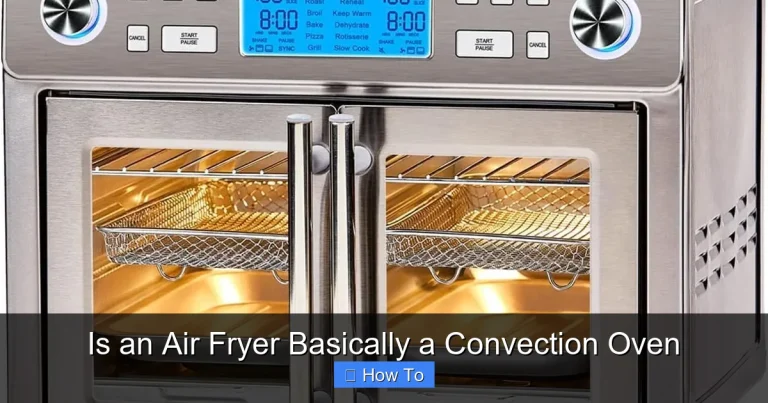
Are Oven Instructions the Same as Air Fryer
No, oven instructions are not the same as air fryer instructions. While both appliances use hot air to cook food, air fryers require lower temperatures and shorter cooking times due to their compact size and powerful fans. Understanding these differences is essential for achieving perfectly cooked meals. Expect to reduce oven temperatures by about 25°F and cut cooking times by roughly 20% when adapting recipes between these appliances.
If you have ever tried using your regular oven recipe in an air fryer, you probably noticed something was off. Maybe your chicken came out too dry. Or your fries were burnt on the outside but raw inside. This happens to everyone, and there is a good reason for it.
The short answer is no. Oven instructions are not the same as air fryer instructions. These two appliances work differently even though they both cook with hot air. Understanding how they differ will save you from kitchen disasters and help you create delicious meals every time.
Let us break down everything you need to know about adapting oven recipes for your air fryer.
Key Takeaways
- Temperature adjustments are necessary: Air fryers typically need temperatures reduced by 25°F compared to traditional oven recipes.
- Cooking times are shorter: Expect to cut cooking times by approximately 20% when using an air fryer instead of an oven.
- Size matters significantly: The compact design of air fryers creates different cooking dynamics than full-sized ovens.
- Preheat differently: Air fryers preheat much faster—usually just 3-5 minutes versus 10-15 minutes for conventional ovens.
- Check food more frequently: Due to faster cooking, monitor your food closely to avoid overcooking.
- Not all recipes transfer well: Large roasts and baked goods may not work identically in air fryers.
- Consult specific guides: Using a dedicated air fryer temperature conversion guide ensures better results.
📑 Table of Contents
Understanding How Air Fryers and Ovens Work
Both air fryers and ovens use hot air to cook food. That part is the same. But the way that hot air moves around your food is different, and that makes all the difference in your cooking results.
An air fryer has a powerful fan that circulates hot air rapidly around your food. This creates a crispy outer layer similar to deep frying but with much less oil. The compact space inside an air fryer means the hot air stays close to your food and cooks it evenly from all sides.
A conventional oven has a heating element at the bottom (and sometimes top) that heats the air inside a much larger space. The air does not circulate as forcefully. This means food cooks more slowly and evenly in a traditional oven, especially for larger items.
The differences between these two appliances are significant enough that you cannot simply swap recipes one-to-one. Your air fryer cooks faster and at higher intensity than your regular oven.
The Science Behind Rapid Air Circulation
When hot air moves quickly around food, it removes moisture from the surface faster. This is what creates that crispy, golden-brown texture we love from fried foods. The faster the air moves, the more moisture evaporates from the surface, and the crispier your food becomes.
In a conventional oven, the air moves slowly. Moisture stays on the surface longer. This is great for slow-roasting a large chicken or baking a delicate casserole. But it will not give you the same crispy results as an air fryer.
This is why you cannot just grab any oven recipe and expect perfect results in your air fryer. The cooking dynamics are fundamentally different.
Temperature Adjustments: The Key to Success
Here is where most home cooks make mistakes. When converting an oven recipe for your air fryer, you need to lower the temperature. How much lower depends on who you ask, but the general consensus is to reduce the temperature by about 25 degrees Fahrenheit.
So if your oven recipe calls for 400°F, you would set your air fryer to 375°F. If it calls for 350°F, you would use 325°F in your air fryer. This adjustment accounts for the more intense heat circulation in an air fryer.
Why not just use the same temperature? Because the rapid air circulation in an air fryer creates a more intense cooking environment. Food cooks faster on the outside, and if the temperature is too high, you will end up with burnt exteriors and undercooked interiors.
Some experienced air fryer users recommend reducing temperatures by as much as 30-40°F for certain foods. If you find your food is browning too quickly, try reducing the temperature further on your next attempt.
For a detailed breakdown of temperature differences between air fryers and ovens, check out our comprehensive guide that covers specific foods and cooking scenarios.
Understanding Your Specific Air Fryer
Not all air fryers are created equal. Some run hotter than others. Newer models might be more efficient. Basket-style air fryers might cook differently than oven-style air fryers.
The best approach is to treat your first attempt with any new recipe as a test. Check your food a few minutes before the suggested time. Adjust future recipes based on your specific results. After a few tries, you will know exactly how your air fryer performs.
Keep a small notebook or use your phone to note what works and what does not. This simple habit will help you perfect your air fryer cooking over time.
Time Adjustments: Expect Faster Results
Along with temperature, you need to adjust cooking times. Air fryers cook faster than traditional ovens—sometimes significantly faster. You should generally reduce cooking times by about 20% when converting an oven recipe.
If a recipe says to cook for 20 minutes in an oven, start checking at 16 minutes in your air fryer. If it says 40 minutes in an oven, begin checking at around 32 minutes in the air fryer.
But here is the important part: do not just set it and forget it. Air fryers can go from perfectly cooked to overcooked very quickly. This is especially true for smaller, thinner cuts of meat and vegetables.
The speed difference between air fryers and ovens can be substantial. In some cases, you might cut cooking time by a third or even half. Frozen foods, in particular, often cook much faster in an air fryer because the rapid circulation penetrates the frozen exterior more effectively.
Tips for Checking Food Progress
Always check your food at the halfway point, even if the recipe says otherwise. Lift the basket or open the air fryer door and take a peek. Use tongs to check if meat is cooking properly.
For meats, a meat thermometer is your best friend. Chicken should reach 165°F. Pork should reach 145°F. Beef can vary based on your preference. Insert the thermometer into the thickest part of the meat for an accurate reading.
Vegetables are easier to check. Look for visual cues like golden brown edges and tender texture. Shake the basket halfway through cooking for even browning.
Adapting Specific Recipe Types
Some recipes transfer from oven to air fryer beautifully. Others require significant modifications. Here is a breakdown of common recipe categories.
Frozen Foods and Quick Snacks
Frozen foods are where air fryers really shine. Frozen fries, chicken nuggets, fish sticks, and mozzarella sticks cook wonderfully in an air fryer. Often, you can follow the package directions almost exactly. The air fryer might even cook them slightly faster.
For frozen foods, try starting at the lower end of the suggested time range. Check frequently. These items can go from frozen to burnt surprisingly quickly.
Fresh Vegetables
Fresh vegetables work great in an air fryer. Cut them into similar-sized pieces for even cooking. Toss them with just a little oil and your favorite seasonings.
Broccoli, cauliflower, Brussels sprouts, green beans, and asparagus all roast beautifully in an air fryer. They typically need about 10-12 minutes at 375-400°F. Toss them halfway through for even browning.
Roasted potatoes take about 15-18 minutes. Sweet potato wedges need around 12-15 minutes. The key is cutting pieces to similar sizes so they cook at the same rate.
Meats and Poultry
Chicken breast can dry out easily in an air fryer if you are not careful. Use the same temperature as you would in an oven but reduce cooking time by about 20%. Consider using a meat thermometer to ensure you do not overcook.
Chicken wings are perfect for air fryers. They get incredibly crispy without any added oil. Cook at 400°F for about 12-15 minutes, flipping halfway through.
Steaks can be tricky. Some people love air fryer steaks for weeknight dinners. Others prefer the more even heat of an oven or grill. If you try steak in your air fryer, use a meat thermometer and pull it off when it is about 5°F below your target temperature. It will continue cooking as it rests.
Baked Goods and Casseroles
Here is where you might face challenges. Large baked goods do not always work well in air fryers. The compact space limits air circulation around tall items.
Cookies usually turn out great in air fryers. Small batches of 4-6 cookies work perfectly. Bake at 325-350°F for 8-10 minutes for chewy cookies.
Casseroles and large roasts are generally better left for your regular oven. You might be able to make smaller portions in ramekins or small baking dishes, but a full casserole will not cook evenly in most air fryers.
If you want to make bread or pastries, stick with your oven. Air fryers are not designed for the long, slow rising and baking that traditional baked goods need.
Can You Use Your Air Fryer Like an Oven?
You can certainly use your air fryer for many tasks you would normally use your oven for. Quick weeknight meals, roasted vegetables, small batches of appetizers, and frozen foods all work wonderfully.
However, there are limits. Using your air fryer as an oven replacement works well for certain tasks but not for everything.
If you are hosting Thanksgiving and need to roast a 20-pound turkey, your regular oven is still the way to go. If you need to bake three dozen cookies for a cookie exchange, your oven will serve you better.
Think of your air fryer as a complementary appliance. It is fantastic for quick cooking, small portions, and achieving crispy textures. Your regular oven is still essential for large meals and traditional baking.
Knowing When to Use Each Appliance
Use your air fryer when you want speed and crispiness. Use your oven when you need even, gentle heat for larger items or longer cooking times.
For a household of one or two people, an air fryer can handle most weekday meals. Save your oven for weekend cooking projects and holiday meals.
Many homes benefit from having both appliances. They complement each other well. You can cook sides in the air fryer while roasting your main dish in the oven.
Tips for Successful Recipe Conversion
Converting recipes successfully takes practice. Here are some tips to help you get consistent results.
Start with recipes specifically designed for air fryers. This will teach you how your specific appliance performs. Notice how quickly food cooks, how it browns, and what textures you can achieve.
Once you understand your air fryer, start adapting your favorite oven recipes. Write down your modifications. Note the temperature you used, the cooking time, and how the results turned out. This record will become invaluable over time.
Do not fill your air fryer basket more than halfway full. Overcrowding prevents proper air circulation and leads to uneven cooking. Cook in multiple batches if needed. Yes, it takes longer, but the results are worth it.
Shake or flip food halfway through cooking. This ensures all sides get equal exposure to the hot air. It is a simple step that makes a big difference.
Use a light coating of oil. You do not need much. A spray bottle filled with your favorite cooking oil works great. Lightly coat your food before adding seasonings.
Invest in accessories. Many air fryers come with racks, skewers, and baking pans. These accessories expand what you can cook in your air fryer.
Common Mistakes to Avoid
Do not assume every oven recipe will work in your air fryer. Some simply will not. Accept this and move on. Find recipes that work well with your air fryer’s strengths.
Do not skip preheating. Even though air fryers preheat quickly, skipping this step leads to uneven cooking. Three to five minutes is usually sufficient.
Do not ignore safety precautions. The basket and rack get extremely hot. Use tongs and oven mitts. Let the appliance cool down before cleaning.
Do not use aerosol cooking spray cans. The chemicals can damage your air fryer’s nonstick coating. Use oils with a high smoke point instead.
Conclusion
Oven instructions are not the same as air fryer instructions. The differences in heat circulation, cooking speed, and appliance design mean that simple recipe swaps rarely work.
When converting recipes, reduce your oven temperature by about 25°F and cut cooking times by roughly 20%. Check your food frequently and use a meat thermometer for meats.
Remember that air fryers excel at quick cooking, crispy textures, and small portions. They are not designed to replace your regular oven entirely. Think of them as a fantastic complement to your existing kitchen setup.
With practice and patience, you will develop a feel for adapting recipes to your specific air fryer. Keep notes, stay curious, and enjoy the journey of discovering what this versatile appliance can do.
Your air fryer is waiting to help you create delicious, crispy meals with less oil and faster cooking times. Give it the patience it deserves, and you will be rewarded with fantastic food that your family will love.
Frequently Asked Questions
Can I use oven temperature and time directly in my air fryer?
No, you should not use oven settings directly. Air fryers cook faster and more intensely. Reduce the temperature by about 25°F and cut cooking times by approximately 20% when converting oven recipes for your air fryer.
Why does my food burn in the air fryer but not in the oven?
Air fryers circulate hot air more rapidly than ovens, creating a more intense cooking environment. This rapid circulation can burn the exterior before the interior cooks through. Always use lower temperatures and check food frequently.
What temperature should I set my air fryer for recipes calling for 400°F oven temperature?
For recipes calling for 400°F in an oven, set your air fryer to approximately 375°F. This adjustment accounts for the more intense heat circulation in air fryers and helps prevent burning.
Do air fryers cook faster than regular ovens?
Yes, air fryers typically cook 20-25% faster than conventional ovens. The compact design and powerful fan create more efficient heat transfer to your food, reducing overall cooking time significantly.
Can I bake a cake in my air fryer using my regular oven recipe?
Small cakes and cupcakes can work in an air fryer, but large cakes are not recommended. The limited space and intense heat do not allow for the even, slow rising that traditional baking requires. Consider using recipes specifically designed for air fryers for best results.
How do I know when food is done in an air fryer?
Check food at the halfway point of the suggested cooking time. Look for visual cues like golden brown coloring and use a meat thermometer for meats. The exterior should be crispy and the interior should reach safe temperatures.