What Uses More Electricity Oven or Toaster Oven
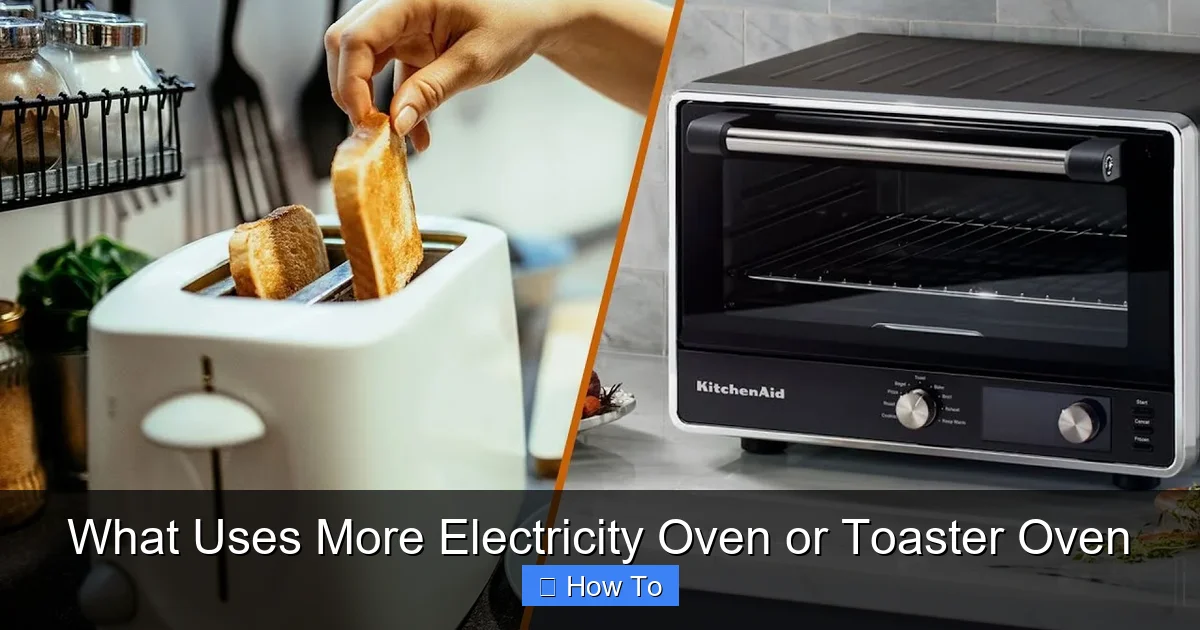
The standard oven uses significantly more electricity than a toaster oven. This is because full-size ovens require more wattage and take longer to heat up. Switching to a toaster oven for small meals can save you a lot of money on your energy bills.
Key Takeaways
- Energy Efficiency: Toaster ovens use much less power than standard ovens because they heat a smaller space with fewer watts.
- Cost Savings: Using a toaster oven instead of a full oven can cut your cooking energy costs by half or more.
- Heating Time: Toaster ovens preheat much faster, meaning they spend less time drawing high electricity.
- Best Uses: Toaster ovens are perfect for small meals, while standard ovens are better for large roasts or massive batches.
- Wattage Matters: A typical toaster oven uses 1,200 to 1,500 watts, while a standard oven can pull 2,000 to 5,000 watts.
📑 Table of Contents
What Uses More Electricity Oven or Toaster Oven?
Do you love cooking at home but hate seeing your electricity bill skyrocket? You are not alone. Many home cooks want to prepare delicious meals without breaking the bank. Every time you turn on an appliance, you are spending money. This leads to a very common question: what uses more electricity oven or toaster oven? The answer might surprise you. Understanding the difference can help you save a lot of money every single month. It is a simple change that has a big impact on your monthly budget.
When you stand in your kitchen, you have choices. You can pull out the big, trusty standard oven. Or, you can grab the compact toaster oven. Both can bake a potato or warm up leftovers. But they work in very different ways. The amount of electricity they use depends on their size and how long they run. Learning about these differences is the first step to smarter cooking. You deserve to know where your money is going. Knowledge is power, especially when it comes to your power bill!
In this guide, we will break down the energy usage of both appliances. We will look at wattage, cooking times, and the best ways to use each one. By the end, you will know exactly when to use which appliance. You will also learn how to keep your energy costs low. We will make it easy to understand. Let us dive into the world of kitchen energy efficiency and start saving today!
The Basic Energy Difference
To understand what uses more electricity oven or toaster oven, you must first look at how they operate. A standard oven is a large cavity that heats up a big space. It uses powerful heating elements to maintain a consistent temperature across that large area. It is like heating a whole house just to warm up one room. The energy required to heat that massive space is enormous. On the other hand, a toaster oven is a small, insulated box. It only needs to heat a tiny space. This fundamental difference is the main reason their electricity usage varies so much. The smaller space simply requires less energy to reach your desired temperature.
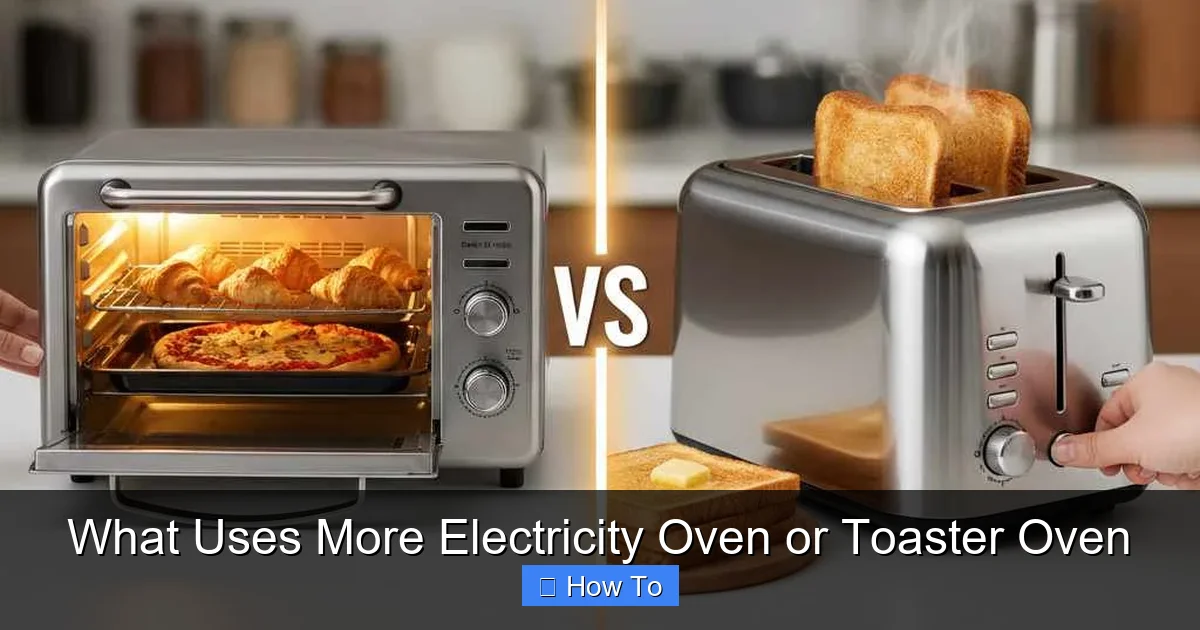
Visual guide about What Uses More Electricity Oven or Toaster Oven
Image source: decorguider.com
How Electricity Powers Your Kitchen
Electricity is measured in watts. The more watts an appliance uses, the more power it pulls from your home. A standard oven typically uses between 2,000 and 5,000 watts. That is a lot of power! It is like running several space heaters at the same time. When you turn it on, you can almost hear the electrical meter spinning faster. A toaster oven usually uses between 1,200 and 1,500 watts. Because the toaster oven uses fewer watts, it naturally consumes less electricity. If you are asking what uses more electricity oven or toaster oven, the standard oven wins that contest easily. It simply requires more raw power to do its job.
Wattage Showdown
Let us compare the wattage directly. Imagine you are baking a single serving of cookies. If you use a standard oven, you are heating a 500-square-inch cavity for a tiny batch of dough. That is a massive waste of energy. The oven has to work hard to heat up all that empty space. It is running at full power for a room that is mostly empty. If you use a best toaster oven for 12 inch pizza or a small batch, you are only heating a 100-square-inch cavity. The wattage is lower, and the space is smaller. This makes the toaster oven the undisputed champion of energy savings for small meals. You are using the right tool for the right job, which is always the smartest approach.
Furthermore, the standard oven heats up your entire kitchen. That extra heat might feel nice in the winter, but in the summer, it forces your air conditioner to work harder. This is an indirect cost that many people forget about. The toaster oven keeps the heat contained in a small area. Your air conditioner does not have to work as hard to cool the room down. This is another hidden way the toaster oven saves you money on your overall energy costs.
Understanding Wattage and Cooking Time
Wattage is not the only factor to consider when you ask what uses more electricity oven or toaster oven. Cooking time plays a huge role in your energy bill. Electricity is calculated by the hour. So, an appliance that runs for a long time will cost more, even if its wattage is low. You have to look at both the power and the duration to get the full picture. It is a combination of how hard the appliance works and how long it has to work.
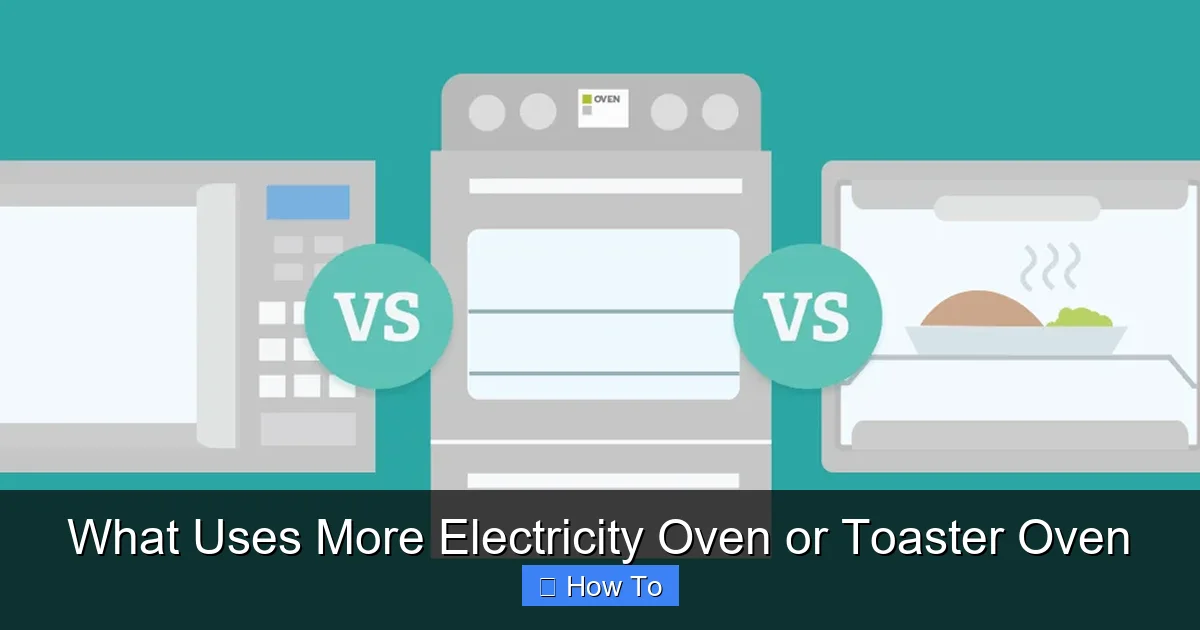
Visual guide about What Uses More Electricity Oven or Toaster Oven
Image source: blog.constellation.com
The Math Behind the Magic
Let us do some simple math to make it clear. A standard oven might run at 3,000 watts for one hour. That is 3 kilowatts of energy used. A toaster oven might run at 1,500 watts, but it only needs 30 minutes to cook the same meal. That is 0.75 kilowatts of energy. The math clearly shows that the toaster oven uses less electricity. It uses half the wattage and cooks for half the time. Over a year, those savings add up to hundreds of dollars. That is a lot of money you can keep right in your pocket!
Why Cooking Time Changes Everything
Why does the toaster oven cook faster? It is all about proximity. The heating elements in a toaster oven are much closer to the food. The food absorbs the heat quickly and directly. In a standard oven, the elements are farther away. The air must heat up before the food does. Because the toaster oven is so efficient, it reduces the total time your kitchen is drawing power. This is why many experts suggest looking into what uses less electricity oven or air fryer options if you want to save even more energy in your kitchen. The closer the heat source, the faster the cooking time.
When to Use a Standard Oven
Even though a standard oven uses more electricity, it is not useless. There are many times when you must use the big oven. Knowing when to use it helps you avoid wasting energy and ensures your food turns out perfectly. You should not feel guilty for using it when it is the right tool for the job.
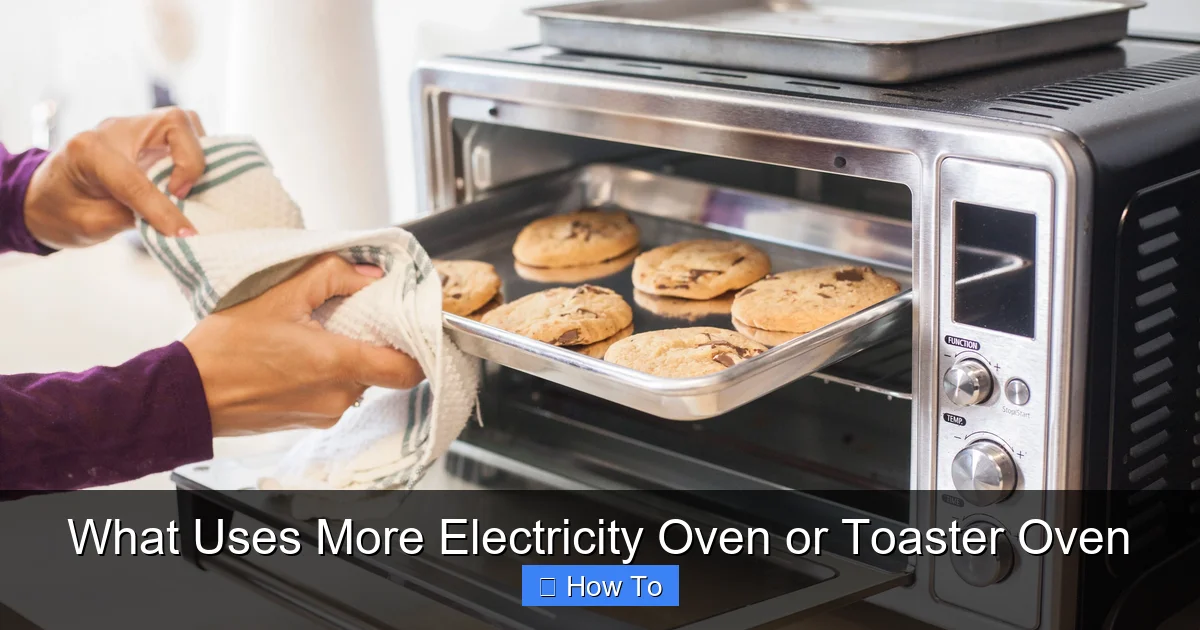
Visual guide about What Uses More Electricity Oven or Toaster Oven
Image source: bhg.com
The Right Tools for Big Jobs
If you are cooking a whole turkey or a large roast, you need a standard oven. A toaster oven simply does not have the space to accommodate such large items. Putting a large item in a toaster oven will not cook it evenly. It might even damage the appliance or cause a fire hazard. So, for large family dinners, the standard oven is the right tool. You cannot avoid the electricity usage when you are feeding a crowd. It is a necessary expense for those special occasions. A big holiday meal requires the power of the big oven.
Avoiding the Overcooking Trap
Another time to use the standard oven is when you need very precise temperatures. Standard ovens often have better insulation for high-heat baking. If you are making a delicate souffle or a large batch of bread, the steady heat of a standard oven is best. Do not try to cram a large baking sheet into a toaster oven just to save power. It will not cook right, and you will end up wasting food and electricity. Sometimes, the standard oven is the only choice. It provides the even, consistent heat that big baking projects demand.
Additionally, if you are using the broiler setting, you must use the standard oven. Toaster ovens rarely have a powerful enough broiler element. Broiling requires intense, direct heat from the top. The standard oven is designed to handle this extreme temperature. So, for steaks and charred vegetables, the standard oven remains the king of the kitchen.
When a Toaster Oven is the Clear Winner
For everyday meals, the toaster oven is the clear winner. It is versatile, fast, and saves a ton of electricity. Using it instead of the standard oven is one of the easiest ways to lower your home energy use. It is a simple swap that makes a big difference in your monthly expenses.
Small Batch Cooking Perfection
What is a small batch meal? It is a single piece of fish, a baked potato, or a few muffins. For these tasks, the toaster oven is perfect. You do not need to heat up your whole kitchen. You can just plug in the toaster oven and get started. If you love baking bread at home, you should check out the best toaster oven for baking bread to see how much energy you can save. It is a win-win situation for your taste buds and your wallet. Fresh bread smells amazing, and it costs pennies to make.
The Speed Factor
The speed of a toaster oven is its greatest asset. It preheats in just a few minutes. A standard oven might take ten to fifteen minutes to reach the right temperature. During that time, the standard oven is burning electricity for no reason. The toaster oven gets hot fast and cooks your food quickly. This speed directly translates to lower electricity bills. You spend less time waiting and more time eating. The rapid heat delivery is a game-changer for busy weeknights.
Reheating leftovers is another great use for the toaster oven. If you have yesterday’s pizza or fried chicken, the standard oven will make the crust soggy. The toaster oven, however, restores the crust to its original crispy glory. It uses a fraction of the electricity and gives you a much better tasting result. It is the perfect tool for avoiding food waste while saving energy.
Practical Tips to Lower Your Electricity Bill
Now that you know the answer to what uses more electricity oven or toaster oven, it is time to act. You can make simple changes in your kitchen to save energy and money. These tips are easy to follow and will help you see results on your next bill. Small changes lead to big savings over time.
Preheat Smartly
Do not preheat your oven unless a recipe strictly requires it. For roasted vegetables or pizza, just turn on the appliance and put the food in right away. The food will cook just fine. This saves electricity and time. If you must preheat, use the toaster oven because it reaches the temperature so much faster. It is a simple habit that cuts down on wasted energy. You will be amazed at how much time you save by skipping unnecessary preheating.
Keep the Door Closed
Every time you open the oven door, heat escapes. The appliance must then work harder to get back up to temperature. This uses a lot of extra electricity. Use the inside light to check on your food. Keep that door closed! This simple habit can save a significant amount of power over a year. It is one of the best ways to ensure your oven is running efficiently. Just look at the light and peek through the glass if you need to.
Use the Right Pan
Dark and shiny pans absorb heat differently. Using a light-colored pan can help your food cook faster in a toaster oven. When your food cooks faster, it uses less electricity. Also, make sure the pan is the right size for the toaster oven. A pan that is too big will block the air flow and make the appliance work harder. Choose your pans wisely to maximize efficiency. A good fit means better cooking and lower bills.
Keep It Clean
A dirty toaster oven is a slow toaster oven. Food crumbs and grease can insulate the heating elements. This makes the appliance work harder to produce the same amount of heat. Clean your appliance regularly to keep it running at peak efficiency. A quick wipe-down after each use goes a long way. It ensures that every watt of electricity you use is actually turning into heat for your food.
Conclusion
So, what uses more electricity oven or toaster oven? The standard oven uses much more power than the toaster oven. It has higher wattage and takes longer to cook your food. By choosing a toaster oven for your daily meals, you can make a real difference. You will save money, energy, and even help the environment by reducing your carbon footprint. Next time you are hungry, remember these tips. Grab the toaster oven and enjoy a delicious, energy-efficient meal!
Frequently Asked Questions
Is a toaster oven cheaper to run than a regular oven?
Yes, a toaster oven is much cheaper to run. It uses lower wattage and cooks food faster, which means it draws less electricity overall. Switching to a toaster oven for small meals can significantly lower your energy costs.
Can I bake a cake in a toaster oven?
You can bake a small cake in a toaster oven, but it may not rise as evenly as it would in a standard oven. Toaster ovens have intense top heat that can cause over-browning. It is best for small batches or single-serving desserts.
Does opening the toaster oven door waste electricity?
Yes, opening the door lets heat escape, forcing the appliance to work harder to recover the temperature. This wastes electricity and increases your cooking time. It is best to use the interior light to check on your food instead.
What is the average wattage of a toaster oven?
Most standard toaster ovens use between 1,200 and 1,500 watts. This is much lower than a standard oven, which typically pulls between 2,000 and 5,000 watts. The lower wattage is the key to its energy efficiency.
How much can I save on my electric bill using a toaster oven?
You can save a significant amount by using a toaster oven for small meals. Because it uses about half the wattage and cooks in half the time, you could save up to 50% on your cooking energy costs. Over a year, this adds up to many dollars.
What foods are best cooked in a toaster oven?
Toaster ovens are best for small batches of food. They excel at reheating leftovers, baking potatoes, roasting nuts, and cooking single servings of meat or vegetables. They are perfect for everyday meals that do not require a large oven.