What Is Turbo on a Oster Toaster Oven
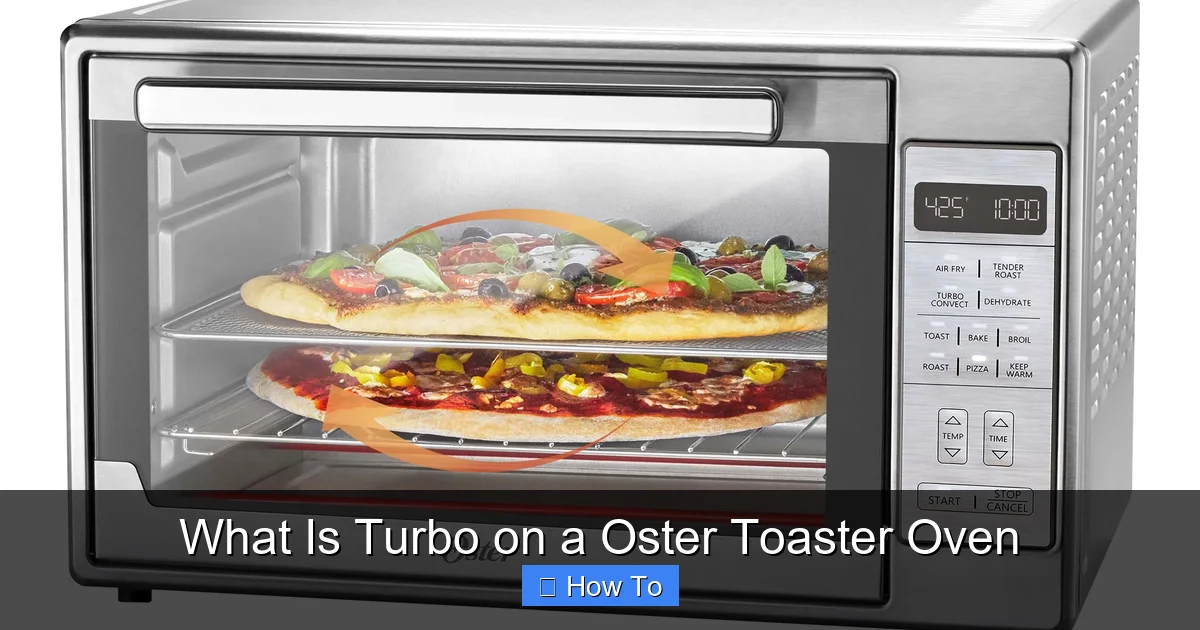
Turbo mode on an Oster toaster oven is a high-speed convection cooking function that uses powerful fans to circulate hot air rapidly, reducing cooking time by up to 25%. This feature is perfect for busy kitchens when you need to cook food faster without sacrificing quality. The Turbo setting works by maximizing airflow to distribute heat evenly throughout the oven cavity.
If you own an Oster toaster oven, you might have noticed a button or dial setting labeled “Turbo” and wondered what it actually does. You are not alone in this curiosity. Many people skip over this feature without understanding its potential benefits. Today, we are going to change that by giving you a complete understanding of what Turbo mode means on your Oster toaster oven and how you can use it to improve your cooking experience.
Key Takeaways
- Turbo is a convection feature: It uses a built-in fan to circulate hot air throughout the oven chamber for faster, more even cooking.
- Reduces cooking time significantly: The Turbo setting can cut cooking times by 20-25% compared to standard toaster oven settings.
- Best for certain foods: It works exceptionally well for baked goods, roasted vegetables, and reheating leftovers.
- Temperature adjustment may be needed: You might need to lower your temperature by about 25°F when using Turbo mode.
- Located on the control dial: The Turbo setting is typically found on the oven’s function selector dial.
- Energy efficient option: Faster cooking means less energy consumption overall compared to using a full-size oven.
- Available on select models: Not all Oster toaster ovens have this feature, so check your specific model’s capabilities.
📑 Table of Contents
Understanding the Turbo Feature
The Turbo setting on your Oster toaster oven is essentially a enhanced convection cooking mode. When you activate this function, a powerful fan inside the oven kicks into high gear and starts circulating hot air at an accelerated rate. This rapid air circulation creates several benefits that can transform the way you cook with your toaster oven.
In a standard toaster oven, heating elements warm the air inside the cavity, but that air tends to stay in layers. The top of the oven becomes hotter while the bottom remains cooler. This uneven heating can lead to inconsistent cooking results. The Turbo feature solves this problem by forcing the hot air to move constantly throughout the entire cooking chamber.
When hot air circulates efficiently, it transfers heat to your food from all angles simultaneously. This means your pizza rolls get crispy on all sides. Your cookies bake evenly without that one side that always seems to brown too fast. Your roasted chicken develops that beautiful golden exterior while cooking through properly on the inside.
How Turbo Differs from Regular Convection
You might be wondering how Turbo is different from the regular convection setting that some toaster ovens offer. This is a great question. The difference lies in the intensity of the fan and the speed of air circulation.
Regular convection uses a standard fan speed to move air through the oven. The Turbo setting typically engages a higher-powered fan that pushes air faster and more aggressively throughout the cooking space. This results in even quicker cooking times and more uniform browning.
Think of it like the difference between a gentle breeze and a strong wind on a hot day. Both provide cooling effects, but one does the job much faster. The Turbo setting works the same way when it comes to cooking your food.
The Science Behind Turbo Cooking
To truly appreciate what Turbo mode does, it helps to understand a bit about the science of cooking. Heat transfer occurs in three main ways: conduction, convection, and radiation. In a toaster oven, all three methods are at work, but convection becomes the star when you engage the Turbo setting.
Convection is the transfer of heat through the movement of fluids, in this case, air. When you place food in a cold oven and turn it on, the air near the heating elements heats up first. This hot air naturally rises, creating a slow circulation pattern. This process is called natural convection.
Forced convection, which is what the Turbo feature creates, artificially speeds up this process. The fan forces the hot air to move quickly past the heating elements and over your food. This increased contact between the hot air and your food’s surface dramatically speeds up heat transfer.
The result is faster cooking times and more even browning. Additionally, the rapid air movement helps carry moisture away from the food’s surface, which can create crispier results for foods like chicken wings or french fries.
Practical Benefits for Your Kitchen
Now that we understand the mechanics, let us talk about why this matters for your everyday cooking. The Turbo feature offers several practical advantages that can make your life easier.
First, you save valuable time in the kitchen. When you need to get dinner on the table fast, the Turbo setting can reduce your cooking time by as much as 25 percent. That frozen pizza you planned for dinner? It might be ready in 12 minutes instead of 15. Your morning frozen waffles could be perfectly crisp in just a few minutes.
Second, the Turbo setting can help you save energy. Because food cooks faster in a toaster oven with Turbo mode engaged, you use less electricity compared to running your full-size oven for an extended period. This makes it an environmentally friendly choice for smaller meals.
Third, you get better results with certain foods. If you have ever struggled with getting evenly baked cookies or perfectly roasted vegetables in your toaster oven, the Turbo setting might be your solution. The consistent heat distribution eliminates those frustrating hot spots that cause uneven cooking.
When to Use Turbo Mode
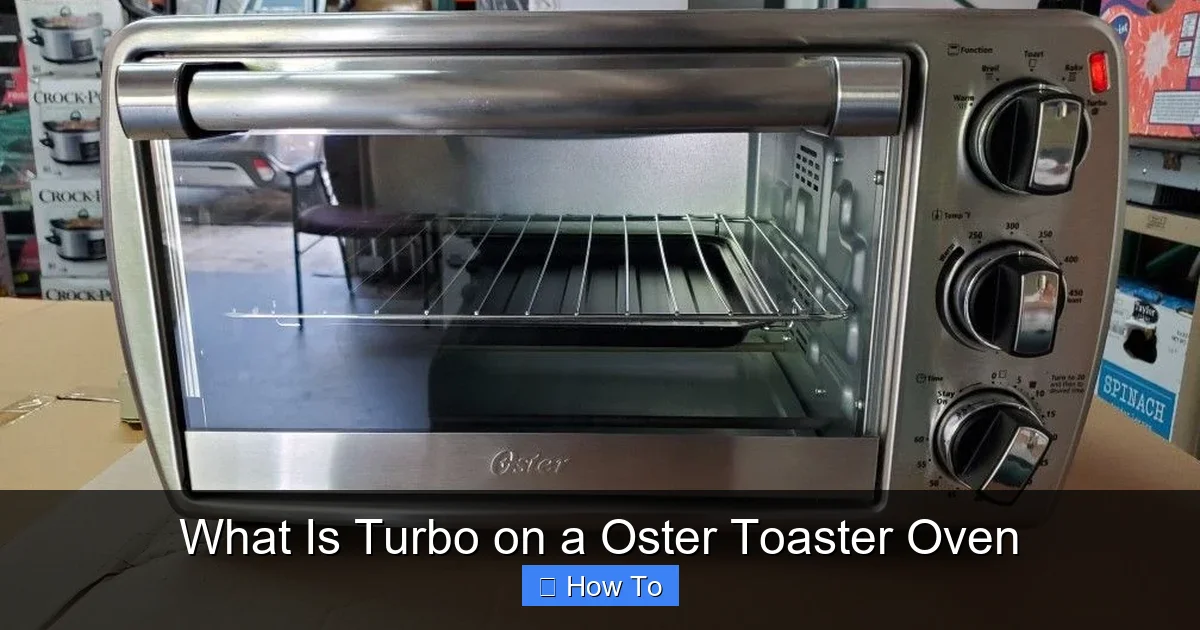
Visual guide about What Is Turbo on a Oster Toaster Oven
Image source: images.offerup.com
Knowing when to engage the Turbo setting is key to getting the best results. While this feature is versatile, it truly shines in specific cooking scenarios.
Frozen foods are prime candidates for Turbo cooking. Whether you are reheating frozen pizza, cooking frozen chicken tenders, or warming up frozen vegetables, the rapid heat circulation works beautifully with pre-frozen items. The Turbo setting can often achieve that crispy exterior you love without undercooking the inside.
Baked goods also benefit greatly from Turbo mode. Cookies, biscuits, and even small cakes cook more evenly when hot air circulates rapidly around them. You are less likely to end up with cookies that are burnt on the bottom and raw in the middle.
Roasted vegetables become exceptionally good when cooked with Turbo. The high-speed air circulation helps moisture evaporate quickly from the vegetable surfaces, concentrating flavors and creating delicious caramelization. Try it with cubed potatoes, Brussels sprouts, or root vegetables for impressive results.
Reheating leftovers is another perfect use for Turbo mode. Instead of dealing with soggy microwave reheating, use your toaster oven’s Turbo setting. Foods like pizza, fried chicken, and french fries regain their crispy texture and taste almost as good as freshly cooked.
When to Avoid Turbo Mode
Just as there are ideal times to use Turbo, there are also situations where you might want to avoid it. Delicate baked goods that require gentle, even heat might not be the best candidates. Things like soufflés, certain custards, or very thin pastry shells might respond better to standard cooking.
If you are cooking something that relies on a soft, chewy texture rather than a crispy one, the aggressive air circulation might not be ideal. The rapid moisture removal can dry out foods that need to retain some humidity.
Some bread recipes also call for steam or humidity that the Turbo setting would eliminate too quickly. If you are baking artisan breads that need a specific environment, stick with conventional settings.
How to Use Turbo Mode Effectively
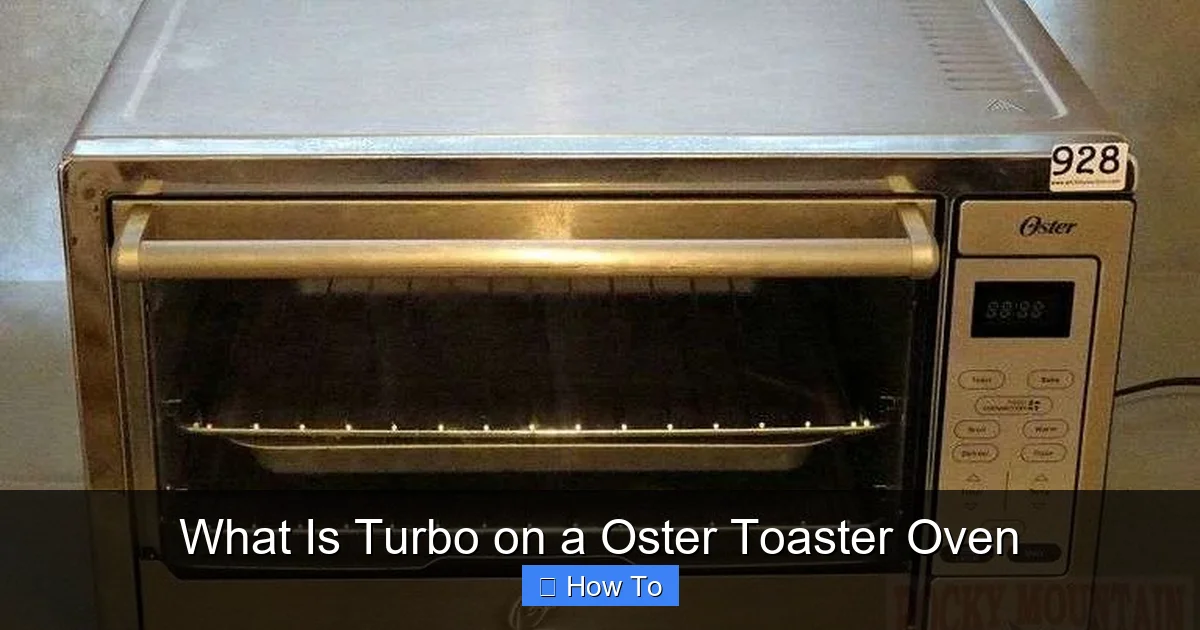
Visual guide about What Is Turbo on a Oster Toaster Oven
Image source: auctioneersoftware.s3.amazonaws.com
Using the Turbo setting on your Oster toaster oven is straightforward, but there are some tips that can help you get the best results.
Start by preheating your oven as you normally would, but engage the Turbo function once you do. Some models allow you to select Turbo along with your temperature, while others have a separate Turbo button to press after preheating.
Adjust your temperature downward by about 25 degrees Fahrenheit when using Turbo mode. Because the hot air circulates so efficiently, your food cooks at a slightly higher effective temperature than your set temperature indicates. Lowering the setting compensates for this and prevents over-browning or burning.
Keep an eye on your food during the first few uses of Turbo mode. Since cooking times are reduced, you will want to check progress more frequently until you get familiar with how your specific foods respond to this setting.
Use appropriately sized cookware. The Turbo setting works best when air can circulate freely around your food. Avoid crowding the oven or using cookware that blocks the airflow path.
Consider rotating your food halfway through cooking if your oven has hot spots. Even with the improved circulation that Turbo provides, some models may still have areas that cook slightly faster than others.
Tips for Specific Foods
Let me share some specific recommendations for popular foods you might want to try with Turbo mode.
For frozen pizza, set your oven to 400 degrees Fahrenheit and cook for about 10 to 12 minutes with Turbo engaged. Watch for the cheese to be bubbly and the crust to be golden brown.
Chicken wings cook beautifully in Turbo mode. At 425 degrees for approximately 20 minutes, you will get crispy wings without the hassle of deep frying.
Reheating leftover french fries? Set to 375 degrees for just 3 to 5 minutes. The Turbo setting will restore that fresh-out-of-the-fryer crunch.
Cookies turn out wonderfully with this feature. Try reducing your normal temperature by 25 degrees and checking them about 2 minutes earlier than usual.
For those interested in expanding their cooking capabilities, you might also want to explore what other features your toaster oven offers, such as the toaster lift mechanism or how to make the most of the dial settings on your toaster.
Maintaining Your Turbo Function
To keep your Turbo setting working at its best, regular maintenance of your Oster toaster oven is essential. The fan that circulates air can accumulate dust and debris over time, which can reduce its efficiency and effectiveness.
Clean the interior of your toaster oven regularly by wiping it down with a damp cloth after it has cooled completely. Pay special attention to the area around the fan vents, as these can collect crumbs and dust.
Deep clean your oven monthly by using a mixture of water and mild dish soap. Avoid using abrasive cleaners or scouring pads that could damage the interior surfaces.
Check the vents periodically to ensure they remain clear of obstructions. Blocked vents not only reduce cooking performance but can also cause the oven to overheat.
Allow your toaster oven to cool down completely before cleaning or storing it. This prevents damage to heating elements and extends the life of your appliance.
Store your toaster oven in a clean, dry location when not in use. If you plan to store it for an extended period, consider placing a piece of paper towel inside to absorb any residual moisture.
Comparing Turbo to Other Cooking Methods
You might be curious about how cooking with Turbo mode on your Oster toaster oven compares to other cooking methods you might have available.
Compared to a conventional full-size oven, the Turbo toaster oven often cooks faster due to its smaller cooking chamber and the aggressive air circulation. The reduced cooking time can save energy, especially for smaller meals where firing up the big oven would be inefficient.
The air fryer toaster oven is a close relative of the Turbo toaster oven, with similar convection capabilities. Both use powerful fans for rapid air circulation, though air fryers are specifically designed with basket-style cooking in mind for maximum airflow around food.
Compared to microwave reheating, Turbo mode produces superior results for many foods. While the microwave is faster, it often leaves food soggy or unevenly heated. The Turbo setting in your toaster oven restores texture and crispness that microwaves cannot match.
If you enjoy cooking with your toaster oven, you might also find it helpful to learn how to cook a steak in the toaster oven for those times when you want a quick protein option without firing up your grill or stove.
Conclusion
The Turbo feature on your Oster toaster oven is far more than just another button or dial setting. It represents a powerful cooking tool that can revolutionize the way you prepare meals in your kitchen. By understanding how this convection-based function works, you open up new possibilities for faster, more efficient, and better-tasting food.
Remember that the key to mastering Turbo mode is experimentation. Try it with your favorite foods, adjust temperatures and times as needed, and pay attention to the results. Over time, you will develop an intuition for when Turbo mode is the perfect choice for your cooking needs.
Whether you are reheating leftovers, cooking frozen foods, or preparing fresh meals, the Turbo setting gives you an extra edge in the kitchen. It is one of those features that once you start using regularly, you will wonder how you ever got along without it. So next time you are using your Oster toaster oven, consider engaging that Turbo setting and experience the difference for yourself.
Frequently Asked Questions
What does Turbo mean on a toaster oven?
Turbo on a toaster oven refers to a high-speed convection cooking mode that uses an accelerated fan to circulate hot air throughout the cooking chamber. This results in faster cooking times and more even browning compared to standard settings.
Does Turbo mode use more electricity?
Turbo mode itself does use slightly more electricity due to the enhanced fan operation, but because food cooks faster overall, the total energy consumption is often lower than using a standard setting or full-size oven for the same dish.
Should I preheat my toaster oven when using Turbo mode?
Yes, you should still preheat your toaster oven when using Turbo mode. Preheating ensures the cooking chamber reaches the desired temperature before you add your food, leading to more consistent results.
What temperature should I set for Turbo mode?
For most recipes, reduce your normal cooking temperature by about 25 degrees Fahrenheit when using Turbo mode. This compensates for the increased heat circulation that the Turbo setting provides.
Can I use aluminum foil in Turbo mode?
Yes, you can use aluminum foil in Turbo mode, but be careful not to block the air vents or completely cover the food. The foil should be loosely placed and never line the entire oven floor, as this can interfere with proper air circulation.
Is Turbo mode the same as an air fryer?
Turbo mode is similar to air frying because both use powerful convection fans to circulate hot air rapidly. However, air fryers are specifically designed with this function as their primary cooking method and typically achieve even more aggressive air circulation.