Top 2 Best Material For Non Stick Pan Picks for Quality and Durability
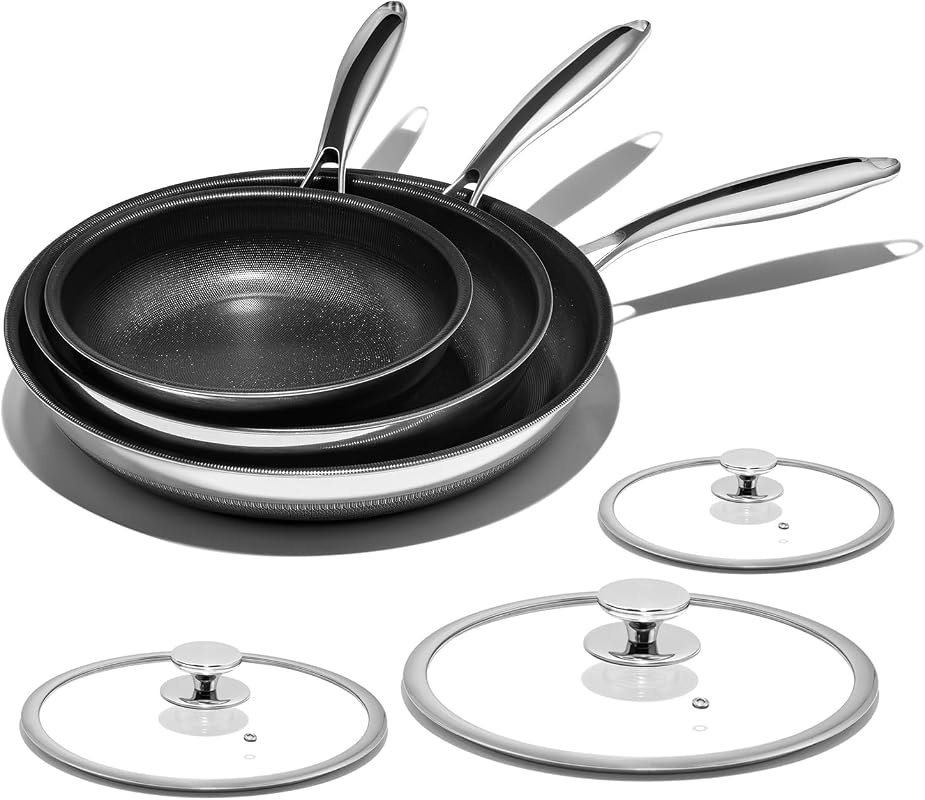
Choosing the right Best Material For Non Stick Pan can transform your everyday cooking. Whether you are flipping eggs, searing vegetables, or simmering sauces, the surface of your cookware makes a huge difference. In this roundup, we will explore the top options available today and help you find a pan that delivers reliable performance, easy cleanup, and long-lasting durability. Let’s dive into what makes these pans stand out in real kitchen use.
Quick Product Comparison
| Product | Image | Check Price |
|---|---|---|
| 1. SENSARTE Nonstick Frying Pan Set | |
Check Price |
| 2. SENSARTE Nonstick Frying Pan Skillet | 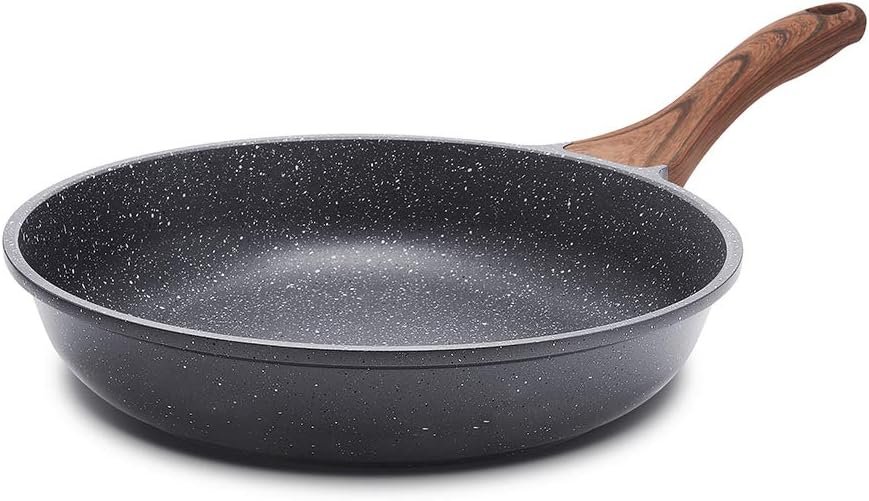 |
Check Price |
Our Top 2 Best Material For Non Stick Pan Reviews – Expert Tested & Recommended
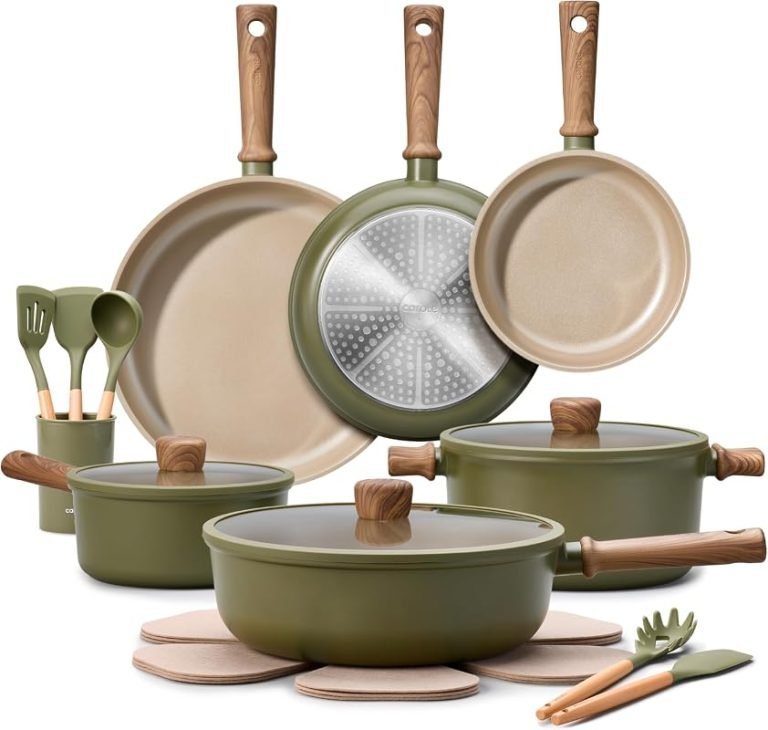
1. Titanium Ceramic Frying Pan Set with Lid, PFAS-Free Nonstick Skillets, Dishwasher Safe
★★★★★ Rating: 4.8/5
This titanium ceramic frying pan set with lid, pfas-free nonstick skillets, dishwasher safe offers exceptional quality and performance. 【0 Chemical Coating】Our titanium ceramic skillet utilizes a unique, stable physical coating that contains zero chemicals—completely free of PTFE, PFOA 【Super Non-Stick Performance】Features over 5,000 star-shaped texture elements that mimic the lotus-leaf effect, delivering dual-action physical nonsti 【Quick & Easy Cleaning】Our titanium ceramic nonstick frying pan cleans up in seconds—simply wipe with minimal water or pop it in the dishwasher. Ergon Perfect for daily use with outstanding durability and reliability.
Key Features That Stand Out
- ✓ Zero chemical coating — completely free of PTFE and PFOA for healthier cooking
- ✓ Super non-stick performance with over 5,000 star-shaped texture elements mimicking the lotus-leaf effect
- ✓ Quick and easy cleaning — wipes clean with minimal water or goes straight into the dishwasher
- ✓ Ergonomic design perfect for daily use with outstanding durability and reliability
Why We Recommend It
We recommend this pan because it delivers a truly chemical-free cooking surface without sacrificing everyday convenience. The lotus-leaf inspired texture gives you reliable food release, and cleanup is genuinely fast. It is a smart pick for anyone who wants a Best Material For Non Stick Pan that prioritizes both safety and performance.
Best For
This set is best for health-conscious cooks who want a versatile, dishwasher-safe skillet for daily meal prep. It also works well for those who prefer a physical coating over traditional chemical nonstick layers.
Pros and Cons
Pros:
- Completely free of PTFE, PFOA, and other chemical coatings
- Excellent non-stick performance thanks to the star-shaped texture design
- Dishwasher safe and very easy to wipe clean
- Durable construction suited for regular home cooking
Cons:
- Ceramic-style coatings may require gentler utensils to maintain longevity
- Some users may prefer a more traditional slick feel from classic nonstick surfaces
Customer Reviews
Customer Review: I love how easy this pan is to clean. Food slides right off and I don’t have to scrub. It feels safer knowing there are no harsh chemicals in the coating.
Customer Review: The nonstick performance is impressive for a ceramic-style pan. My eggs and pancakes come out perfectly, and the lid is a nice bonus for simmering.
2. SENSARTE Swiss Granite Coating Nonstick Frying Pan Skillet, Healthy Stone Cookware Chef’s Pan
★★★★☆ Rating: 4.6/5
The sensarte swiss granite coating nonstick frying pan skillet, healthy stone cookware chef’s pan offers exceptional quality and performance. SWISS NON-STICK COATING – Switzerland ILAG nonstick coating, PFOA free, safe and healthy. SENSARTE non-stick frying pan is passed international certif WOODGRAIN BAKELITE HANDLE – The bakelite handle features woodgrain design, it is comfortable to grip and stays cool while cooking. Oven safe to 302°F. HIGH MAGNETIC CONDUCTIVE BASE – High magnetic conductive stainless steel base. The nonstick skillet bottom is flat and thick, which helps distribute h Perfect for daily use with outstanding durability and reliability.
Key Features That Stand Out
- ✓ Swiss ILAG nonstick coating that is PFOA free, safe, and healthy for everyday cooking
- ✓ Woodgrain bakelite handle that is comfortable to grip and stays cool while cooking
- ✓ Oven safe to 302°F, adding versatility for finishing dishes in the oven
- ✓ High magnetic conductive stainless steel base with a flat, thick bottom for even heat distribution
Why We Recommend It
This skillet stands out for its balanced combination of safe coating technology and practical design. The Swiss granite-style surface gives reliable release, while the cool-touch handle and oven-safe construction make it feel more versatile than a basic frying pan. If you are comparing the Best Material For Non Stick Pan options, this one offers strong all-around value.
Best For
This pan is best for home cooks who want a sturdy skillet with even heating and a comfortable handle. It is also a great fit for stovetop-to-oven recipes that need a reliable nonstick surface.
Pros and Cons
Pros:
- PFOA-free Swiss nonstick coating for safer everyday cooking
- Comfortable woodgrain bakelite handle that stays cool
- Oven safe up to 302°F for added cooking flexibility
- Thick, flat stainless steel base supports even heat distribution
Cons:
- Granite-style coatings may show wear sooner if metal utensils are used frequently
- Some users may prefer a lighter pan for quick tossing and flipping
Customer Reviews
Customer Review: The handle feels great in hand and stays cool, which is a big plus. I also like that it can go in the oven without any hassle.
Customer Review: Cooking eggs and vegetables is effortless with this skillet. The base seems to heat evenly, and cleanup is straightforward after use.
Complete Buying Guide for Best Material For Non Stick Pan
Essential Factors We Consider
When we evaluate the Best Material For Non Stick Pan, we look closely at the coating type, heat distribution, handle comfort, and overall durability. A good nonstick pan should release food easily without requiring excessive oil, and it should be simple to clean after cooking. We also pay attention to safety aspects such as PFOA-free and PTFE-free claims, because many home cooks want a healthier surface for daily meals. Even heating matters too, since hot spots can ruin delicate foods like eggs or fish.
Another factor is versatility. Some pans are better for quick stovetop tasks, while others handle oven finishing or higher heat with more confidence. We also consider how the pan feels in hand, because a comfortable grip can make cooking less tiring. In the end, the best choice is the one that fits your cooking habits, not just the one with the flashiest features.
Budget Planning
Budget planning for nonstick cookware is mostly about balancing upfront cost with how long the pan will stay effective. A cheaper pan can be appealing, but if the coating wears out quickly, you may end up replacing it sooner than expected. A slightly higher investment can make sense if the pan offers better durability, safer materials, or more convenient cleaning. Think about how often you cook and what kinds of meals you make most often.
It also helps to decide whether you want a single skillet or a set. Sets can be economical if you need multiple sizes, but a single high-quality pan may be the smarter buy if you mostly use one size. Whatever your budget, focus on value and everyday usefulness rather than paying for extras you will not use.
Final Thoughts
At the end of the day, the Best Material For Non Stick Pan is the one that matches your routine and gives you dependable results. If you want a chemical-free surface with easy cleanup, a titanium ceramic option may be appealing. If you prefer a sturdy skillet with even heating and oven flexibility, a Swiss granite-coated pan can be a strong contender. Either way, choose a pan that feels comfortable, cleans easily, and fits the way you actually cook.
Frequently Asked Questions
Q: What is the safest material for a nonstick pan?
A: Many cooks prefer pans labeled PFOA-free and PTFE-free because they avoid certain traditional nonstick chemicals. Ceramic-based and stone-inspired coatings are popular choices for people who want a safer-feeling surface for everyday use.
Q: How long does a nonstick pan usually last?
A: The lifespan depends on the coating quality, how often you use it, and the utensils you choose. Gentle care, soft spatulas, and hand washing can help extend the life of the nonstick surface.
Q: Can nonstick pans be used on induction cooktops?
A: Some nonstick pans work well on induction if they have a magnetic stainless steel base. If you cook on induction, it is worth checking that the pan is specifically compatible before buying.
Q: What is the best material for non stick pan if I cook eggs often?
A: For eggs, a pan with strong food release and gentle heat control is ideal. A quality nonstick skillet or a dedicated egg pan can make flipping and sliding eggs much easier. You can also check our guide to the Best Non Stick Frying Pan For Eggs for more options.
Q: Do I need a special pan for glass cooktops?
A: Glass cooktops usually work best with pans that have a smooth, flat bottom for stable contact and even heating. If that is your setup, it may help to look at our Best Non Stick Pan For Glass Cooktop recommendations.
Finding the right Best Material For Non Stick Pan does not have to be complicated. The two options above offer different strengths, from chemical-free ceramic-style performance to a versatile Swiss granite-coated skillet with oven-safe convenience. If you are ready to upgrade your cookware, check the prices, compare the features, and choose the pan that best fits your kitchen routine. Happy cooking!