How to Cook Fish in Oven Toaster
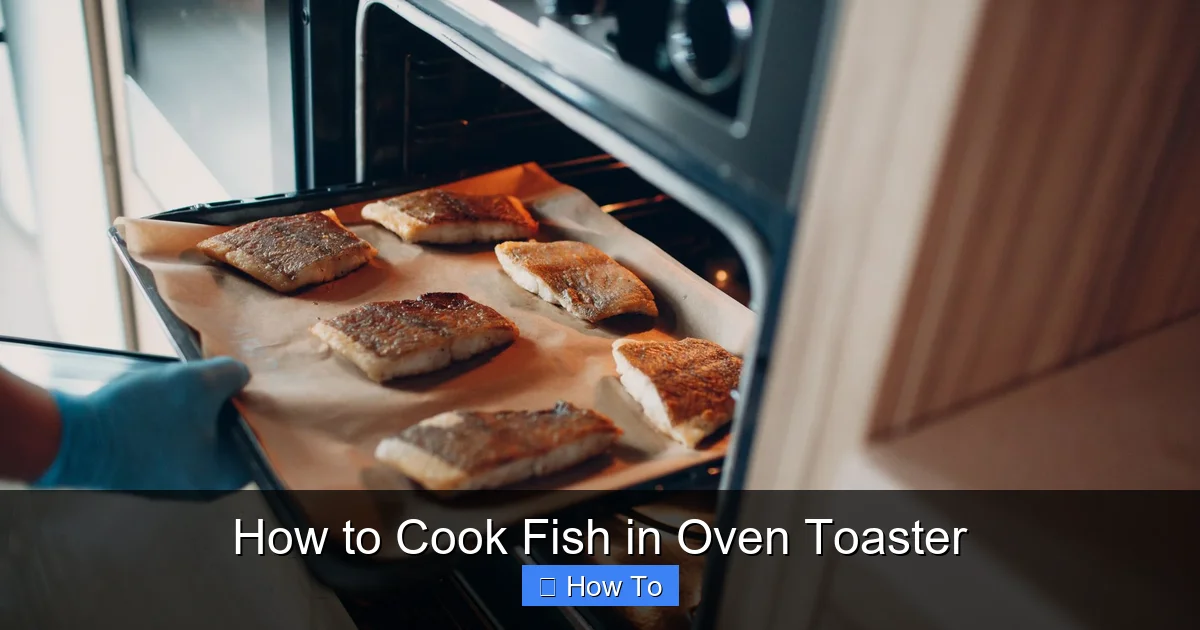
Cooking fish in an oven toaster is one of the easiest and healthiest ways to prepare a delicious meal. This compact appliance delivers consistent heat that cooks fish evenly while keeping it moist and flavorful. Whether you’re a beginner or experienced home cook, you’ll love how simple this method makes weeknight dinners. With just a few basic steps, you can have restaurant-quality fish on the table in under 20 minutes.
Key Takeaways
- Understanding How To Cook Fish In Oven Toaster: Provides essential knowledge
📑 Table of Contents
Why Cook Fish in an Oven Toaster?
If you’ve never considered cooking fish in your oven toaster, you’re missing out on one of the simplest cooking methods available. Oven toasters, also called toaster ovens, offer consistent heat distribution that works beautifully with fish fillets. The enclosed space traps moisture, keeping your fish tender and flaky instead of dried out.
The convenience factor cannot be overstated. When you cook fish in oven toaster style, you avoid the mess of stovetop frying and the preheating wait of a conventional oven. Your appliance heats up quickly and cooks your meal in a fraction of the time. For busy weeknights, this makes all the difference between a home-cooked dinner and calling for takeout.
Additionally, oven toasters are incredibly energy-efficient compared to heating a full-sized oven. They use less electricity and heat your food faster, which means lower utility bills and a cooler kitchen. This makes them perfect for small households or anyone who wants a quick, healthy meal without the hassle.
Many home cooks worry that their oven toaster won’t get hot enough for proper fish cooking. Rest assured, most models reach temperatures between 200°F and 450°F, which is more than adequate for cooking any type of fish. The key is understanding your specific appliance and adjusting timing accordingly.
Benefits of Using an Oven Toaster for Fish
The convection-style cooking in many toaster ovens creates a gentle air circulation that crisps the exterior while keeping the inside perfectly cooked. This is especially helpful when cooking fish with a light coating or breading, as it achieves that desirable golden crust without deep frying. You get healthier results with less oil and fewer calories.
Cleanup becomes a breeze as well. Most oven toaster racks and trays are non-stick or easy to line with aluminum foil. Simply remove the foil, discard it, and wipe down the interior. No scrubbing fish residue from a big pan or dealing with grease splatters on your stovetop.
Choosing the Right Fish for Oven Toaster Cooking
Visual guide about How to Cook Fish in Oven Toaster
Image source: storables.com
Not all fish cook equally well in an oven toaster. Some varieties are naturally better suited for this cooking method, and selecting the right one will determine your success. Firm, thick fillets tend to perform best because they can withstand the direct heat without falling apart or drying out.
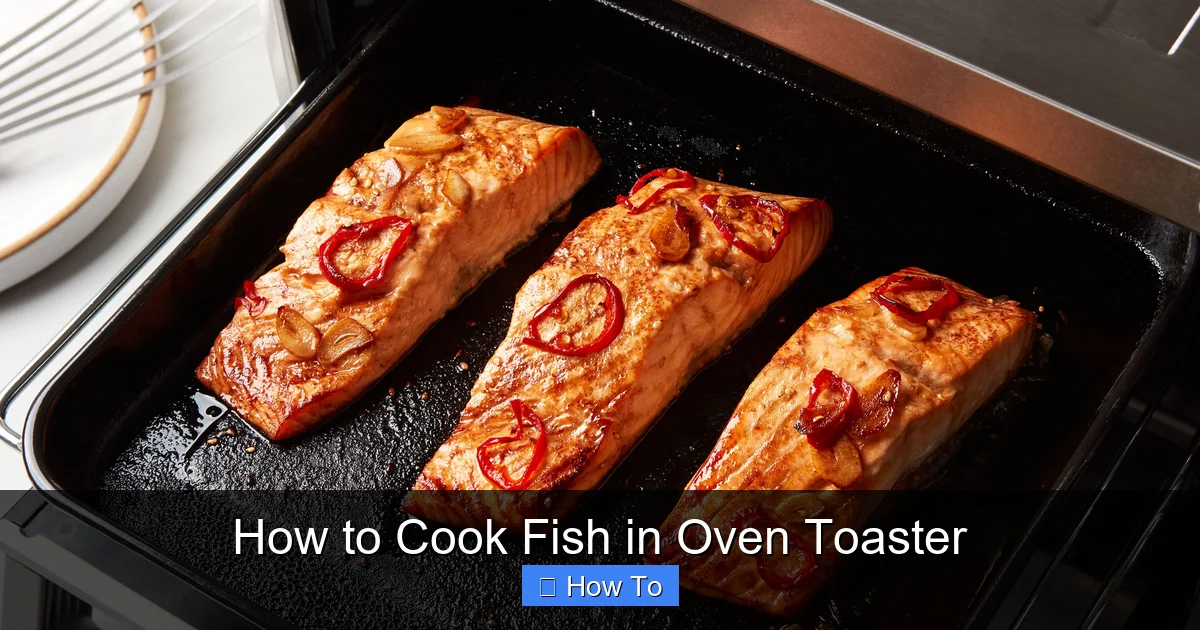
Salmon stands out as the top choice for oven toaster cooking. Its high fat content keeps it moist even at higher temperatures, and the flesh holds together beautifully throughout cooking. Salmon fillets with skin on are particularly forgiving and make for easy handling when flipping or removing from the appliance.
Cod, tilapia, and halibut are excellent white fish options that cook quickly and evenly. These mild-flavored fish absorb seasonings well and pair nicely with lemon, garlic, and herbs. If you prefer something more delicate, consider mahi-mahi or striped bass, but keep a close eye on cooking time as they can dry out faster.
For those interested in breaded or battered fish, frozen fish fillets work wonderfully in an oven toaster. If you’re looking for specific instructions, check out our guide on how to cook Gorton’s fish fillets in the oven for helpful tips. Many frozen options are pre-seasoned and designed for oven cooking, making your job even easier.
Fresh vs. Frozen Fish
Fresh fish from the market will always offer the best texture and flavor when cooked immediately. However, frozen fish is a convenient alternative that many households rely on. The key is proper thawing – always thaw frozen fish in the refrigerator overnight or under cold running water. Never thaw fish at room temperature, as this promotes bacterial growth.
If you’re in a hurry, you can cook frozen fish fillets directly in your oven toaster. Simply add 5-8 extra minutes to the cooking time and ensure the internal temperature reaches a safe 145°F. Many home cooks prefer this approach for weeknight dinners when they forgot to thaw anything.
Preparing Your Fish for the Oven Toaster
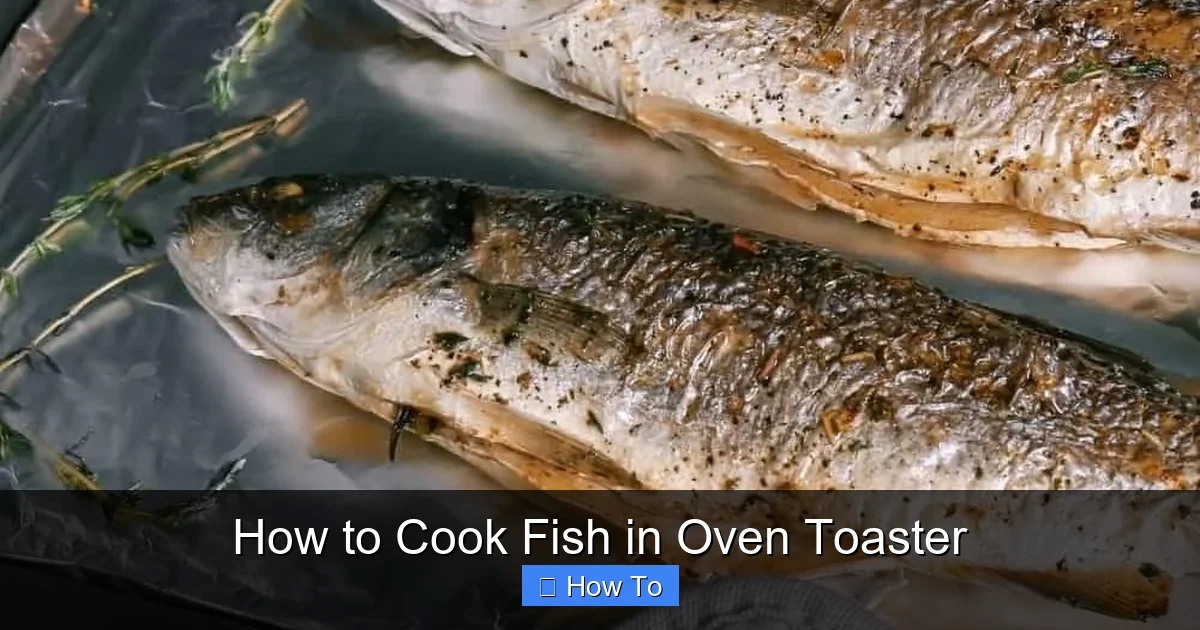
Visual guide about How to Cook Fish in Oven Toaster
Image source: chefstandards.com
Proper preparation makes all the difference when you want perfectly cooked fish. Start by removing your fish from the refrigerator 15-20 minutes before cooking. This brings it to room temperature and ensures more even cooking throughout the fillet. Cold fish in a hot oven toaster often cooks unevenly, with the center remaining underdone while the edges overcook.
Pat your fish dry with paper towels before seasoning. Excess moisture creates steam, which prevents the exterior from developing that desirable crispy texture. A dry surface also helps seasonings adhere better and promotes browning. This simple step takes just seconds but dramatically improves your final result.
Trim any uneven edges or thin portions that might overcook faster than the rest of the fillet. If you have a particularly thick piece of fish, consider making shallow cuts in the thickest part to help heat penetrate more evenly. This technique works especially well with salmon steaks or thick halibut fillets.
Lightly oil the fish or the oven toaster rack to prevent sticking. Use a high smoke-point oil like canola, vegetable, or avocado oil. Brush it on sparingly – you only need a thin coating. Some cooks prefer to line their oven toaster tray with parchment paper or aluminum foil for easier cleanup, which works well but may slightly alter crispness.
Seasoning Basics
Simple salt and pepper provide an excellent foundation for any fish. Kosher salt works better than table salt because it distributes more evenly and has a purer flavor. Add garlic powder, paprika, or dried herbs like dill, thyme, or oregano for additional depth. A squeeze of lemon juice before cooking brightens the overall flavor profile.
For bolder flavors, marinate your fish for 15-30 minutes before cooking. However, avoid acidic marinades like heavy lemon or lime juice, as these can actually “cook” the fish and create an unpleasant mushy texture. A drizzle of olive oil, soy sauce, and herbs makes a simple yet effective marinade that enhances without overpowering.
If you’re exploring different cooking methods, our article on how to cook fish in an air fryer oven offers additional seasoning ideas that work equally well in a conventional oven toaster setting.
Setting the Perfect Temperature and Time
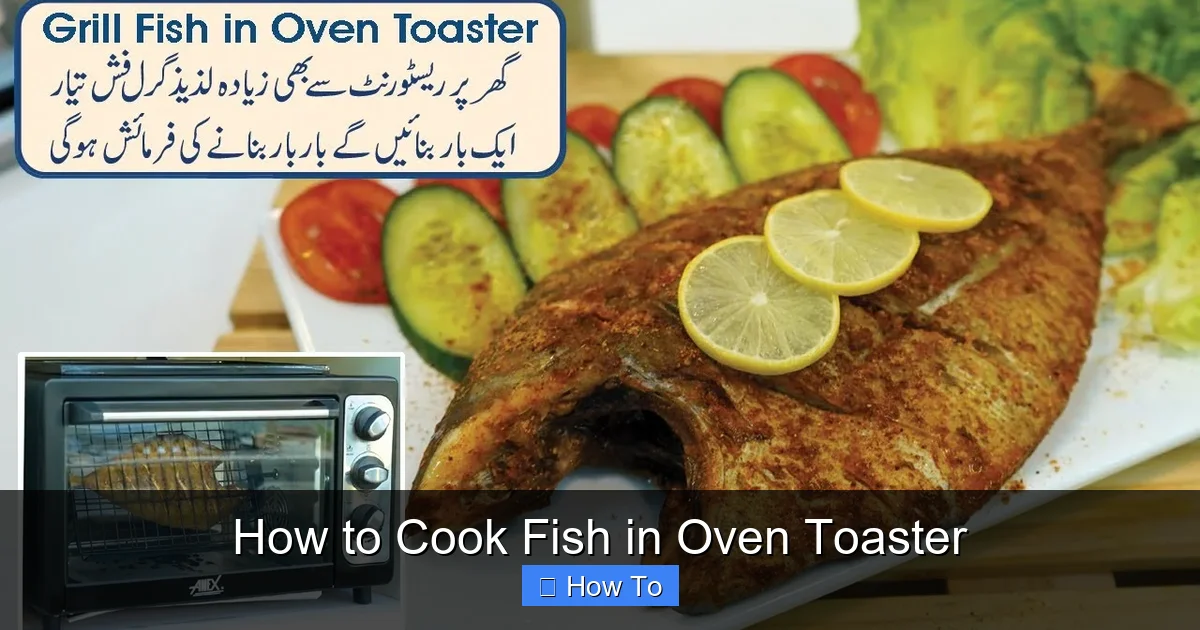
Visual guide about How to Cook Fish in Oven Toaster
Image source: i.ytimg.com
Temperature and timing work together to determine your fish’s final quality. For most fish varieties, 400°F provides the ideal balance between cooking speed and texture development. This temperature creates a nice sear on the outside while ensuring the interior reaches a safe temperature without overcooking.
Thin fillets, typically under half an inch thick, usually require 8-10 minutes at 400°F. Medium thickness fillets between half an inch and one inch need 12-15 minutes. Thicker cuts over one inch may need 18-20 minutes or longer, and you might benefit from reducing heat to 375°F for the final portion to prevent burning the exterior while the center finishes cooking.
The most reliable method for determining doneness is using an instant-read meat thermometer. Fish is safely cooked when it reaches an internal temperature of 145°F at the thickest point. At this temperature, the flesh should appear opaque and flake easily when tested with a fork. If you prefer your fish slightly more well-done, cook to 150-155°F.
Signs Your Fish Is Done
Beyond temperature, visual and tactile cues help you recognize perfectly cooked fish. The flesh should turn completely opaque, losing any translucent or raw appearance. When you insert a fork at the thickest part and twist gently, the fish should flake apart easily along the natural grain of the muscle fibers.
Watch for the edges to start turning slightly golden brown. The surface should feel firm to the touch with a slight spring back. If the fish feels mushy or collapses when you touch it, it likely needs more time. Conversely, if it looks extremely dry or the flesh separates into dry chunks, you’ve likely overcooked it.
Many oven toasters have a “fish” or “seafood” preset function that automatically sets the appropriate temperature and time. While these presets can be helpful starting points, always verify with a thermometer since every appliance varies slightly. Trust your senses and the thermometer rather than blindly following preset times.
Common Mistakes to Avoid
Even experienced cooks make mistakes when trying new cooking methods. One of the most common errors is overcrowding the oven toaster basket or tray. Fish needs adequate airflow around each piece to cook evenly and develop proper browning. If cooking multiple fillets, arrange them in a single layer with space between each piece.
Neglecting to preheat is another frequent mistake that leads to uneven cooking. Your oven toaster needs those 5-10 minutes to reach the desired temperature before you add your fish. Placing fish in a cold appliance results in longer cooking times and potentially rubbery texture since the fish sits in a lukewarm environment longer.
Failing to flip halfway through cooking causes one-sided browning at best and uneven cooking at worst. About midway through your expected cooking time, carefully flip your fish using a wide spatula. This ensures both sides develop color and that heat penetrates evenly from all directions. For delicate fillets, you can skip flipping and instead rotate the tray 180 degrees.
Overshooting the cooking time by just a couple minutes can transform perfectly tender fish into dry, tough disappointment. Fish continues cooking for a minute or two after removal due to residual heat, a process called carryover cooking. Factor this in and remove your fish when it’s slightly underdone – you can always return it for more time, but you cannot fix overcooked fish.
Preventing Fish Odors
Fishy odors in your kitchen discourage many people from cooking fish at home. To minimize lingering smells, cook fish when you can ventilate your kitchen by opening windows or turning on the exhaust fan. Placing a small bowl of white vinegar inside the oven toaster while it preheats helps absorb and neutralize odors.
After cooking, remove the fish promptly and store leftovers in airtight containers. Clean the oven toaster interior with a mixture of water and baking soda, which neutralizes fish odors naturally. For more odor control tips, our guide on what to cook in an oven toaster includes maintenance advice for keeping your appliance fresh.
Serving and Enjoying Your Oven Toaster Fish
Rest your fish for 2-3 minutes after removing it from the oven toaster before serving. This brief rest allows the juices to redistribute throughout the flesh, resulting in a moister, more flavorful bite. Skipping this step causes juices to run out when you cut into the fish, leaving you with a drier final product.
Pair your perfectly cooked fish with complementary sides that round out the meal. Roasted vegetables, rice pilaf, or a fresh salad create well-balanced plates that satisfy without overwhelming. A squeeze of fresh lemon over the top brightens the flavors and adds a pop of color that makes the dish more appetizing.
Leftover fish stores well in the refrigerator for up to three days in an airtight container. Reheat gently in your oven toaster at 300°F for 5-8 minutes, or until warmed through. Avoid microwaving fish, as this tends to make the flesh rubbery and unevenly heated. Properly stored and reheated fish maintains its quality surprisingly well.
Delicious Seasoning Combinations
Expand your fish cooking repertoire by trying different seasoning blends. A Mediterranean-style combination of lemon, garlic, oregano, and olive oil works beautifully with white fish. For something with Asian-inspired flavors, try ginger, soy sauce, sesame oil, and green onions. Cajun or blackened seasoning adds bold, spicy character to salmon or tuna.
Experiment with compound butters – softened butter mixed with herbs, lemon zest, or other flavorings – placed on top of fish during the last minute of cooking. The butter melts and bastes the fish while creating a rich, luxurious sauce. This simple technique elevates even basic fish into restaurant-quality meals.
Practice makes perfect when cooking fish in your oven toaster. Each variety behaves slightly differently, and your specific appliance may run hotter or cooler than average. Keep notes on what works best for your favorite fish and seasonings, and soon you’ll have foolproof methods that produce delicious results every single time.
Conclusion
Cooking fish in an oven toaster opens up a world of quick, healthy meal possibilities that many home cooks overlook. This versatile appliance handles fish beautifully, delivering evenly cooked, moist, and flavorful results with minimal effort. By selecting the right fish, preparing it properly, and following the temperature guidelines outlined above, you’ll achieve professional-quality fish dishes in your own kitchen.
The convenience cannot be beaten – no complicated equipment, no extensive prep work, and cleanup takes just minutes. Whether you’re cooking fresh salmon, white fish fillets, or frozen fish sticks, your oven toaster proves itself as an invaluable tool for weeknight dinners. The energy efficiency and speed make it superior to heating a full-sized oven for smaller portions.
Don’t be afraid to experiment with different seasonings, marinades, and fish varieties. Each cooking session teaches you something new about your appliance and your personal preferences. Soon enough, oven toaster fish will become a regular part of your meal rotation, delighting your family with delicious, nutritious dinners that come together in under 20 minutes.
Frequently Asked Questions
What temperature should I set my oven toaster for cooking fish?
Set your oven toaster to 400°F for most fish varieties. This temperature provides the perfect balance between cooking speed and achieving a nice golden exterior. Adjust down to 375°F for thicker cuts that need longer cooking times to prevent burning the outside while the center finishes cooking.
How long does it take to cook fish in an oven toaster?
Cooking time depends on fish thickness. Thin fillets under half an inch take 8-10 minutes, medium fillets need 12-15 minutes, and thick cuts over one inch may require 18-20 minutes. Always verify doneness with an instant-read thermometer showing 145°F internal temperature.
Do I need to flip fish while cooking in an oven toaster?
Yes, flipping your fish halfway through cooking ensures even browning and consistent texture on both sides. Use a wide spatula to carefully turn the fillet about midway through the expected cooking time. If you prefer to avoid flipping, rotate the tray 180 degrees instead.
Can I cook frozen fish fillets directly in my oven toaster?
Absolutely. You can cook frozen fish fillets directly without thawing. Simply add 5-8 extra minutes to the cooking time and ensure the internal temperature reaches 145°F before serving. Many frozen breaded fish products are specifically designed for oven cooking this way.
How do I prevent fish from sticking to my oven toaster?
Lightly oil both the fish and the oven toaster rack or tray before cooking. You can also line the tray with aluminum foil or parchment paper. Pat the fish completely dry before seasoning, as excess moisture promotes sticking and prevents proper browning.
What types of fish work best for oven toaster cooking?
Salmon, cod, tilapia, halibut, and mahi-mahi all cook excellently in an oven toaster. Firm, thick fillets perform best because they withstand direct heat without falling apart. Delicate fish can work too but require shorter cooking times and careful monitoring to avoid drying out.