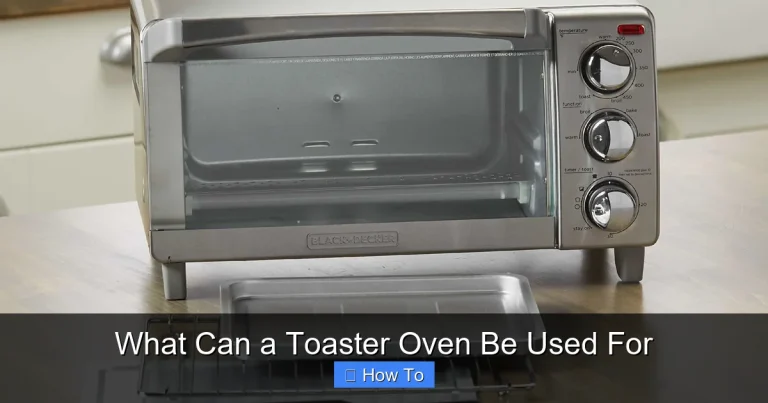
Can You Use Easy Off on Toaster Oven
Using Easy Off on a toaster oven can be effective but risky if not done correctly. This guide walks you through safety checks, proper application, and safer alternatives to keep your appliance clean and functional.
Key Takeaways
- Point 1: Easy Off is a strong oven cleaner that can damage toaster oven parts if left on too long.
- Point 2: Proper preparation and ventilation are essential before applying any cleaner.
- Point 3: A step‑by‑step process ensures you remove grease without harming the heating elements.
- Point 4: Always test a small area first and follow the manufacturer’s guidelines.
- Point 5: Alternative cleaners like baking soda or vinegar can be gentler for delicate toaster ovens.
- Point 6: Regular light cleaning prevents the need for harsh chemicals like Easy Off.
- Point 7: If you’re unsure, consult a professional or refer to resources such as Can I Use Oven Cleaner On Air Fryer for similar guidance.
📑 Table of Contents
Introduction
When you think about deep cleaning a kitchen appliance, the first name that pops up is often Easy Off. It’s a brand many homeowners trust for removing stubborn grease and baked‑on food from conventional ovens. But what about a toaster oven? You might wonder, “Can I use Easy Off on a toaster oven?” The short answer is yes, but only if you follow the right steps. In this article we’ll explore why Easy Off works, the risks it carries, and how to apply it safely. We’ll also look at alternative cleaning methods that may be gentler on your appliance. By the end, you’ll have a clear plan for keeping your toaster oven sparkling without causing damage.
Why People Ask This Question
Toaster ovens are popular because they are compact, energy‑efficient, and versatile. Many people use them for baking, roasting, and even broiling. Over time, the interior can collect grease, food crumbs, and burnt residue. When the buildup becomes noticeable, the natural instinct is to reach for a powerful cleaner. Easy Off is widely advertised as a “heavy‑duty” solution, so it seems like the logical choice. However, toaster ovens have different materials and heating components compared to full‑size ovens. This difference means that a one‑size‑fits‑all approach can be problematic. Understanding these nuances helps you decide whether Easy Off is the right tool for the job.
Common Concerns and Misconceptions
Many users worry that using a harsh chemical on a small appliance could void warranties or cause rust. Others fear that the fumes might be too strong for a kitchen that isn’t well‑ventilated. There’s also the misconception that “if it works on a regular oven, it must work on a toaster oven.” In reality, the plastic parts, stainless steel trays, and heating elements in a toaster oven can react differently to strong chemicals. This article will clear up those myths and give you a realistic view of what to expect when you apply Easy Off to a toaster oven.
What Is Easy Off?
Easy Off is a liquid oven cleaner that contains sodium hydroxide (lye) and other surfactants. The chemical composition makes it excellent at breaking down carbon, grease, and protein-based stains. It’s marketed as a “no‑scrub” solution, meaning you can spray it on, let it sit, and then wipe away the mess. The product comes in a convenient bottle with a spray nozzle, and it promises results in as little as 10‑15 minutes. Because of its strength, manufacturers include safety warnings about skin contact, eye irritation, and the need for proper ventilation.
Product Overview
When you open an Easy Off bottle, you’ll notice a clear, somewhat viscous liquid. The label highlights “Fast‑Acting Formula” and “Heavy‑Duty Cleaning.” It is designed for use on stainless steel, enamel, and other smooth surfaces found in most ovens. The bottle also includes a built‑in spray trigger, which helps you apply an even coat without wasting product. The product is widely available in supermarkets, home improvement stores, and online marketplaces, making it a convenient choice for many households.
How It Works Chemically
Easy Off works by using sodium hydroxide to hydrolyze fat molecules. In simple terms, the lye reacts with oils and greases, turning them into soap-like compounds that can be easily rinsed away. The chemical reaction also helps dissolve burnt food residues that have bonded to the oven walls. Because the reaction is exothermic, you may feel a slight warmth when the cleaner contacts the surface. This is normal and indicates the chemical activity is happening. However, the same reaction can be harsh on plastics and certain metals, which is why caution is needed when applying it to a toaster oven.
Is It Safe for Toaster Ovens?
The safety of Easy Off on a toaster oven depends on several factors: the type of materials used in the appliance, the duration of exposure, and how thoroughly you rinse the cleaner afterward. Most modern toaster ovens have interior surfaces made of stainless steel or enamel-coated steel. These materials can tolerate a brief exposure to Easy Off without immediate damage. However, many models also include plastic knobs, handles, and sometimes a removable rack with plastic components. These plastics can become brittle or warped if they come into direct contact with the chemical for an extended period.

Visual guide about Can You Use Easy Off on Toaster Oven
Image source: industrystandarddesign.com
Material Compatibility
When you spray Easy Off onto the interior of a toaster oven, the chemical will primarily contact the metal surfaces first. If you are careful not to spray the plastic parts, the risk is minimal. Many manufacturers advise against using any oven cleaner on the heating elements or the thermostat area. The heating elements are typically made of nichrome wire covered with a thin ceramic coating. Direct exposure to strong chemicals can degrade this coating, reducing the efficiency of the appliance. Therefore, it’s best to avoid spraying the cleaner near the heating coils, the fan, and any electronic controls.
Potential Risks
Even if you avoid the plastic parts, there are still risks. The fumes from Easy Off can be strong and may cause irritation if you don’t have adequate ventilation. In a small kitchen, these fumes can linger and affect breathing, especially for people with asthma or other respiratory conditions. Additionally, if you let the cleaner sit longer than recommended (usually 10‑15 minutes), the chemicals can eat away at the protective coating on the metal, leading to corrosion over time. Finally, any runoff that drips onto the exterior of the toaster oven can cause staining or discoloration. All of these risks can be mitigated with proper preparation, careful application, and thorough rinsing.
Step‑by‑Step Cleaning Guide
Now that we understand the basics, let’s walk through a practical cleaning routine. This guide assumes you have a standard toaster oven with removable racks and a stainless‑steel interior. Follow each step carefully, and you’ll minimize risk while achieving a spotless result.
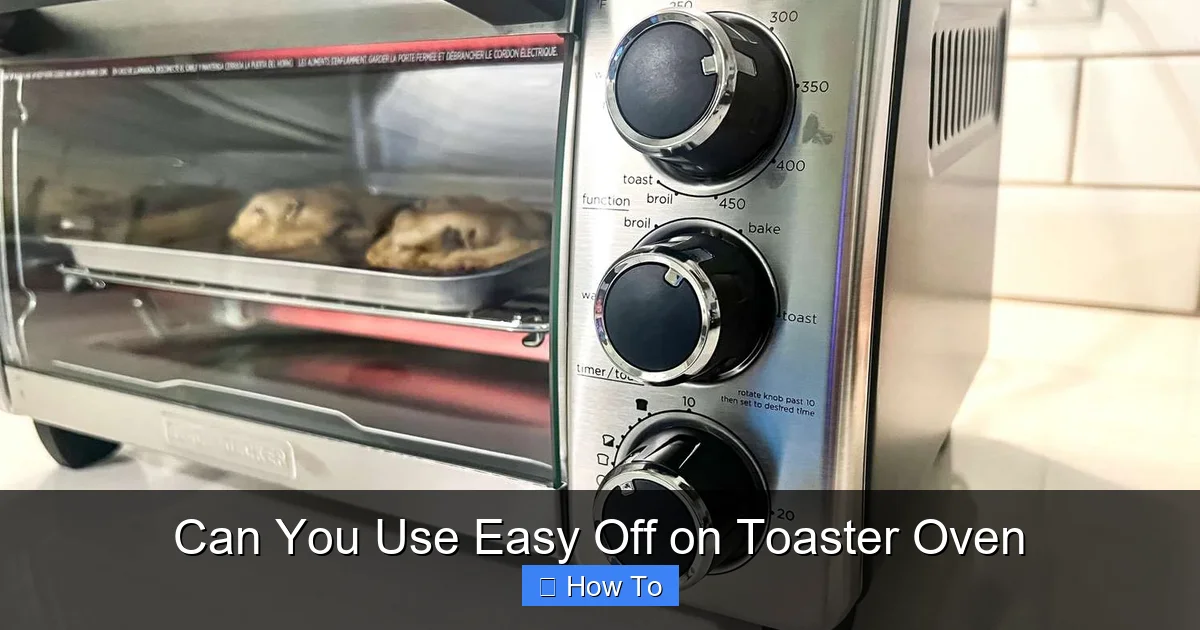
Visual guide about Can You Use Easy Off on Toaster Oven
Image source: allrecipes.com
Preparation
Before you do anything, gather your supplies. You’ll need Easy Off, a spray bottle (if you don’t want to use the original one), rubber gloves, safety glasses, a soft cloth or sponge, a bucket of warm water, and a towel for drying. Open a window or turn on an exhaust fan to ensure good airflow. Remove the racks, crumb tray, and any removable parts from the toaster oven. Place these items in a sink or bucket to clean later. This step also gives you a clear view of the interior surfaces you need to treat.
Applying Easy Off
Shake the Easy Off bottle gently to mix the contents. Then, spray a light, even coat on the interior walls, ceiling, and door glass. Aim to cover the surface without soaking it. Be sure to avoid the heating elements, the fan, and any plastic components. If you accidentally spray a plastic part, wipe it off immediately with a damp cloth. The goal is to let the cleaner sit on the metal surfaces only. For best results, aim for a uniform mist that dries to a thin film.
Waiting Period
After spraying, close the door and let the Easy Off sit for the time recommended on the label—usually 10‑15 minutes. During this period, the chemical will start breaking down grease and burnt food. You may notice a slight bubbling or fizzing on the surface, which is a sign the reaction is happening. If you have a timer, set it to remind you when to return. Do not exceed the recommended time, as prolonged exposure can damage the metal coating.
Removing Residue
Once the waiting period is over, open the door and ventilate the area further. Use a soft cloth or sponge to gently wipe the interior. The grime should lift away easily, often without the need for scrubbing. For stubborn spots, you can give them a light scrub with a non‑abrasive pad. Rinse the cloth frequently in clean water to avoid spreading dirt back onto the surface. After wiping, spray a little water onto the interior and wipe again to remove any chemical residue. This rinse step is crucial to prevent any leftover lye from continuing to react with future cooking.
Final Touches
Once the interior is clean and free of residue, dry the surfaces with a clean towel. Ensure the door glass is streak‑free for optimal visibility. Re‑install the racks and any other removable parts, making sure they are securely in place. Turn the toaster oven on for a brief preheat (just a minute) to burn off any faint odors left by the cleaner. Then turn it off and let it cool. At this point, your toaster oven should be clean, safe, and ready for your next cooking adventure.
Tips and Precautions
Even with a step‑by‑step guide, there are always best practices that can make the process smoother and safer. Below are some additional tips to help you get the most out of Easy Off while protecting your appliance.
Safety First
Always wear protective gear. Rubber gloves protect your skin from chemical burns, and safety glasses shield your eyes from splashes. If you have any pre‑existing skin conditions or respiratory issues, consider using a mask rated for chemical fumes. Keep children and pets out of the cleaning area. Finally, never mix Easy Off with other cleaning agents, such as bleach or vinegar, as this can create hazardous gases.
Ventilation Matters
Open windows, turn on range hoods, or use a portable fan to create cross‑ventilation. The fumes from Easy Off can be irritating, and good airflow helps disperse them quickly. If you are cleaning in a small apartment without a hood, consider using a small air purifier or simply cleaning for a shorter period and taking breaks. The goal is to keep the air fresh and safe to breathe.
Avoid Certain Areas
Do not spray Easy Off directly onto the heating elements, the thermostat, or the fan motor. These components are sensitive and can be damaged by chemical exposure. If you accidentally get cleaner on these parts, wipe them off immediately with a damp cloth and dry them thoroughly. Also, avoid spraying the cleaner onto the control panel or any electronic buttons. Moisture can seep into the circuitry and cause malfunctions.
Cleaning Frequency
Rather than waiting for a heavy buildup, try to clean your toaster oven regularly. A quick wipe after each use can prevent the need for harsh chemicals. If you use Easy Off, limit its use to once every few months unless you have a particularly stubborn mess. Over‑use can shorten the lifespan of the interior coating and may cause discoloration over time.
Alternative Cleaning Methods
If you’re hesitant about using Easy Off, there are several alternative methods that can be just as effective for light to moderate buildup. These options are generally safer for the appliance and for your health. Below are three popular alternatives you can try.
Natural Solutions
A mixture of baking soda and water creates a gentle abrasive paste. Sprinkle baking soda onto a damp cloth and scrub the interior. The mild alkaline nature of baking soda helps break down grease without harming metal surfaces. For tougher spots, you can let the paste sit for 10‑15 minutes before wiping. Another natural option is white vinegar. Fill a spray bottle with equal parts vinegar and water, spray the interior, let it sit for a few minutes, then wipe clean. Vinegar’s acetic acid dissolves mineral deposits and light grease. Both methods are safe for plastic parts and do not produce strong fumes.
Commercial Alternatives
If you prefer a commercial product but want something milder than Easy Off, look for oven cleaners labeled as “non‑caustic” or “low‑pH.” These products often contain citrus solvents that are effective on grease but less likely to damage metal coatings. Brands such as Mr. Clean, Soft Scrub, or Bar Keepers Friend can be good choices. Always read the label to ensure the product is safe for the materials in your toaster oven. Perform a spot test on an inconspicuous area before applying it everywhere.
When to Call a Professional
There are times when DIY cleaning simply isn’t enough. If you notice persistent burnt odors, visible corrosion on the metal, or if the appliance’s performance starts to decline (uneven heating, strange noises), it may be time to seek professional help. A qualified appliance repair technician can safely disassemble the unit, clean the heating elements, and replace any damaged parts. Additionally, if you are unsure about the safety of using any chemical cleaner, consulting a professional is the safest route. For similar guidance on cleaning other small appliances, you might find resources such as Can Oven Cleaner Be Used On Air Fryer helpful.
Conclusion
Using Easy Off on a toaster oven is possible, but it requires careful planning and execution. By understanding the product, checking material compatibility, and following a step‑by‑step cleaning routine, you can safely remove stubborn grease and food residue without harming your appliance. Remember to prioritize safety, ensure proper ventilation, and avoid spraying plastic or electronic components. If you prefer a gentler approach, natural solutions or milder commercial cleaners are viable alternatives. Regular maintenance and prompt cleaning will reduce the need for harsh chemicals and extend the life of your toaster oven. With the knowledge and tips provided in this article, you can confidently keep your kitchen appliance clean and ready for your next tasty creation.
Frequently Asked Questions
Can I use Easy Off on a toaster oven without damaging it?
Yes, you can use Easy Off on a toaster oven, but you must avoid spraying plastic parts, heating elements, and the control panel. Follow the manufacturer’s instructions, limit exposure time, and rinse thoroughly to prevent damage.
How long should Easy Off sit on the interior of a toaster oven?
Typically, Easy Off should sit for 10‑15 minutes. Do not exceed the recommended time, as prolonged exposure can corrode metal surfaces and harm plastic components.
What safety gear do I need when using Easy Off on a toaster oven?
You should wear rubber gloves, safety glasses, and a mask if you have respiratory sensitivities. Ensure the area is well‑ventilated by opening windows or using an exhaust fan.
Is it necessary to rinse the toaster oven after using Easy Off?
Yes, rinsing is crucial. After wiping away the residue, spray a little water and wipe again to remove any chemical leftovers. This prevents the lye from reacting with future food residues.
What should I do if Easy Off splashes on the plastic parts of my toaster oven?
If Easy Off contacts plastic, wipe it off immediately with a damp cloth. Do not let the chemical sit, as it can cause warping or brittleness. Rinse the plastic thoroughly and dry it before reassembling the appliance.
Can I use alternative cleaners instead of Easy Off on my toaster oven?
Absolutely. Natural options like baking soda paste or a vinegar‑water spray are safe for most toaster oven interiors. Milder commercial cleaners labeled “non‑caustic” also work well for light to moderate buildup.