Can You Put Plates in the Toaster Oven
If you’re wondering whether you can put plates in the toaster oven, the short answer is yes—but only if the plates are made from toaster‑safe materials like ceramic, glass, or certain plastics. Always check the manufacturer’s guidelines, keep proper spacing, and monitor cooking closely to avoid warping or fire hazards.
When you first think about cooking, the image that often pops up is a hot stove, a roaring oven, or a bubbling pot on the stovetop. But many home cooks overlook a versatile, space‑saving appliance that sits on their counter: the toaster oven. It’s perfect for reheating leftovers, baking a quick batch of cookies, or even roasting a small chicken. One question that keeps cropping up in kitchens everywhere is, “Can you put plates in the toaster oven?” The answer isn’t a simple yes or no; it depends on the type of plate, the model of your toaster oven, and a few safety habits you can adopt.
In this guide, we’ll walk you through everything you need to know about using plates inside a toaster oven. We’ll break down which materials are safe, how to prepare your plates, what you can cook while they’re inside, and the best practices for monitoring and cleaning. By the end, you’ll feel confident tossing that ceramic plate into the toaster oven for a quick baked casserole or a golden‑brown pizza, all while keeping your kitchen safe and your appliances happy.
Before we dive in, a quick tip: always refer to both the plate’s care label and your toaster oven’s manual. Some plates are labeled “microwave‑safe” but not “oven‑safe,” and some toaster ovens have limited clearance that won’t accommodate larger dishes. With that said, let’s explore the ins and outs of putting plates in the toaster oven.
Key Takeaways
- Check Material Compatibility: Only use plates made from ceramic, glass, or toaster‑safe plastics; metal plates can cause sparks or damage.
- Clean and Dry Plates: Remove food residue and ensure plates are completely dry before placing them in the toaster oven to prevent smoke.
- Maintain Proper Spacing: Leave at least a ½‑inch gap between plates and around the interior walls for even air circulation.
- Monitor Cooking: Start with lower power settings and check frequently; adjust time as needed to avoid overcooking.
- Clean Safely After Use: Let the oven cool, then wipe interior with a non‑abrasive sponge; avoid sudden temperature changes.
- Use Oven‑Safe Accessories: Consider using a baking sheet or rack to catch drips and make cleanup easier.
- Refer to Manufacturer Guidelines: Always follow the plate’s care instructions and the toaster oven’s manual for optimal safety.
📑 Table of Contents
Understanding Your Toaster Oven
Not all toaster ovens are created equal. While the basic concept is the same—compact, convection‑style heating—you’ll find variations in power, interior dimensions, and safety features. Knowing what you have helps you decide whether putting plates inside is feasible.
Power Levels and Cooking Times
Most countertop toaster ovens range from 1,200 to 1,500 watts. Higher wattage means faster heating, but it also means the interior can get hotter more quickly. If you’re planning to bake something that needs a steady 350°F (177°C), a 1,200‑watt model might take a few extra minutes to reach temperature. Conversely, a 1,500‑watt oven may overshoot if you’re just reheating a plate of soup.
When you put plates in the toaster oven, the heat distribution changes slightly. The plate itself can act as a heat sink, absorbing some of the radiated energy and helping to stabilize the temperature around it. This is especially useful for delicate tasks like melting cheese on a sandwich—place the sandwich on a plate, and the plate helps keep the cheese from burning too fast.
Safety Features You Should Know
Modern toaster ovens often include safety features like automatic shutoff, cool‑touch handles, and temperature probes. Some even have a “stay‑cold” exterior, which is a lifesaver when you’re reaching in with a dish towel after a quick bake.
Before you place any plate inside, make sure the oven’s interior is clean. Food debris can ignite at high temperatures, creating a fire hazard. Also, check that the door latch engages fully; a misaligned door can cause the heating elements to stay on, which is dangerous when you have a plate inside.
If your toaster oven has a convection fan, it circulates hot air. This can cause plates to spin slightly, which is fine as long as the plate is stable. Avoid placing tall or irregularly shaped plates near the fan, as they might block airflow and affect cooking uniformity.
Types of Plates Safe for Toaster Oven
Not every plate is created equal, and that’s especially true when it comes to heat. Let’s break down the most common plate materials and whether they’re safe for use in a toaster oven.
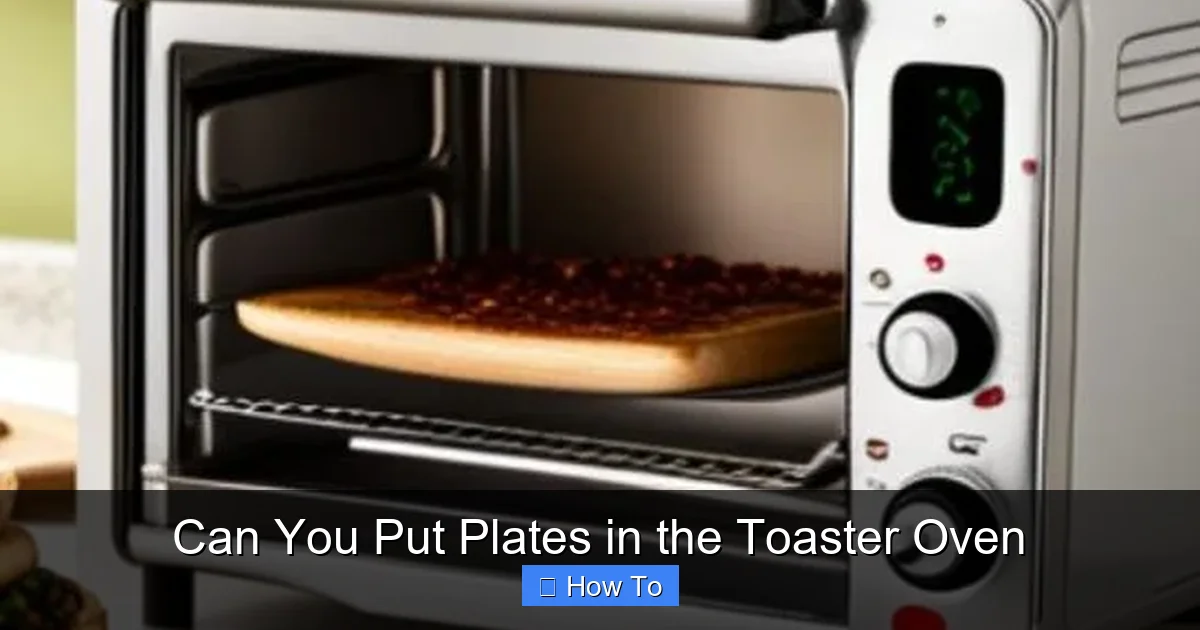
Visual guide about Can You Put Plates in the Toaster Oven
Image source: sarahscoopeats.com
Ceramic and Glass Plates
Ceramic and glass plates are the most popular choices for oven cooking. They’re sturdy, retain heat well, and can handle temperatures up to about 500°F (260°C). Many ceramic plates are labeled “oven‑safe,” which means they’re designed to go from refrigerator to oven without cracking.
If you’re wondering “Can you put plates in the toaster oven?” and you have a ceramic plate, the answer is usually yes—provided the plate fits comfortably inside. For example, a standard 10‑inch dinner plate fits nicely in most toaster ovens, leaving room for air to circulate.
Glass plates, especially those made from borosilicate glass (think Pyrex), are even more temperature‑resistant. They won’t chip easily and won’t warp under moderate heat. When you put plates made of borosilicate in the toaster oven, you’ll notice a more even heat distribution because the glass conducts heat uniformly.
Learn more about using glass dishes in high‑heat appliances to ensure you’re following best practices.
Melamine and Plastic Plates
Melamine and certain heat‑resistant plastics are marketed as “microwave‑safe” and sometimes “oven‑safe.” However, the reality is more nuanced. Most melamine plates can handle temperatures up to about 200°F (93°C). If you try to put plates made from melamine in a toaster oven set above that temperature, the plastic can soften, warp, or even release harmful fumes.
If you’re set on using plastic plates, look for labels that explicitly say “oven‑safe” or “heat‑resistant up to 500°F.” These are typically made from polycarbonate or other high‑temperature plastics. Even then, it’s wise to test a small corner of the plate first, or place it on a lower rack and monitor the cooking process.
Remember, plastic plates can melt and cause smoke, which may trigger your toaster oven’s smoke alarm. If that happens, turn off the oven immediately and ventilate the area.
Metal Plates and Aluminum
Metal plates, especially those made from aluminum, conduct heat extremely well. While they can survive high temperatures, they also pose a risk in a toaster oven. Aluminum plates can create hot spots that may damage the heating elements or cause sparks if they touch the oven’s metal parts.
If you’re using a metal plate, make sure it’s coated with a non‑stick surface and that it’s specifically labeled as “oven‑safe.” Even then, you might want to place the metal plate on a rack or a baking sheet to prevent direct contact with the oven’s interior.
Many home cooks ask, “Can you put plates in the toaster oven?” and the answer for metal plates is often a cautious “only if you’re experienced and know the limits of your appliance.” For most everyday cooking, stick with ceramic, glass, or high‑temperature plastics.
Check out guidelines for using aluminum pans in similar appliances to avoid potential hazards.
How to Prepare Plates for the Toaster Oven
Even the safest plates can cause problems if you don’t prepare them correctly. A few simple steps can make the difference between a perfectly cooked meal and a smoky kitchen.
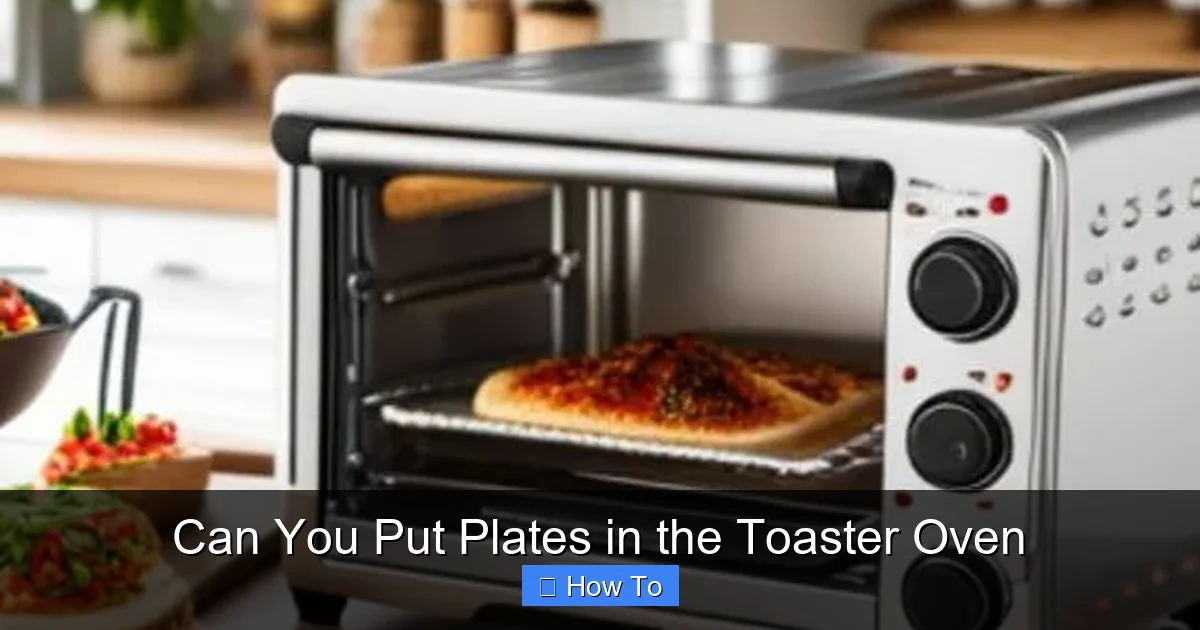
Visual guide about Can You Put Plates in the Toaster Oven
Image source: sarahscoopeats.com
Cleaning and Drying
Before you put plates in the toaster oven, give them a thorough cleaning. Food particles can burn at high temperatures, creating smoke and potentially triggering the oven’s safety sensors. Use warm, soapy water and a non‑abrasive sponge. For stubborn residue, a mixture of baking soda and water can work wonders.
After washing, dry the plates completely. Moisture trapped inside the plate can turn to steam when exposed to heat, leading to cracks in ceramic or glass. A quick wipe with a clean towel or letting them air‑dry on a rack will ensure they’re moisture‑free.
Positioning and Spacing
Placement matters when you put plates in the toaster oven. You want enough room for air to circulate around the plate, which ensures even cooking and prevents overheating.
Leave at least a ½‑inch gap between the plate and the oven’s walls. If you’re stacking plates (which is generally not recommended unless they’re specifically designed for that purpose), ensure there’s at least 1 inch of clearance on all sides. Use the oven’s rack system to elevate plates, which also helps any drips fall onto the rack or a baking sheet placed below.
If you’re cooking something that produces a lot of steam—like a casserole—consider placing a small baking sheet or a silicone mat on the lower rack to catch any condensation. This also protects the toaster oven’s interior from moisture damage.
What You Can Cook in a Toaster Oven With Plates
Once you’ve confirmed your plates are safe and properly prepared, the fun begins. The toaster oven can handle a wide range of dishes, and using plates can make cleanup easier or even improve the cooking results.
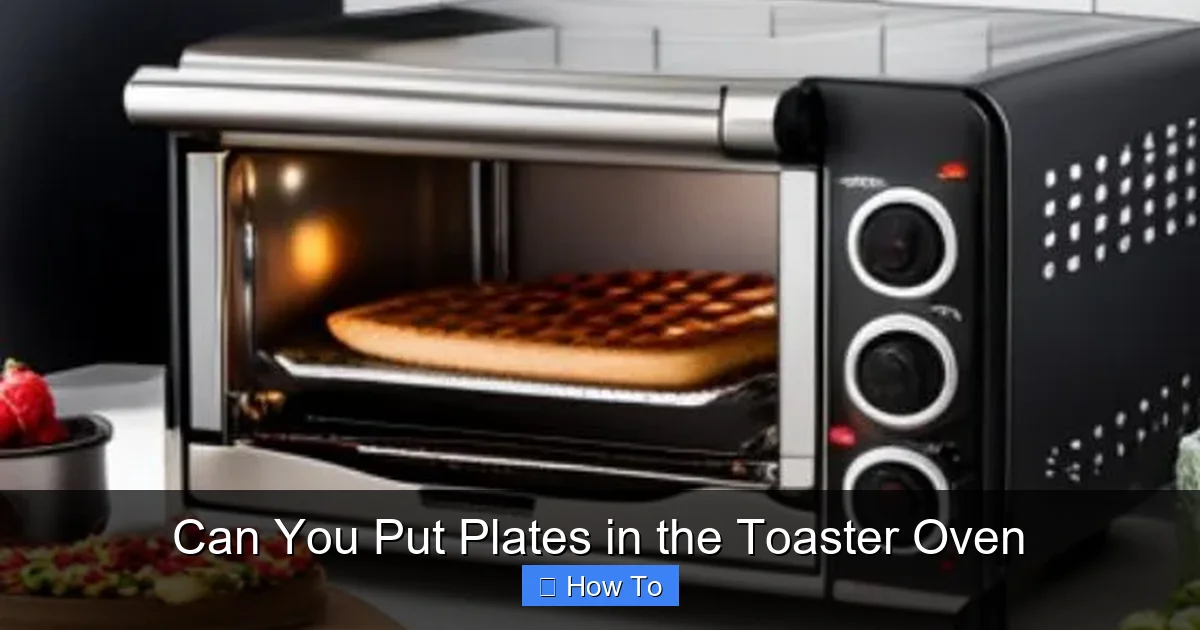
Visual guide about Can You Put Plates in the Toaster Oven
Image source: sarahscoopeats.com
Quick Meals
If you’re short on time, the toaster oven excels at reheating. Place a plate of leftover pizza, lasagna, or roasted vegetables inside and heat for 5‑10 minutes at 375°F (190°C). The convection heat will crisp the edges while keeping the center warm. For a quick breakfast, put a plate of scrambled eggs or an omelet inside; the plate helps retain heat, so the eggs stay fluffy.
When you put plates in the toaster oven for quick meals, remember to use lower power settings if the dish is delicate. For example, reheating soup works best when the plate is placed on a rack, allowing steam to escape rather than building up pressure.
Baking and Roasting
The toaster oven is also a great mini‑oven for baking small batches. Want a crisp, golden crust on a homemade pizza? Place the pizza on a ceramic plate, slide it onto the middle rack, and bake at 450°F (232°C) for 8‑12 minutes. The plate distributes heat evenly, giving you a perfectly bubbly pizza without the risk of burning the dough.
Roasting vegetables works similarly well. Toss your veggies with olive oil, salt, and herbs, then spread them on a plate. Because the toaster oven heats up quickly, you’ll get tender, caramelized veggies in about 15‑20 minutes, compared to the 30‑plus minutes it might take in a full‑size oven.
Even baked goods like cookies can shine in a toaster oven. The compact space means the cookies bake more uniformly, and the plate can help maintain a consistent temperature across the batch. Just keep an eye on them; the smaller oven can go from golden to burnt in a minute.
Tips for Safe and Successful Cooking
Even with the right plates and proper preparation, safety should always be your top priority. Here are some practical tips to keep your toaster oven experience smooth and accident‑free.
Monitoring and Adjusting
Never walk away when you have plates inside a hot toaster oven. Set a timer for the first few times you try something new. If you hear a sudden increase in noise or smell something burning, turn off the oven immediately and let it cool for at least 15 minutes before opening the door.
Adjust the power level or cooking time based on how the food is responding. If you’re baking a casserole and the top is browning too quickly, you can lower the temperature by 25°F or move the plate to a higher rack. Conversely, if the dish isn’t cooking through, you might need to extend the time by a few minutes.
Cleaning After Use
After the oven has cooled down, wipe the interior with a damp cloth. For stubborn spots, a mixture of water and mild dish soap works well. Avoid using abrasive scrubbers, as they can scratch the interior and affect heat distribution.
If you placed a baking sheet or mat under the plate to catch drips, remove it while the oven is still warm. The heat will help evaporate any remaining moisture, preventing mold or mildew buildup.
Finally, unplug the toaster oven if you’re storing it for an extended period. This prevents any accidental power draw and keeps the appliance safe.
Conclusion
So, can you put plates in the toaster oven? The answer is a resounding yes—as long as you choose the right materials, prepare them correctly, and follow safety guidelines. Ceramic and glass plates are generally the best choices, while melamine and certain heat‑resistant plastics can work with caution. Metal plates are possible but require extra care.
By understanding your toaster oven’s capabilities, selecting appropriate plates, and using the tips outlined above, you’ll be able to cook everything from quick reheated meals to fully baked casseroles with confidence. The toaster oven is more than just a reheating station; it’s a versatile tool that, when used properly, can handle many of the same dishes as a full‑size oven.
Remember, always refer to the manufacturer’s guidelines for both your plates and your appliance. With the right knowledge and a bit of practice, you’ll find that putting plates in the toaster oven opens up a world of convenient, efficient cooking right at your fingertips.
FAQs
Can I use any ceramic plate in a toaster oven?
Most ceramic plates labeled “oven‑safe” work fine, but always check the size fits inside your toaster oven’s interior. Smaller plates may not accommodate larger dishes, and larger plates could block airflow.
What happens if I put a plastic plate in a toaster oven set to 400°F?
Unless the plastic is specifically labeled oven‑safe up to at least 400°F, it can melt, warp, or release toxic fumes. Use only heat‑resistant plastics designed for high temperatures.
Do I need to use a rack when placing plates inside?
Using a rack helps with air circulation and catches any drips. It also prevents the plate from sitting directly on the oven’s bottom, which can cause scorching.
How long should I preheat the toaster oven before putting plates inside?
Most toaster ovens preheat to the set temperature within 5‑10 minutes. If you’re cooking something that requires precise temperature, let it fully preheat before adding the plates.
Is it safe to cook multiple plates at once?
It’s safe as long as there’s adequate spacing (at least ½‑inch) between plates and around the interior walls. Overcrowding can block airflow and lead to uneven cooking or overheating.
Frequently Asked Questions
What is Can You Put Plates In The Toaster Oven?
Can You Put Plates In The Toaster Oven is an important topic with many practical applications.