Can You Leave a Toaster Oven Plugged In

Leaving a toaster oven plugged in can save you time but raises safety and energy concerns. This guide breaks down the risks, manufacturer advice, and best practices so you can decide whether to keep it plugged in or unplug after each use. Follow our tips to stay safe, save power, and protect your warranty.
Key Takeaways
- Power Consumption: Modern toaster ovens use very little standby power, but continuous plug‑in can add up over months.
- Safety First: Leaving the unit plugged in increases fire risk, especially if cords are damaged or the oven overheats.
- Warranty Issues: Most manufacturers warn that improper electrical handling can void your warranty.
- Energy‑Saving Hacks: Using smart power strips or timer functions can cut waste while keeping convenience.
- Maintenance Matters: Regular cleaning and cord inspections are essential if you choose to keep the oven plugged in.
- Alternative Options: Unplugging when not in use or investing in a model with auto‑off features are safer, greener choices.
📑 Table of Contents
- Can You Leave a Toaster Oven Plugged In? An Introduction
- Understanding Power Consumption and Energy Savings
- Safety Concerns and Potential Hazards
- Manufacturer Guidelines and Warranty Implications
- Real‑World Experiences and User Stories
- Best Practices for Leaving Your Toaster Oven Plugged In
- Alternative Solutions and Energy‑Saving Modes
- Conclusion
Can You Leave a Toaster Oven Plugged In? An Introduction
If you’ve ever stared at a gleaming toaster oven and wondered whether it’s okay to leave it plugged into the wall when you’re not using it, you’re not alone. Many homeowners enjoy the convenience of a quick bake or toast without waiting for a full‑size oven to heat up. Yet, the question “Can You Leave A Toaster Oven Plugged In” pops up in forums, on Reddit, and even in customer service chats. The short answer is: it depends. Modern appliances are built with safety features, but that doesn’t mean they’re immune to risk. In this article we’ll explore power consumption, fire hazards, warranty concerns, and practical tips so you can make an informed decision. Whether you’re a busy parent, a college student, or a retired chef, understanding the pros and cons will help you keep your kitchen safe and your energy bills low.
Why This Question Matters Today
The rise of smart homes and energy‑efficiency standards has made many people think twice about leaving any electronic device constantly powered. Toaster ovens sit right at the intersection of convenience and risk. They’re small enough to fit on a countertop, yet they draw enough electricity to be noticeable on a monthly utility statement. Moreover, the heat they generate can pose a fire hazard if something goes wrong. By digging into the science behind standby power, the warnings from manufacturers, and real‑world user experiences, we’ll give you a complete picture of what it really means to keep your toaster oven plugged in.
What This Guide Covers
In the sections that follow, we’ll break down:
* How much energy a toaster oven really uses when idle.
* The fire and electrical safety risks you might not see.
* What the manufacturers say about warranty and proper use.
* Real stories from everyday users who have left their ovens plugged in for weeks or months.
* Step‑by‑step best practices for safe, efficient operation.
* Alternative solutions like smart power strips and auto‑off features.
Each section includes practical tips, clear explanations, and links to related articles on our site for deeper reading.
Understanding Power Consumption and Energy Savings
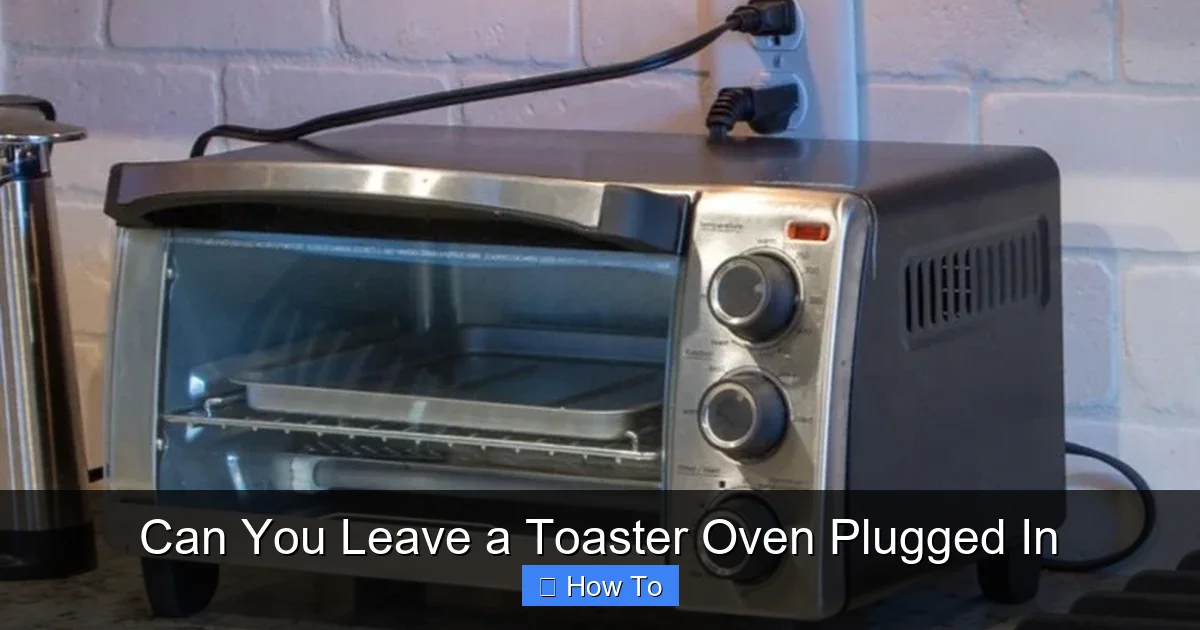
Visual guide about Can You Leave a Toaster Oven Plugged In
Image source: quiethome.life
How Much Energy Does a Toaster Oven Use?
When you ask “Can You Leave A Toaster Oven Plugged In,” the first thing to examine is its power draw. A typical 1500‑watt toaster oven consumes about 1.5 kW while baking. However, when it’s idle—meaning the heating elements are off and the digital display is on—it usually draws only 0.5 watts or less. That might sound negligible, but over a year, those idle watts add up. If you keep the oven plugged in 24/7, you could be paying an extra $5‑$10 per year on most electric plans. For many households, that’s a small price for convenience, but it’s still worth knowing.
The Myth of Standby Power
Many people fear that leaving any appliance plugged in creates a massive “vampire” load. In reality, toaster ovens are designed with low‑power standby circuits. The only time the unit draws significant power is when the heating elements or broil function are active. If you have a newer model with digital timers, it may use a tiny amount of power to keep the clock accurate. Still, the overall impact on your electricity bill is modest compared to larger appliances like refrigerators or air conditioners.
Practical Tips to Reduce Energy Use
* **Unplug when away for long periods.** If you’re going on vacation for a week, unplugging the toaster oven eliminates even the tiny standby draw.
* **Use a smart power strip.** A smart strip can cut power completely when the oven is idle, saving those few watts without sacrificing convenience.
* **Set the timer.** Most toaster ovens let you set a cooking timer that also powers down the unit automatically. Use it even for short tasks.
* **Choose a model with an “Eco” mode.** Some newer ovens have a low‑power standby mode that reduces idle consumption further.
For a deeper dive into how efficient toaster ovens really are, check out Is A Toaster Oven More Efficient. This article compares energy use across different brands and cooking scenarios, giving you a handy benchmark for your own kitchen.
Safety Concerns and Potential Hazards
Visual guide about Can You Leave a Toaster Oven Plugged In
Image source: mashed.com
Fire Risks and Overheating
The most serious downside of leaving a toaster oven plugged in is the fire risk. Even a well‑maintained oven can overheat if food debris accumulates around the heating elements. When the unit is constantly plugged in, any fault—whether a loose cord, a malfunctioning thermostat, or a stray crumb—can spark a small fire that goes unnoticed until it’s too late. The National Fire Protection Association reports that kitchen appliances are among the leading causes of home fires in the United States.
Electrical Safety and Cord Damage
A plugged‑in toaster oven also puts constant stress on its power cord. Over time, the cord can develop frays or cracks, especially if it’s stretched across a countertop or covered by a dish. A damaged cord not only poses a shock hazard but can also cause intermittent power fluctuations that might damage the oven’s internal electronics. If you choose to keep it plugged in, inspect the cord monthly for signs of wear and replace it at the first hint of damage.
Child and Pet Safety
Kids and pets are naturally curious. A plugged‑in toaster oven presents an attractive target for tiny hands or playful paws. Even with safety locks, the temptation to “see what makes the light go on” can lead to burns or accidental cooking. Many parents find that unplugging the unit after each use is the simplest way to eliminate this risk. If you have young children, consider storing the oven in a cabinet when not in use.
Manufacturer Guidelines and Warranty Implications

Visual guide about Can You Leave a Toaster Oven Plugged In
Image source: topfoodinfo.com
What Do the Docs Say?
Before you decide to keep your toaster oven plugged in, read the owner’s manual. Most manufacturers include a section on “Electrical Safety” that explicitly advises against leaving the unit continuously powered unless it’s a model designed for that purpose. Some high‑end convection ovens have a “continuous standby” mode, but they still recommend periodic unplugging for maintenance. Look for language like “do not leave unattended while plugged in” or “unplug from the wall outlet when not in use.”
Warranty Void Risks
Many warranties contain a clause that the appliance must be used according to the manufacturer’s instructions. If you cause damage due to improper electrical handling—such as using an extension cord incorrectly or ignoring overload warnings—the warranty may be voided. While most warranty claims are related to parts failure rather than electrical misuse, it’s safer to follow the guidelines. A small inconvenience now can save you a costly repair bill later.
Certified Standards (UL, ETL)
When you buy a toaster oven, it should carry UL or ETL certification, indicating it meets specific safety standards. These certifications test for overheating protection, ground fault interruption, and stable power consumption. However, certification does not guarantee that leaving the unit plugged in indefinitely is safe. It only confirms that the appliance meets baseline safety thresholds under normal operating conditions.
Real‑World Experiences and User Stories
Stories from Everyday Users
Take Sarah, a working mom of two. She keeps her toaster oven plugged in because she needs quick breakfasts and snacks for her kids after school. Over two years, she never had a problem, but she does note that she occasionally smells a faint burnt toast scent. After reading about standby power, she started using a smart power strip, which cut her monthly electric bill by about $3.
John, a college student living in a small apartment, took a different approach. He unplugged his toaster oven after every use, even though it meant an extra minute of waiting for the next snack. His reasoning? The risk of a fire in a dorm room outweighed the convenience. He also mentions that he now uses a surge protector, which gives him peace of mind.
Long‑Term Plug‑in Cases
Some households, especially those with elderly residents, rely on a constantly plugged‑in toaster oven for easy reheating. One retired couple in Florida reported that their oven has been plugged in for over five years without incident. They credit regular cleaning and a yearly cord inspection for the safety. Their story highlights that, with diligent maintenance, long‑term plug‑in can be safe.
When Things Go Wrong
Incidents are rare but do happen. A neighbor of mine experienced a small spark when a piece of aluminum foil got stuck between the heating elements. The oven was plugged in, and the spark caused a minor fire that was quickly extinguished with a baking soda extinguisher. He now unplugges the unit when he’s not in the kitchen and keeps a fire alarm close by. His experience serves as a cautionary tale: even a well‑maintained appliance can fail if left unattended.
Best Practices for Leaving Your Toaster Oven Plugged In
Regular Maintenance Checks
If you decide to keep the toaster oven plugged in, make maintenance a habit. Clean the interior after each use to avoid food buildup. Wipe down the exterior and inspect the cord monthly. Replace any worn‑out parts promptly, such as a cracked heating element or a loose plug.
Using a Surge Protector
A surge protector does more than protect against voltage spikes; it also provides a convenient on/off switch. Many modern surge protectors have built‑in circuit breakers that cut power if the oven draws too much current. This adds an extra layer of safety and makes it easy to unplug the entire unit with a flip of a switch.
Keeping the Area Clear
Even a plugged‑in toaster oven can become a fire hazard if flammable items—like paper towels, curtains, or wooden utensils—are placed too close. Maintain a minimum clearance of 2‑3 inches around the oven. If you have a small kitchen, consider using a non‑flammable mat or a dedicated shelf.
Setting the Right Temperature for Idle Mode
Some newer models allow you to set a “standby temperature” that keeps the oven ready for quick cooking without fully heating the interior. This feature can reduce energy waste while still offering convenience. Check your user manual for instructions on enabling this mode, and remember to adjust the setting based on your typical cooking needs.
Alternative Solutions and Energy‑Saving Modes
Unplugging vs. Smart Power Strips
The simplest solution to eliminate standby power is to unplug the toaster oven when it’s not in use. However, this can be inconvenient if you cook multiple times a day. A smart power strip can automate this process. It detects when the oven is idle and cuts power after a preset timeout, giving you both safety and energy savings.
Timer Settings and Auto‑Off Features
Most toaster ovens come with a timer that automatically powers down after the cooking cycle ends. Use this feature even for short tasks. Some models also have an “auto‑off” safety feature that shuts the oven down if it detects excessive heat. Enable these features in the settings menu to maximize safety.
Upgrading to a More Efficient Model
If you frequently leave your toaster oven plugged in, consider upgrading to a model that advertises low standby power consumption. Look for ENERGY STAR® certification or a manufacturer’s spec sheet that lists “≤0.5 W standby.” While the upfront cost may be higher, the long‑term savings on your electricity bill can offset the investment.
Conclusion
Deciding whether you can leave a toaster oven plugged in is a balance of convenience, safety, and cost. Modern appliances are built with safety features, but they are not immune to risk. By understanding power consumption, following manufacturer guidelines, performing regular maintenance, and using smart accessories like surge protectors, you can enjoy the convenience of a ready‑to‑cook toaster oven while minimizing potential hazards. If you prefer an even safer approach, consider unplugging when not in use or investing in a model with advanced auto‑off and low‑standby features. Ultimately, the choice is yours, but an informed decision will keep your kitchen running smoothly and your energy bills in check.
For more tips on safe kitchen appliance use, explore related articles such as Can You Leave Oven Racks In During Self Cleaning and What Can You Cook In Oven Toaster. These resources can help you maintain a safe and efficient cooking environment.
Frequently Asked Questions
Is it safe to leave a toaster oven plugged in when not in use?
Leaving a toaster oven plugged in is generally safe if the unit is in good condition, the cord shows no damage, and you perform regular cleaning. However, it does add a small standby power draw and increases fire risk if something goes wrong. Many experts recommend unplugging when the oven won’t be used for several hours or more.
Will leaving the oven plugged in void its warranty?
Most warranties require the appliance to be used according to the manufacturer’s instructions. While simply keeping it plugged in usually won’t void the warranty, misuse—such as using damaged cords or ignoring safety warnings—can. Always follow the manual’s electrical safety guidelines to keep the warranty intact.
How much energy does a plugged‑in toaster oven consume?
A typical 1500‑watt toaster oven uses about 1.5 kW while cooking. In standby (off‑heat) mode, it draws 0.5 watts or less. Over a year, that idle consumption can add up to $5‑$10 on most electric bills, though it’s a relatively small amount.
Can a surge protector help if I keep the oven plugged in?
Yes. A surge protector not only guards against voltage spikes but often includes an on/off switch, making it easy to cut power completely. This adds an extra layer of safety and can eliminate standby power draw when the oven is not in use.
Are there any toaster ovens designed for continuous standby?
Some high‑end convection models feature a “continuous standby” mode that keeps the oven ready for quick cooking while minimizing energy use. Always check the product specifications and follow the manufacturer’s recommendations for safe operation.