A Toaster Oven Is Plugged into an Outlet
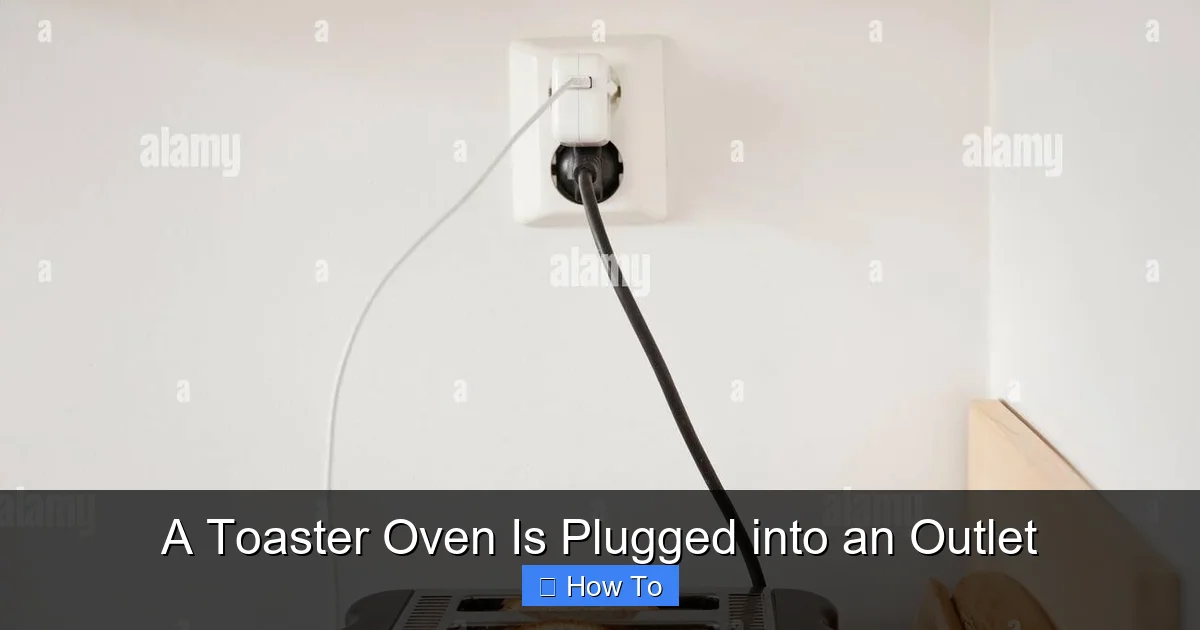
When you plug a toaster oven into an outlet, it’s more than just pushing a plug into a socket. You need to verify voltage, amperage, and circuit safety to prevent trips and ensure efficient cooking. By following simple steps, you can enjoy reliable performance while protecting your home and the appliance.
Key Takeaways
- Check Power Requirements: Always read the label for voltage and amperage before plugging in.
- Use Dedicated Circuits: A toaster oven should ideally share a circuit with no other large appliances.
- Protect with GFCI: Kitchens need GFCI outlets to guard against moisture and electrical faults.
- Avoid Extension Risks: Direct wall outlet connections are safest; limit use of extension cords.
- Test the Outlet: Use a multimeter or outlet tester to confirm proper wiring after plugging in.
- Maintain Regularly: Clean vents and check cords to keep performance high and safety top priority.
📑 Table of Contents
Understanding Your Toaster Oven’s Power Needs
Checking Voltage and Amperage
When you plug a toaster oven into an outlet, the first thing to know is the power it requires. Most countertop models run on 120‑volt household current. Look for the amperage rating on the back or side of the unit. Typical ranges are 8‑12 amps for standard models and up to 15 amps for larger, convection‑enabled ovens. Matching the outlet’s capacity to the oven’s draw prevents overloads and keeps the circuit safe.
Reading the Manufacturer’s Label
The label is your roadmap. It lists the operating voltage, wattage, and sometimes the frequency (60 Hz in North America). Some ovens also note “requires a dedicated 20‑amp circuit.” This is a strong hint that you should not share the outlet with a microwave, coffee maker, or toaster. If you can’t find the label, check the user manual or the manufacturer’s website. A clear label helps you avoid plugging a high‑draw appliance into a standard kitchen outlet designed for lower loads.
Why It Matters
Understanding power needs is not just about convenience; it’s about safety. An overloaded circuit can cause the breaker to trip, or worse, create a fire hazard. By verifying voltage and amperage before you plug a toaster oven into an outlet, you protect your home and extend the life of the appliance. It also ensures consistent cooking performance, as the oven will receive the exact energy it expects.
Choosing the Right Outlet
Dedicated Circuits
Many electricians recommend a dedicated circuit for any appliance that draws more than 8 amps. A dedicated circuit means the outlet serves only the toaster oven, reducing the chance of sharing power with other devices. If your kitchen’s wiring allows, ask an electrician to install a separate 20‑amp circuit. This is especially important in older homes where outlets may already be overloaded.

Visual guide about A Toaster Oven Is Plugged into an Outlet
Image source: c8.alamy.com
GFCI Protection
Kitchen outlets must have GFCI (Ground‑Fault Circuit Interrupter) protection. GFCIs sense stray current and cut power within milliseconds, preventing electric shock. When you plug a toaster oven into an outlet, the GFCI ensures that any accidental ground fault is quickly stopped. If the outlet you’re using does not have a GFCI, consider replacing it. This simple upgrade can save lives and meet most building codes.
Extension Cords and Power Strips
While it’s tempting to use a power strip to plug a toaster oven into an outlet, this practice can be risky. Power strips are not designed for high‑draw appliances and may overheat. If you must use an extension cord, choose a heavy‑gauge cord rated for the oven’s amperage. Even then, limit its length to reduce voltage drop. The safest approach is to plug directly into a wall outlet, ensuring a solid connection and stable power.
Plugging In Safely
Proper Plug Orientation
Always insert the plug with the correct orientation. The prongs on a standard North American plug are hot (black), neutral (white), and ground (green). If your oven uses a three‑prong plug, the ground is essential for safety. Align the plug with the outlet slots and push firmly until it clicks. Avoid wiggling or forcing the plug, as this can damage the contacts.
Avoiding Overload
Before you plug a toaster oven into an outlet, check what else is on the same circuit. If you have a coffee maker, microwave, or another high‑draw device running, the combined load may exceed the circuit’s rating. This can cause the breaker to trip repeatedly, which is not only inconvenient but also a sign of an overloaded circuit. Consider staggering usage or moving the oven to a dedicated outlet.
Testing the Outlet
After you plug the oven in, verify that the outlet is working correctly. A simple outlet tester can tell you if the hot, neutral, and ground wires are connected properly. If the tester shows an error, turn off the breaker, check the wiring, and correct any issues before using the oven. Some modern ovens have built‑in indicators that light up when power is present, but a tester provides a more reliable confirmation.
Common Problems and Solutions
Outlet Not Providing Power
If the oven does not start after you plug it into an outlet, the first step is to check the breaker. A tripped breaker will cut power to the entire circuit. Reset the breaker by turning it off and on again. If the breaker stays tripped, you may have a deeper wiring issue. In this case, it’s best to call a licensed electrician. Another common cause is a loose plug; ensure the plug is fully seated.

Visual guide about A Toaster Oven Is Plugged into an Outlet
Image source: c8.alamy.com
Tripping a Breaker
Repeated breaker trips indicate an overload. This can happen if you plug a toaster oven into an outlet that already powers a refrigerator or dishwasher. To solve the problem, relocate the oven to a different outlet or install a new dedicated circuit. You can also reduce the load by unplugging other devices while the oven is in use. Remember that a tripped breaker is a safety feature, not a normal operating condition.
Plug Loose or Fused
Sometimes the plug can become loose due to repeated insertion and removal. If the oven works intermittently, check the plug for wear. If you see a cracked or melted plug, stop using it immediately. Replace the plug or, better yet, replace the entire cord if damage is present. A secure plug ensures a continuous flow of electricity and prevents sudden shutdowns.
Energy Efficiency and Tips
Using the Right Settings
Energy efficiency starts with the settings you choose. Many modern toaster ovens have Eco or Low‑Heat modes that use less power while still cooking effectively. When you plug a toaster oven into an outlet, select the appropriate wattage setting for the task. For example, a small bake uses less energy than a full‑size roast. Matching the power level to the job saves electricity and reduces strain on the outlet.
Preheating Wisely
Preheating is useful, but don’t overdo it. Most recipes call for a preheat of 10‑15 minutes. Longer preheating wastes energy and heats the outlet unnecessarily. If you’re short on time, skip the preheat for certain items like pizzas or roasted vegetables. Many foods cook just as well without an extended preheat, and this practice also protects the outlet from continuous high draw.
Regular Maintenance
Keeping the oven clean helps it run efficiently. A clogged vent can cause the appliance to work harder, drawing more amps from the outlet. After each use, wipe down the interior and remove any food debris. Check the door seal for cracks; a poor seal makes the oven work longer and use more power. Regular maintenance not only improves performance but also safeguards the electrical connection.
When to Upgrade or Replace
Outdated Wiring
Older homes may have 12‑gauge wiring that isn’t suited for a 15‑amp toaster oven. If you notice dim lights or frequent breaker trips after you plug a toaster oven into an outlet, the wiring may be outdated. An electrician can inspect the circuit and upgrade it if needed. Modernizing the wiring ensures safe operation and prevents potential fire hazards.
Incompatible Outlets
Some outlets lack the proper grounding or are of the wrong type (e.g., a 3‑prong outlet for a 2‑prong plug). Using an adapter can be dangerous and may void safety standards. When you plug a toaster oven into an outlet, always match the plug type. If the outlet is incompatible, have it replaced with a correctly wired one. This simple fix protects the appliance and the user.
Investing in a New Appliance
Even with perfect wiring, an old toaster oven may be inefficient. Newer models often include better insulation, faster heating elements, and smarter controls. If your current oven draws excessive power or frequently trips breakers, it may be time for an upgrade. Look for Energy Star‑rated units that promise lower energy consumption while delivering the same cooking performance. Replacing an outdated unit can also free up outlet capacity for other kitchen gadgets.
Conclusion
Plugging a toaster oven into an outlet is a routine task, but it carries responsibilities. By checking voltage, using dedicated circuits, and ensuring GFCI protection, you create a safe environment for cooking. Proper plug orientation, avoiding overloads, and testing the outlet keep the appliance running smoothly. When problems arise, simple troubleshooting steps can resolve most issues. Energy‑wise choices and regular maintenance extend the life of the oven and protect your home’s electrical system. Finally, know when it’s time to upgrade to a newer, more efficient model. With these guidelines, you can confidently use your toaster oven, enjoy reliable performance, and maintain peace of mind in the kitchen.
Frequently Asked Questions
What should I check before plugging a toaster oven into an outlet?
First, read the label for voltage and amperage. Then make sure the outlet is on a dedicated circuit with GFCI protection. Finally, verify the plug type matches the outlet. These steps prevent overloads and ensure safe operation.
Can I use an extension cord for my toaster oven?
It’s best to avoid extension cords for high‑draw appliances. If you must use one, choose a heavy‑gauge cord rated for the oven’s amperage and keep it short. Direct wall outlet connections are the safest option.
What do I do if the breaker trips after plugging in the oven?
Reset the breaker and check for overloads. If the breaker trips again, you may have a wiring issue or an incompatible outlet. Consider relocating the oven to a dedicated circuit or calling an electrician.
Is GFCI protection necessary for a toaster oven outlet?
Yes. GFCI outlets protect against ground faults, which can cause electric shock. All kitchen outlets, including those used for toaster ovens, should have GFCI protection to meet safety standards.
How can I make my toaster oven more energy efficient?
Use the correct power setting for each task, limit preheating, and keep the oven clean. Regular maintenance ensures the appliance draws only the power it needs, saving energy and reducing strain on the outlet.