Why Have a Toaster Oven
A toaster oven is a versatile, energy-efficient appliance that can replace multiple kitchen gadgets. It saves space, reduces cooking time, and handles everything from toast to roast chicken. Perfect for small kitchens, quick meals, and healthier cooking without heating up your whole house.
You stand in your kitchen at 6 PM, hungry and tired. The big oven takes forever to heat up. The microwave makes everything soggy. You wish for something in between—fast, crispy, and easy. That’s exactly why you need a toaster oven. It’s the unsung hero of countertop appliances. Once you start using one daily, you’ll wonder how you ever lived without it.
This isn’t just about making toast. A modern toaster oven handles pizza, cookies, roasted vegetables, and even a small chicken. It preheats in minutes. It uses a fraction of the energy. It fits on any counter. Whether you’re cooking for one, feeding a family, or just want crispy leftovers, this little machine delivers big results. Let’s break down exactly why a toaster oven deserves a permanent spot in your kitchen.
Key Takeaways
- Energy Efficiency: Uses up to 50% less energy than a full-size oven for small meals.
- Versatile Cooking: Bakes, broils, toasts, roasts, and even air fries in one compact unit.
- Space Saver: Ideal for small kitchens, dorms, RVs, or as a second oven during holidays.
- Faster Preheating: Reaches cooking temperature in minutes, not 20+ minutes like a big oven.
- Healthier Meals: Convection and air fry functions crisp food with little to no oil.
- Easy Cleanup: Removable crumb trays and non-stick interiors make maintenance simple.
- Cost Effective: Lower purchase price and operating costs compared to a full-range oven.
📑 Table of Contents
- Energy Efficiency That Lowers Your Bills
- Versatility That Replaces Multiple Appliances
- Perfect for Small Spaces and Small Households
- Faster Preheating Means Faster Meals
- Healthier Cooking With Less Oil
- Easy Cleanup Keeps You Cooking
- Smart Features Make Cooking Foolproof
- Cost Effective From Purchase to Daily Use
- Conclusion
Energy Efficiency That Lowers Your Bills
Heating a full-size oven to 400°F takes a lot of power. It warms your whole kitchen—great in winter, miserable in summer. A toaster oven? It heats a tiny cavity. It reaches temperature fast. It uses up to 50% less electricity for the same task. That adds up over a year of daily cooking.
Small Meals, Small Energy Footprint
Why heat 5 cubic feet of space for a single baked potato or two chicken breasts? A toaster oven handles small portions perfectly. You save energy every time you choose it over the big oven. If you’re curious about the numbers, is a toaster oven more efficient breaks down the exact savings compared to conventional ovens.
Summer Cooking Without the Sweat
Running a big oven in July turns your kitchen into a sauna. Your AC works overtime. A toaster oven throws minimal heat. You can roast veggies or bake salmon without raising the room temperature. That comfort alone makes it worth the counter space.
Versatility That Replaces Multiple Appliances
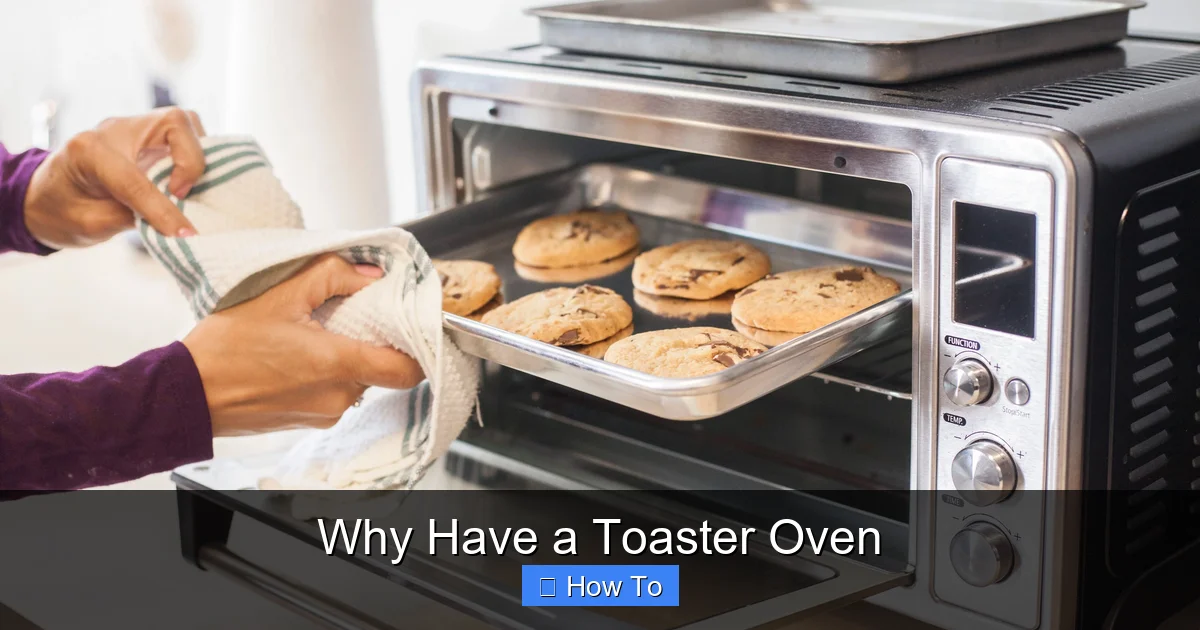
Think a toaster oven only toasts bread? Think again. Today’s models bake, broil, roast, reheat, and many even air fry. You can make a 12-inch pizza, a batch of cookies, or a sheet-pan dinner. Some fit a 4-pound chicken. It’s a second oven, a toaster, an air fryer, and a broiler all in one.

Visual guide about Why Have a Toaster Oven
Image source: i.pinimg.com
From Breakfast to Dinner
Morning: toast bagels, bake egg cups, warm pastries. Lunch: melt sandwiches, crisp quesadillas, reheat pizza so it’s actually crispy. Dinner: roast salmon, bake potatoes, broil steak, cook a tray of chicken thighs and vegetables. Dessert: bake a small batch of brownies or fruit crisp. The list goes on. For inspiration, what can a toaster oven cook covers dozens of ideas you might not have considered.
Air Fryer Built Right In
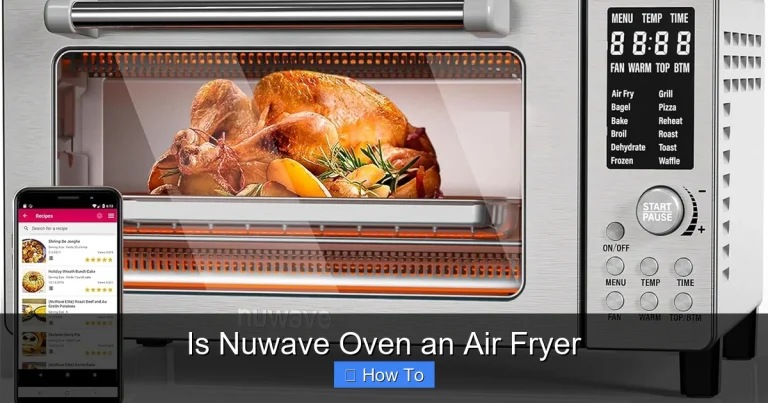
Many new toaster ovens include convection fans and air fry baskets. You get crispy fries, wings, and veggies with a teaspoon of oil. No separate air fryer needed. That saves money and counter space. If you’re debating between the two, is air fryer a toaster oven explains the overlap and differences clearly.
Perfect for Small Spaces and Small Households
Live in an apartment? Dorm? RV? Tiny kitchen? A full oven might not even be an option. A toaster oven gives you real baking and roasting power in a footprint the size of a microwave. It plugs into a standard outlet. No installation. No renovation. Just set it down and cook.
Great for Singles and Couples
Cooking for one or two? A big oven is overkill. Recipe scaling is annoying. A toaster oven lets you make exactly what you need. Half a pan of lasagna. Two pork chops. Four cookies. No waste. No leftovers you’ll forget about. It makes home cooking practical on a small scale.
Holiday Helper
Even if you have a big oven, a toaster oven shines during holidays. Need extra space for stuffing, rolls, or a second pie? It’s a bonus oven that frees up the main one for the turkey. You can also keep sides warm on the “warm” setting while finishing the main dish. For placement tips during busy cooking days, where to put a toaster oven in kitchen offers smart layout ideas.
Faster Preheating Means Faster Meals
Time is precious. A full oven takes 15-20 minutes to hit 400°F. A toaster oven? Often 3-5 minutes. That’s because the cavity is small and the elements are close to the food. You decide to cook, and you’re cooking. No waiting around. No “I’ll just order takeout” because you’re too hungry to wait.
Weeknight Dinner Savior
It’s Tuesday. You’re tired. You have chicken thighs and broccoli. Toss them on a tray, slide into the toaster oven at 425°F convection roast. Done in 25 minutes. Crispy skin, tender meat, caramelized veggies. You ate real food. You barely cleaned up. That’s the weeknight magic.
Reheating Done Right
Microwaves ruin texture. Pizza gets rubbery. Fries turn to mush. Fried chicken loses its crunch. A toaster oven restores crispiness. 350°F for 5-10 minutes brings leftovers back to life. It’s how restaurants reheat. Now you can too.
Healthier Cooking With Less Oil
Want crispy food without deep frying? Convection heat circulates hot air around food. It creates a Maillard reaction—that golden, flavorful crust—with a light spray of oil. Air fry modes take it further with high-speed fans. You get the crunch you crave with 75-90% less fat.
Roasting Vegetables to Perfection
Roasted veggies are a game-changer for healthy eating. Broccoli, Brussels sprouts, cauliflower, sweet potatoes—they all caramelize beautifully in a toaster oven. The small cavity concentrates heat. You get crisp edges and tender centers every time. Toss with olive oil, salt, and spices. Roast at 425°F convection. Dinner is served.
Lean Proteins Stay Juicy
Chicken breast, fish fillets, pork tenderloin—lean meats dry out easily in a big oven. The toaster oven’s intense, close heat sears the outside fast. Juices stay inside. Use the broil setting for a quick finish. Add a glaze in the last 2 minutes. Restaurant results at home.
Easy Cleanup Keeps You Cooking
Nobody loves scrubbing a giant oven. Toaster ovens are designed for easy maintenance. Most have removable crumb trays that slide out and dump in seconds. Non-stick interiors wipe clean with a damp cloth. Many racks and pans are dishwasher safe. Less cleanup means you’ll actually use it more.
Line It and Forget It
Use parchment paper, foil, or silicone mats on the tray. Food never touches metal. Cleanup becomes “crumple and toss.” This trick works for everything from bacon to cookies to roasted veggies. Keep a roll of parchment nearby. You’ll use it constantly.
Deep Clean Occasionally
Once a month, take out the racks and tray. Wash them in the sink. Wipe the interior with vinegar water. Clean the glass door. Check the heating elements for stuck-on food (cool and unplugged first!). A clean toaster oven works better, smells better, and lasts longer.
Smart Features Make Cooking Foolproof
Modern toaster ovens aren’t just boxes with coils. Digital controls, preset programs, and smart sensors take guesswork out of cooking. Select “pizza,” “cookies,” or “bagel” and the oven sets the right temp, time, and rack position. Some even have interior lights and automatic shutoff.
Convection Is a Game Changer
If your model has a convection fan, use it. It circulates hot air for even cooking, faster browning, and better rise on baked goods. Cookies bake evenly on two racks. Roasts brown all over without rotating. Lower the temperature by 25°F from conventional recipes. You’ll get pro results every time.
Temperature Probe for Perfect Meat
Higher-end models include a probe. Insert it into a roast or chicken. Set target temp. The oven shuts off automatically when hit. No cutting into meat to check. No overcooked dinner. It’s like having a chef’s intuition built in.
Cost Effective From Purchase to Daily Use
A quality toaster oven costs $80-$300. A full range? $800-$3000+. Installation? More money. Operating cost? Pennies per use. Even a premium countertop model pays for itself in energy savings within a year or two if you use it regularly instead of your big oven.
Extends the Life of Your Main Oven
Every time you use the toaster oven, your big oven gets a break. Less wear on elements, door seals, and electronics. Fewer self-clean cycles needed. That big oven lasts longer. When you eventually replace it, you’ve delayed a major expense.
Affordable Upgrade Path
Start with a basic model. Upgrade later if you want convection, air fry, or smart features. You’re not locked into a 30-inch cutout. You can move it, gift it, or take it to your next home. Flexibility matters.
Conclusion
A toaster oven isn’t a luxury. It’s a practical, daily-use tool that makes cooking faster, easier, healthier, and cheaper. It fits any kitchen. It handles any meal. It saves energy. It saves time. It saves sanity on busy weeknights. Once you experience the convenience—crispy reheated pizza, perfectly roasted veggies, cookies in 10 minutes—you’ll use it constantly. Your big oven will gather dust. Your microwave will feel lonely. And you’ll eat better food with less effort. That’s why you have a toaster oven. Simple as that.
Frequently Asked Questions
Can a toaster oven replace a regular oven?
For most daily cooking, yes. It handles baking, roasting, broiling, and toasting for 1-4 people. Large turkeys, multiple sheet pans, or tall cakes still need a full oven. But 90% of home cooking fits in a toaster oven.
Is a toaster oven worth the counter space?
Absolutely. It replaces a toaster, air fryer, and often a microwave for reheating. One appliance does the work of three. The footprint is similar to a microwave but with far more capability.
Does a toaster oven use a lot of electricity?
No. It uses 1200-1800 watts versus 3000-5000+ for a full oven. Because it preheats fast and cooks small portions efficiently, it costs pennies per use. It’s one of the most energy-efficient cooking methods.
What’s the difference between a toaster oven and an air fryer?
Air fryers are essentially small convection toaster ovens with a basket. Toaster ovens offer more capacity, rack positions, and functions like broil and bake. Many modern toaster ovens include air fry modes, giving you both in one.
Can you cook raw meat in a toaster oven?
Yes. Chicken, steak, fish, pork—all cook safely and deliciously. Use a meat thermometer to ensure proper internal temperature. The broil and convection roast settings work especially well for meats.
How long does a toaster oven last?
5-10 years with regular cleaning. Quality brands like Breville, Cuisinart, and Panasonic often last longer. Replace if heating becomes uneven, the door seal fails, or controls malfunction.