Which Uses Less Electricity Toaster Oven or Oven
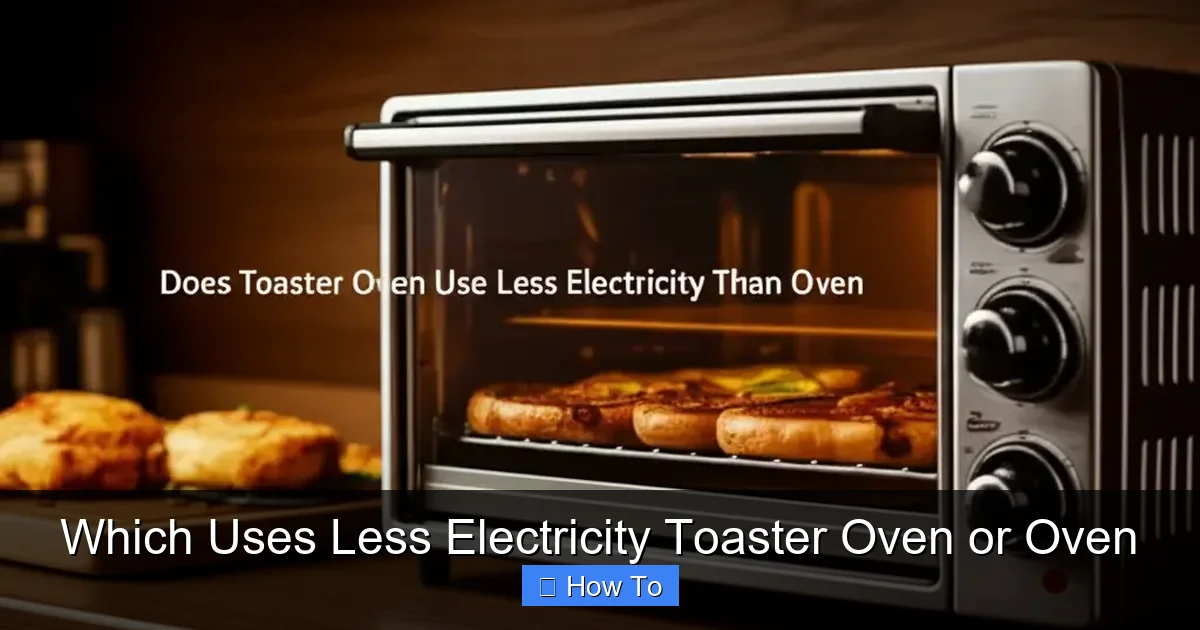
When it comes to energy costs, both toaster ovens and regular ovens have their place. While toaster ovens excel at small, frequent meals with lower wattage needs, traditional ovens handle larger batches more efficiently over time. Understanding the actual electricity draw helps you save money without sacrificing performance. Here’s everything you need to know to make an informed choice.
If you’ve been shopping for a new appliance and wonder which one will keep your electricity bill down, you’re not alone. Every chef, home cook, and busy parent has asked themselves this question. The short answer might surprise you: most people spend too much time looking at energy specs without considering how real-world usage actually impacts their wallet. Let’s break down the science of power consumption and help you decide between a compact toaster oven and a traditional full-size oven so you can cook smarter, not harder.
Key Takeaways
- Toaster ovens use significantly less electricity than standard ovens. They typically consume between 500-800 watts versus 1,500-3,000 watts for conventional ovens.
- Energy efficiency depends on usage patterns. A toaster oven might cook a single slice of pizza in 10 minutes while a full-sized oven bakes a whole roast for two hours.
- Cost savings add up quickly. Over a year, replacing one hour of daily oven use with a toaster oven can reduce your electricity bill by hundreds of dollars.
- Convenience doesn’t always mean higher energy use. Modern toaster ovens often match traditional ovens in features like convection heating without the extra power draw.
- Placement matters for efficiency. Both appliances benefit from proper positioning—keep your oven away from heat sources and ensure good ventilation.
- Consider your kitchen setup. If you primarily do small portions frequently, a toaster oven makes sense. For large family dinners regularly, a full-size oven wins.
📑 Table of Contents
- Understanding the Basics: How Electricity Consumption Works
- Toaster Oven: Compact Power for Small Tasks
- Traditional Ovens: Reliable Heavy-Duty Cooking
- Head-to-Head: Toaster Oven vs. Standard Oven on Your Bill
- When Each Appliance Shines: Choosing Based on Your Needs
- Practical Tips for Maximum Energy Savings
- Conclusion: Make an Informed Choice Without Guesswork
Understanding the Basics: How Electricity Consumption Works
Before we dive into the numbers, it helps to understand what makes an appliance use more or less power. Electricity consumption depends on two main factors: the wattage rating of the device and how long you run it. Watts tell us how much power the appliance draws at any moment, but running time determines the total energy used. A toaster oven might have a slightly higher wattage reading than you’d expect, yet it runs far less often, making its overall impact smaller than many assume.
The Wattage Myth
There’s a common misconception that anything labeled “high wattage” is automatically energy-intensive. In reality, a toaster oven rated at 800 watts may still use less electricity per day than a conventional oven set to low heat for four hours. The difference comes from duration—not raw power. When you understand this distinction, you can make better choices based on actual behavior rather than marketing labels.
Toaster Oven: Compact Power for Small Tasks
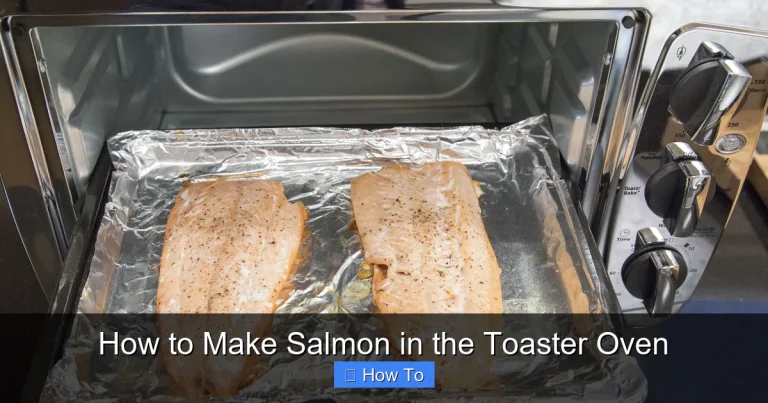
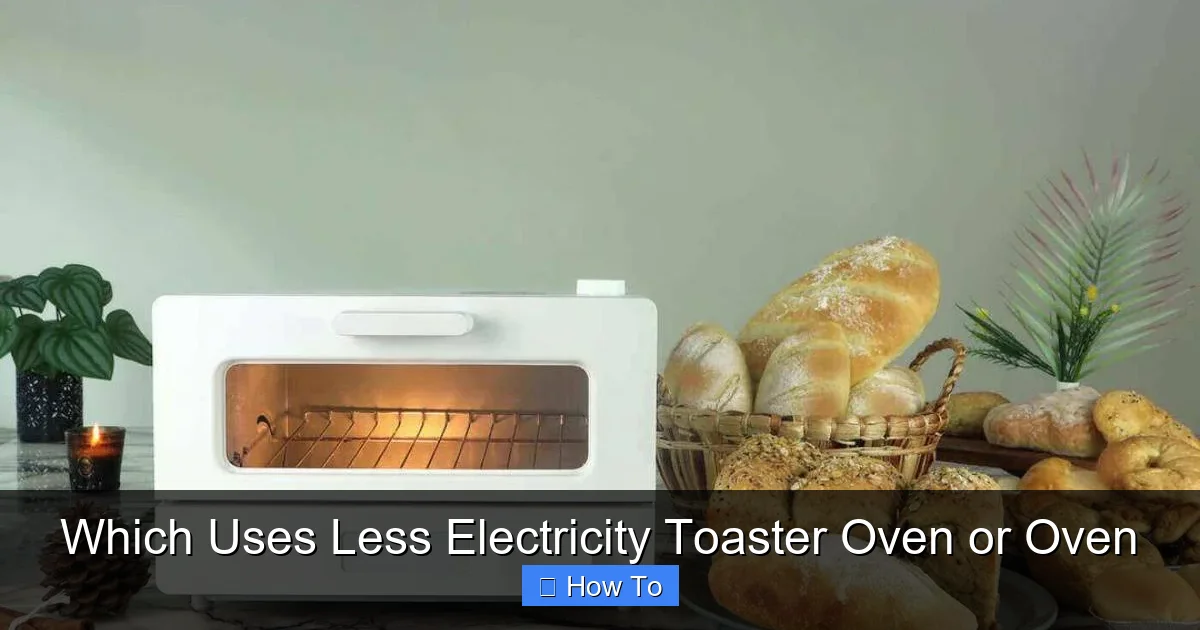
A toaster oven is essentially a mini-conventional oven designed for speed and versatility. These appliances combine baking, roasting, toasting, and reheating in one sleek unit. Because they’re built for small kitchens and quick meals, they tend to be smaller and more efficient in terms of space and energy.
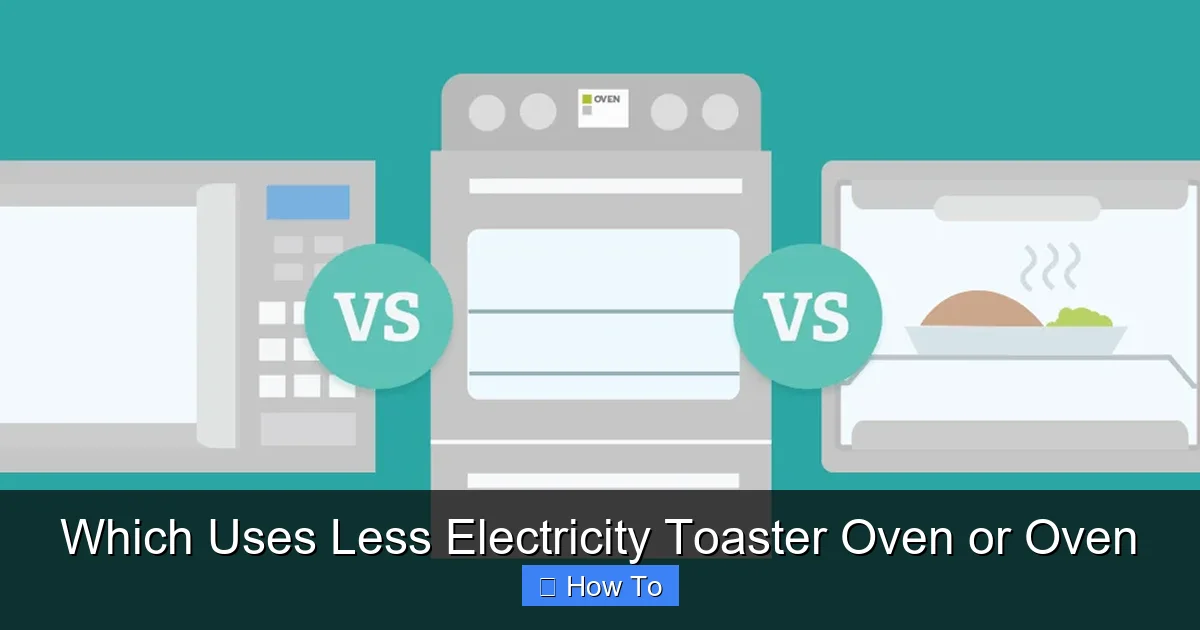
Visual guide about Which Uses Less Electricity Toaster Oven or Oven
Image source: blog.constellation.com
Typical Wattage Range
Most well-reviewed toaster ovens fall in the 500-800 watt range. Some premium models with advanced temperature control can reach 1,000 watts, but even those consume less energy than you’d think compared to a full-size oven. Think of it this way: a typical toaster oven can heat up in about 3-5 minutes, giving you that instant ready state that saves precious minutes during dinner prep.
Common Uses That Maximize Efficiency
The best time to use a toaster oven is for solo tasks where speed matters. Making toast, reheating leftovers, warming up individual portions, and cooking small batches of cookies or pastries are perfect toaster oven applications. Since these jobs rarely require prolonged heat, the overall energy expenditure remains minimal. You’ll also find that many modern toaster ovens feature energy-saving modes that shut off after a brief period of inactivity, further reducing waste.
Traditional Ovens: Reliable Heavy-Duty Cooking
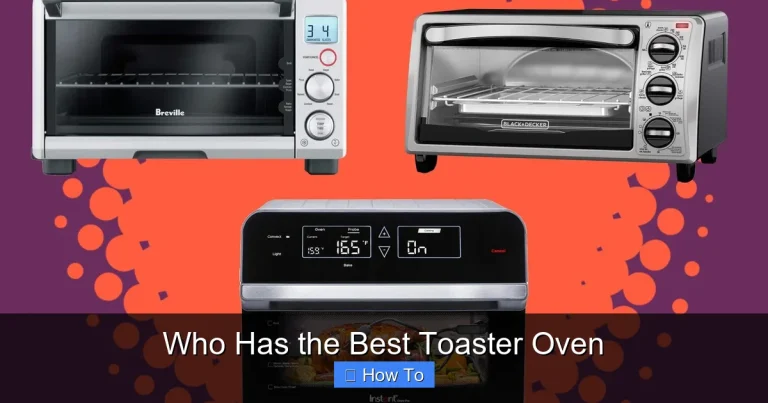
Your standalone oven is a workhorse designed for longer cooking sessions. Whether you’re baking a cake, roasting a chicken, or keeping drinks warm, a conventional oven delivers consistent, high temperatures needed for these tasks. But here’s the catch: because these appliances operate continuously for extended periods, their cumulative energy consumption adds up faster.
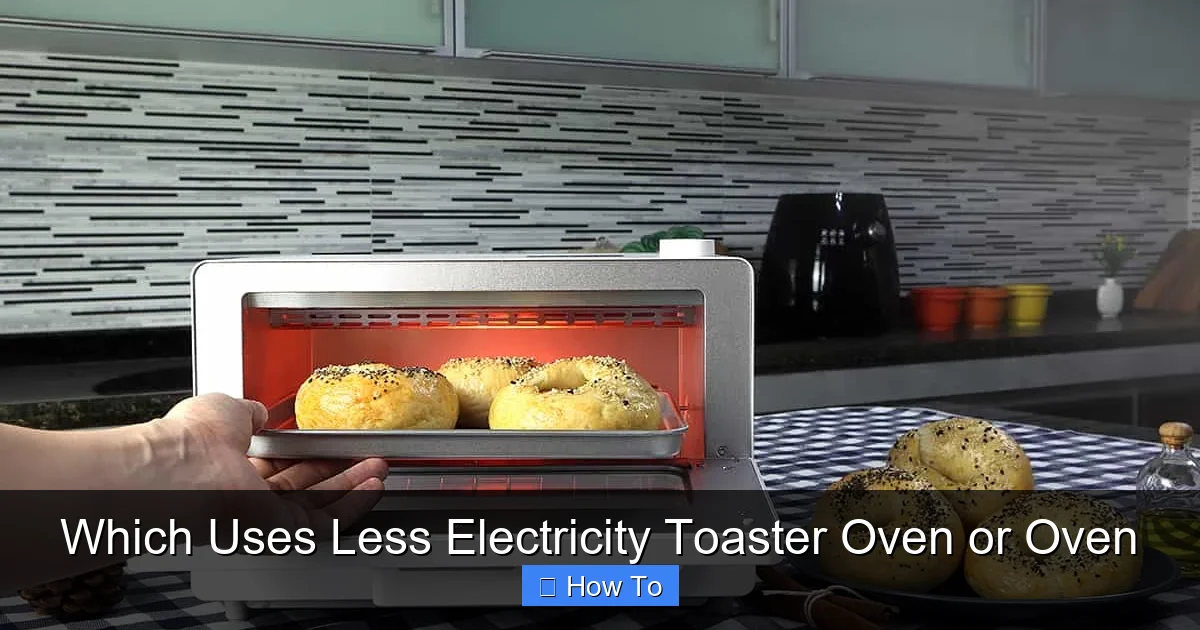
Visual guide about Which Uses Less Electricity Toaster Oven or Oven
Image source: howdykitchen.com
Higher Wattage, Longer Run Times
A standard oven typically ranges from 1,500 to 3,000 watts depending on size and model. Consider that a full-size countertop oven might use nearly twice as much power as a toaster oven during a single session. However, remember that people rarely use toasters every day—they’re mainly for breakfast, snacks, or last-minute meals. Meanwhile, family dinners, casseroles, and baking projects demand sustained heat over 30 minutes to several hours.
Efficiency Features to Look For
Not all traditional ovens are created equal when it comes to energy efficiency. Look for models with convection technology, which circulates hot air for more even cooking. Convection ovens can bake food up to 25% faster than conventional ones while using roughly the same amount of energy. Many modern units also include self-cleaning functions that extend lifespan and maintain efficiency over years of use.
Head-to-Head: Toaster Oven vs. Standard Oven on Your Bill
Let’s put some real numbers to the comparison to see what really happens in your utility meter. We’ll look at a typical weekly schedule where someone might use both appliances differently.
Visual guide about Which Uses Less Electricity Toaster Oven or Oven
Image source: ovenspot.com
Weekly Usage Scenario
Imagine a family member who spends two hours on weekday mornings toasting coffee, warming sandwiches, and reheating breakfast items in a toaster oven. Then on weekends, they use the main oven once for a big meal—maybe Sunday dinner takes three hours. Over a month, that totals about 15 hours of toaster oven use and 12 hours of oven use. Using average wattages, the toaster oven might consume 400 watts × 15 = 6,000 watt-hours (or 6 kWh), while the oven consumes 2,000 watts × 12 = 24 kWh. That works out to almost half the monthly electricity cost for the traditional oven.
Annual Cost Estimate
At the average U.S. residential rate of $0.15 per kilowatt-hour, the weekly scenario above translates to approximately $9 against $36 for the traditional oven. Spread across a full month with multiple users, those savings become substantial. Small changes in habits—like opting for a toaster oven for morning breakfasts instead of cranking up the main oven—can shave hundreds of dollars off your yearly energy statement.
When Each Appliance Shines: Choosing Based on Your Needs
Neither appliance is universally superior; their strengths lie in different scenarios. The decision ultimately depends on your cooking habits, kitchen layout, and budget considerations.
Choose a Toaster Oven When…
If you live in a small apartment or cottage where kitchen space is limited, a compact toaster oven is an excellent investment. Its slim profile fits neatly alongside other appliances. Additionally, if your primary cooking tasks involve small batches—one person, one snack, one meal portion—a toaster oven offers unmatched convenience. You get preheating speeds that rival professional equipment while consuming a fraction of the power.
Opt for a Traditional Oven When…
When you need to cook large quantities infrequently, a conventional oven becomes the clear winner. Roasting a whole turkey, baking a dozen cookies, or preparing family-sized dishes all call for the sustained heat capacity of a full-size oven. The energy you spend during those longer sessions pays off in throughput and flavor development, especially when you’re baking bread, pastries, or complex casseroles that benefit from slower, more controlled cooking.
Practical Tips for Maximum Energy Savings
Regardless of which appliance you choose, there are smart strategies to keep your energy bills low. First, master the art of preheating wisely. Most ovens, including toaster ovens, need a few minutes to reach operating temperature before cooking begins. Set your timer so the oven heats fully just before you need it, then immediately switch to cooking mode to minimize idle time.
Use Multiple Small Tasks Strategically
Rather than running your full oven for one small item, consider toaster oven capabilities whenever possible. Toast bread individually, reheat soup in small batches, and brown meat portions separately. This approach spreads energy use across shorter intervals, preventing the oven from being constantly on high power for extended periods.
Maintain Your Appliances Properly
Regular maintenance goes a long way toward efficiency. Clean the filter screens in your toaster oven to ensure proper airflow. Keep the door seals intact on traditional ovens to prevent heat loss. Well-maintained appliances operate at peak efficiency throughout their lifecycle, delivering reliable performance with minimal wasted energy.
Conclusion: Make an Informed Choice Without Guesswork
So, does a toaster oven or a standard oven use less electricity? The honest answer is yes, but the context matters greatly. Toaster ovens generally win on pure energy consumption per hour, making them attractive for frequent, small-scale cooking. Traditional ovens shine when you need bulk heating and longer preparation times. By understanding your own cooking patterns, you can confidently invest in the right appliance—and potentially save meaningful money on your energy bill. Remember, sustainability isn’t about minimizing wattage at all costs; it’s about matching the tool to the task. Whether you’re a busy professional who needs quick solutions or a home cook who enjoys elaborate meals, there’s a smart choice waiting for you.
Frequently Asked Questions
Question?
Is a toaster oven more energy efficient than a normal oven?
Yes, toaster ovens typically consume less electricity than traditional ovens due to their lower wattage ratings (usually 500-800W vs. 1,500-3,000W) and shorter operating times. Even though they may perform similar functions, their energy efficiency advantage becomes clear when comparing equivalent cooking tasks.
How much does a toaster oven save on electricity bills?
Depending on your usage, a toaster oven can save hundreds of dollars annually compared to a conventional oven. On average, switching to a toaster oven for small, frequent meals can reduce your monthly energy costs by 20-40%, translating to significant savings over time.
Can I use a toaster oven instead of a regular oven for baking?
Absolutely. Modern toaster ovens with convection technology can handle many baking tasks effectively. They come equipped with adjustable temperature controls and some models offer crusted baking modes that mimic the results of a traditional oven. However, you might notice slightly different results in crust formation compared to high-end ovens.
What are the best ways to maximize energy savings with either appliance?
To maximize energy efficiency, preheat only when needed, cook small batches rather than filling the oven completely, and clean your appliances regularly. These simple steps help both toaster ovens and traditional ovens run at optimal levels, reducing wasted electricity.
Are toaster ovens worth buying for everyday cooking?
Yes, for households that prioritize convenience, quick cooking, and lower energy bills. Their compact size, versatile settings, and speed make them ideal for morning toasts, weekend brunches, and casual meals. They’re particularly valuable in multi-apartment living where space is at a premium.
Do toaster ovens have the same health benefits as traditional ovens?
Both types of appliances produce similar cooking outcomes when used correctly. However, traditional ovens often provide more consistent heat distribution for delicate baked goods. Always follow safe cooking practices regardless of your chosen appliance to ensure food safety and quality.