Where to Put a Toaster Oven
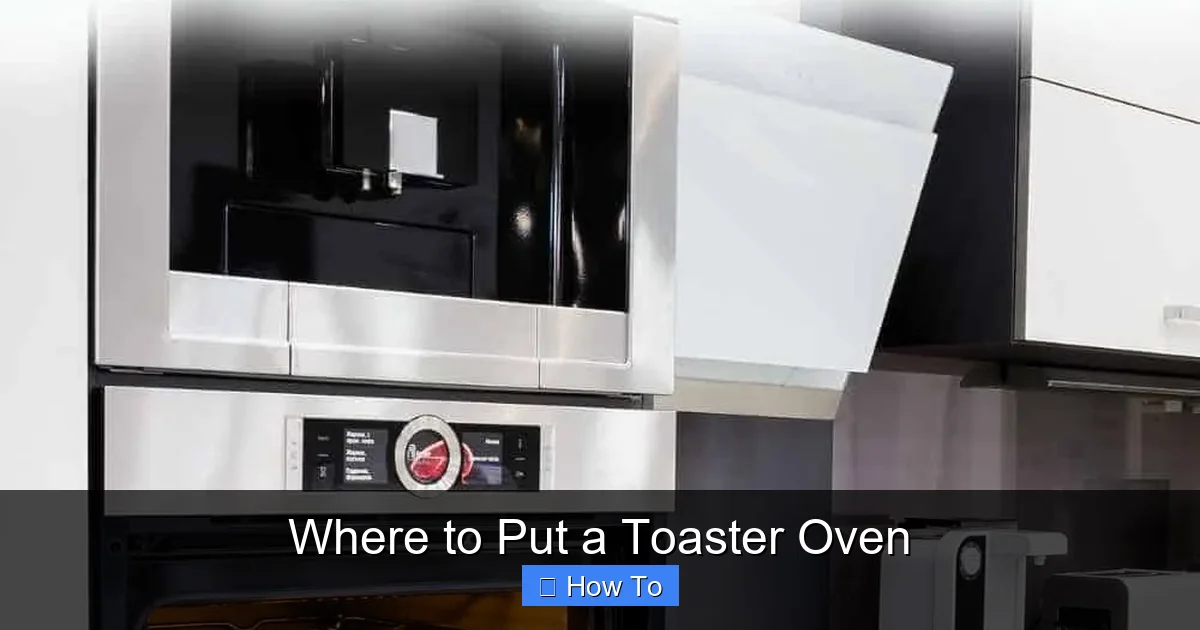
Finding the right spot for your toaster oven matters for safety, performance, and kitchen flow. Place it on a flat, heat-resistant surface away from walls and cabinets. Follow these tips to choose the perfect location.
Where to put a toaster oven is one of the most important decisions you make in your kitchen. The wrong spot can cause fires, damage counters, or make cooking frustrating. You want a place that is safe, convenient, and fits your cooking style.
Many people push their toaster oven to the back of the counter and forget about it. But where you place this appliance affects how often you use it. A good location encourages daily cooking. A bad location leads to clutter and safety hazards. When you know where to put a toaster oven, you use it more often and cook better meals.
This guide helps you find the perfect spot. We cover countertop options, safety rules, ventilation needs, and electrical tips. By the end, you will know exactly where to put a toaster oven in your kitchen. You will feel confident that your setup is safe and efficient.
Key Takeaways
- Countertop placement: Keep it on a flat, heat-resistant surface away from flammable items
- Clearance matters: Leave 4 inches on sides and 6 inches on top and back
- Avoid cabinets: Never place it under wooden cabinets unless the manual allows it
- Near power outlets: Reduce cord hazards by plugging directly into the wall
- Stable surface: Prevent tipping and accidents with a solid base
- Ventilation: Ensure airflow for safe operation and even cooking
- Check the manual: Follow brand-specific placement guidelines
📑 Table of Contents
Countertop Placement Options
The countertop is the most common home for a toaster oven. But not every counter spot is equal. You need to think about surface material, nearby items, and how you cook. Where to put a toaster oven depends on your kitchen layout and daily habits.
Best Countertop Spots
Look for a flat, stable surface near an outlet. The back edge of the counter works well if you have space. Keep the oven away from the sink to avoid water damage. A spot near the stove is tempting but risky due to heat. The best place to put a toaster oven is on the back third of your counter for stability.
Consider the traffic flow in your kitchen. Place the oven where you can reach it easily without bumping into people. If you have small children, pick a spot they cannot grab. The front left or right corner often works best for right or left-handed cooks. This spot gives you easy access without blocking the main walkway.
Bright lighting helps you see the controls clearly. Avoid placing the oven in a dark corner where you cannot read the display. Good visibility prevents overcooking and accidents. Make sure you can open the door fully without hitting cabinets or walls.
What to Avoid on Counters
Never place your toaster oven under wooden cabinets unless the manual says it is safe. Heat rises and can damage wood or paint. Avoid spots near curtains or paper towels. These items can catch fire easily. Where to put a toaster oven away from flammable materials is a basic safety rule.
Do not put the oven on a plastic cutting board or flimsy table. It needs a solid surface that won’t melt or warp. Glass counters can handle heat but check for cracks first. Metal surfaces work well but may get hot to the touch. Always use a heat mat or trivet to protect your counter.
Clearance and Safety Zones
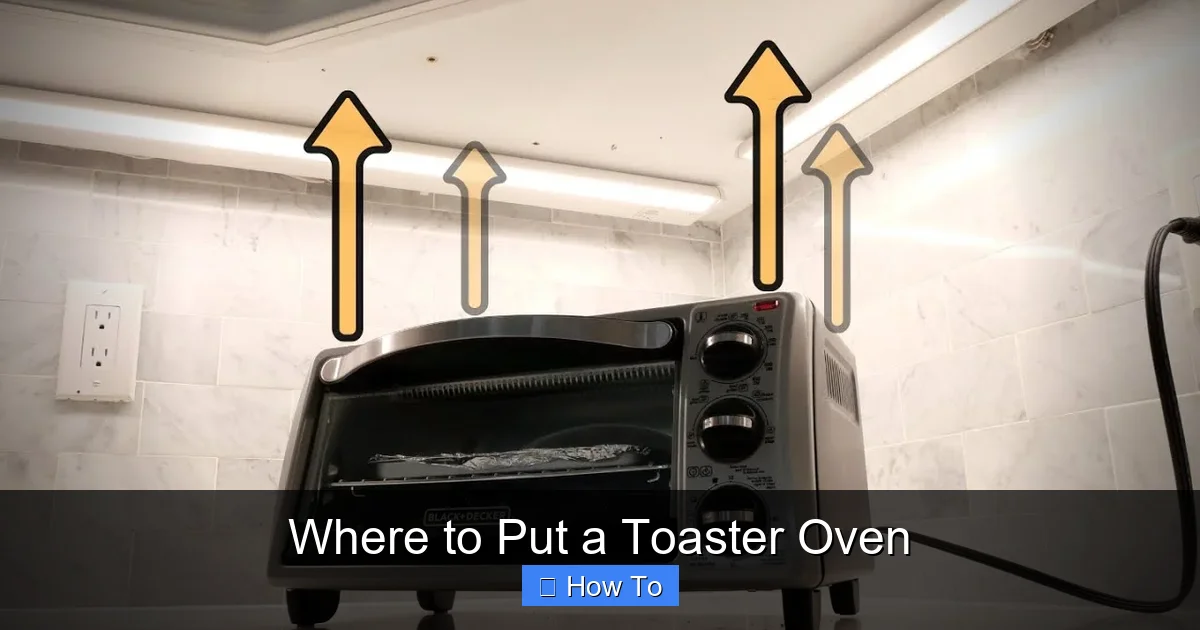
Clearance means the space around your toaster oven. This space prevents fires and helps the oven work properly. Most manufacturers recommend specific distances from walls and other items. Following these rules is essential for safe operation.
Visual guide about Where to Put a Toaster Oven
Image source: i.ytimg.com
Minimum Space Requirements
Check your owner’s manual for exact numbers. Most ovens need at least 4 inches on each side. The top needs 6 inches of clearance from above. The back should stay 6 inches from the wall or cabinet. These numbers seem large but they matter for safety.
If you have a small kitchen, these numbers feel tight. But crowding the oven creates a fire risk. Use a measuring tape to check your space before buying. Remember that hot air rises, so the top clearance matters most. When deciding where to put a toaster oven, measure twice and place once.
Heat Management
Toaster ovens get hot on the outside. The sides, top, and back radiate heat during use. This heat can burn nearby items or start fires if too close. Keep oven mitts, wooden spoons, and paper bags far away.
Do not place the oven near a window where curtains hang low. If you have a countertop air fryer oven, it needs the same clearance rules. The exterior temperature can reach 300 degrees or more. Keep children and pets away from the oven during and after use.
Ventilation and Airflow
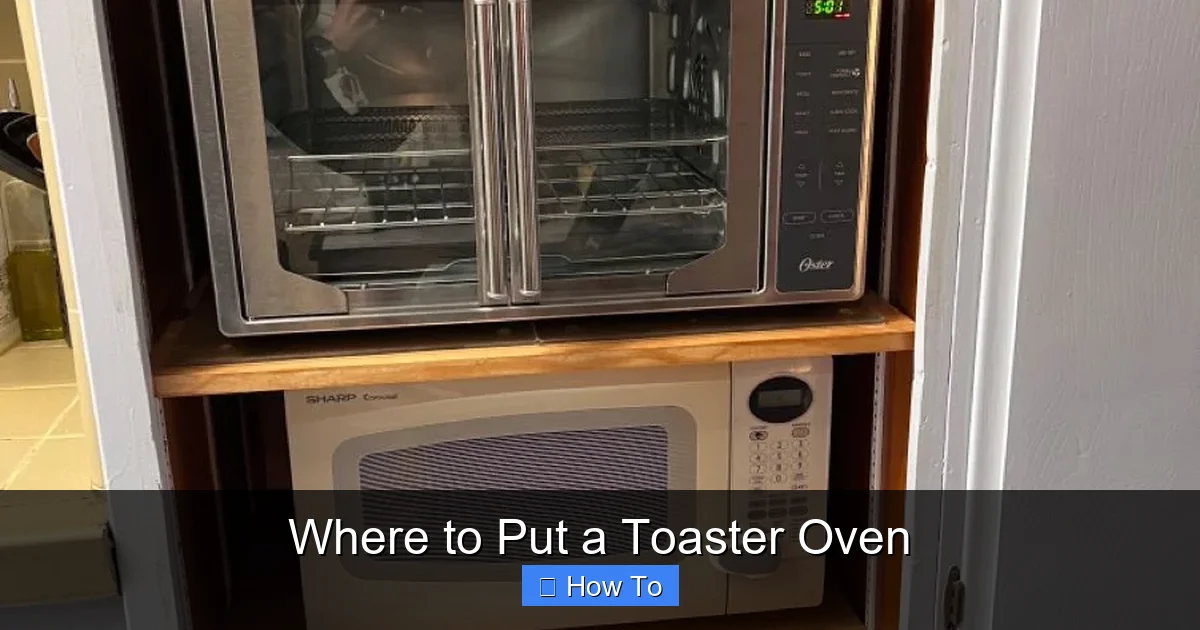
Your toaster oven needs air to cook food evenly. Blocked vents cause uneven cooking and overheating. Proper airflow keeps the motor cool and extends the life of your appliance. Where to put a toaster oven affects how well air moves around it.
Visual guide about Where to Put a Toaster Oven
Image source: i.pinimg.com
Why Airflow Matters
Most toaster ovens have vents on the sides or back. These vents let hot air escape. When you block them, the oven works harder and uses more energy. Poor airflow leads to hot spots and uneven cooking results.
Never push the oven tight against a wall. Leave room for air to circulate. If you use a kitchen cart, make sure the cart has open sides or a back panel with holes. Solid wood cabinets trap heat and create danger. The oven needs to breathe to work correctly.
Signs of Poor Ventilation
Watch for these warning signs. The outside gets too hot to touch. Food cooks unevenly or burns on top. The oven turns off by itself during cooking. You smell burning plastic or see smoke.
If you notice these signs, move the oven to a more open area. Clean the vents regularly to keep air flowing. Check the cleaning guide for toaster ovens to remove grease buildup that blocks airflow. Regular cleaning prevents many ventilation problems.
Electrical Safety and Outlets
Electricity and heat make a dangerous mix. Where you plug in your toaster oven matters as much as where you place it on the counter. Electrical safety protects your home and family.
Cord Placement
Keep the cord away from the oven’s heat. Do not let it drape over the hot surface or hang near the back burner. Use the cord that comes with the oven; do not swap in a longer cord unless the manual allows it. A damaged cord causes shocks and fires.
Check the outlet for warmth. If the outlet feels hot, stop using it and call an electrician. Use a grounded three-prong outlet when possible. Do not use extension cords or power strips for toaster ovens. These can overheat and cause fires. The oven needs its own dedicated circuit when possible.
Power Requirements
Most toaster ovens draw 1200 to 1800 watts. This is less than a full-size oven but still a heavy load. Make sure your kitchen wiring can handle it. Older homes may need electrical updates before adding a toaster oven.
If you use a GE air fryer oven, check the specific wattage on the label. Plug it directly into the wall outlet. Sharing an outlet with a microwave or coffee maker can trip the breaker. Where to put a toaster oven includes planning for the power source.
Alternative Locations
Countertops are not your only option. Some kitchens need creative solutions for where to put a toaster oven. Think about rolling carts, shelves, or wall-mounted racks. Alternative locations work well when space is limited.
Kitchen Cart Options
A kitchen cart gives you flexibility. You can roll the oven away when not in use. Look for carts with heat-resistant surfaces and open backs for airflow. Metal carts with castors work well for heavy ovens.
Make sure the cart is stable and will not tip. Place it on a flat floor, not on carpet. Lock the wheels if your cart has them. Keep the cart away from high-traffic paths where someone might bump it. The cart should not slide when you open the oven door.
Wall-Mounted Solutions
Some toaster ovens come with mounting kits. These save counter space and keep the oven at eye level. Check if your model supports wall mounting before you drill holes. Wall mounting requires sturdy anchors and a stud finder.
The wall must handle the weight of the oven plus food. Leave extra clearance for heat. Never mount an oven under a cabinet unless the manual says it is safe. Wall-mounted ovens need easy access for pulling food in and out.
Specific Model Considerations
Different toaster ovens have different needs. Size, style, and brand affect where you can place them. Always read the manual before you decide on a spot. Where to put a toaster oven varies by model and brand.
Checking Your Manual
The manual tells you the exact dimensions and clearance needs. It lists the wattage and plug type. It warns about surfaces to avoid. The manual is your best guide for safe placement.
Keep the manual in a kitchen drawer for future reference. If you lost yours, search online for the PDF. Enter your model number and look for the installation section. This step takes five minutes but prevents big mistakes. Follow the manufacturer’s advice for best results.
Brand-Specific Needs
Some brands run hotter than others. The Samsung air fryer oven has specific ventilation needs listed in its guide. Breville and Cuisinart models often need more back clearance due to their controls. Ninja and Cosori ovens have unique fan placements.
Check where the fan vents are before you choose a spot. If the fan faces the wall, you need more space. If it faces out, you have more flexibility. Each brand designs their oven differently. Understanding your specific model helps you choose the best location.
Common Mistakes to Avoid
Even careful cooks make placement errors. Learning from others saves you time and danger. Here are the top mistakes people make with their toaster oven location. Avoid these errors to keep your kitchen safe.
Too Close to the Sink
Water and electricity are a deadly mix. Keep your oven at least two feet from the sink. Splashes from washing dishes can reach the oven or the outlet. Steam from boiling pots can also damage the controls. Where to put a toaster oven means keeping it dry.
On the Edge of the Counter
It looks nice to place the oven near the front. But every time you bump it, it wobbles. Heavy ovens can fall off the edge and start fires or hurt someone. Keep it back from the edge by at least four inches. Stability prevents accidents and spills.
Under the Cabinet
Many people love the built-in look of an under-cabinet oven. But standard cabinets are not heat-proof. The heat damages the cabinet bottom and the finish peels. Only use under-cabinet models that are designed for this purpose. Regular toaster ovens need open space above them.
Seasonal and Temporary Placement
Your needs change with the seasons. In summer, you might move the oven to a cooler spot. During holidays, you might need it closer to the serving area. Flexible placement helps you adapt to different cooking situations.
Summer Cooking Tips
In hot weather, avoid placing the oven near the stove. The extra heat makes the kitchen unbearable. Move it to a counter away from the cooking zone. Open windows or turn on the vent hood when you use it. Summer cooking requires smart placement to stay comfortable.
Holiday Cooking
During Thanksgiving or Christmas, you might need extra oven space. Set up a temporary station on a folding table. Make sure the table is heat-resistant and on flat ground. Keep it away from decorations and wrapping paper. Temporary setups need the same safety checks as permanent ones.
Testing Your Setup
Before you commit to a spot, test it with a simple recipe. Bake a small dish or toast bread. Watch for any warning signs during the test run. Testing prevents problems before they start.
The Test Run
Set the oven to 350 degrees and let it run for ten minutes. Check the outside temperature with your hand from a safe distance. Feel the counter beneath for heat transfer. Listen for unusual noises from the fan or motor. These checks tell you if the spot works.
If everything feels normal, try cooking a full meal. Watch for smoke, strange smells, or uneven cooking. These tests tell you if your spot works or if you need to move the oven. A test run gives you peace of mind.
Cleaning Access and Maintenance
Where you place the oven affects how easy it is to clean. A hard-to-reach spot means grease builds up faster. Grease buildup is a fire hazard and affects cooking performance. Easy access makes cleaning faster and safer.
Easy Access Rules
Leave space behind the oven so you can pull it out for cleaning. Do not wedge it into a tight corner. You need room to wipe the sides and empty the crumb tray. Front-loading crumb trays are easier to clean than back-loading ones.
Place the oven so you can open the tray without moving other items. This small detail saves time and keeps the oven working well. Regular cleaning prevents smoke and fire risks. A clean oven cooks better and lasts longer.
Final Thoughts
Finding the right spot for your toaster oven takes a little time. Measure your space, check the manual, and follow safety rules. The perfect location keeps you safe and makes cooking easier. Where to put a toaster oven is a decision that pays off every day.
Start with a flat counter near an outlet. Leave clearance on all sides. Watch for heat buildup and poor airflow. Move the oven if you see warning signs. With the right placement, your toaster oven will serve you well for years. Enjoy the convenience of a well-placed kitchen appliance.
Remember that every kitchen is different. What works for your friend might not work for you. Trust your instincts and prioritize safety. Happy cooking in your perfectly placed toaster oven.
Frequently Asked Questions
Can I put a toaster oven under the cabinet?
Only if the manual specifically allows it. Standard cabinets are not heat-proof and can melt or catch fire. Use a toaster oven designed for under-cabinet installation if space is tight.
How much clearance does a toaster oven need?
Most ovens need 4 inches on the sides and 6 inches on top and back. Check your manual for exact numbers. Proper clearance prevents fires and helps the oven cook evenly.
Can I put a toaster oven on a quartz countertop?
Yes, quartz handles heat well but use a trivet. Direct contact can cause thermal shock and crack the surface. Always place a heat mat under your toaster oven.
Is it safe to put a toaster oven on a carpet?
No, carpets are flammable and can melt from oven heat. Use a hard, flat surface like tile, wood, or laminate. Move the oven to a safe surface before cooking.
Where should I plug in my toaster oven?
Plug it directly into a wall outlet. Avoid extension cords and power strips which can overheat. Make sure the outlet is grounded and matches the oven’s wattage.
Can I move my toaster oven while it’s hot?
Wait until it cools completely before moving it. Hot surfaces can burn you or melt nearby items. Always turn off and unplug the oven before relocating it.