What Is Turbo Setting on Toaster Oven
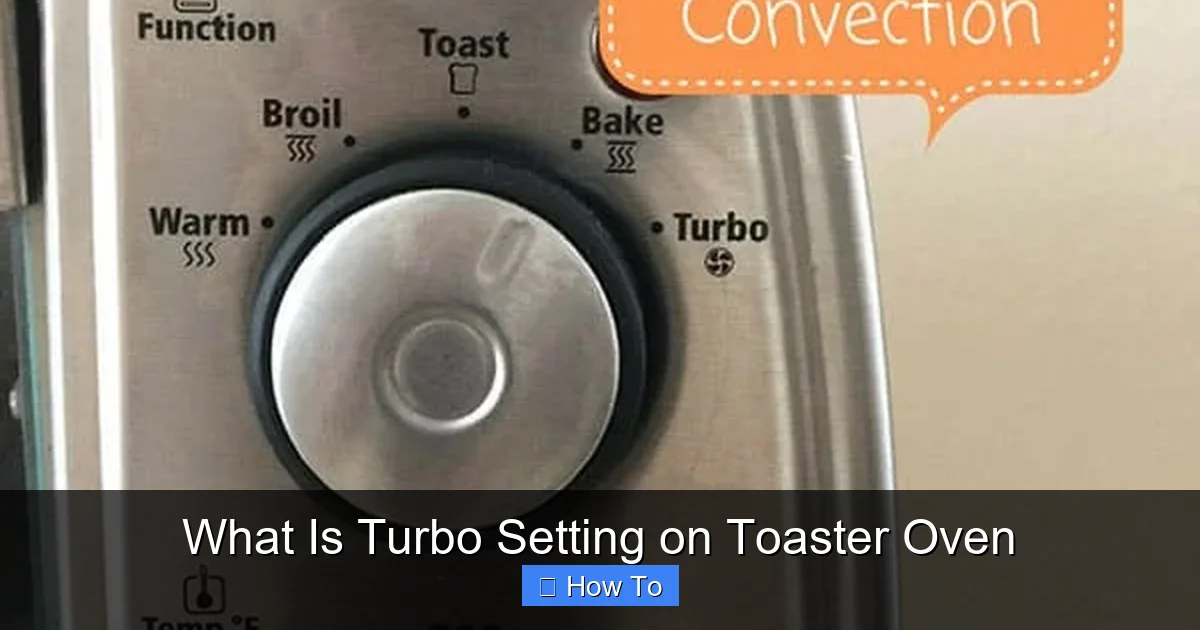
Understanding the turbo setting on your toaster oven can dramatically change your baking experience. Whether you’re making toast, cookies, or savory dishes, this fast cooking mode delivers results quickly. Here’s everything you need to know about this powerful feature.
Toaster ovens have become essential kitchen workhorses. They’re compact, versatile, and fit perfectly on small countertops. But one feature often leaves new owners puzzled: the turbo setting. Why do some models have a “turbo” button or option, and what makes it different from regular heat? If you’ve ever wondered whether turning up the power actually helps your food come out better, you’re in the right place. Let’s dive into the world of turbo mode and see how it can transform your everyday cooking.
Key Takeaways
- Turbo mode heats the oven much faster than standard settings.
- It creates even browning for baked goods.
- Use turbo for quick tasks like toasting or defrosting.
- Avoid long bake times when turbo isn’t needed.
- Combining turbo with convection enhances results further.
- Check your model’s manual for specific turbo timing.
📑 Table of Contents
What Is Turbo Setting on Your Toaster Oven?
The term “turbo” might sound familiar because you’ve probably heard car engines talk about turbochargers. In those vehicles, extra air forces the engine to burn more fuel and produce more power. Your toaster oven has its own version of that concept. The turbo setting activates a rapid-heat function that pushes warm air through the cooking chamber much faster than normal operation. Instead of gradually raising the temperature, the turbo mode floods the space with hot air almost immediately after preheating begins.
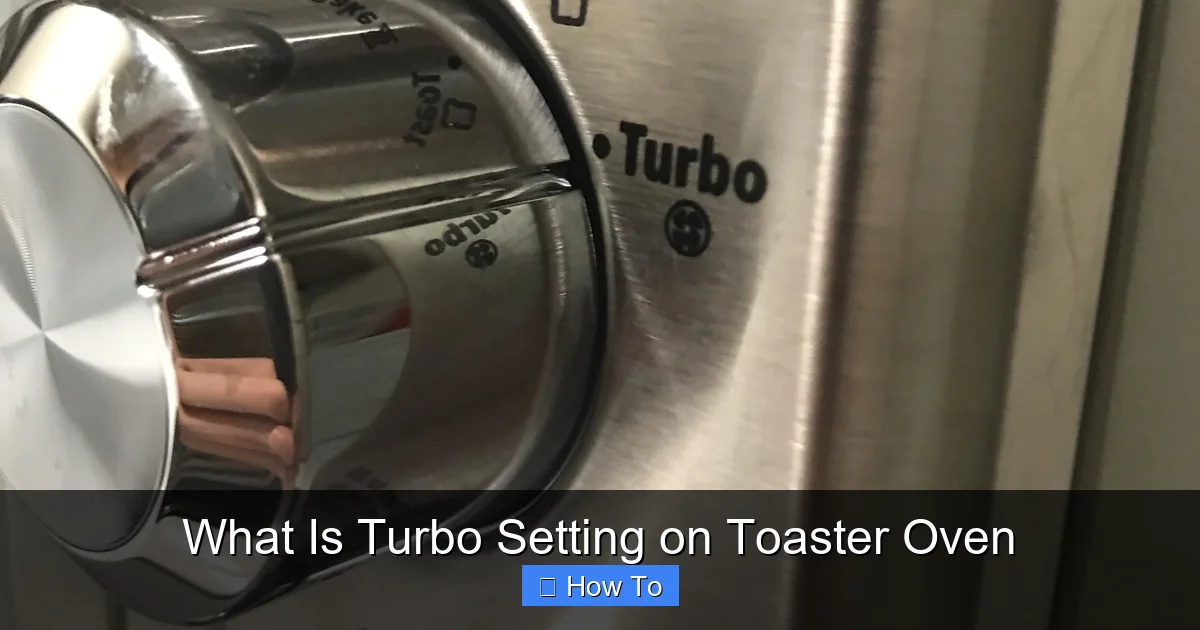
Think of it like pressing the gas pedal hard in your car—you want maximum acceleration, just as many home cooks want their biscuits or frozen meals ready within minutes. The turbo setting doesn’t fundamentally change how your toaster oven works mechanically, but it does change how quickly and uniformly that heat reaches your food. Many modern models display this option on a digital panel, labeled either “Turbo,” “Quick Cook,” or simply marked with a lightning bolt icon. Understanding what this feature does will help you decide when it’s worth enabling during your next meal prep session.
For those who prefer reading written explanations, KitchenStitch provides a thorough breakdown of this technology here: What Is Turbo On A Oster Toaster Oven. Their article covers the basic mechanics and gives real-world examples of when this mode shines brightest. Whether you’re a seasoned chef or someone who just wants crispy toast every morning, knowing about turbo mode opens up new possibilities for quick, delicious meals.
How Turbo Mode Works Technically
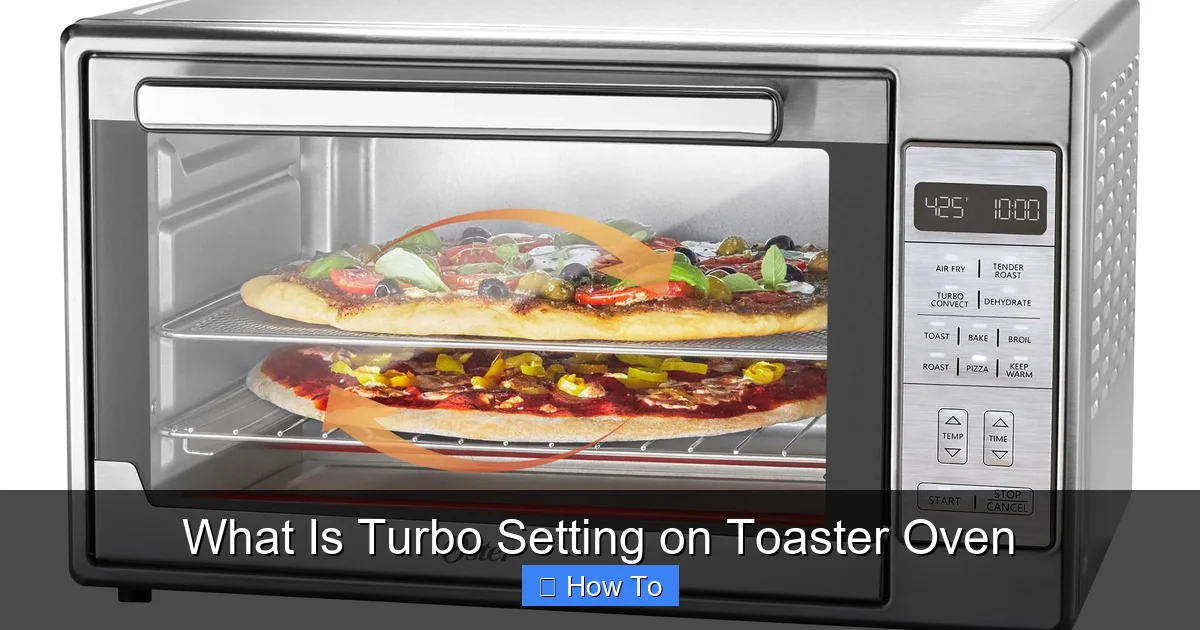
At its core, the turbo setting relies on improved heat transfer dynamics. Standard toaster ovens typically rely on radiant heat from heating elements embedded near the bottom, combined with some ambient convection. The process starts when the oven’s internal fan kicks in and pulls hot air from the corners of the chamber while simultaneously pushing newly heated air toward the center. This creates a continuous cycle of fresh, warm air circulating around your food.
The magic happens in the first few minutes. While a conventional setting might take several minutes to reach optimal temperature, turbo mode accelerates this by maximizing airflow and reducing dead zones where cold spots persist. Some advanced models even incorporate variable-speed fans that ramp up intensity specifically during the “turbo” phase. Think of it as the difference between slowly warming up a bathtub versus running the heater on high blast. Both end up hot eventually, but the time to reach that state varies dramatically.
One important distinction to understand is that turbo mode primarily affects the outer surfaces of your food. The interior walls and heating elements still operate according to their standard programming. So while your croutons might brown beautifully in seconds, your delicate pastry crust might still need a bit more patience depending on thickness and ingredient composition. This nuance explains why experienced users often combine turbo with other settings to achieve perfect results across different dish types.
If you’re curious about how turbo compares to pure convection cooking, consider the relationship explained in this guide: What Is A Convection Toaster Oven Used For. Conventional convection ovens already promote even heating through forced air movement, but adding a turbo element supercharges that effect by creating a more aggressive heat surge. The result is often a more consistent golden-brown finish on cookies, roasted vegetables, and everything in between.
Turbo vs Traditional Heating: Key Differences
When comparing turbo mode to traditional (or “standard”) heating, several factors stand out. The primary difference lies in speed. While a standard setting might bring your oven to operating temperature in 8-12 minutes, turbo mode frequently accomplishes the same goal in half that time—sometimes as little as 3-5 minutes. This dramatic reduction comes from the enhanced air circulation and increased thermal output during the initial heating phase.
Beyond raw speed, turbo offers superior surface browning. Because heat reaches the top and sides of your food almost simultaneously, color development becomes uniform. Traditional ovens sometimes overheat the edges of cookies while the centers remain pale until extended baking time. With turbo engaged, the entire item develops an even, professional-looking crust. This particular advantage makes turbo especially valuable for items like bagels, pancakes, and breakfast bars that require a crisp exterior.
Another key distinction involves moisture management. The intense, concentrated heat of turbo mode drives off water more efficiently than gentle, steady heating. This property excels at achieving that coveted crackle on cornflakes or crisp texture on toasted bread. However, be cautious—if you’re baking something delicate like angel food cake or meringue, the sudden temperature spike could cause problems. These recipes benefit more from gradual, controlled heating rather than the rapid assault delivered by turbo mode.
Different foods respond differently to turbo heating. Baked potatoes, frozen pizzas, and individual portions of meat all shine with turbo assistance. Conversely, slow-cooking applications such as braised meats or homemade soups might suffer if left exclusively on turbo settings—these dishes need sustained, even warmth rather than a burst of intense heat followed by cool-down periods. Your cooking goals should determine whether this feature serves you well or requires strategic application.
When to Use Turbo Setting (Best Practices)
Knowing when to activate turbo mode depends largely on what you’re preparing. For quick, everyday tasks, this setting proves indispensable. Making toast toasted in seconds is one obvious example, but the versatility extends far beyond breakfast. Defrosting frozen fruits or pre-cut vegetable mixes becomes significantly faster when you engage turbo, eliminating hours of thawing time. Similarly, reheating leftover pizza or melting cheese for nachos gets a nice speed boost without sacrificing quality.
Baking also benefits enormously from timely turbo activation. When you’re short on time for family dinners involving cookies, scones, or small cakes, starting the oven with turbo ensures your treats emerge golden and evenly browned before guests arrive. The technique works particularly well for single-serving portions where precise timing matters. Rather than watching a large roast for two minutes per inch, smaller items reach perfection in minutes.
However, there are scenarios where traditional heating outperforms turbo. Breads that require a long, slow rise develop flavor complexity through patient heat—soak in warm, steady air rather than subjecting them to rapid temperature swings. Roasts and pastas benefit from low-and-slow cooking methods that build deep, satisfying flavors. For these recipes, reserve turbo for the finishing touches or brief final stages only.
A good rule of thumb is to match turbo usage with food characteristics. Fast-crisping items (toast, popcorn, marshmallows) love turbo. Slow-simmering items (soups, stews, certain desserts) prefer conventional heating. By understanding this principle, you’ll avoid common mistakes like burning cookies or undercooking delicate dishes. Experimentation is key—start with turbo for your favorite quick recipes, then adjust based on outcomes.
Combining turbo with other functions adds another layer of convenience. Many toaster ovens allow you to select multiple modes simultaneously, though doing so simultaneously rarely improves results. Instead, great combinations involve using turbo briefly at the beginning of a recipe, then switching back to traditional or convection for the majority of cooking time. This hybrid approach balances speed with food quality optimization.
Common Misconceptions About Turbo Mode
Several misconceptions surround turbo heating that deserve clarification. One popular myth suggests that “turbo” means your food will be cooked instantaneously—like science fiction. In reality, turbo drastically reduces cooking time but doesn’t eliminate it entirely. Most turkey breasts or roasted potatoes still require 45-60 minutes regardless of the turbo setting; the feature only compresses that window noticeably.
Another confusion arises between turbo mode and broiling. Broiling uses direct radiation from a top or bottom element to sear food quickly, usually applied to preheated surfaces for a few minutes. Turbo, by contrast, circulates hot air throughout the entire chamber. They serve different purposes—broiler for quick crust formation on pizzas or chicken cutlets, turbo for even heat distribution across larger volumes of food.
Energy efficiency is another area where assumptions differ from facts. Some consumers worry that high-power settings consume excessive electricity. While turbo does draw more power initially, the overall energy savings can offset this due to reduced cooking duration. Modern models compensate for peak power demands with efficient insulation and smart thermostatic controls. Checking your specific unit’s energy ratings will give you a clearer picture, but generally, turbo mode aligns with energy-conscious cooking practices.
Some users fear overheating risks associated with aggressive heating. Fortunately, contemporary toaster ovens include safety sensors that prevent critical temperature excursions. There’s nothing dangerous about turbo mode—it’s designed with built-in limits to maintain safe operating conditions. The occasional warning light is merely indicating that turbo is active and monitoring temperature parameters.
Finally, not all turbo-mode displays are created equal. Some brands offer customizable durations for turbo pulses, allowing you to choose moderate bursts instead of continuous high power. Others lock you into fixed intervals. Review your manual to understand what options your particular model provides, as this flexibility can enhance rather than complicate your cooking experience.
Tips for Getting the Most Out of Turbo Settings
Maximizing the benefits of turbo mode involves a combination of strategy and practice. First, preheat properly. Always set your timer for turbo activation once you know your desired cooking time. Starting the oven with turbo gives your food immediate access to peak temperatures, preventing prolonged exposure to lower heat levels. This approach prevents potential issues like uneven drying or scorching.
Second, consider food preparation before engagement. Pat dry wet ingredients thoroughly before placing them in the turbo-enabled pan. Excess moisture can cause steam explosions, negating the crispiness turbo aims to achieve. Similarly, cut foods should be uniform in size for fair browning—uneven pieces will bake at different rates regardless of heating method.
Third, experiment with food temperature measurements. Many recipes specify room temperature ingredients for optimal results. Cold dough or fruit placed directly into turbo mode may take longer to reach crispness compared to slightly chilled base components. Small adjustments yield significant differences in outcome.
Fourth, remember that turbo pairs well with other settings. After the initial turbo burst, switch to traditional or convection mode for the remainder of cooking time. This two-phase approach leverages speed for the critical early stages while maintaining food integrity for sustained processes. Many users find that their baked goods taste better when finished under gentler conditions despite the initial turbo acceleration.
Lastly, keep your appliance well-maintained. Clean filters regularly to ensure optimal airflow—clogged systems reduce effective turbo performance and diminish the very benefits you’re seeking. Proper maintenance preserves the efficiency gains that make this feature worthwhile.
In summary, mastering turbo mode transforms modest toaster ovens into capable alternatives to larger appliances. With the right expectations and culinary intuition, you’ll consistently produce evenly-browned, quickly-cooked meals that impress friends and family alike. The technology behind turbo heating is straightforward: accelerated heat delivery, uniform distribution, and intelligent timing. Apply it thoughtfully, and watch your cooking skills elevate to a new level.
—
Frequently Asked Questions About Turbo Mode
Question?
The turbo setting on my toaster oven is showing an error message. What should I do?
Visual guide about What Is Turbo Setting on Toaster Oven
Image source: dijf55il5e0d1.cloudfront.net
Visual guide about What Is Turbo Setting on Toaster Oven
Image source: cdn.cs.1worldsync.com
Visual guide about What Is Turbo Setting on Toaster Oven
Image source: i.redd.it
If your toaster oven displays an error related to the turbo mode, first check that the heating elements are functioning properly and that none of the doors are obstructing airflow. Ensure the element compartment is clean and free of debris. If the issue persists, consult your manufacturer’s troubleshooting guide or contact customer support. Some models have software updates that resolve recurring errors, so checking for available firmware improvements from your brand can also help.
Question?
How hot does the turbo setting actually get on a typical toaster oven?
While exact temperatures vary by model, turbo mode typically raises the internal temperature to between 350°F and 400°F (177°C–204°C) within 3-5 minutes, depending on the food load and ambient conditions. This rapid heating is what distinguishes turbo from slower conventional cycles that might take an hour to reach similar temperatures.
Question?
Can I use turbo mode for freezing or reheating?
Yes, but with caution. Turbo mode works best for freshly prepared foods that require quick heating. Reheating frozen meals or defrosting leftovers can be done effectively with turbo, though you might want to monitor closely to avoid overcooking. Freezing foods to store later won’t utilize turbo benefits, so apply this setting only to active cooking tasks.
Question?
Does turbo mode save energy compared to regular settings?
The answer depends on your specific usage patterns. While turbo consumes more power during active phases, the overall time saved can lead to energy savings when considering the entire cooking cycle. Additionally, modern toaster ovens are engineered with insulated chambers that reduce heat loss during turbo operation. Most energy audits show comparable or better efficiency ratios for turbo versus continuous low-heat approaches.
Question?
Is turbo mode suitable for healthy or low-calorie meals?
Absolutely. Turbo mode speeds up cooking without compromising nutrition. The concentrated heat that rapidly cooks food means less time for nutrients to degrade and fewer calories lost to evaporation or over-processing. This makes turbo an excellent choice for health-conscious cooking like microwaveable fruits, stir-fries, or protein-based snacks.
Question?
How does turbo compare to broiling in terms of effectiveness?
Broiling focuses heat downward from a single element, creating intense surface browning. Turbo distributes heat throughout the entire cooking volume. For items requiring a crisp crust like fish fillets or chicken wings, broiling might be preferable. For foods needing even browning across all sides—such as cookies, pancakes, or roasted vegetables—turbo is generally the superior choice.
—
The transition to understanding turbo mode marks a significant step toward becoming a confident home chef. This feature, while occasionally misunderstood, offers genuine advantages for speeding up daily cooking tasks without sacrificing quality. Whether you’re solving last-minute dinner needs or exploring new recipes, knowing how to leverage turbo effectively will make your toaster oven a true workhorse in your kitchen. Give it a try—your next batch of cookies or slice of toast will thank you for the extra heat!
Frequently Asked Questions
What is What Is Turbo Setting On Toaster Oven?
What Is Turbo Setting On Toaster Oven is an important topic with many practical applications.