Is Toaster Oven and Convection Oven the Same
Toaster ovens and convection ovens are not the same appliance, though some models overlap in features. A standard toaster oven uses radiant heat from top and bottom elements, while a convection oven uses a fan to circulate hot air for even cooking. Understanding these differences helps you choose the right appliance for your cooking needs and kitchen space.
Key Takeaways
- Different Heating Methods: Toaster ovens use radiant heat, while convection ovens use fan-assisted air circulation for more even cooking.
- Size and Capacity Variations: Toaster ovens are compact countertop appliances, whereas convection ovens can be full-size ranges or wall ovens with much larger capacities.
- Cooking Performance Differences: Convection ovens typically cook food faster and more evenly, reducing cooking times by 20-25% compared to conventional toaster ovens.
- Price and Features Spectrum: Basic toaster ovens are affordable entry-level options, while convection ovens range from mid-range countertop models to expensive professional-grade wall ovens.
- Overlap in Modern Designs: Many high-end toaster ovens now include convection fans, blurring the line between the two appliance categories for versatile home cooks.
📑 Table of Contents
Understanding the Basics: What Are Toaster Ovens and Convection Ovens?
When you’re standing in the appliance aisle staring at rows of shiny kitchen gadgets, it’s easy to wonder: is a toaster oven the same as a convection oven? While both appliances can toast bread and bake cookies, they operate differently and serve distinct purposes in your kitchen. Let me break down what makes each one unique so you can make an informed decision.
A traditional toaster oven is essentially a miniature version of a conventional oven. It sits on your countertop and uses heating elements—typically one on top and one on the bottom—to generate radiant heat. This direct heat source browns and cooks your food much like a regular oven, but in a smaller footprint. These appliances usually come with basic functions like baking, broiling, and toasting, controlled by simple dials or digital panels.
On the other hand, a convection oven incorporates a powerful fan and exhaust system that circulates hot air throughout the cooking chamber. This forced-air technology ensures that heat reaches every corner of the oven evenly, eliminating hot spots and promoting consistent cooking results. Convection ovens aren’t limited to countertop models—they can also be full-size ranges or built-in wall ovens that form part of your kitchen’s permanent structure. The key distinction lies in that circulating fan, which fundamentally changes how heat interacts with your food.
Core Technology Differences
The fundamental difference between these two appliances comes down to heat transfer mechanisms. In a standard toaster oven, heat moves primarily through radiation and conduction. The heating elements glow red-hot, sending waves of thermal energy directly to your food while also warming the air inside the oven cavity. This method works well for many cooking tasks but can result in uneven heating, especially when cooking multiple items simultaneously.
Convection ovens revolutionize this process by adding mechanical convection—essentially a fan that blows the heated air around continuously. This creates a more dynamic cooking environment where heat is distributed uniformly rather than relying solely on radiant energy from fixed elements. The result? Foods cook faster, browning occurs more evenly, and there’s less need to rotate pans halfway through cooking cycles.
Size, Capacity, and Kitchen Integration
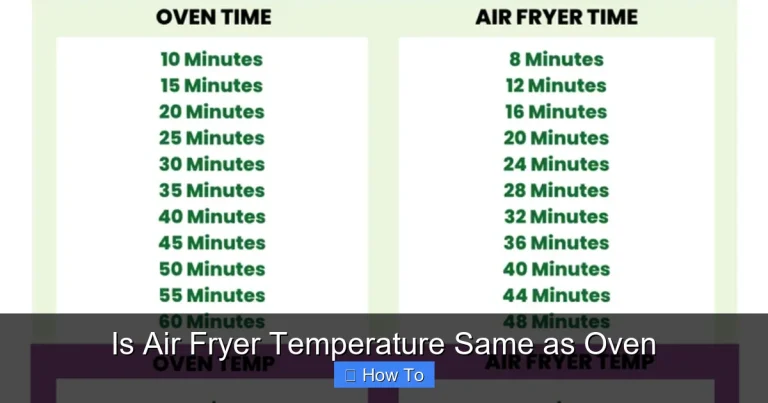
Visual guide about Is Toaster Oven and Convection Oven the Same
Image source: cdn.ckitchen.com
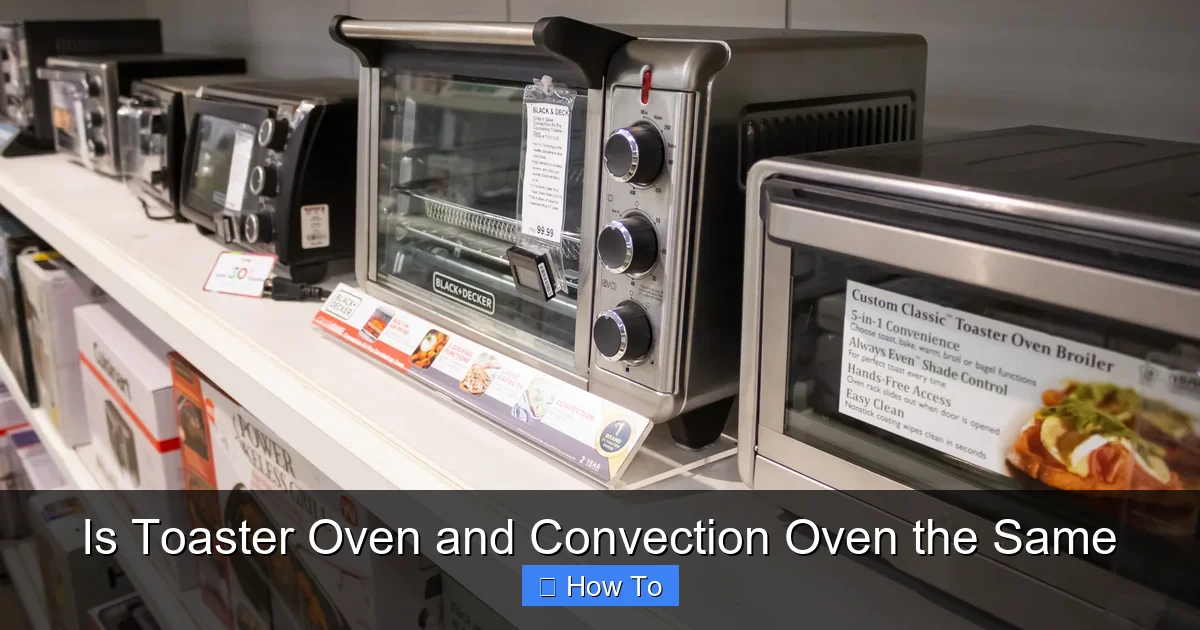
One of the most obvious distinctions between toaster ovens and convection ovens is their physical size and capacity. Standard toaster ovens are designed with countertop convenience in mind. They typically measure around 12-18 inches wide and offer interior cooking spaces ranging from 0.5 to 1.5 cubic feet. This compact size makes them perfect for small households, dorm rooms, or kitchens with limited space.
Convection ovens span a much wider spectrum of sizes and applications. Countertop convection models exist and often provide larger capacities than their non-convection counterparts—sometimes approaching 2 cubic feet. However, convection technology also extends to full-size ranges and wall ovens that can accommodate multiple racks of food simultaneously. These larger units might hold 5-10 cubic feet of cooking space, making them suitable for family meals and entertaining.
Countertop vs. Built-In Considerations
If you’re deciding between these appliances based on installation requirements, the choice becomes clearer. Toaster ovens are always freestanding countertop units that require no special installation. Simply plug them in and start cooking. Their portability allows you to move them around your kitchen as needed, store them away when not in use, or even take them camping (if they’re designed for travel).
Built-in convection ovens represent a significant commitment to your kitchen layout. Wall ovens require professional installation and dedicated electrical connections, while range units replace your existing cooktop setup entirely. These permanent installations offer the convenience of integrated design but also come with higher upfront costs and renovation considerations.
Cooking Performance and Versatility
Visual guide about Is Toaster Oven and Convection Oven the Same
Image source: easykitchenappliances.com
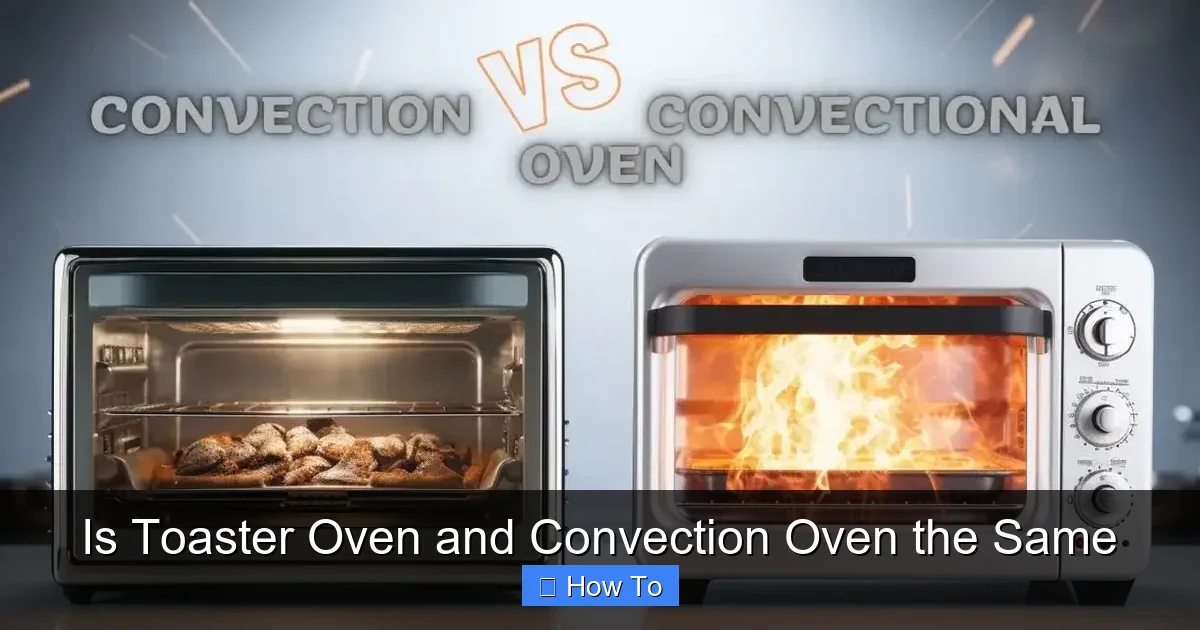
When it comes to actual cooking performance, convection ovens generally outperform traditional toaster ovens across multiple metrics. The fan-assisted cooking method reduces cooking times by approximately 20-25% compared to conventional radiant heating. This speed advantage becomes particularly noticeable when cooking items like roasted vegetables, baked chicken, or frozen pizza.
The even heat distribution in convection ovens also produces superior results for tasks requiring consistent browning and crisping. Cookies bake uniformly without needing to rotate pans, roasted nuts develop color evenly, and breads achieve consistent crust development. Traditional toaster ovens can struggle with these tasks due to hot spots created by their fixed heating elements.
However, toaster ovens excel in certain areas where their simpler design proves advantageous. They’re ideal for quick toasting, reheating small portions, or melting cheese on individual servings. Their compact size means they heat up quickly and don’t waste energy heating large air volumes, making them efficient for small-batch cooking tasks.
Multi-Function Capabilities
Modern convection ovens often include multiple cooking modes beyond simple convection. Many models feature combination settings that use both convection fans and traditional heating elements simultaneously. Some high-end units even incorporate steam injection technology, adding moisture to the cooking chamber for improved results with baked goods and roasted meats.
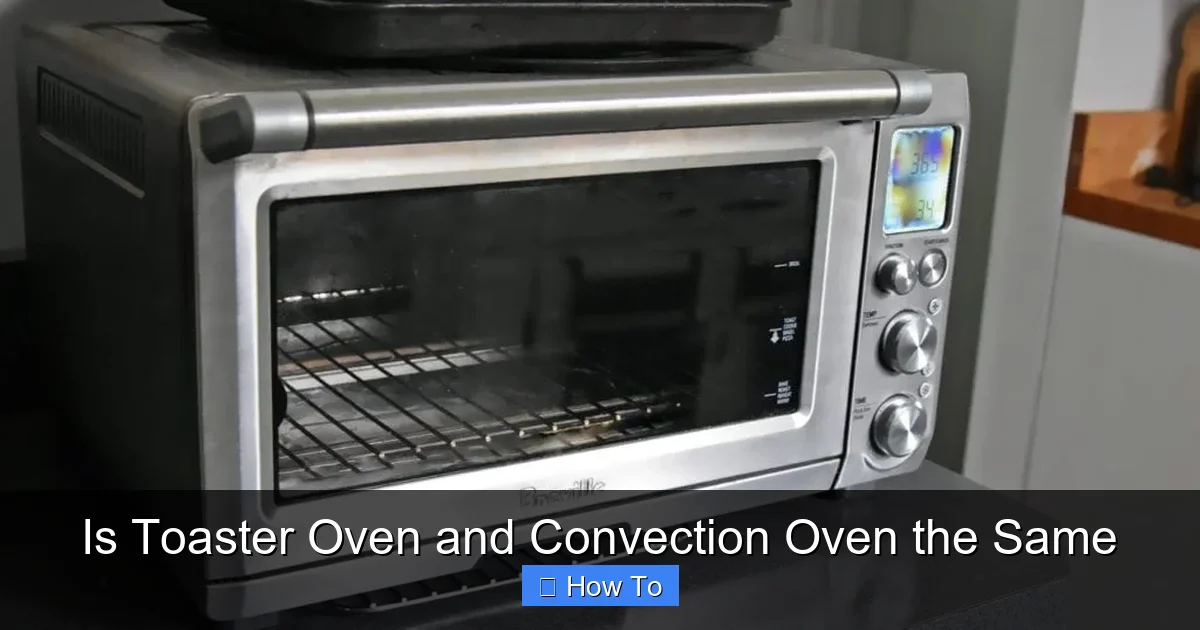
Toaster ovens have also evolved significantly in recent years. Premium models now include convection fans, multiple cooking functions, and sophisticated temperature control systems. These advanced toaster ovens blur the line between the two categories, offering many convection benefits in a compact, affordable package. For those interested in exploring this hybrid approach, checking out resources like the best toaster oven air fryer combinations can provide valuable insights into versatile countertop appliances.
Cost Analysis and Value Proposition
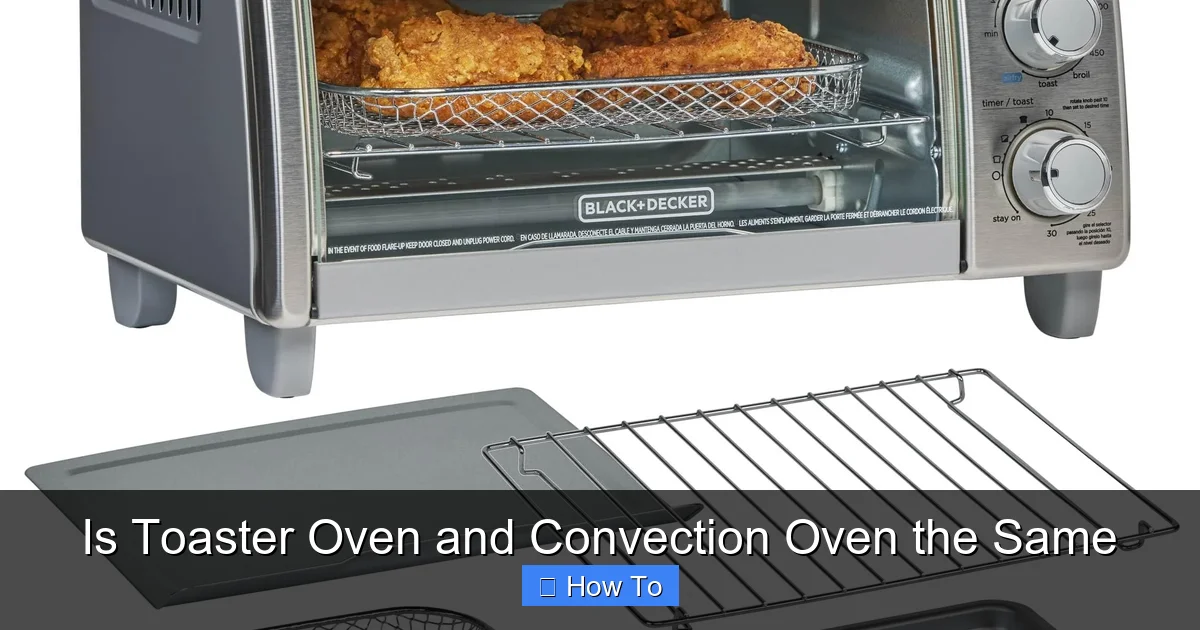
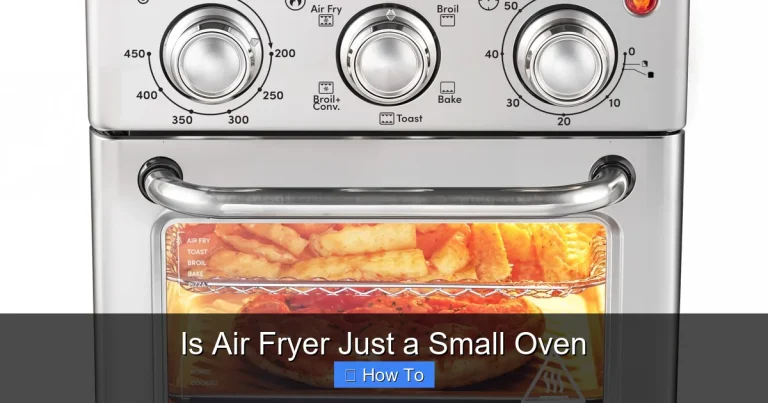
Visual guide about Is Toaster Oven and Convection Oven the Same
Image source: m.media-amazon.com
Budget considerations play a significant role in choosing between toaster ovens and convection ovens. Entry-level toaster ovens start at around $30-50, making them accessible to almost anyone. Even premium toaster oven models rarely exceed $200-300, offering excellent value for basic cooking tasks.
Convection ovens command higher price points across all categories. Basic countertop convection models start around $100-150, while full-size convection ranges begin at $500-800. Professional-grade wall ovens with advanced convection features can cost thousands of dollars. The investment often pays dividends through improved cooking performance and energy efficiency, but the initial cost barrier is significantly higher.
Long-Term Investment Factors
When evaluating long-term value, consider how frequently you’ll use convection cooking features. If you regularly prepare large meals, roast whole chickens, or bake bread, investing in a convection oven makes sense. The time savings and improved results justify the higher cost over years of use.
For occasional cooks or those with limited kitchen space, a quality toaster oven provides sufficient functionality without overwhelming your budget or countertop real estate. Many cooks find that having both appliances—using the toaster oven for daily tasks and the convection oven for special occasions—offers the best of both worlds.
Making the Right Choice for Your Kitchen
Choosing between a toaster oven and convection oven ultimately depends on your specific cooking habits, kitchen layout, and budget constraints. Consider these factors carefully:
First, assess your typical cooking volume and frequency. Do you cook for one or two people most nights, or do you regularly entertain guests and prepare large family meals? Smaller households benefit more from the convenience and efficiency of toaster ovens, while larger families might appreciate the capacity and performance advantages of convection cooking.
Next, evaluate your available kitchen space and electrical capabilities. Countertop appliances require minimal setup, while built-in convection ovens need proper ventilation and electrical connections. If you rent your home or plan to move soon, portable toaster ovens offer flexibility that permanent installations cannot match.
Finally, think about your cooking preferences and skill level. Beginners might prefer the straightforward operation of a basic toaster oven, while experienced cooks could appreciate the precision and versatility offered by convection technology. For those curious about how convection compares to other modern cooking methods, exploring resources like air fryer versus convection oven comparisons can provide additional context for making informed kitchen decisions.
Hybrid Solutions and Future Trends
The appliance market continues evolving toward multi-functional devices that combine several cooking technologies. Today’s premium toaster ovens often include convection fans alongside traditional heating elements, effectively serving as both appliance types in one compact unit. This trend allows consumers to enjoy convection benefits without committing to large, expensive installations.
Looking ahead, smart connectivity and advanced sensors are becoming standard features across both categories. Wi-Fi-enabled ovens can be controlled remotely via smartphone apps, while built-in cameras and temperature probes offer unprecedented cooking precision. These innovations suggest that the distinction between toaster ovens and convection ovens will continue blurring as manufacturers strive to pack maximum functionality into increasingly compact designs.
For those specifically interested in convection toaster ovens, researching options like convection toaster oven uses and benefits can help determine whether a hybrid approach meets your cooking needs effectively.
Conclusion
So, is a toaster oven the same as a convection oven? The short answer is no, though the lines between them have grown increasingly fuzzy in recent years. Traditional toaster ovens rely on radiant heat from fixed elements, offering compact, affordable cooking solutions perfect for small households and simple tasks. Convection ovens use fan-assisted air circulation to deliver faster, more even cooking results, available in everything from countertop models to full-size wall ovens.
Your decision should reflect your cooking habits, kitchen constraints, and budget priorities. Small households and renters benefit from the simplicity and portability of toaster ovens, while families and serious cooks often find convection technology worth the investment. Fortunately, modern hybrid appliances offer the best of both worlds, combining convection performance with toaster oven convenience in compact, affordable packages.
Regardless of which path you choose, understanding these fundamental differences empowers you to select the right appliance for your kitchen and cooking style. Whether you opt for a basic toaster oven or invest in advanced convection technology, you’ll be equipped to make an informed decision that enhances your culinary experience for years to come.
Frequently Asked Questions
Can a toaster oven cook as well as a convection oven?
For basic tasks like toasting and reheating, toaster ovens perform admirably. However, convection ovens generally produce more even results for complex cooking tasks like baking and roasting due to their fan-assisted heat distribution.
Do convection ovens really cook faster than toaster ovens?
Yes, convection ovens typically reduce cooking times by 20-25% compared to conventional toaster ovens. The circulating fan ensures more efficient heat transfer, allowing foods to cook through more quickly and evenly.
What size convection oven is best for a small kitchen?
Countertop convection ovens ranging from 1 to 2 cubic feet work well in small kitchens. They offer convection benefits without requiring the space or installation demands of full-size wall ovens or ranges.
Are convection toaster ovens worth the extra cost?
If you frequently use convection cooking features, yes. These hybrid appliances combine the convenience of countertop toaster ovens with convection performance, offering versatility that justifies the higher price for many home cooks.
Can I replace my regular oven with a convection toaster oven?
For small households with modest cooking needs, a high-quality convection toaster oven can handle many daily cooking tasks. However, large family meals and batch cooking may still require a full-size oven’s capacity.
What maintenance do convection ovens require?
Convection ovens need regular cleaning of the fan and air circulation vents to maintain optimal performance. Most models also require periodic deep cleaning of interior surfaces and heating elements, similar to conventional ovens.