Is the Ninja Foodi a Toaster Oven
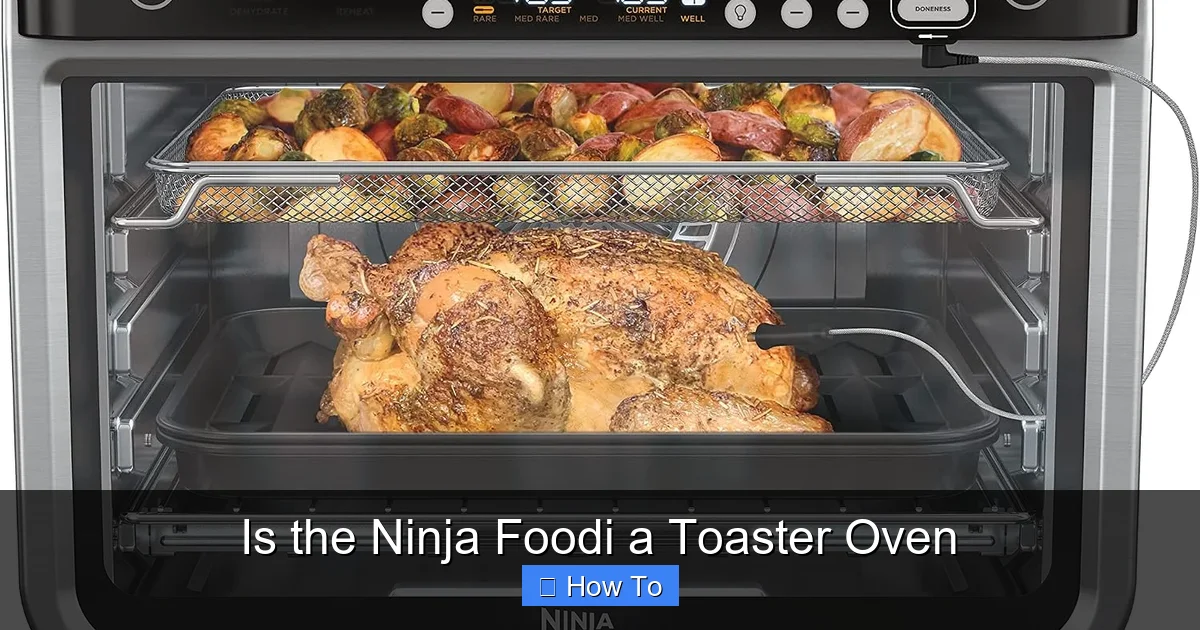
The Ninja Foodi is a versatile multi‑cooker that combines pressure cooking, air frying, baking, roasting, and more, leading many to wonder: Is the Ninja Foodi a toaster oven? While it offers a dedicated “Toast/Bake” function that mimics a toaster oven’s results, it isn’t a pure toaster oven because its primary design focuses on pressure cooking and air frying. Understanding its capabilities helps you decide if it can replace or supplement your countertop toaster oven.
When you first unbox the Ninja Foodi, its sleek stainless‑steel exterior and array of buttons can feel a bit overwhelming. Many home cooks are drawn to it because it promises to replace several appliances with one unit. Amid the excitement, a common question pops up in forums, reviews, and kitchen chats: Is the Ninja Foodi a toaster oven? The answer isn’t a simple yes or no; it depends on how you define a toaster oven and what you expect from it. In this guide we’ll break down the Foodi’s capabilities, compare them to a traditional toaster oven, and give you practical tips for getting the best toast, bake, and reheating results.
We’ll start by looking at what the Ninja Foodi actually is, then examine how its heating technology stacks up against the coils and convection fans found in standard toaster ovens. After that, we’ll dive into real‑world usage—how to toast bread, bake cookies, and reheat leftovers using the Foodi’s Toast/Bake mode. We’ll also weigh the pros and cons, discuss cleaning and maintenance, and finally help you decide whether the Ninja Foodi can serve as your primary toaster oven or if you’re better off keeping a dedicated unit on the counter.
Key Takeaways
- Multi‑Function Powerhouse: The Ninja Foodi integrates pressure cooking, air frying, baking, roasting, dehydrating, and a dedicated toast/bake mode, making it far more versatile than a standard toaster oven.
- Toast/Bake Mode Explained: When you select the Toast/Bake setting, the Foodi uses its heating element and fan to circulate hot air, delivering results similar to a conventional toaster oven for bread, bagels, and small baked goods.
- Capacity Considerations: With a typical 8‑quart cooking pot and a reversible rack, the Foodi can handle larger batches than most compact toaster ovens, but its interior shape may limit very wide items like large pizza pans.
- Pros for Toasting: Fast pre‑heat, even browning, and the ability to switch instantly to pressure cooking or air frying after toast make it a convenient all‑in‑one countertop appliance.
- Limitations to Note: The Foodi lacks a dedicated crumb tray, its door opens upward (which can be less convenient for quick toast access), and the toast/bake function may not achieve the same ultra‑crisp finish as a high‑end dedicated toaster oven.
- Easy Maintenance: Removable parts are dishwasher safe, and a quick wipe‑down after each use keeps the interior ready for the next cooking cycle.
📑 Table of Contents
What Is the Ninja Foodi?
The Ninja Foodi is marketed as a “pressure cooker that crisps,” but its feature list goes far beyond that. At its core, the unit combines a pressure‑cooking lid with a crisping lid that houses a powerful heating element and a high‑speed fan. This dual‑lid system lets you switch from pressure cooking to air frying, baking, roasting, dehydrating, and even a dedicated toast/bake function with just a button press. Because of this versatility, many people ask, Is the Ninja Foodi a toaster oven? The answer lies in understanding each function and how they overlap with the tasks a toaster oven typically handles.
Multi‑Cooker Functions
The Foodi’s control panel includes icons for Pressure Cook, Steam, Slow Cook, Sear/Sauté, Air Crisp (air fry), Bake/Roast, Broil, Dehydrate, and Toast/Bake. When you select Toast/Bake, the unit activates the heating element and fan to circulate hot air around the food, much like a convection oven. This mode is designed for tasks such as toasting bread, baking small pastries, reheating pizza slices, and even making toasted sandwiches. Because the Foodi can also pressure cook and air fry, it offers a level of flexibility that a traditional toaster oven simply cannot match.
Design and Controls
Visually, the Ninja Foodi resembles a tall, cylindrical pot with a hinged lid that lifts upward. Inside, you’ll find a removable cooking pot, a reversible rack, and a crisping plate that sits above the pot when the crisping lid is in place. The control panel is digital, with preset times and temperatures for each function. The door opens upward, which means you need a bit of vertical clearance above the unit—something to consider if you have low‑hanging cabinets. Despite these design differences, the Foodi’s interior space is surprisingly generous, often measuring around 8 quarts, which is larger than many compact toaster ovens.
If you’re curious about how the Ninja Foodi’s air‑frying capability compares to a convection oven, you might find this article helpful: Is The Ninja Air Fryer A Convection Oven. It explains the airflow technology that also powers the Foodi’s toast/bake mode.
How Does the Ninja Foodi Compare to a Traditional Toaster Oven?
To answer the question Is the Ninja Foodi a toaster oven? we need to look at the three core areas where a toaster oven excels: heating technology, capacity and size, and available cooking modes. Let’s break each down.
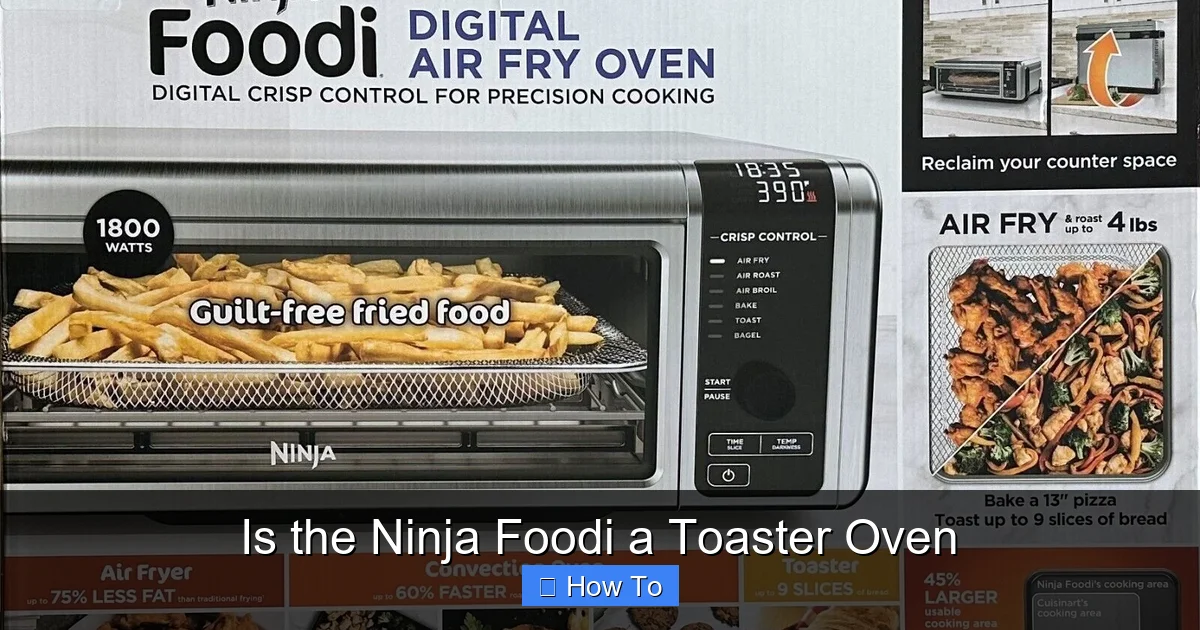
Visual guide about Is the Ninja Foodi a Toaster Oven
Image source: images.bonanzastatic.com
Heating Technology
A standard toaster oven uses either coiled heating elements (top and bottom) or a combination of elements plus a convection fan to circulate hot air. The Ninja Foodi’s Toast/Bake mode relies on a single heating element located in the crisping lid and a fan that pushes hot air down into the cooking pot. This setup creates a convection‑like environment, which generally yields even browning and faster pre‑heat times compared to basic coil‑only toaster ovens. However, because the heat comes from above only (unless you use the reversible rack to bring food closer to the element), you may notice slightly different browning patterns than you’d get from a dual‑element toaster oven that heats from both top and bottom.
Capacity and Size
Most compact toaster ovens offer an interior volume of roughly 0.5 to 0.8 cubic feet, enough for a 9‑inch pizza or four slices of bread. The Ninja Foodi’s cooking pot holds about 8 quarts, which translates to approximately 0.28 cubic feet—smaller in raw volume than many toaster ovens. However, the Foodi’s tall, narrow shape allows you to stack items on the reversible rack, effectively increasing usable space for layered foods like kebabs or layered casseroles. For flat items such as bread slices or a small baking sheet, the Foodi’s interior width may feel a bit restrictive, especially if you like to toast wide artisan loaves.
Cooking Modes
A traditional toaster oven typically offers bake, broil, toast, and sometimes a convection setting. The Ninja Foodi adds pressure cooking, air frying, dehydrating, and slow cooking to that list. This means that while you can certainly use it for toasting and baking, you also gain the ability to make stews, yogurt, jerky, and crispy fries—all without swapping appliances. If you value this extra versatility, the Foodi may feel like a worthwhile upgrade even if its pure toaster‑oven performance isn’t identical to a dedicated unit.
For more insight into what a toaster oven is good for, check out this guide: What Is A Toaster Oven Good For. It outlines the typical tasks that many users rely on a toaster oven for, which helps you see where the Foodi overlaps and where it diverges.
Using the Ninja Foodi as a Toaster Oven: Tips and Tricks
Now that we’ve established the similarities and differences, let’s get practical. If you decide to use the Ninja Foodi for toasting, baking, or reheating, a few simple techniques will help you achieve the best results.
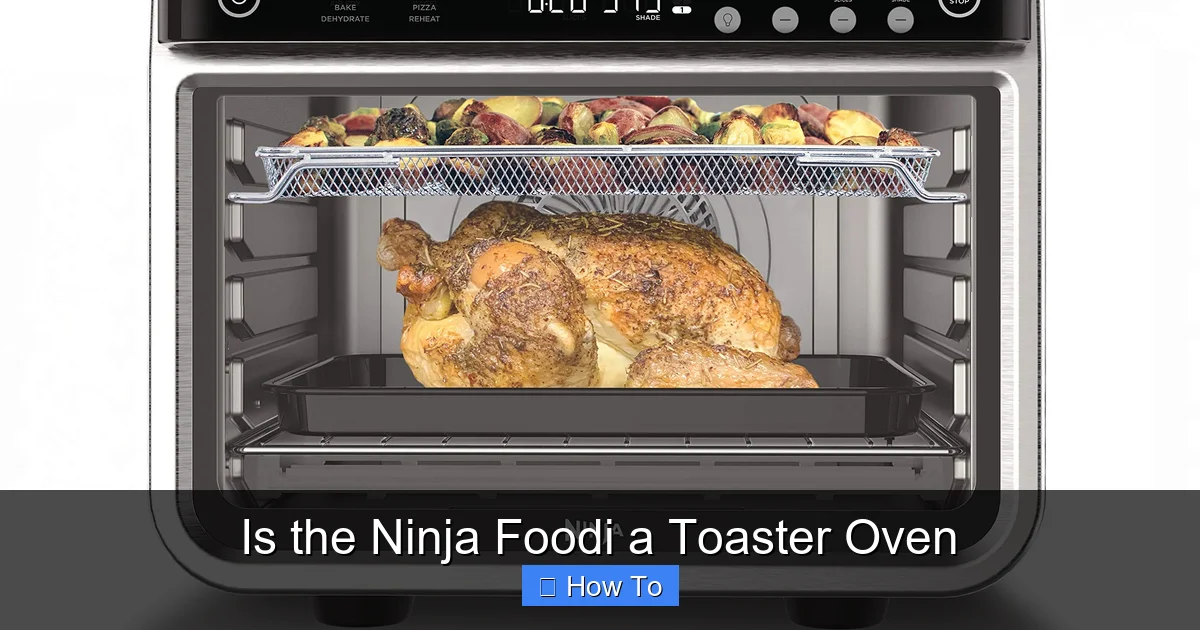
Visual guide about Is the Ninja Foodi a Toaster Oven
Image source: m.media-amazon.com
Toasting Bread
To toast bread in the Foodi, place slices directly on the reversible rack (flat side up) or on the crisping plate if you prefer extra crispness. Select the Toast/Bake mode, set the temperature to 375 °F (190 °C) and the timer to 3‑4 minutes for light toast, 5‑6 minutes for medium, and 7‑8 minutes for dark. Keep an eye on the bread during the last minute, as the convection fan can brown quickly. For bagels, slice them in half and place the cut side up; the same timing works well.
Baking Small Items
The Foodi excels at baking cookies, muffins, and small pastries. Use a lightweight aluminum or silicone pan that fits inside the cooking pot. Pre‑heat the unit on Toast/Bake at 350 °F (175 °C) for 5 minutes, then place your pan on the rack and bake as usual. Because the fan circulates air, you may need to reduce the baking time by 2‑4 minutes compared to a conventional oven recipe. Rotate the pan halfway through for even browning.
Reheating Leftovers
Reheating pizza, fried chicken, or leftover roasted vegetables works beautifully in the Foodi’s Toast/Bake mode. Set the temperature to 350 °F (175 °C) and heat for 5‑8 minutes, depending on the quantity and density of the food. The crisping lid helps restore a crunchy texture that microwaves often leave soggy.
Keeping the Foodi clean after these tasks is straightforward, and you can learn more about the process here: How To Clean A Ninja Toaster Oven. The guide walks you through removing the pot, wiping the lid, and maintaining the crisping plate for optimal performance.
Pros and Cons of Using the Ninja Foodi for Toasting
Every appliance has trade‑offs. Below we list the main advantages and drawbacks of relying on the Ninja Foodi for your toasting and baking needs.
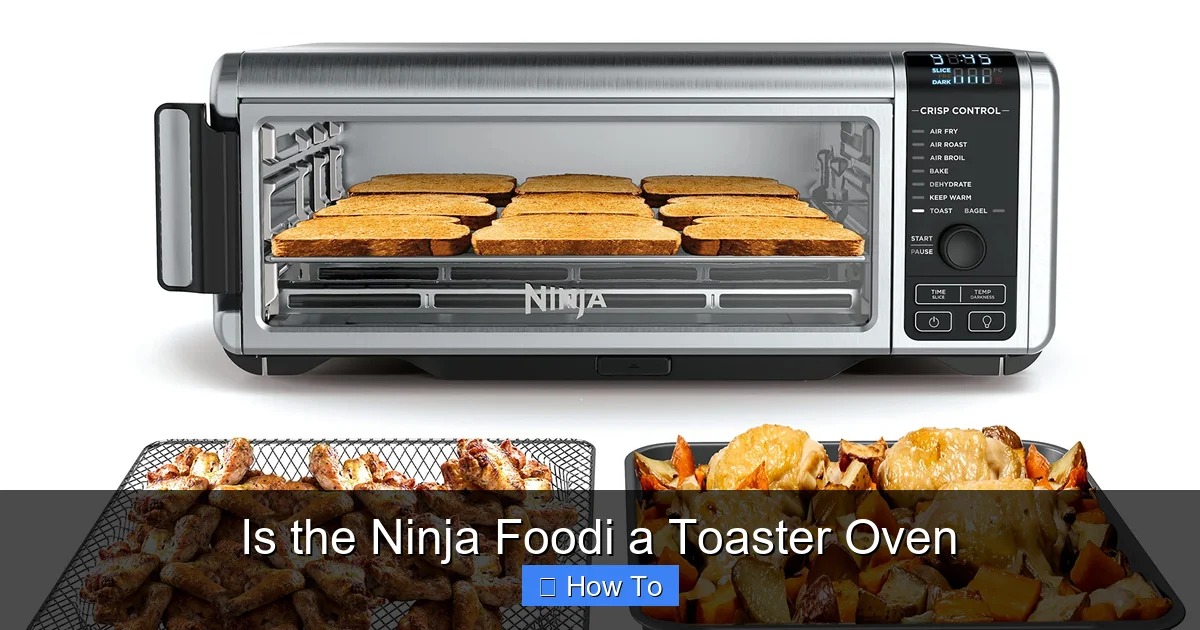
Visual guide about Is the Ninja Foodi a Toaster Oven
Image source: m.media-amazon.com
Advantages
- Speed: The Foodi pre‑heats in under two minutes, faster than many traditional toaster ovens.
- Even Browning: The convection fan reduces hot spots, giving uniform color on bread and pastries.
- Multi‑Tasking: Finish a batch of toast, then switch instantly to pressure cook a soup or air fry chicken wings without moving food to another appliance.
- Space Saving: If you have limited counter space, one device that does many jobs can reduce clutter.
- Versatile Accessories: The reversible rack and crisping plate let you customize the cooking height for different foods.
Limitations
- No Crumb Tray: Unlike most toaster ovens, the Foodi lacks a removable crumb tray, so you’ll need to wipe the interior after each toast session.
- Upward‑Opening Door: The lid lifts up, which can be awkward if you have low cabinets or want to grab toast quickly.
- Limited Width: The interior diameter is roughly 9‑10 inches, which may not accommodate very wide baking sheets or large pizza pans.
- Learning Curve: Because the Foodi offers so many functions, it takes a few uses to memorize the ideal settings for toast versus bake versus air fry.
- Price Point: The Ninja Foodi tends to cost more than a basic toaster oven, though you’re paying for extra functionality.
Maintenance and Cleaning
Proper care ensures that your Ninja Foodi continues to deliver consistent toast and bake results. Fortunately, the design makes cleaning relatively simple.
Easy Clean‑Up
After each use, let the unit cool slightly, then remove the cooking pot and reversible rack. Both are dishwasher safe, though hand washing with warm soapy water prevents any potential staining from sauces or oils. Wipe the interior of the crisping lid with a damp cloth; avoid abrasive scrubbers that could damage the non‑stick coating. The heating element is located inside the lid, so never immerse the lid in water—just wipe the exterior and the inner surface where the fan blows air.
Longevity Tips
- Avoid using metal utensils on the crisping plate; opt for silicone or wood to preserve the coating.
- Periodically check the fan vent for debris; a soft brush or vacuum attachment can keep airflow optimal.
- If you notice uneven browning, make sure the reversible rack is seated flat and that the food isn’t overcrowding the pot.
- Store the Foodi with the lid slightly ajar to prevent any moisture buildup inside the sealing ring.
For a deeper dive into cleaning specifics, refer back to the article we linked earlier: How To Clean A Ninja Toaster Oven. It provides step‑by‑step photos and troubleshooting tips for common issues like stuck‑on residue or lingering odors.
Final Verdict: Should You Rely on the Ninja Foodi as a Toaster Oven?
After exploring the features, performance, and upkeep, it’s time to answer the central question: Is the Ninja Foodi a toaster oven? The most accurate response is that the Ninja Foodi can function as a toaster oven for many everyday tasks, but it is not a dedicated toaster oven by design. If your primary need is quick, even toast and occasional small‑batch baking, the Foodi’s Toast/Bake mode will likely satisfy you, especially when you value the added ability to pressure cook or air fry without switching appliances.
Who Benefits Most
Busy households that want a single countertop appliance capable of handling breakfast toast, lunch‑time reheating, and dinner‑time pressure‑cooked meals will find the Foodi a great fit. Small kitchens, dorm rooms, or RVs where space is at a premium also benefit from the all‑in‑one approach. Additionally, anyone who enjoys experimenting with sous‑vide style pressure cooking, dehydrating fruits for snacks, or making crispy air‑fried vegetables will appreciate the extra functions that a plain toaster oven simply cannot offer.
Alternatives to Consider
If you prioritize pure toasting performance—think extra‑wide bagels, artisanal loaves, or a dedicated crumb tray for easy cleanup—you might still prefer a traditional toaster oven. Look for models with dual top/bottom heating elements, a wide interior, and convenient slide‑out crumb trays. For those who want the best of both worlds, some manufacturers now offer toaster‑oven‑air‑fryer hybrids that mimic the Foodi’s dual‑lid concept but retain a more conventional toaster‑oven shape.
In summary, the Ninja Foodi is a versatile kitchen workhorse that can act as a toaster oven for many users, delivering fast pre‑heat, even browning, and the convenience of switching to other cooking modes with a button press. Whether it replaces your toaster oven entirely depends on how much you value those extra functions versus the specific toast‑centric features of a dedicated unit. By weighing the pros, cons, and your own cooking habits, you’ll be able to decide if the Foodi deserves a permanent spot on your counter—or if it’s best used as a complementary appliance alongside a trusty toaster oven.
Frequently Asked Questions
Is the Ninja Foodi a toaster oven?
The Ninja Foodi includes a Toast/Bake mode that uses convection‑style heating to toast bread, bake small items, and reheat leftovers much like a traditional toaster oven. However, it is primarily designed as a multi‑cooker with pressure cooking and air frying capabilities, so it isn’t a dedicated toaster oven.
Can I use the Ninja Foodi to toast bagels and bread?
Yes. Place slices or bagel halves on the reversible rack or crisping plate, select Toast/Bake, set the temperature around 375 °F, and toast for 3‑8 minutes depending on your desired darkness. The convection fan provides even browning.
Does the Ninja Foodi have a crumb tray like a regular toaster oven?
No. The Foodi lacks a removable crumb tray, so you’ll need to wipe the interior after each toasting session to prevent crumbs from building up.
How does the Ninja Foodi’s Toast/Bake mode compare to a convection oven?
The Toast/Bake mode uses a heating element and fan to circulate hot air, creating a convection‑like environment. This results in faster pre‑heat and more uniform browning than basic coil‑only toaster ovens, though the heat source is primarily from above unless you adjust the rack height.
Is the Ninja Foodi good for baking cookies or muffins?
Absolutely. Use a lightweight pan that fits inside the cooking pot, pre‑heat on Toast/Bake at 350 °F, and bake as usual, reducing the time by a few minutes due to the efficient air circulation.
What maintenance does the Ninja Foodi need after using it for toasting?
Let the unit cool, remove the pot and rack, wash them (dishwasher safe or hand‑wipe), and wipe the interior of the crisping lid with a damp cloth. Avoid submerging the lid and keep the fan vent clear for optimal performance.