How to Toast Sliced Almonds in Toaster Oven
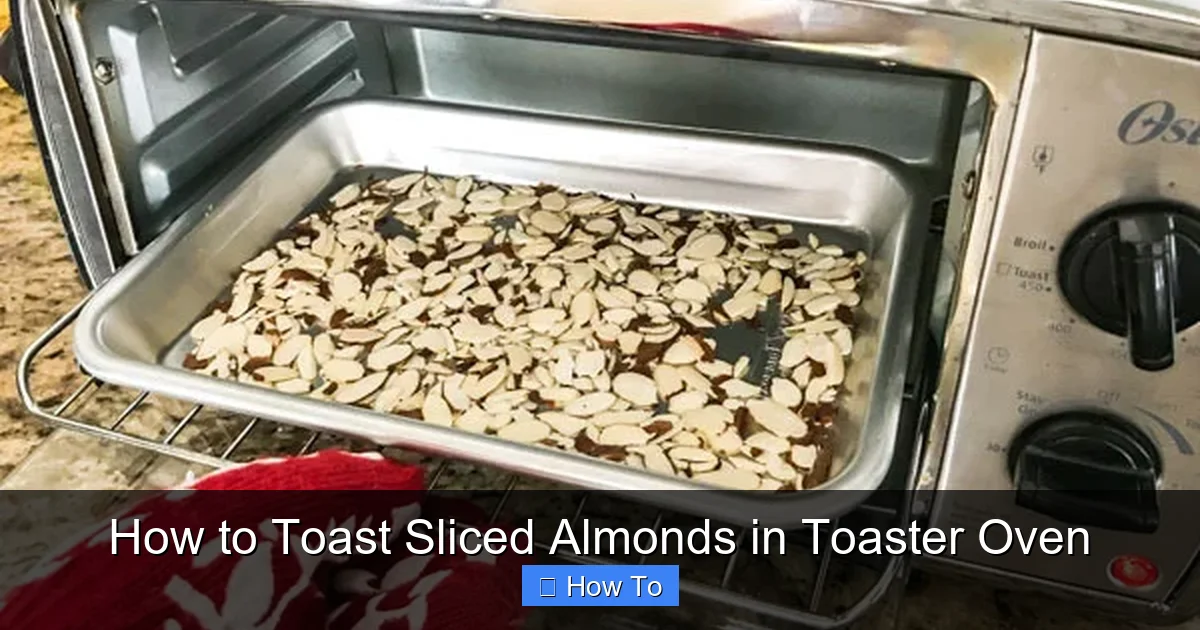
Toasting sliced almonds in a toaster oven is quick, easy, and brings out their rich, nutty flavor. Follow these simple steps for perfectly golden and crunchy results in just minutes.
There’s something magical about the moment sliced almonds hit hot air and transform from pale and soft to golden and crisp. That simple change unlocks a deeper, nuttier aroma that can elevate everything from a weekday salad to a weekend dessert. If you’ve ever wondered how to toast sliced almonds in toaster oven settings without ending up with burnt bits or undercooked nuts, you’re in the right place. In this guide, we’ll walk through the entire process, share pro tips, and show you how to get perfect results every single time. Whether you’re new to toasting nuts or just looking to refine your technique, the toaster oven is one of the most convenient tools for the job, delivering bakery-quality crunch without heating up your whole kitchen.
The beauty of using a toaster oven for this task lies in its size and speed. Unlike a full-sized oven, it preheats in minutes and uses less energy, making it ideal for small batches. Plus, the close proximity of the heating elements means you can monitor the almonds closely, adjusting after just a few minutes. This control is exactly why so many home cooks and baking enthusiasts prefer the toaster oven for nut toasting. By the end of this article, you’ll feel confident enough to toast a batch whenever the mood strikes, adding that professional touch to your favorite recipes.
The toaster oven’s compact design also means less waiting and more doing. You don’t have to wait for a massive oven to reach the right temperature, which saves both time and electricity. This efficiency makes it perfect for those weeknight moments when you need a quick topping ready in a hurry. Plus, the glass door lets you watch the toasting process unfold, so you can react instantly if you see any uneven browning. It’s this hands-on approach that turns a simple task into a reliable kitchen habit.
Key Takeaways
- Point 1: Use sliced almonds for even toasting, spreading them in a single layer so each piece toasts uniformly.
- Point 2: Preheat your toaster oven to around 350°F (175°C) for optimal browning without burning the delicate nuts.
- Point 3: Toast for 5 to 7 minutes, shaking the tray halfway through to ensure all sides get equal heat exposure.
- Point 4: Watch closely during the last minute, as almonds can go from golden to burnt quickly due to their high oil content.
- Point 5: Let toasted almonds cool on the tray for 2 minutes; they crisp up as they cool and continue to cook from residual heat.
- Point 6: Store cooled almonds in an airtight container at room temperature for up to two weeks to maintain crunch.
- Point 7: Toast a small batch first if you’re new to the process, adjusting time based on your specific toaster oven model.
📑 Table of Contents
Why Toast Sliced Almonds in a Toaster Oven?
Toasted almonds bring a world of difference to your dishes. The dry heat caramelizes the natural sugars in the nut, creating a richer flavor profile that raw almonds simply can’t match. When you toast sliced almonds in a toaster oven, you also enhance their crunch, which adds a satisfying texture contrast to soft ingredients like yogurt, oatmeal, or fresh fruit. Moreover, toasting helps release the nuts’ oils, which can then better absorb any seasonings you add later, such as a pinch of sea salt, smoked paprika, or a drizzle of honey. This flavor boost is why so many recipes specifically call for toasted almonds rather than raw ones.
Flavor Enhancement
During the toasting process, the Maillard reaction occurs, browning the surface and developing complex, toasted notes. This makes the almonds more aromatic and gives them a slightly sweet, nutty depth that pairs beautifully with both sweet and savory foods. If you’ve ever tasted almond butter or almond flour-based desserts, you’ll notice that toasted versions often have a more intense, satisfying flavor. This is why many recipes specifically call for toasted almonds rather than raw ones, as the toasting process unlocks a richness that elevates the entire dish.
Texture Improvement
Raw sliced almonds can sometimes feel chewy or soft, especially if they’ve been sitting in the pantry for a while. Toasting drives out excess moisture, resulting in a crisp snap that holds up well in toppings. This texture boost is particularly valuable in salads, where you want the almonds to stay crunchy even after dressing is added, or in baked goods, where they provide a structural crumb contrast. The difference between a raw and toasted almond in a salad is night and day; the toasted version adds a delightful crunch that complements crisp greens and creamy dressings alike.
Preparing Your Almonds for the Toaster Oven
Before you start, it’s important to prepare the almonds properly. Start with a fresh package of sliced almonds; if they smell rancid or taste bitter, they’ve gone bad and won’t toast well. Spread the slices in a single layer on a baking sheet or toaster oven-safe tray. Avoid piling them up, as this leads to uneven toasting some pieces will be overdone while others remain pale. If you’re toasting a large quantity, it’s better to do two smaller batches than one crowded tray, as overcrowding is the most common mistake beginners make.
Visual guide about How to Toast Sliced Almonds in Toaster Oven
Image source: i.pinimg.com
Raw vs Already Roasted
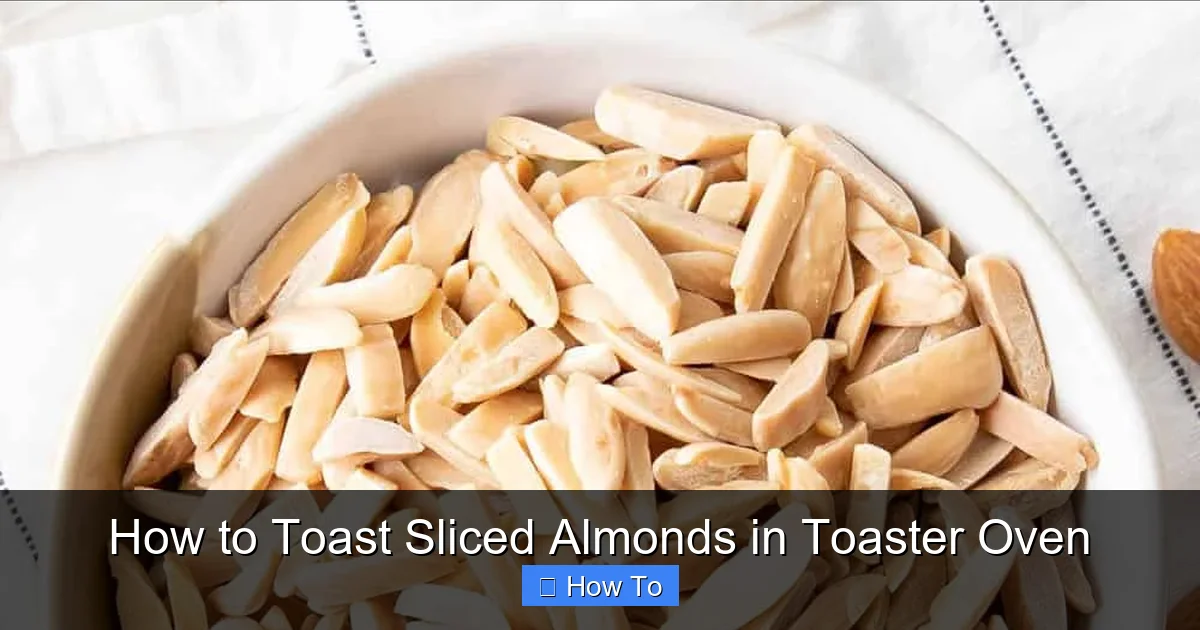
If you’re starting with raw sliced almonds, you have full control over the flavor and color. Raw almonds will turn golden brown when toasted, and you can stop at any point depending on how dark you like them. Already roasted almonds, on the other hand, may only need a quick warm-up to revive their crunch, typically requiring 2 to 3 minutes at the same temperature. Knowing whether your almonds are raw or pre-roasted helps you set the right time and avoid overcooking, since pre-toasted nuts can burn in a fraction of the time it takes raw nuts to reach the same color.
Optional Seasoning Before Toasting
For an extra flavor boost, you can toss the sliced almonds in a tiny amount of oil or melted butter before spreading them in the tray. A light coating helps seasonings stick and promotes even browning. Common additions include a pinch of sea salt, garlic powder, or a dash of cinnamon for sweet applications. However, if you prefer a dry toast, you can skip the oil entirely; the almonds will still brown nicely thanks to their natural fats. Just remember that oiled almonds may brown faster, so keep a close eye on them during the last minute of toasting to prevent any burnt bits from ruining the batch.
Step-by-Step: How to Toast Sliced Almonds in Toaster Oven
Now let’s get into the actual process. Follow these steps for consistent, delicious results every time you ask, how to toast sliced almonds in toaster oven settings:
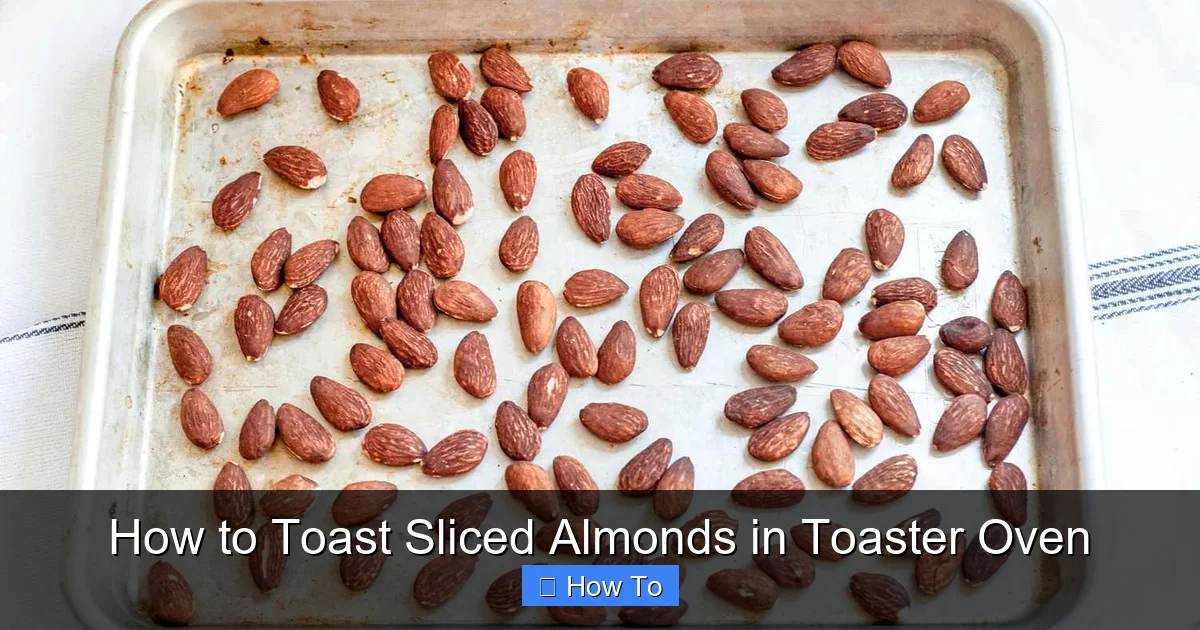
Visual guide about How to Toast Sliced Almonds in Toaster Oven
Image source: simplyrecipes.com
- Preheat the toaster oven to 350°F (175°C). Preheating ensures the almonds start toasting immediately, preventing them from sitting in lukewarm air and becoming soggy. A hot start is key for even browning.
- Prepare the tray by lining it with parchment paper or a silicone mat. This makes cleanup easier and prevents the almonds from sticking to the surface. If you don’t have parchment, a light greasing of the tray with a bit of oil works too, but parchment is generally the safest non-stick option.
- Spread the almonds in a single, even layer. Use a spatula to gently toss them once spread, ensuring no pieces overlap. Overlapping pieces steam instead of toast, leading to uneven results and some nuts being overcooked while others remain pale.
- Toast for 5 minutes set a timer. At the 5-minute mark, open the toaster oven and give the tray a shake or stir with a spoon. This simple action redistributes the almonds and exposes all sides to the heat, ensuring uniform browning.
- Check for doneness after the shake. Look for a golden-brown color and a fragrant nutty aroma. If they look pale, continue toasting in 1-minute increments, checking each time. This watchful approach is what separates perfectly toasted almonds from burnt ones.
- Remove and cool once they reach your desired color. Transfer the tray to a cool burner or heat-proof surface. The almonds will continue to crisp as they cool, so it’s better to slightly under-toast than to overdo it. This resting period is crucial for the final texture.
- Cool completely before storing or using. Let them sit for at least 2 minutes; this resting period is key for achieving the perfect crunch. If you use them while they’re still hot, they may be too soft and lose that satisfying snap.
Timing Guidelines by Almond Thickness
Not all sliced almonds are created equal. Thin slices toast faster, often in 4 to 5 minutes, while thicker cuts may need 6 to 7 minutes. If you’re using homemade slices from whole almonds, expect variability and toast in smaller batches, checking frequently. The 350°F temperature is a solid baseline, but your specific toaster oven’s hot spots may require you to adjust the rack position or rotate the tray halfway through for even browning. Keeping a close eye on the almonds during the final minute is always a good practice, as the difference between perfectly golden and burnt can happen in seconds.
Pro Tips for Perfectly Toasted Almonds Every Time
Even with a straightforward process, a few pro tricks can make your results consistently excellent. First, always toast almonds when they’re at room temperature; cold almonds from the fridge may steam slightly, extending the toasting time and affecting the final texture. Second, use the middle rack position in your toaster oven; this avoids the direct heat of the top element, which can burn the tops of the almonds before the bottoms are golden brown. This simple rack adjustment makes a noticeable difference in the evenness of the toast.
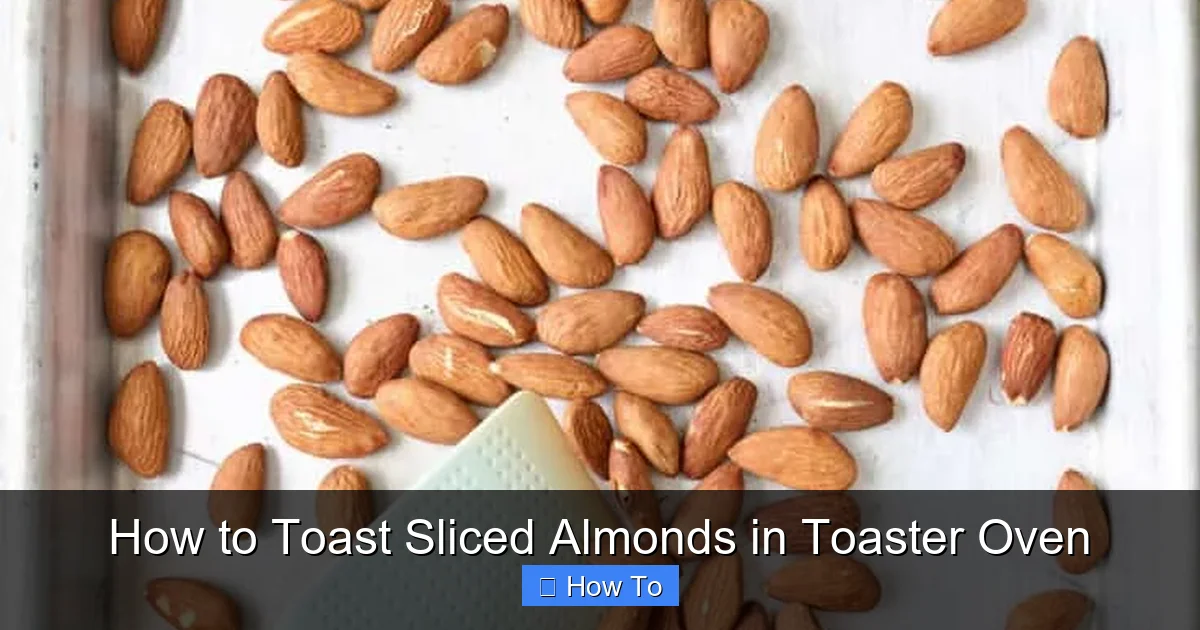
Visual guide about How to Toast Sliced Almonds in Toaster Oven
Image source: feelgoodfoodie.net
Monitoring Heat Distribution
Toaster ovens vary widely in how they distribute heat. Some have a strong top-down heat, while others cycle between top and bottom. If you notice your almonds browning too quickly on top, flip the tray or move it to a lower rack level. Conversely, if the bottoms are browning too fast, raise the tray or use a light-colored baking sheet, which reflects more heat than dark non-stick pans. Light-colored pans are especially helpful for delicate nuts like sliced almonds, as they prevent the bottoms from over-browning too quickly.
Adding Flavor After Toasting
One of the best parts about toasting your own almonds is the ability to customize the flavor immediately after they come out of the oven. While they’re still warm, toss them in a bowl with a drizzle of olive oil, a sprinkle of flaky salt, or a touch of maple syrup for a sweet-glazed finish. The warmth helps the seasonings adhere and sets as the almonds cool, giving you a professional-quality flavored topping in minutes. This method allows you to create everything from savory garlic-salt almonds to sweet cinnamon-sugar versions, depending on your mood.
Batch Toasting and Storage
If you need a larger quantity, toast in multiple batches rather than crowding the tray. This ensures each slice gets the crisp texture you’re after, and the toasting process remains quick and manageable. Once cooled, store the almonds in an airtight glass jar or resealable bag. Keep the container in a cool, dark pantry spot; exposure to light and heat can cause the almonds to go rancid faster. Properly stored, toasted almonds maintain their crunch for up to two weeks, though they’re often devoured much sooner. For even longer storage, the refrigerator or freezer works well, but always ensure they are completely cool before sealing them away to prevent moisture buildup that could make them soggy.
Creative Ways to Use Your Toasted Sliced Almonds
Now that you have a batch of perfectly toasted almonds, the possibilities are endless. Sprinkle them over a fresh green salad for added crunch and protein, or stir them into a bowl of overnight oats for a nutty breakfast boost. They also make a wonderful topping for yogurt parfaits, adding both texture and a rich flavor contrast to the creamy base. The toasted flavor makes them stand out even more than raw almonds, and you’ll notice the difference immediately.
In Baking and Desserts
Fold toasted sliced almonds into cookie dough, muffin batters, or cake mixes for an unexpected crunch that stands out against soft crumbs. They can also be pressed into the sides of a frosted cake or tart for an elegant, nutty border that looks as good as it tastes. For a classic treat, mix them into homemade granola or energy bars, where their toasted flavor complements dried fruit and honey perfectly. The nuts add both texture and a rich, nutty depth that makes simple baked goods feel special and gourmet.
Savory Applications
In savory dishes, toasted almonds can be pulsed in a food processor with herbs, garlic, and olive oil to create a quick almond pesto that rivals any store-bought version. Alternatively, sprinkle whole or halved toasted almonds over roasted vegetables, pasta, or grain bowls for added protein and texture. They also pair beautifully with roasted squash, Brussels sprouts, or a simple bowl of soup, adding a gourmet touch to everyday meals. The crunch holds up well even when mixed into warm dishes, providing a satisfying contrast to soft vegetables and creamy sauces.
As a Standalone Snack
Sometimes the simplest use is the best. Enjoy your toasted sliced almonds straight from the container as a satisfying between-meals snack. Pair them with a piece of fruit, a square of dark chocolate, or a glass of wine for a sophisticated yet easy treat. The toasted flavor makes them moreish, and you’ll appreciate knowing exactly how they were prepared. This straightforward snack option is perfect for when you need a quick energy boost without any prep work beyond the initial toasting.
Conclusion
Mastering how to toast sliced almonds in toaster oven settings is a small skill that yields big rewards in the kitchen. With just a few minutes, the right temperature, and a watchful eye, you can transform ordinary almonds into a versatile, flavor-packed ingredient that enhances countless recipes. The toaster oven’s quick preheat and precise heat control make it the ideal appliance for this task, giving you bakery-quality results without the hassle of preheating a full-sized oven. Remember to spread almonds in a single layer, shake the tray halfway through, and watch closely during the final minute to prevent burning. By following the steps and tips outlined in this guide, you’ll consistently achieve golden, crunchy almonds that elevate your salads, baked goods, and snacks. So go ahead, turn on your toaster oven, and enjoy the delightful crunch of freshly toasted almonds today.
Experiment with different seasonings, from savory garlic salt to sweet cinnamon sugar, and discover your favorite way to enjoy toasted almonds. The more you practice, the more intuitive the process becomes, and soon you’ll be toasting almonds like a pro without even thinking about it. Happy toasting! Every batch you make will build your confidence, and before you know it, you’ll be reaching for your toaster oven whenever a recipe calls for that perfect nutty crunch. The journey from raw to toasted is simple, quick, and utterly rewarding, and now you have all the knowledge you need to master it completely.
If you ever want to compare your results to other nut-toasting methods, you might find our guide on how long to toast walnuts in a toaster oven helpful for timing references. And if you’re curious about how this method stacks up against using a full-sized oven, check out our article on how to roast sliced almonds in the oven for a different approach. For those who love the bagel setting on their appliance, knowing what temperature to toast a bagel in a toaster oven can also give you a better sense of your machine’s heat patterns, which translates well to nut toasting as well.
Frequently Asked Questions
Can I toast whole almonds instead of sliced almonds in a toaster oven?
Yes, you can toast whole almonds in a toaster oven, but they require a longer toasting time, typically 10 to 15 minutes at 350°F. Because whole almonds have more mass, they heat up more slowly and need frequent shaking to ensure even browning. Keep a close eye on them during the last few minutes to prevent burning, and let them cool completely before storing.
How do I know when sliced almonds are perfectly toasted?
Perfectly toasted sliced almonds turn a golden-brown color and emit a fragrant, nutty aroma. They should feel crisp to the touch and make a slight snap when bitten into. If they still look pale or feel soft, return them to the toaster oven for another minute, checking frequently to avoid over-toasting.
Can I add oil or seasonings before toasting sliced almonds?
Yes, you can lightly toss sliced almonds in a small amount of oil or melted butter before toasting, which helps seasonings stick and promotes even browning. Common seasonings include sea salt, garlic powder, or cinnamon. If using oil, reduce the toasting time slightly, as oiled almonds may brown faster, and watch them closely during the final minute.
What is the best temperature to toast sliced almonds in a toaster oven?
The ideal temperature for toasting sliced almonds is 350°F (175°C). This temperature allows the almonds to brown evenly without burning, typically taking 5 to 7 minutes. If your toaster oven runs hot, you can lower the temperature to 325°F and extend the time by a minute or two for better control.
How long do toasted sliced almonds stay fresh?
When stored in an airtight container at room temperature, toasted sliced almonds stay fresh and crunchy for up to two weeks. For longer storage, keep them in the refrigerator for up to a month or in the freezer for three months. Always ensure they are completely cool before sealing them away to prevent moisture buildup.
Can I use a toaster oven’s air fry setting to toast sliced almonds?
Yes, the air fry setting on a toaster oven can be used to toast sliced almonds, often resulting in extra crispiness. Set the temperature to 350°F and use the air fry function for 4 to 6 minutes, shaking the tray halfway through. This method works well if you want a extra crunchy texture, but monitor closely since air fry settings can vary between models.