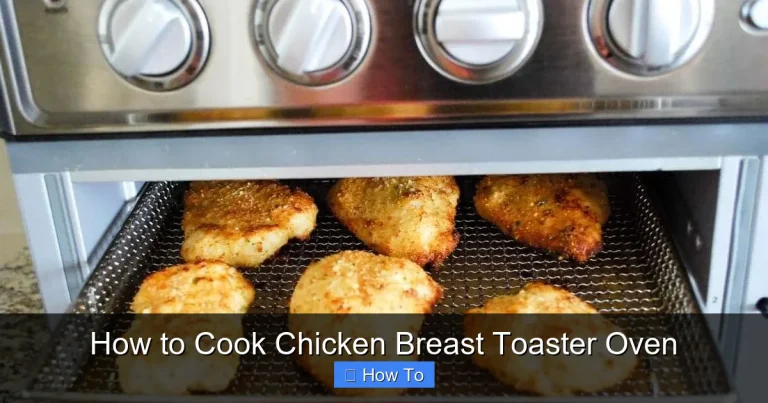
How to Cook Salmon in Cuisinart Toaster Oven
Cooking salmon in a Cuisinart toaster oven is fast, easy, and yields restaurant-quality results. This guide covers everything from selecting the right cut and seasoning to mastering bake, broil, and air fry settings for perfectly flaky fish every time.
There is something deeply satisfying about pulling a perfectly cooked piece of salmon from your countertop oven. The aroma fills the kitchen. The flesh flakes at the touch of a fork. The skin crisps into a golden shield. If you own a Cuisinart toaster oven, you already have the tool to make this happen any night of the week. No need to heat a massive wall oven. No need to watch a stovetop pan like a hawk. This guide walks you through every step to cook salmon in Cuisinart toaster oven units like a pro.
We will cover the best temperature settings. We will discuss prep tricks that guarantee moisture. We will compare bake, broil, and air fry modes. You will learn how to tell when it is done without cutting into it. By the end, you will have a foolproof method you can repeat for quick weeknight dinners or impressive weekend meals. Let us dive in.
Key Takeaways
- Preheat properly: Always preheat your Cuisinart toaster oven to 400°F for at least 5 minutes before adding salmon.
- Pat the fish dry: Removing excess moisture ensures better browning and prevents steaming.
- Use a thermometer: Pull salmon at 125°F for medium-rare or 135°F for medium; carryover heat finishes the job.
- Skin-side down: Cook skin-on fillets skin-side down on a parchment-lined tray for crispy skin and easy cleanup.
- Don’t overcrowd: Leave space between fillets for even air circulation and consistent cooking.
- Rest before serving: Let salmon rest 3-5 minutes after cooking to redistribute juices.
- Experiment with flavors: Simple salt and pepper works, but glazes, herbs, and citrus elevate the dish.
📑 Table of Contents
- Why Choose a Cuisinart Toaster Oven for Salmon?
- Preparing Your Salmon for the Toaster Oven
- Cooking Methods: Bake, Broil, and Air Fry
- Step-by-Step Guide to Cooking Salmon
- Tips for Perfect Salmon Every Time
- Serving Suggestions
- Cleaning Your Cuisinart Toaster Oven
- Common Mistakes to Avoid
- Flavor Variations to Try
- Storing and Reheating Leftovers
- Conclusion
Why Choose a Cuisinart Toaster Oven for Salmon?
A Cuisinart toaster oven is a countertop powerhouse. It heats faster than a full-size oven. It uses less energy. It offers precise temperature control. Many models include convection fans and dedicated air fry functions. These features are ideal for salmon. The compact cavity creates intense, even heat. That means a beautiful crust forms quickly while the interior stays buttery.
Convection circulation eliminates hot spots. You get consistent results across multiple fillets. The broil element sits close to the food. That delivers restaurant-style searing in minutes. If your model has air fry, you essentially have a mini convection fryer. It renders fat from the skin rapidly. The result? Crispy skin without flipping. Cleanup is easier too. Most units come with a baking pan and wire rack that slide right into the dishwasher.
Preparing Your Salmon for the Toaster Oven
Selecting the Right Cut
Not all salmon cuts behave the same in a toaster oven. Center-cut fillets are the gold standard. They are uniform in thickness. That means even cooking from edge to center. Tail pieces are thinner. They cook faster and can dry out. If you buy a whole side, consider cutting it into individual portions. Aim for pieces about 1 to 1.5 inches thick. Skin-on fillets protect the delicate flesh. The skin also gets wonderfully crisp. Skinless works too, but watch it closely.

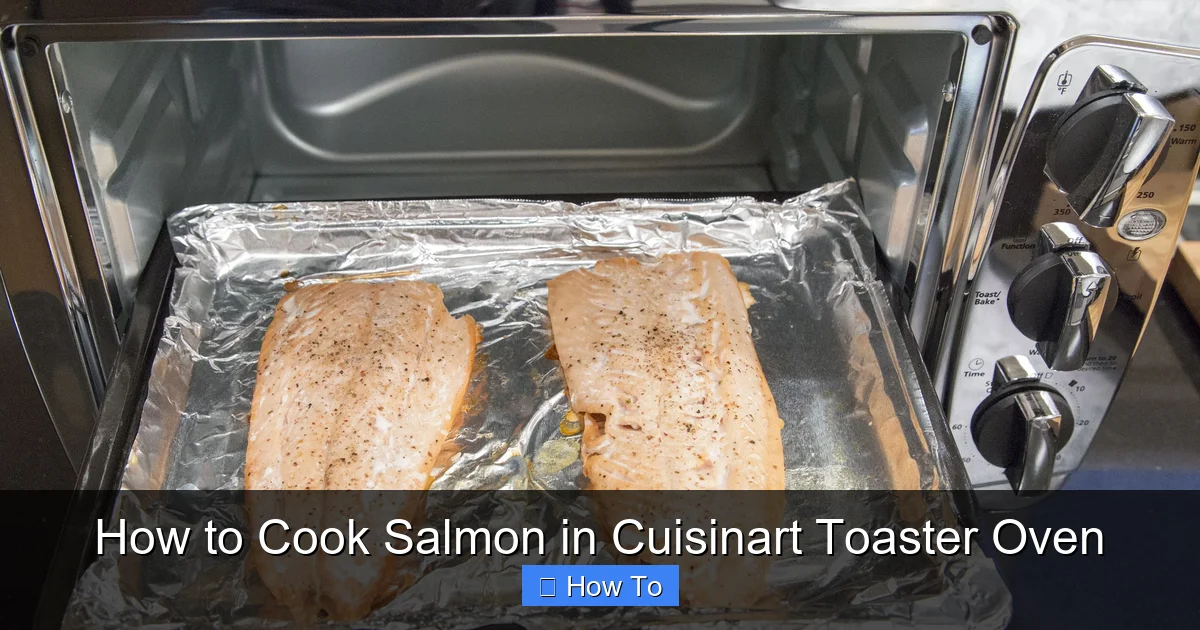
Visual guide about How to Cook Salmon in Cuisinart Toaster Oven
Image source: i.ytimg.com
Seasoning and Marinades
Salmon loves fat and acid. A simple rub of olive oil, salt, and pepper is classic. For deeper flavor, try a dry brine. Sprinkle kosher salt on the fillets. Let them sit on a rack for 15 minutes. Pat them dry. This seasons the flesh and firms the texture. Wet marinades work in 15 to 30 minutes. Soy sauce, honey, garlic, and ginger make a great Asian-style glaze. Lemon-dill yogurt marinades keep the fish incredibly moist. Avoid sugary glazes until the last few minutes. Sugar burns fast under the broiler.
Preheating the Oven
Never skip preheating. A cold oven leads to uneven cooking. Set your Cuisinart to 400°F on the Bake or Convection Bake setting. Let it run for at least 5 minutes. Ten is better. The walls and rack need to radiate heat. If you are using the air fry function, preheat at 390°F for 3 minutes. Place your baking pan inside during preheat. A hot pan jump-starts the skin crisping process.
Cooking Methods: Bake, Broil, and Air Fry
Bake Setting (Convection Preferred)
Bake is the most forgiving method. Set the oven to 400°F Convection Bake. Place salmon on a parchment-lined pan or the included baking tray. Skin side down. Cook 10 to 14 minutes for 1-inch fillets. Thicker pieces need 14 to 18 minutes. The convection fan circulates hot air. The top browns gently. The flesh cooks evenly. This method is perfect for meal prep. You can cook four fillets at once.
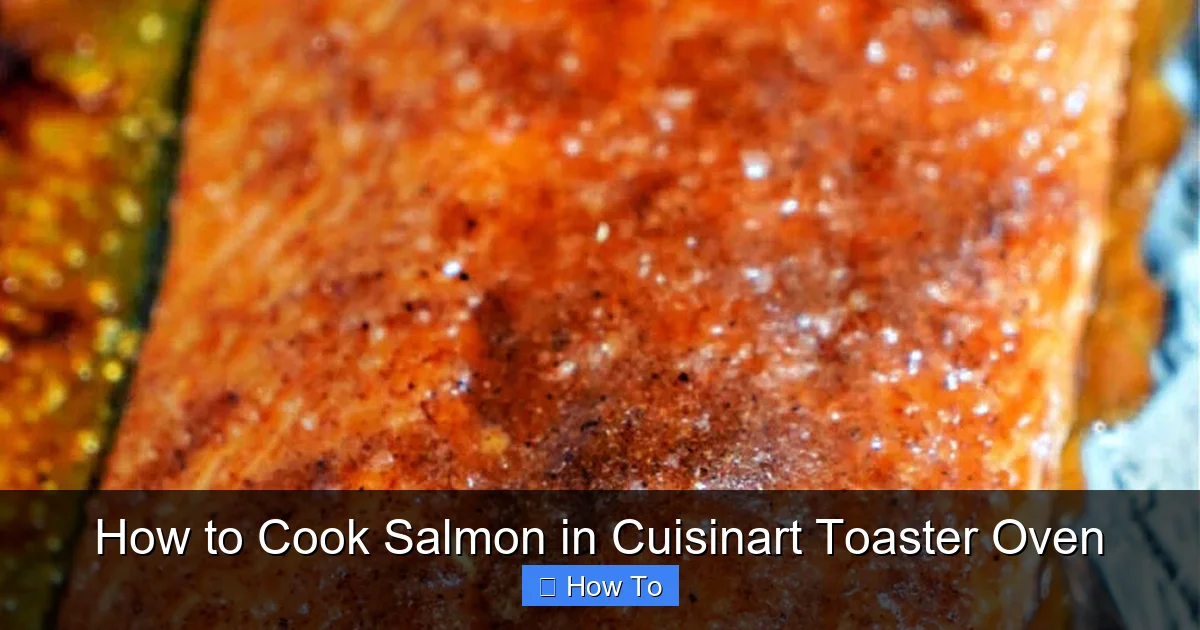
Visual guide about How to Cook Salmon in Cuisinart Toaster Oven
Image source: temeculablogs.com
Broil Setting for a Quick Sear
Broil uses intense top-down heat. It mimics a grill. Set the rack to the top position. Turn the dial to Broil. Preheat 3 minutes. Place salmon on the broil pan or a foil-lined tray. Cook 6 to 10 minutes. Watch closely. The sugars in any glaze will caramelize fast. This method gives a charred top and rare center. It is great for thin tail pieces or when you want a crust fast.
Air Fry Setting for Ultimate Crispy Skin
If your Cuisinart has an Air Fry function, use it. Set to 390°F. Place salmon skin-side down on the air fry basket or the wire rack set over the baking pan. Air flows 360 degrees. The skin becomes crackling crisp in 8 to 12 minutes. No flipping needed. The flesh stays juicy. This is my personal favorite for skin-on fillets. It delivers texture you cannot get in a standard oven.
Step-by-Step Guide to Cooking Salmon
Step 1: Preheat and Prep
Turn on the oven. Select Convection Bake at 400°F. Put the baking pan in to heat. While it warms, pat salmon fillets thoroughly dry with paper towels. Moisture is the enemy of browning. Drizzle with olive oil. Rub it all over. Season generously with salt and pepper. Add dried herbs, smoked paprika, or garlic powder if you like.
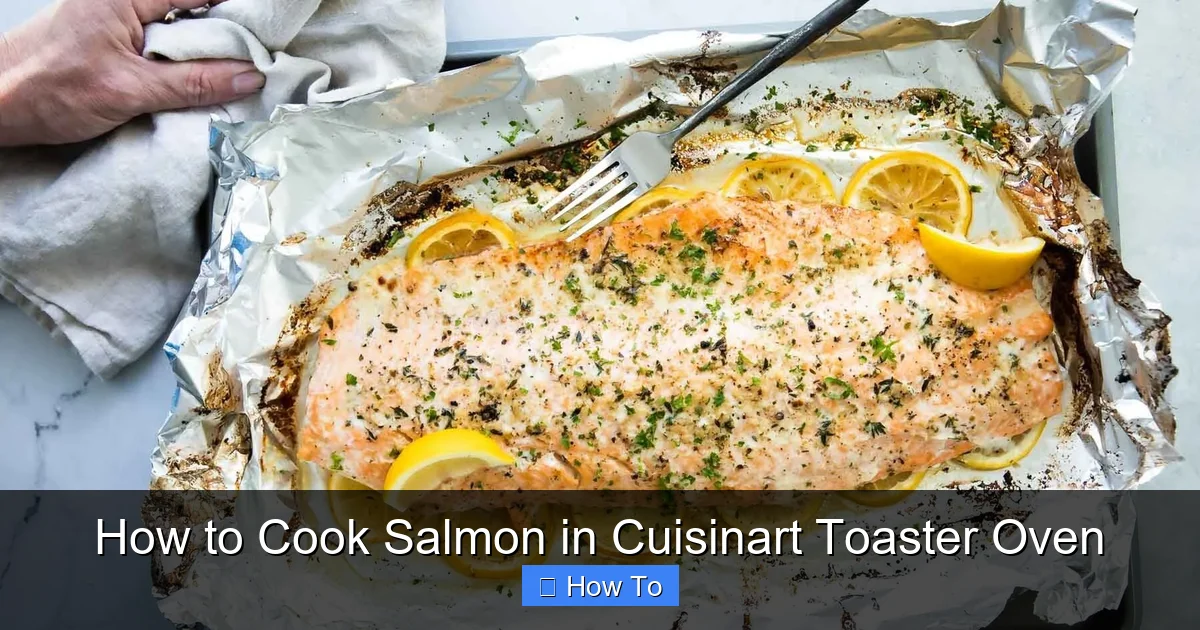
Visual guide about How to Cook Salmon in Cuisinart Toaster Oven
Image source: recipes.net
Step 2: Prepare the Pan
Carefully remove the hot pan. Line it with parchment paper or a silicone mat. This prevents sticking and makes cleanup instant. If you want the crispiest skin, skip the liner. Lightly oil the hot metal instead. Place fillets skin-side down. Leave at least an inch between them.
Step 3: Cook
Slide the pan into the middle rack. Set a timer for 8 minutes. Check the thickest part. If it flakes easily and reaches your target temperature, pull it. If not, continue in 2-minute increments. For a 1-inch fillet, 10 to 12 minutes is typical. For 1.5 inches, 14 to 16 minutes.
Step 4: Check Doneness
An instant-read thermometer is your best friend. Insert it horizontally into the center. 120°F is rare. 125°F is medium-rare. 130°F is medium. 135°F is medium-well. The USDA recommends 145°F, but that often yields dry salmon. Carryover cooking adds 5 to 10 degrees after removal. I pull at 125°F for a lush, translucent center.
Step 5: Rest and Serve
Transfer salmon to a plate. Tent loosely with foil. Rest 3 to 5 minutes. The juices redistribute. The temperature evens out. Squeeze fresh lemon over the top. Sprinkle flaky sea salt. Add a pat of compound butter if you feel fancy. Serve immediately.
Tips for Perfect Salmon Every Time
Don’t Overcook
Overcooked salmon is chalky and sad. The window between perfect and dry is narrow. Set a timer for 2 minutes less than you think you need. Start checking early. You can always put it back. You cannot uncook it.
Use a Thermometer
Visual cues lie. The “flake test” varies by fat content. A thermometer removes guesswork. A good digital probe costs $15. It lasts years. It works for steak, chicken, and bread too.
Let It Rest
Resting is not optional. Cutting immediately releases all the juices onto the cutting board. A 5-minute rest keeps them in the fish. The difference is dramatic.
Room Temperature Start
Take salmon out of the fridge 15 minutes before cooking. Cold fish cooks unevenly. The outside overcooks before the center warms. A slight temper solves this.
Skin On vs. Skin Off
Skin acts as a heat shield. It protects the flesh. It also contains collagen that turns gelatinous and delicious. If you hate skin, cook skin-on and peel after. The flesh will be moister.
Serving Suggestions
Salmon plays well with almost anything. For a light meal, serve over arugula with shaved fennel and citrus vinaigrette. For comfort food, pair with mashed potatoes and roasted asparagus. Rice bowls with avocado, edamame, and spicy mayo are trendy and easy. Leftover salmon flakes beautifully into scrambled eggs, pasta, or fish tacos. A simple dill-yogurt sauce elevates any plate.
Cleaning Your Cuisinart Toaster Oven
Salmon oil can splatter. Wipe the interior while the oven is still warm (but off) with a damp cloth. The crumb tray slides out. Wash it with soap and water. The baking pan and rack are usually dishwasher safe. For stuck-on glaze, soak the pan in hot soapy water. Avoid abrasive scrubbers on the non-stick coating. Regular cleaning prevents smoke and off-flavors next time you bake cookies. For a deep clean guide, check out how to clean a Cuisinart toaster oven.
Common Mistakes to Avoid
- Crowding the pan: Steam traps between fillets. They poach instead of roast.
- Skipping preheat: The first 5 minutes set the stage for texture.
- Using cold fish: Leads to a gray band of overcooked flesh around the edge.
- Walking away during broil: Sugar burns in seconds. Stay by the oven.
- Guessing doneness: Buy a thermometer. It is the single best tool.
Flavor Variations to Try
Maple-Mustard Glaze
Whisk Dijon, maple syrup, soy sauce, and garlic. Brush on last 3 minutes.
Herb Crust
Mix panko, chopped parsley, dill, lemon zest, and olive oil. Press on top before baking.
Cajun Spice
Rub with paprika, cayenne, garlic powder, onion powder, thyme, and oregano. Air fry for blackened effect.
Miso-Ginger
Marinate in white miso, mirin, sake, and grated ginger for 30 minutes. Broil for caramelization.
Storing and Reheating Leftovers
Cool cooked salmon to room temperature within 2 hours. Store in an airtight container in the fridge for up to 3 days. Reheat gently in the toaster oven at 275°F for 10 minutes. Or flake cold into salads. Avoid the microwave. It ruins the texture.
Conclusion
Cooking salmon in a Cuisinart toaster oven is a game changer. It is faster than a big oven. It is more consistent than a skillet. It gives you crispy skin and tender flesh with minimal effort. Remember the keys: preheat, pat dry, don’t overcrowd, use a thermometer, and rest. Master those, and you will never fear fish night again. Whether you bake, broil, or air fry, your Cuisinart delivers. Now go make dinner. You’ve got this.
If you enjoyed this guide, you might also like our article on how to make salmon in the toaster oven for more recipe ideas. For specific timing questions, see how long to cook salmon in oven at 375. And if you’re wondering about other fish, check out how to cook fish in oven toaster.
Frequently Asked Questions
What temperature should I cook salmon in a Cuisinart toaster oven?
400°F on Convection Bake is ideal for most fillets. If using the Air Fry function, set it to 390°F. For broiling, use the Broil setting with the rack in the top position.
How long does it take to cook salmon in a Cuisinart toaster oven?
A 1-inch thick fillet takes 10 to 12 minutes at 400°F Convection Bake. Thicker cuts need 14 to 18 minutes. Air fry takes 8 to 12 minutes. Always verify with a thermometer.
Do I need to flip salmon in a toaster oven?
No. Cook skin-side down the entire time. The heat from the pan and circulating air cooks the top gently. Flipping risks breaking the delicate flesh.
Can I cook frozen salmon in a Cuisinart toaster oven?
Yes. Rinse ice glaze off, pat dry, brush with oil, and season. Add 5 to 8 minutes to the cook time. Check internal temperature. Texture is best when thawed first.
How do I get crispy skin on salmon in a toaster oven?
Use the Air Fry setting at 390°F or Convection Bake at 400°F. Preheat the pan. Pat skin very dry. Oil the skin side. Cook skin-side down without moving.
Is it safe to cook salmon at 125°F internal temperature?
Many chefs prefer 125°F for medium-rare. The USDA recommends 145°F. If you are pregnant, immunocompromised, or serving high-risk individuals, cook to 145°F. For healthy adults, 125°F with a 5-minute rest is widely accepted.