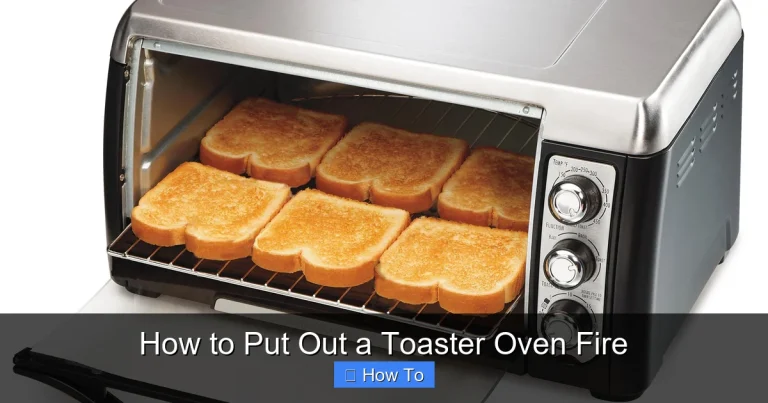
How to Cook Meat in a Toaster Oven
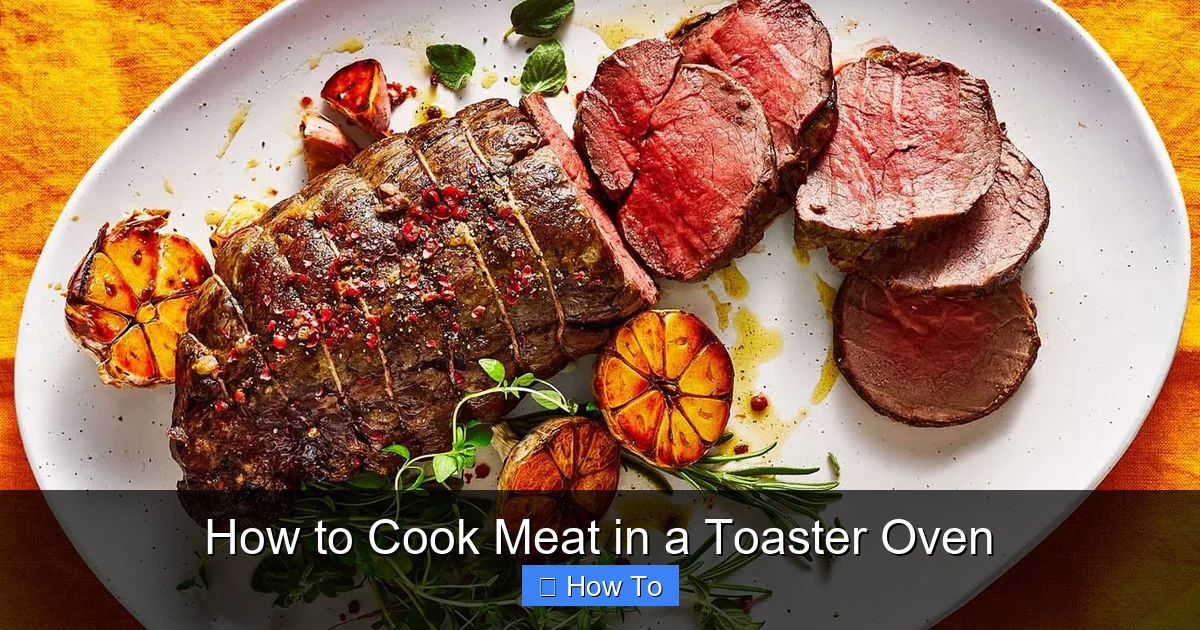
Cooking meat in a toaster oven is easier than you think. With a few key steps—proper preheating, correct temperature settings, and careful timing—you can get delicious steak, roast, or chicken every time. Follow these practical tips and avoid common mistakes to ensure your favorite meats turn out moist and flavorful.
**How to Cook Meat In A Toaster Oven**
Introduction
Nothing beats the convenience of turning your everyday toaster oven into a fully functional kitchen appliance. While people often associate toaster ovens with toasting bread and reheating leftovers, they are actually perfect for cooking meat when used correctly. The compact space and precise heat distribution make these appliances ideal for small portions like steaks, chicken breasts, or pork chops. Many home cooks have discovered that their toaster oven can produce results just as good as a traditional oven for certain dishes.
However, there are some tricks to master if you want those perfectly cooked meals every time. From selecting the right cut to setting the exact temperature, a little preparation goes a long way. Whether you’re cooking a simple grilled cheese sandwich or an impressive roast, understanding how to work with your toaster oven will transform it from a gadget into a reliable cookery companion.
In this guide, we’ll walk through everything you need to know about cooking meat in a toaster oven. We’ll cover preparation, temperature settings, cooking times, and how to check if your meat is done. Plus, we’ll share practical tips that will help you achieve restaurant-quality results without any fancy equipment.
Preparing Your Meat
Before you even turn on the oven, take a moment to prepare your meat properly. This step makes all the difference between a nice meal and a great one.
Key Takeaways
- Preheat your toaster oven thoroughly before placing food inside to ensure even cooking.
- Use appropriate temperatures based on the type of meat you’re preparing.
- Don’t overcrowd the pan so air circulates properly around each piece.
- Check internal temperature with a meat thermometer rather than relying solely on visual cues.
- Rest your meat after cooking to allow juices to redistribute for better flavor.
- Choose the right rack position (upper, lower, or middle) depending on the cut.
- Season generously before cooking for maximum flavor penetration.
📑 Table of Contents
Choosing the Right Cut
Not all meats cook equally well in a toaster oven. Lean cuts like sirloin, tenderloin, and chicken breast require shorter cooking times and moderate temperatures. On the other hand, fattier cuts such as ribeye, pork shoulder, and whole chickens benefit from higher heat and longer cooking periods. For beginners, medium-rare steaks and boneless chicken thighs are excellent choices since they have forgiving cooking times and stay juicy.
Seasoning Matters
Apply generous amounts of salt, pepper, and herbs before cooking. The seasoning creates a flavor barrier that helps seal in juices during cooking. You can also add garlic, rosemary, thyme, or even a light coating of oil to enhance both flavor and browning.
Pro Tip: Pat your meat dry with paper towels before seasoning. Moisture on the surface causes steaming rather than browning, which leads to less crispy, caramelized edges on your finished dish.
Setting Up Your Oven
Temperature Guidelines By Meat Type
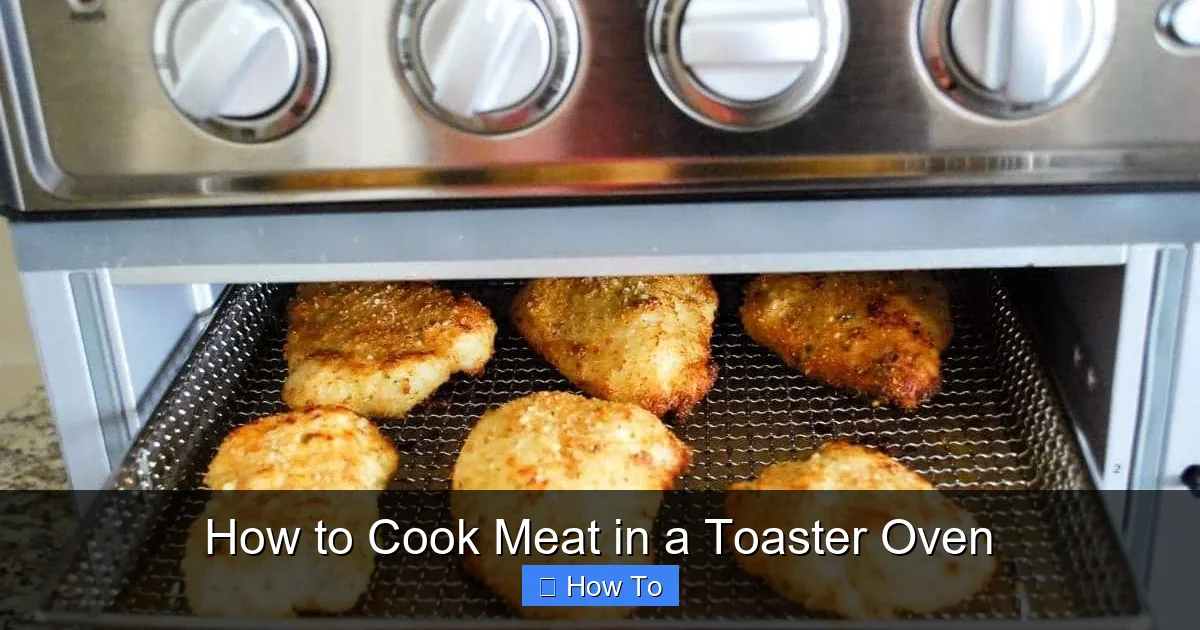
Visual guide about How to Cook Meat in a Toaster Oven
Image source: storables.com
Knowing the right temperature is perhaps the most important factor when cooking meat in a toaster oven. Most recipes call for high heat to quickly sear the exterior while keeping the interior safe and moist.
- Steaks and Fillets: Set your toaster oven to 400°F (200°C) for thin cuts, or 375°F (190°C) for thicker pieces. A hot start ensures a quick sear.
- Roasts and Pork Chops: Use 350°F (175°C) for medium-sized roasts. Larger cuts like prime rib can handle up to 400°F.
- Chicken Breasts and Thighs: Bake at 375°F (190°C) for 25-35 minutes per pound. Covering with foil halfway through keeps them moist.
- Salmon and White Fish: Cook at 400°F (200°C) for 12-15 minutes depending on thickness. High heat sears the skin while keeping the flesh opaque.
Rack Positioning Secrets
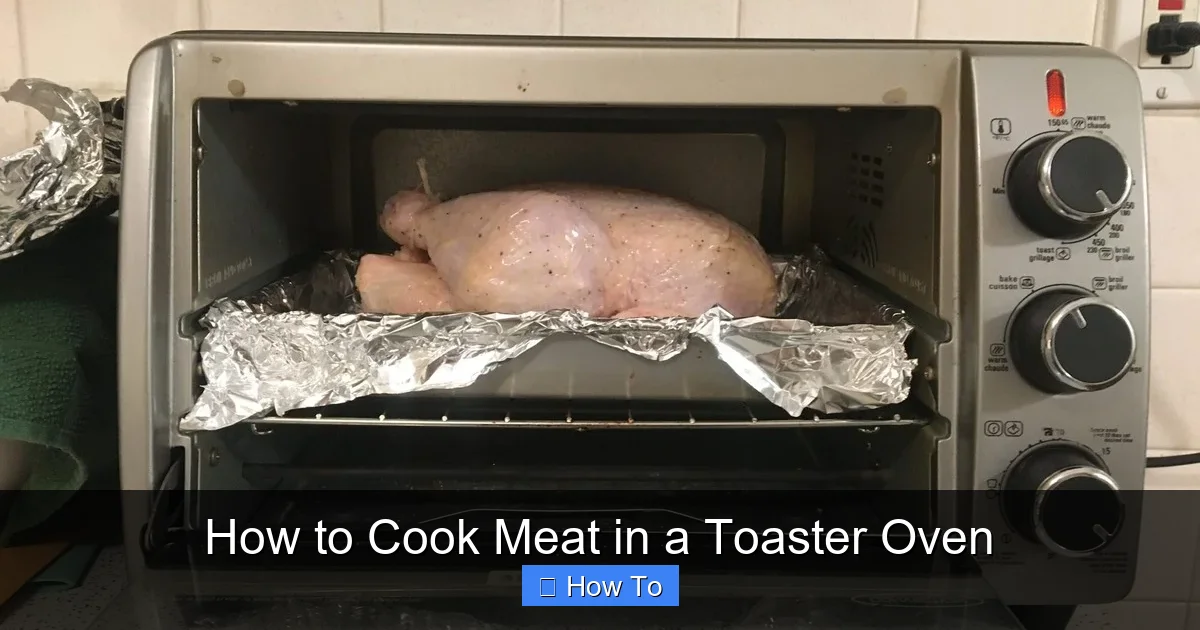
Visual guide about How to Cook Meat in a Toaster Oven
Image source: recipes.net
Where you place your meat in the oven affects its cooking performance. The upper rack provides direct heat above the top of the meat, creating beautiful crusts. The lower rack gives more even heat circulation, ideal for large roasts. If you’re cooking something delicate like fish or a single steak, try the middle rack where heat is distributed most evenly.
Important Note: When cooking multiple items at once in a crowded toaster oven, give each piece enough room to breathe. Overcrowding traps steam, resulting in soggy, unevenly cooked meat.
Cooking Techniques
Cooking Steaks and Fillets
Visual guide about How to Cook Meat in a Toaster Oven
Image source: paradiseapplianceservice.com
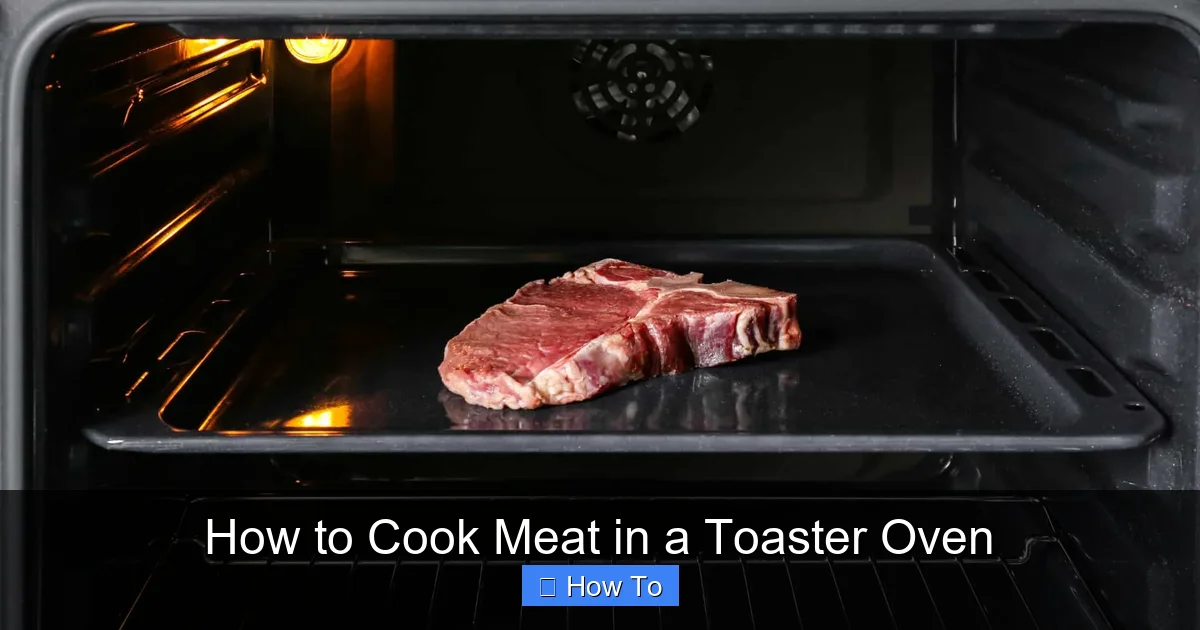
For perfect steaks, follow this simple method: preheat your oven to 450°F (230°C), season generously, and season both sides with salt and pepper. Place the steak on a wire rack set over a baking sheet to allow air to circulate underneath. Cook until the internal temperature reaches 130°F (54°C) for medium-rare, then let it rest.
Or try the reverse sear technique: start at a lower temperature like 300°F (150°C) for 20 minutes to cook through gently, then finish at 425°F (220°C) for a quick brown crust. This method produces exceptionally tender, flavorful steaks.
Roasting Whole Meats
Roasting smaller cuts like lamb chops, chicken legs, or pork chops requires patience. Place them on a rimmed baking tray with a light drizzle of olive oil. Roast at 350°F (175°C) until the internal temperature hits 145°F (63°C) for poultry or 135°F (57°C) for red meat. Always use a meat thermometer inserted into the thickest part of the meat, avoiding bone.
Poultry Tips
Chicken breasts dry out easily because they cook quickly. To prevent this, pound them to an even thickness before seasoning. Spatchcocking (removing the backbone and flattening chicken) allows faster, more even cooking. Bread crumbs, oats, or even crushed crackers help create a crispy coating when baked with a little oil.
Checking Doneness
Using a Meat Thermometer
No matter what recipe you follow, trusting a digital instant-read thermometer is always safer than guessing by touch or sight. Insert the probe into the thickest part of the meat, avoiding bones and silver skirts. Remove the meat from the oven when it’s 5-10 degrees below your target temperature; it will continue cooking carrying over heat.
Visual Cues Matter Too
While thermometers are essential, you can tell when meat is nearly done by observing color changes. A medium-rare steak turns pinkish-red internally, while well-done meat becomes uniform gray-brown. Chicken should reach golden brown on the outside but remain translucent in the center. Remember that colors vary based on the cut and fat content.
Resting Your Meat
Never cut into your meat immediately after removing it from the oven. Let it rest for at least 5-10 minutes on a cutting board. During this time, juices redistribute throughout the protein fibers, making the meat tender and flavorful. Cutting too early causes juices to run out onto the plate, leaving you with dry meat despite perfect cooking.
Common Mistakes to Avoid
Overcrowding the Pan
When too many pieces sit together, steam builds up and prevents browning. Each item needs breathing room to release moisture and develop a proper crust. If you must cook multiple meats, consider doing them in separate batches.
Skipping the Preheat
Toaster ovens come with variable heating elements that take time to reach optimal temperature. Skipping preheat sets back your entire cooking process and leads to uneven results. Give your oven at least 10-15 minutes to stabilize before starting.
Wrong Temperature Settings
Low temps cook slowly but risk drying out meat. Very high temps can burn the exterior while leaving the interior raw. Stick to the guidelines in your trusted recipe sources, which typically align with standard oven ranges adapted for convection-style toaster ovens.
Frequently Asked Questions
Question? What is the best temperature for cooking chicken in a toaster oven?
The best temperature for cooking chicken in a toaster oven is 375°F (190°C). This range allows the meat to cook evenly without drying out, especially if you want a golden-brown exterior while keeping the interior juicy. For extra crispiness, you can increase to 400°F (200°C) for the last few minutes of cooking.
Question? How do I know when my beef has reached medium rare?
Medium-rare beef should register 130-135°F (54-57°C) in the center. It will feel slightly warm to the touch but still have a red glow when sliced open. Avoid overcooking by aiming for that perfect 5-degree window before the final internal temperature reading.
Question? Can I cook meat in my toaster oven without a roasting pan?
Yes, absolutely! As long as your meat isn’t extremely large or needs to absorb liquid, a simple baking sheet works fine. Just avoid cooking very wet ingredients like soups or stews that could overflow. A wire rack placed on a baking sheet can also help with drainage and browning.
Question? What is the shortest cooking time for a 1-pound steak in a toaster oven?
A 1-pound steak generally takes 8-12 minutes at 425°F (220°C) for medium-rare. For medium, aim for 10-14 minutes. Always use a thermometer to confirm the internal temperature rather than relying purely on time estimates.
Question? Should I cover my meat while it cooks?
It depends on the recipe. For most meats, leave the lid off after preheating to allow direct radiant heat to cook the surface. Only cover if you’re roasting a large bird like a turkey or need to trap steam for slow cooking. Covering increases the chance of drying out the meat.
Question? How do I save leftover cooked meat in the toaster oven?
Reheat leftover meat in a covered dish at 300°F (150°C) for 10-15 minutes. This gentle warming preserves texture and prevents overcooking. For quicker reheating, microwave is fine for individual portions, but the toaster oven maintains better quality.