How to Cook Frozen Salmon in Toaster Oven
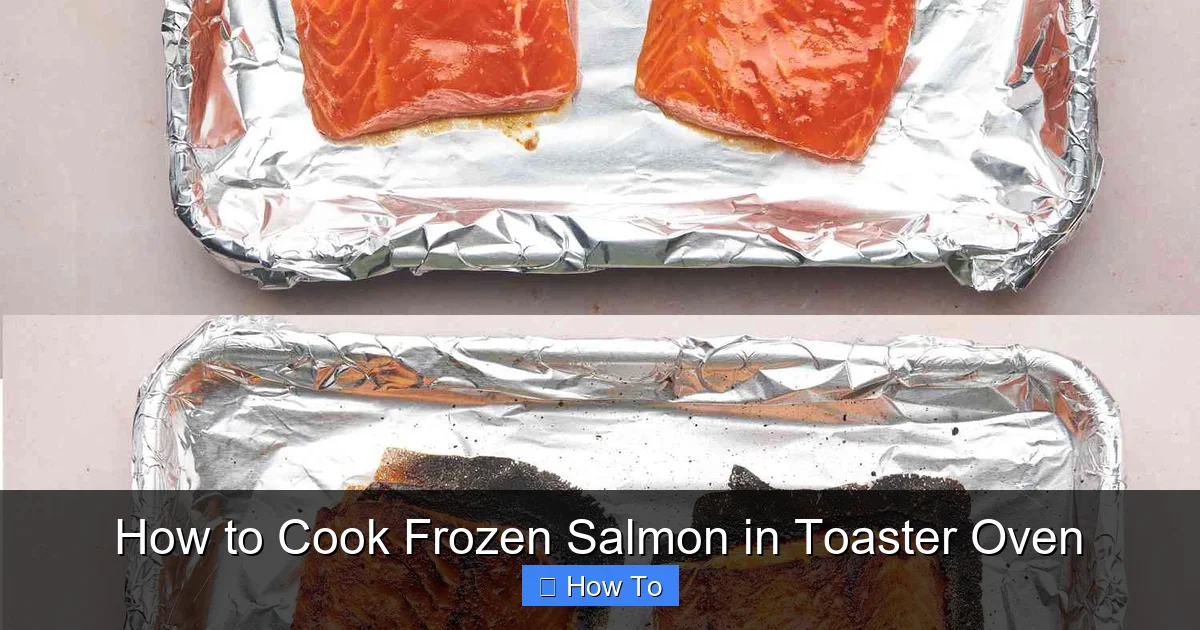
Cooking frozen salmon in a toaster oven is quick and easy, delivering flaky, moist results without thawing. This guide walks you through the best temperature, timing, and simple seasoning ideas to get a perfect fillet every time.
Key Takeaways
- Preheat to 400°F: A hot toaster oven cooks frozen salmon evenly and creates a crisp exterior.
- No thawing needed: Place the frozen fillet directly on the rack or baking sheet.
- Season simply: Salt, pepper, lemon zest, and fresh herbs enhance the natural flavor.
- Cook skin‑side down: If the salmon has skin, keep it down for a crispy skin.
- Check internal temperature: Aim for 145°F (63°C) for moist, flaky meat.
- Rest before serving: Let the salmon sit for 2 minutes to retain juices.
📑 Table of Contents
Introduction to Cooking Frozen Salmon in a Toaster Oven
When you need a quick, healthy meal, how to cook frozen salmon in a toaster oven can be a lifesaver. The compact size of a toaster oven means you can achieve a golden‑brown crust without heating up your whole kitchen. This guide walks you through selecting, seasoning, and cooking frozen salmon to perfection.
Most people think salmon must be thawed before cooking, but a frozen fillet can go straight into the oven. The key is to control temperature and timing so the inside cooks through while the outside stays moist. You’ll be surprised at how easy it is to get restaurant‑quality results at home.
Salmon is rich in omega‑3 fatty acids, protein, and vitamins. Using a toaster oven reduces the risk of overcooking because the heat is direct and easy to monitor. It also uses less energy than a full‑size oven, which is good for your wallet and the planet.
Why a Toaster Oven Is Ideal for Frozen Salmon
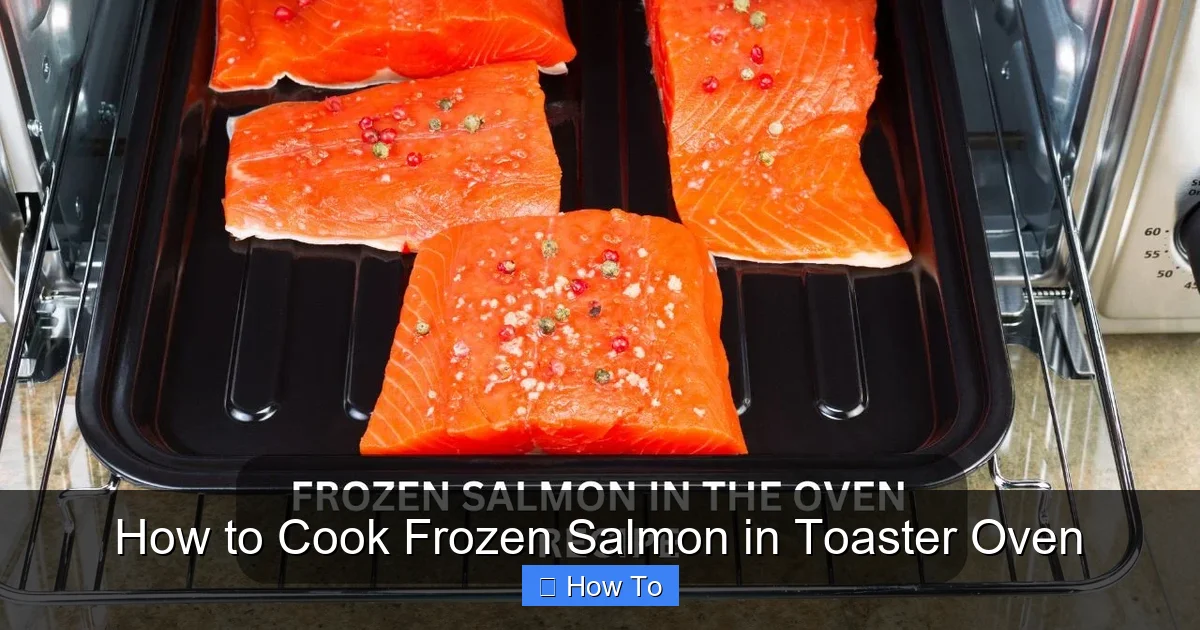
A toaster oven offers even heating in a small footprint. Because the heating elements are close to the food, they create a quick sear that locks in moisture. This makes it ideal for fatty fish like salmon, which can dry out if cooked too slowly.
Visual guide about How to Cook Frozen Salmon in Toaster Oven
Image source: recipessport.com
Many modern toaster ovens have a “bake” setting that mimics a conventional oven. For more on cooking fish in a toaster oven, see our guide on How to Cook Fish in Oven Toaster. The ability to control temperature precisely helps you fine‑tune the cooking process for different salmon thicknesses.
Another advantage is that a toaster oven typically has a smaller interior, which means the heat circulates more efficiently. This reduces hot spots and ensures that your salmon cooks evenly from edge to center.
Selecting and Preparing Your Salmon
Choosing the Right Fillet
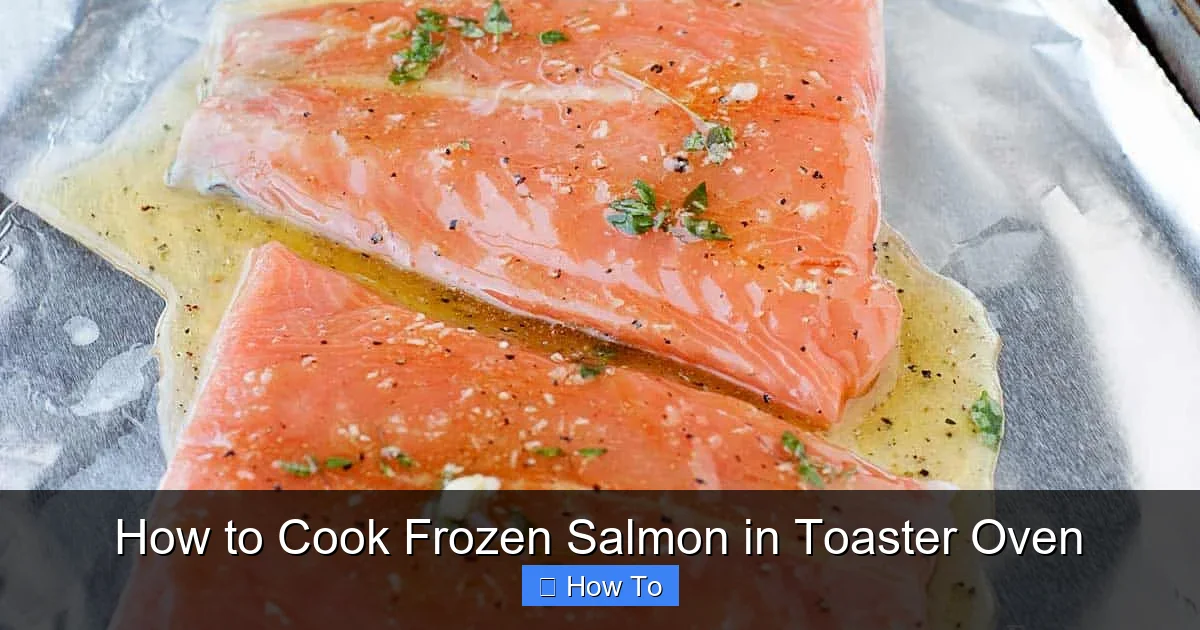
Wild‑caught Coho, Sockeye, or Atlantic salmon all work well. If you prefer a milder taste, Coho is a great choice. Look for fillets that are firm to the touch and have a bright, translucent appearance. Avoid any pieces with dark spots or a strong fishy odor.
Visual guide about How to Cook Frozen Salmon in Toaster Oven
Image source: laurafuentes.com
When buying frozen salmon, check the packaging for any tears or ice crystals. A vacuum‑sealed bag is usually the best option, as it prevents freezer burn and preserves texture.
Pat Dry and Trim
Remove any ice crystals from the surface with a paper towel. This step helps the seasoning stick and prevents excess moisture from steaming the fish. Trim away any thin edges that might overcook, leaving a uniform thickness for even cooking.
After trimming, you may notice a slight layer of silver skin beneath the flesh. This is perfectly safe to eat, but some people prefer to peel it off for a smoother mouthfeel. Use a sharp knife to lift a corner and pull it away from the flesh in one smooth motion.
Flavor Boosters: Seasoning and Marinades
Basic Dry Rub
Start with a pinch of kosher salt and freshly ground black pepper. Add a squeeze of lemon juice or a sprinkle of lemon zest for brightness. Fresh dill or parsley can be scattered on top for an herby aroma. This simple combination lets the natural richness of the salmon shine.

Visual guide about How to Cook Frozen Salmon in Toaster Oven
Image source: recipelibrary.net
When applying a dry rub, be sure to coat both sides of the fillet evenly. Press the seasoning gently into the flesh so it adheres during cooking. If you are using a toaster oven rack, you may want to lightly oil the rack first to prevent sticking.
Wet Marinades
If you want a deeper flavor, combine soy sauce, a touch of honey, grated ginger, and a dash of sesame oil. Brush the mixture onto the fillet and let it sit for 5‑10 minutes before cooking. The sugars will caramelize slightly, creating a glossy glaze. For a complete salmon recipe collection, check out How to Make Salmon in the Toaster Oven.
When marinating, always keep the salmon in the refrigerator to prevent bacterial growth. A shallow dish or a zip‑top bag works well for marinating, as it allows the liquid to surround the fish.
Mastering Temperature and Cooking Time
Setting the Right Temperature
Preheat your toaster oven to 400°F (204°C). This temperature is high enough to cook the fish quickly while preserving its buttery texture. If your oven runs cool, you may need to increase by 10‑15 degrees. Using an oven thermometer can help you verify the actual temperature.
It’s also important to allow the toaster oven to reach the target temperature before placing the salmon inside. This ensures that the fish starts cooking immediately, which helps develop a desirable crust.
Timing Based on Thickness
A general rule is 4‑6 minutes per half‑inch of thickness. For a typical 1‑inch fillet, plan on 8‑10 minutes total. Place the salmon skin‑side down on a lightly oiled baking sheet or directly on the oven rack. For more details on cooking salmon with skin, refer to How to Cook Salmon in the Oven with Skin.
For a 1.5‑inch thick fillet, you might need 12‑14 minutes. In such cases, consider covering the salmon loosely with aluminum foil for the first half of the cooking time to prevent the surface from over‑browning.
Checking Doneness, Serving, and Cleanup
Using a Thermometer
The safest way to know when the salmon is done is to insert an instant‑read thermometer into the thickest part. Aim for 145°F (63°C). At this temperature the proteins have coagulated, giving you a moist, flaky bite.
Another visual cue is the color of the flesh. When fully cooked, the salmon will turn from translucent to opaque, and it should flake easily with a fork.
Resting and Plating
Remove the salmon from the oven and let it rest for 2 minutes. This brief pause allows the juices to redistribute, preventing them from spilling out when you cut into the fillet. Serve with a wedge of lemon, a drizzle of olive oil, or a side of roasted vegetables.
For a complete meal, pair the salmon with a quinoa salad, steamed asparagus, or a creamy polenta. The mild flavor of salmon complements a wide range of sides.
Troubleshooting and Cleanup
If the salmon is browning too quickly, lower the temperature by 25°F or move the rack one notch higher. Should the fish appear dry, it may have been overcooked; try reducing the time by a minute next time. After cooking, let the toaster oven cool completely before wiping the interior with a damp cloth.
For stubborn residue, you can soak the rack in warm, soapy water for a few minutes before scrubbing. Avoid using abrasive pads that could scratch the non‑stick coating. With regular cleaning, your toaster oven will continue to deliver consistent results.
Remember, practice makes perfect. The more you cook frozen salmon in your toaster oven, the better you’ll become at judging the exact timing for your preferred texture. Enjoy your delicious, healthy meal!
Frequently Asked Questions
Can I cook frozen salmon in a toaster oven without thawing?
Yes, you can place the frozen fillet directly into the toaster oven. No need to thaw; just adjust the cooking time slightly longer than fresh salmon.
What temperature should I set the toaster oven to?
Preheat to 400°F (204°C). This temperature cooks the fish quickly while keeping it moist and creating a nice crust.
How long does it take to cook frozen salmon in a toaster oven?
A general rule is 4‑6 minutes per half‑inch of thickness. For a 1‑inch fillet, plan on 8‑10 minutes total.
Should I season the salmon before or after cooking?
Season before cooking so the flavors penetrate the flesh. Apply salt, pepper, and any herbs or marinades right before placing the salmon in the oven.
How can I tell when the salmon is done?
Use an instant‑read thermometer; it should read 145°F (63°C). The flesh will also turn opaque and flake easily with a fork.
Can I use a regular baking sheet in a toaster oven?
Yes, a small, oven‑safe baking sheet works well. Just ensure it fits inside the toaster oven with enough space for air to circulate around the salmon.