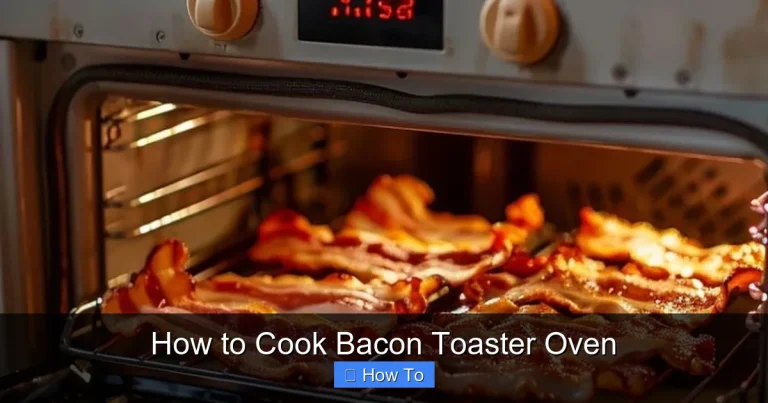
How to Cook Frozen Burgers in Toaster Oven
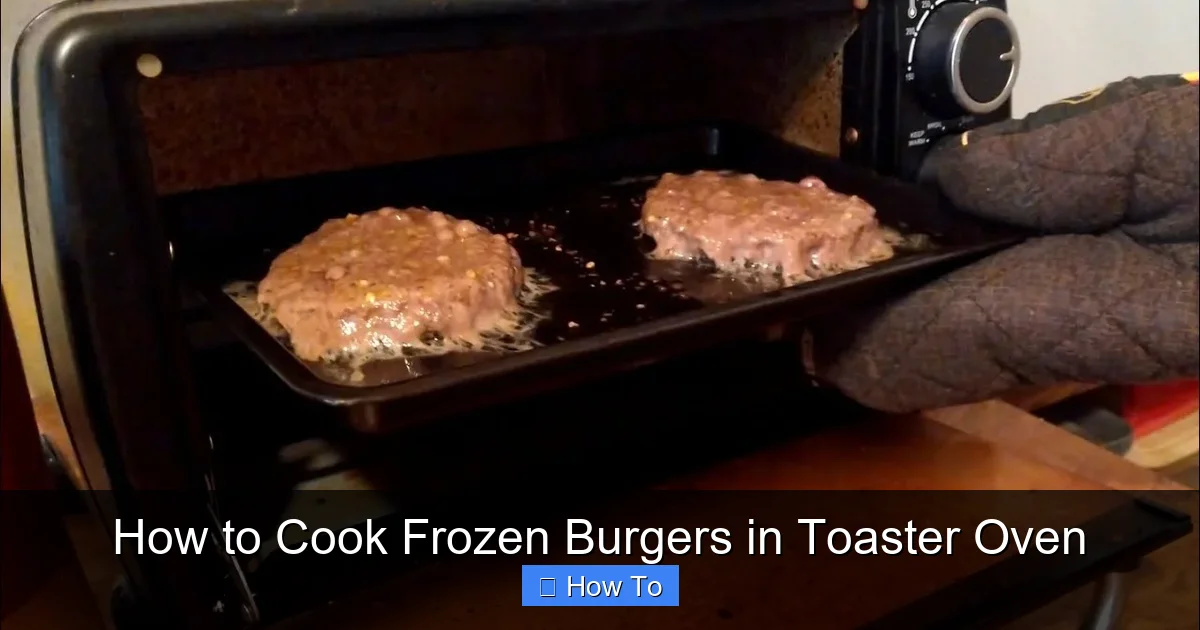
This guide shows you exactly how to cook frozen burgers in toaster oven perfectly, delivering juicy results fast without heating up your kitchen. It’s a simple, quick method ideal for busy weeknights when you need a satisfying meal ready in minutes.
There’s something deeply satisfying about biting into a juicy burger straight from the freezer, especially when you’re short on time. Frozen burgers have come a long way in quality, and with the right technique, your toaster oven can turn them into a weeknight hero. Many people assume you need a grill or a big kitchen oven, but learning how to cook frozen burgers in toaster oven is a skill that saves space, time, and energy without sacrificing flavor. In this guide, we’ll walk you through every step, from preheating to perfect doneness, so you can enjoy restaurant-quality results right at home. If you’re new to toaster oven cooking, check out our guide on how to cook a burger in toaster oven for foundational tips that build confidence in the kitchen.
The toaster oven is often overlooked, but it preheats faster than a conventional oven and distributes heat more evenly than a microwave. Whether you’re cooking for one or feeding a small family, this method works consistently. We’ll cover the best practices, temperature settings, and timing tricks that ensure your burgers come out seared on the outside and tender on the inside. By the end, you’ll know exactly how to cook frozen burgers in toaster oven like a pro, even if you’ve never touched a toaster oven burger before. For those who love a crispy edge, learning how to cook smash burgers in the oven can offer extra inspiration for achieving that perfect sear in a compact appliance.
Key Takeaways
- Preheat properly: Always preheat your toaster oven to the recommended temperature (usually 375°F to 400°F) before adding burgers for even cooking.
- Space the patties: Leave at least an inch between frozen burgers so hot air can circulate, preventing steamed, soggy results.
- No need to thaw: Cook frozen burgers directly from the freezer; thawing can alter texture and increase cooking time unnecessarily.
- Flip halfway: Turn burgers halfway through cooking to ensure both sides brown evenly and develop a nice crust.
- Check internal temperature: Use a meat thermometer to confirm the burgers reach 160°F for safe consumption, especially with beef patties.
- Avoid overcrowding: If cooking multiple batches, give each patty room; overcrowding lowers oven temperature and extends cooking time.
- Let them rest: Allow burgers to rest for 2–3 minutes after cooking so juices redistribute, keeping every bite moist and flavorful.
📑 Table of Contents
- Why the Toaster Oven Is a Game-Changer for Frozen Burgers
- Selecting the Best Frozen Burgers for Toaster Oven Cooking
- Prepping Your Toaster Oven for Perfect Burgers
- The Step-by-Step Cooking Process
- Checking Doneness and Food Safety
- Serving Ideas and Quick Upgrades
- Common Mistakes to Avoid
- Pro Tips for Elevating Your Toaster Oven Burgers
- Conclusion: Enjoy Restaurant-Quality Burgers at Home
Why the Toaster Oven Is a Game-Changer for Frozen Burgers
When you think of toaster ovens, toast and reheated leftovers probably come to mind first. However, these compact appliances are powerhouses for cooking frozen patties. The small cavity means it reaches cooking temperature in minutes, unlike a full-sized oven that can take ten to fifteen minutes just to preheat. This speed is a huge advantage when you’re hungry now and didn’t plan ahead to thaw meat. The concentrated heat also helps achieve a nice sear on the burger’s exterior, mimicking the effects of grilling without needing outdoor space.
Fast Preheating and Energy Efficiency
Because the heating elements are close to the food, a toaster oven uses less energy overall. For busy weeknights, this translates to a quicker dinner on the table and a lower utility bill. You’ll also avoid heating up your entire kitchen, which is a lifesaver during summer months or when your air conditioning is already running. The concentrated heat also helps achieve a nice sear on the burger’s exterior, mimicking the effects of grilling without needing outdoor space.
Consistent Heat Distribution
Modern toaster ovens often feature convection fans that circulate hot air around the food. This circulation reduces hot spots and ensures that frozen burgers cook more uniformly. If your model doesn’t have a convection setting, you can still achieve great results by flipping the patties halfway through the cooking process. The key is understanding your appliance’s quirks and adjusting accordingly. Some models even have a dedicated “burger” or “meat” setting that automatically adjusts time and temperature for optimal results.
Selecting the Best Frozen Burgers for Toaster Oven Cooking
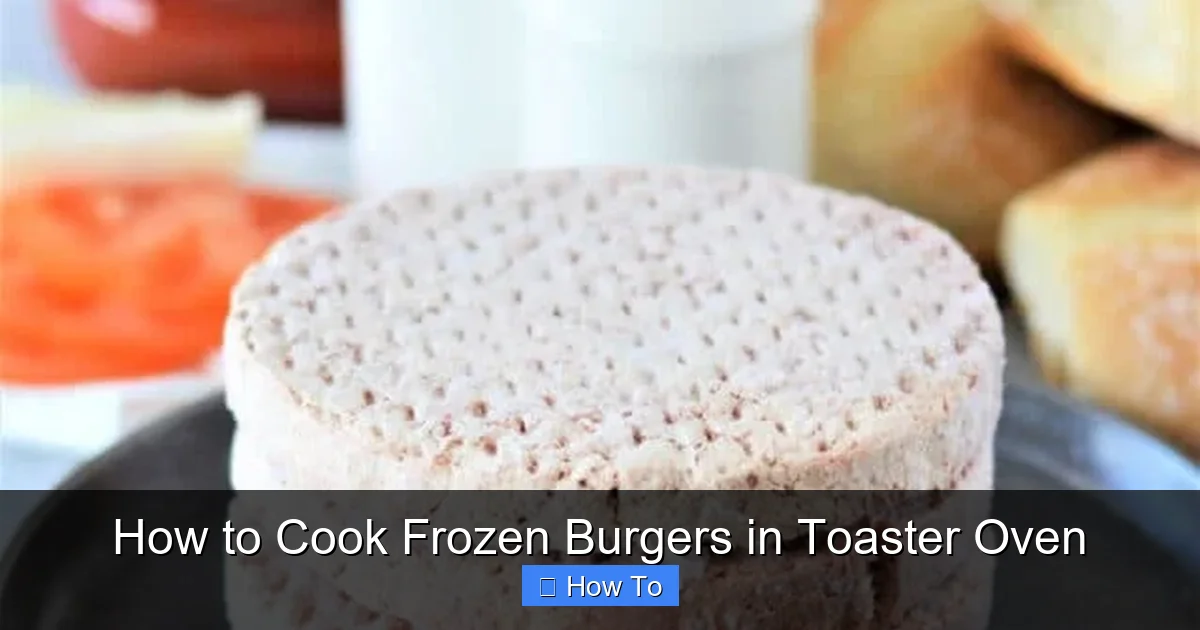
Not all frozen burgers are created equal, and the type you choose can impact cooking time and texture. Look for patties that are individually quick-frozen (IQF), as this method locks in moisture and prevents the meat from clumping together. Brands that use 100% beef with minimal fillers tend to hold up better during the toaster oven process, retaining juiciness even after freezing. Reading the ingredient list can also reveal whether the patty contains binders or extenders that might affect how it cooks from frozen.
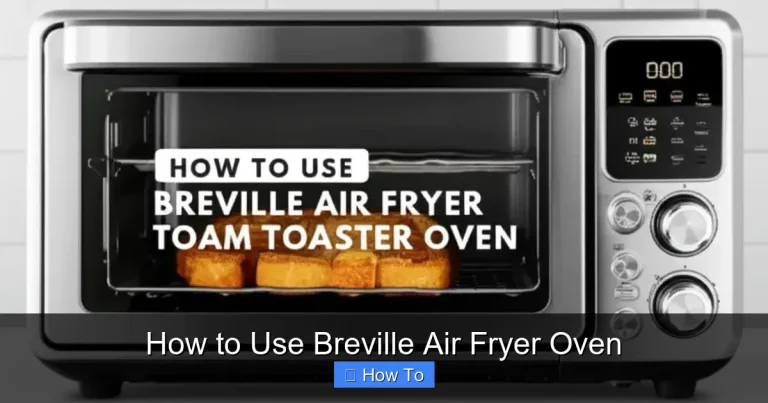
Visual guide about How to Cook Frozen Burgers in Toaster Oven
Image source: temeculablogs.com
Understanding Patty Thickness
Thickness matters more than you might expect. Standard frozen burgers are usually around a half-inch thick, which cooks nicely in most toaster ovens at 375°F to 400°F. Thicker patties, such as those marketed as “quarter-pound with extra thickness,” will need a few extra minutes per side. Thinner patties, often found in turkey or veggie blends, cook faster and can become dry if left too long. Always check the package for recommended temperatures, but treat those as starting points rather than strict rules. If you’re unsure, start with a lower temperature and longer time, then adjust for next time.
Beef, Turkey, or Plant-Based?
Beef patties are the most forgiving for toaster oven cooking, thanks to their fat content, which bastes the meat from within. Turkey burgers are leaner, so they benefit from a light brush of oil before cooking to prevent sticking and drying. Plant-based patties often contain oils and binders that can crisp up nicely, but they may cook faster than meat options. Knowing your patty type helps you fine-tune the timing and avoid overcooking. Some plant-based brands even recommend a lower temperature and shorter time to prevent the patty from becoming too firm or rubbery.
If you’re curious about achieving a crispier edge similar to smash burgers, you might enjoy exploring how to cook smash burgers in the oven for techniques that translate well to smaller, thinner patties in a toaster oven. While smash burgers are typically fresh, the high-heat, short-time method can inspire how you finish frozen patties for extra crispiness.
Prepping Your Toaster Oven for Perfect Burgers
Proper preparation sets the stage for even cooking and easy cleanup. Start by racking your toaster oven to the middle position; this allows heat to surround the patties from both top and bottom without burning the top or leaving the center undercooked. If your toaster oven has a broil function, avoid using it for frozen burgers unless you’re experienced, as the intense top heat can char the outside before the inside reaches a safe temperature. The goal is gentle, surround-heat that cooks the patty through without sacrificing juiciness.
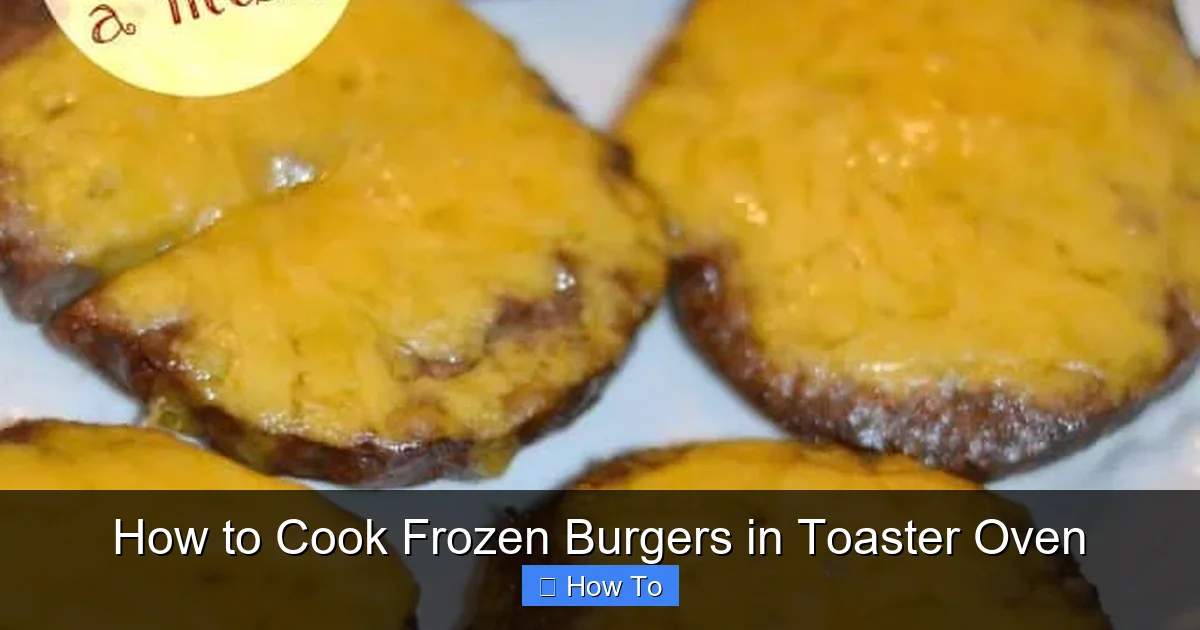
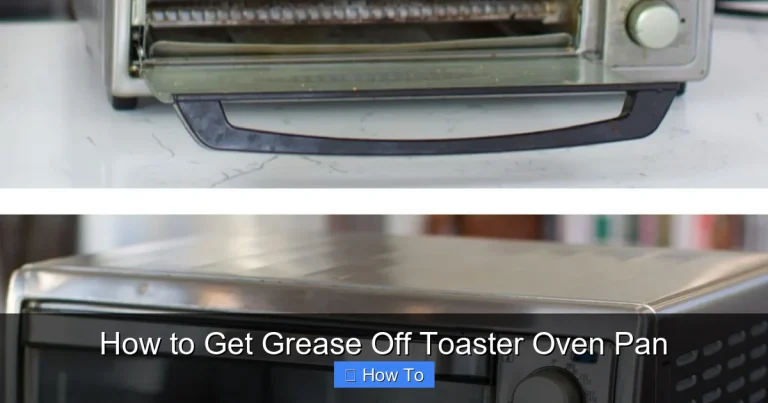
Visual guide about How to Cook Frozen Burgers in Toaster Oven
Image source: faithfilledfoodformoms.com
Rack Placement and Pan Selection
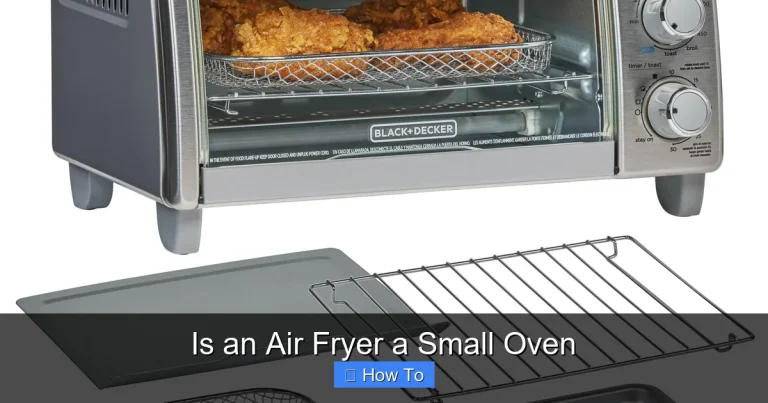
Using a broiling pan or a wire rack elevated above a baking sheet is ideal. This setup allows grease to drip away, preventing soggy bottoms and reducing smoke from dripping fat. If you don’t have a rack, a simple aluminum foil-lined baking sheet works in a pinch, but poke a few holes to allow airflow. Avoid placing patties directly on the toaster oven floor, as this can block heat circulation and lead to uneven cooking. A clean, dry tray also makes post-meal cleanup much faster.
Light Oil Coating
A light spritz or brush of high-smoke-point oil, such as avocado or canola, on both sides of the frozen patty helps conduct heat and promotes browning. You don’t need much—just enough to create a thin, shiny coating. This step is especially helpful for lean turkey or plant-based burgers that might otherwise stick or dry out. Skip the oil if you’re using fatty beef patties, as they release enough natural grease during cooking. For an extra flavor boost, mix a pinch of garlic powder or paprika into the oil before brushing.
Preheating to the Right Temperature
Preheat your toaster oven to 375°F for standard beef patties. If you’re cooking thicker burgers, bump the temperature up to 400°F to ensure the exterior browns without the center remaining raw. For thinner turkey or veggie patties, 350°F can work well, but keep a close eye on them. Preheating is non-negotiable; adding frozen patties to a cold oven doubles the cooking time and often results in rubbery texture. While it waits, you can prepare your toppings and buns so everything is ready the moment the burgers finish.
The Step-by-Step Cooking Process
Now that your toaster oven is prepped, it’s time to cook. Follow these steps for consistently delicious results, and you’ll see why learning how to cook frozen burgers in toaster oven is so straightforward once you have the routine down. The process is nearly foolproof if you remember three rules: space, flip, and thermometer.
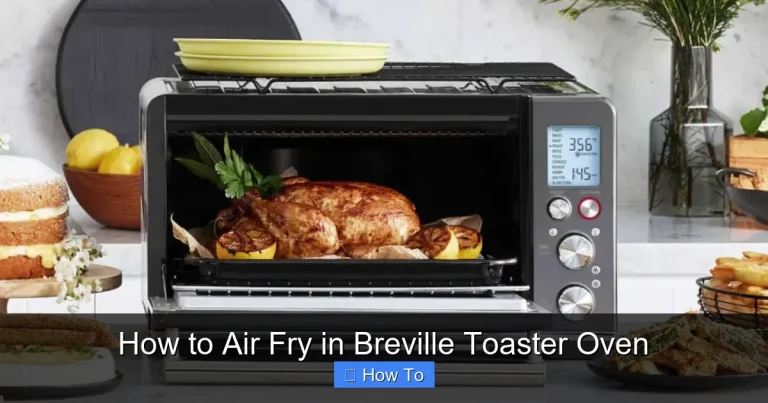
Visual guide about How to Cook Frozen Burgers in Toaster Oven
Image source: i.pinimg.com
Step 1: Arrange Patties with Space
Place the frozen burgers on the rack or baking sheet, leaving at least an inch of space between each patty. This spacing is crucial; crowded patties steam instead of sear, resulting in a gray, rubbery exterior. If you’re cooking a double batch, do it in two rounds rather than overcrowding the cavity. Air circulation is your best friend for even browning. If you notice patties touching, carefully rearrange them with a spatula before starting the timer.
Step 2: Set Time and Temperature
For average-thickness beef patties, set the temperature to 375°F and cook for 15 to 18 minutes, flipping halfway at the 8-minute mark. Thicker patties may need 18 to 22 minutes at 400°F, while thinner patties could be done in 12 to 15 minutes at 350°F. These times are estimates; always rely on internal temperature rather than the clock alone. The goal is a hot, steaming center that reads 160°F on an instant-read thermometer. If you’re cooking multiple patties, you may need to add 2 to 3 minutes total, as the cavity temperature can drop when you open the door.
Step 3: Flip at the Right Moment
Flip the burgers exactly halfway through the cooking time. Use a sturdy spatula to avoid breaking the patty, and flip gently to keep juices inside. If you flip too early, the patty may stick and tear; if you flip too late, one side may overcook. A good rule of thumb is to wait until the edges look nicely browned before turning. Some toaster oven models have a “ready” light or audible alert; use those as secondary guides, but never replace them with a thermometer.
Step 4: Check Doneness with a Thermometer
Insert an instant-read meat thermometer into the thickest part of the patty, avoiding the rack or any cheese melt area. For beef, the target is 160°F. For turkey, aim for 165°F. Plant-based patties vary by brand, so check the package for their recommended safe temperature, usually around 160°F as well. If the temperature isn’t reached, continue cooking in 2-minute intervals, checking each time. Remember that carryover cooking will raise the temperature by a few degrees after you remove the burgers from the heat, so you can pull them off at 155°F for beef if you let them rest.
Checking Doneness and Food Safety
Food safety is non-negotiable when cooking frozen burgers. Because the patties start frozen, the center takes longer to heat through, and it’s easy to misjudge doneness by looking alone. That’s why a meat thermometer is the single most important tool in your toaster oven burger toolkit. Undercooked burgers can harbor harmful bacteria, while overcooked ones become dry and unappetizing, so finding the sweet spot is key.
Understanding Carryover Cooking
Remember that burgers continue to cook for a minute or two after you remove them from the heat. This carryover effect can raise the internal temperature by 5°F, so it’s wise to pull them off when they’re 5°F below your target, then let them rest. If you wait for the thermometer to hit 160°F inside the oven, you might end up with a slightly overdone patty by the time you take a bite. This is especially true for thicker patties, which retain heat longer in the center.
Signs of Properly Cooked Burgers
Beyond temperature, visual cues can support your decision. The juices should run clear, not pink, when you make a small cut with a knife. The exterior should be deeply browned, with grill marks or a crusty texture depending on your toaster oven’s heat distribution. If the center still looks red or translucent, give it more time, but always recheck the temperature. A firm-but-not-hard feel when pressed with a spatula also indicates the patty is set and cooked through.
Safe Handling of Frozen Meat
Always wash your hands and any utensils that touch raw frozen burgers before they touch other foods. Cross-contamination is a risk regardless of the cooking appliance. Clean your toaster oven rack and tray after each use, especially if grease has accumulated, to maintain a hygienic cooking environment. Some people prefer to line the tray with parchment paper for easier cleanup, but ensure the parchment doesn’t cover the entire surface and block airflow, as that can affect cooking performance.
Serving Ideas and Quick Upgrades
Once your burgers are cooked to perfection, the fun part begins: customization. A great burger needs a great bun, but you can elevate the experience with simple upgrades that don’t require much extra time or effort. The toaster oven can handle more than just the patty, making it a one-appliance solution for a complete meal.
Bun Choices and Toasting
Select a bun that complements your patty’s flavor. Brioche buns add a touch of sweetness that pairs well with beef, while whole-grain options offer a hearty contrast to turkey or plant-based burgers. Lightly toast the bun in the toaster oven for the last 2 minutes of burger cooking, placing it cut-side up on the rack. This toasting step adds crunch and prevents the bun from becoming soggy under the patty’s juices. If you like, spread a thin layer of butter on the bun halves before toasting for extra richness.
Topping Combinations
Keep it classic with lettuce, tomato, pickles, and a smear of ketchup or mayo. For something more adventurous, try caramelized onions, sliced avocado, or a spicy aioli. If you added cheese during the last minute of cooking, allow it to melt fully before removing the burgers. The melted cheese binds the toppings together and adds a rich, savory element that ties the whole sandwich together. For a healthier twist, swap mayo for mashed avocado or Greek yogurt-based sauce.
Side Dishes Made in the Toaster Oven
Why limit the toaster oven to just the main? While your burgers rest, toss frozen french fries or sweet potato wedges on the same rack at 400°F for 15 minutes for a complete meal. If you want to try something different, see our guide on how to cook frozen french fries in oven for timing tips that complement your burger dinner. The key is to start the fries about 10 minutes before the burgers are done so everything finishes at the same moment. You can also roast vegetable skewers or bake small potatoes alongside for a well-rounded plate.
Common Mistakes to Avoid
Even with the best intentions, it’s easy to slip up when learning how to cook frozen burgers in toaster oven for the first time. Being aware of these common pitfalls helps you course-correct and achieve better results every time. Many of these mistakes stem from treating the toaster oven like a mini-conventional oven, when in fact its small size and intense heat require a few adjustments.
Skipping the Preheat
Many people toss frozen patties into a cool toaster oven to save time, but this is a recipe for uneven cooking. The outside may stay cold and rubbery while the inside finally warms up, or the burger may dry out as it struggles to heat through. Always preheat to the target temperature before adding food, and you’ll notice a marked improvement in texture and browning. If you’re in a rush, it’s better to wait the extra five minutes than to end up with a mediocre burger.
Overcrowding the Cavity
It’s tempting to cook all burgers at once, but overcrowding blocks airflow and leads to steamed, gray patties. If you have more than two or three burgers depending on your toaster oven size, cook in batches. The few extra minutes spent in rounds are worth the superior results. Additionally, overcrowding can cause the toaster oven to work harder, potentially shortening its lifespan over time.
Using High Heat Throughout
Starting at a very high temperature, like 450°F, might seem like a good way to speed things up, but it often burns the exterior before the center reaches a safe temperature. A moderate 375°F to 400°F range gives the heat time to penetrate evenly. If you need a crispier finish, finish the last minute under the broil setting, but watch closely to avoid flare-ups. Some models have a convection fan that helps distribute heat more evenly, reducing the need for high temperatures.
Relying on Time Alone
Every toaster oven is different, and cooking times listed in guides are approximations based on specific models. Factors like altitude, patty thickness, and even the starting freezer temperature can shift the needed minutes. Always use an instant-read thermometer as your definitive guide, and treat recipe times as starting points, not guarantees. If you notice your burgers consistently run fast or slow, keep a personal log of times and temperatures for your specific appliance, and adjust future cookings accordingly.
Pro Tips for Elevating Your Toaster Oven Burgers
Once you’ve mastered the basics, these pro tips can help you take your frozen burger game to the next level. Small adjustments can make a big difference in flavor, texture, and overall satisfaction.
Add a Touch of Butter Inside
Placing a small pat of butter on top of the burger during the last minute of cooking adds richness and helps keep the meat moist. As the butter melts, it bastes the patty from above, complementing the natural fats below. This trick works especially well for lean turkey or plant-based burgers that benefit from any extra moisture. For a savory twist, mix the butter with minced garlic and a sprinkle of herbs.
Use a Pizza Stone or Baking Steel
If your toaster oven accommodates one, preheating a pizza stone or baking steel inside the oven mimics the hot surface of a grill. The stone retains heat and provides a powerful sear the moment the frozen patty hits it, locking in juices and creating a restaurant-quality crust. This method is particularly effective for thicker patties and can reduce overall cooking time by a minute or two.
Experiment with Seasoning Blends
Since frozen patties often come pre-salted, go easy on additional salt before cooking. Instead, experiment with seasoned salt, smoked paprika, or a dash of Worcestershire sauce brushed on the surface for depth of flavor. Adding seasonings after cooking, while the patty is still hot, allows the flavors to adhere better and prevents them from burning in the high heat. Freshly cracked black pepper added at the end brightens the overall taste.
Resting Is Non-Negotiable
Allow burgers to rest for 3 to 5 minutes after cooking before slicing or serving. This resting period lets juices redistribute throughout the patty, ensuring every bite is moist and flavorful. If you cut into the burger immediately, the juices will run out onto the plate, leaving the meat drier. Tent the burgers loosely with foil to keep them warm without steaming the exterior.
By incorporating these pro tips, you’ll find that learning how to cook frozen burgers in toaster oven opens up a world of customization and consistency. Your toaster oven becomes more than a reheating appliance; it’s a versatile tool for creating delicious, personalized meals in minutes.
If you’re interested in another quick-cooking method, you might also want to explore how to air fry in toaster oven for a crispier texture with even less oil, perfect for weeknight dinners when you want maximum flavor with minimal cleanup.
Conclusion: Enjoy Restaurant-Quality Burgers at Home
Learning how to cook frozen burgers in toaster oven opens up a world of convenience without sacrificing taste. With a preheated oven, properly spaced patties, and a trusty meat thermometer, you can turn freezer stock into juicy, flavorful meals in under 20 minutes. The toaster oven’s speed, energy efficiency, and even heat distribution make it an underrated hero for burger night, whether you’re cooking for yourself or a small group.
Remember to choose the right patty thickness, leave space between each burger, and never skip the temperature check. A little attention to detail goes a long way, and soon you’ll be wondering why you ever heated up the big oven or fired up the grill for a simple burger fix. Enjoy your perfectly cooked, homemade burgers, and feel free to experiment with toppings, buns, and side dishes to make each meal uniquely yours.
If you found this guide helpful, you might also enjoy exploring other toaster oven techniques, such as how to cook an egg in toaster oven for quick breakfasts, or how to cook zucchini in toaster oven for healthy side dishes that complement your burger night. These small appliances can do far more than you might expect, and mastering a few key methods transforms your weekday cooking routine.
Frequently Asked Questions
Can I cook frozen burgers without thawing them first?
Yes, you can cook frozen burgers directly in the toaster oven without thawing them first. In fact, cooking from frozen helps retain moisture and often results in a juicier patty, as long as you adjust the cooking time and check the internal temperature to ensure safety.
What temperature should I set my toaster oven for frozen burgers?
The ideal temperature for most frozen beef burgers is 375°F to 400°F. If your patties are thicker, lean toward 400°F for better browning, while thinner patties or turkey burgers may cook well at 350°F. Always refer to the package guidelines and use a thermometer to confirm doneness, as different brands and patty types have varying requirements.
How do I know when frozen burgers are fully cooked in a toaster oven?
The most reliable way is to use an instant-read meat thermometer inserted into the thickest part of the patty. Beef burgers should reach 160°F, turkey burgers 165°F, and plant-based patties vary by brand but are typically around 160°F. Visual cues like clear juices and a browned exterior support the reading, but the thermometer is definitive for food safety.
Can I use aluminum foil in my toaster oven when cooking burgers?
Yes, you can use aluminum foil, but it’s best to line the baking sheet or create a sling rather than wrapping the patties completely. Completely covering the burger blocks heat circulation and can steam the meat instead of searing it. A foil-lined pan with holes poked in it allows airflow while catching drippings, making cleanup easier without sacrificing cooking performance.
Do I need to flip frozen burgers halfway through cooking?
Flipping halfway through the cooking time is recommended to ensure both sides brown evenly and develop a consistent crust. If you skip the flip, one side may become overly crispy while the other stays pale, though some toaster oven models distribute heat evenly enough that flipping is less critical. Always use a sturdy spatula to avoid breaking the patty.
What are some quick topping ideas for toaster oven burgers?
Keep it classic with lettuce, tomato, pickles, and your favorite sauce. For a faster prep, use pre-sliced vegetables or pre-made sauces. You can also add cheese during the last minute of cooking and toast the bun alongside the burgers for a complete, hot sandwich in under 20 minutes. Experiment with caramelized onions, avocado slices, or spicy aioli to elevate the flavor profile quickly.
Can I cook other frozen foods in the toaster oven at the same time as burgers?
Yes, you can cook complementary foods like frozen french fries or sweet potato wedges, but timing is key. Start the fries about 10 minutes before the burgers are done so they finish together. Avoid overcrowding the cavity, and use a wire rack to allow airflow around all items, ensuring everything cooks evenly without steaming.