How to Clean Toaster Oven with Lemon

Cleaning your toaster oven with lemon is easy, cheap, and leaves a pleasant citrus scent. This guide walks you through preparing the lemon solution, tackling stubborn spots, and keeping your appliance fresh for years. Follow these simple steps and enjoy a spotless oven without harsh chemicals.
Key Takeaways
- Natural Cleaning Power: Lemon’s acidity dissolves grease and burnt residue safely.
- Budget Friendly: Only need a lemon and water—no expensive cleaners required.
- Fresh Citrus scent: Leaves your kitchen smelling clean and inviting.
- Safe for All Surfaces: Works on stainless steel, glass, and non‑stick coatings.
- Quick Results: Most stains lift within 10‑15 minutes of soaking.
- Easy Access to Guides: Link to other methods like Magic Eraser and Ninja oven care for extra tips.
- Prevent Future Build‑up: Regular cleaning prevents tough stains and extends oven life.
📑 Table of Contents
Why a Clean Toaster Oven Matters
Your toaster oven is a daily workhorse. It browns bagels, browns chicken, and even bakes cookies. Over time, grease, food bits, and stubborn stains can build up inside. A dirty oven not only looks unappealing but can also affect flavor and cooking performance. Cleaning with lemon is a natural, safe method that cuts through grime while leaving a fresh scent.
When you keep the interior spotless, you also protect the non‑stick coating and ensure even heat distribution. A clean oven reduces the risk of fire hazards caused by accumulated oil. Plus, a tidy appliance makes cooking more enjoyable and gives you confidence that your meals are prepared in a hygienic environment.
The Benefits of Lemon Cleaning
Lemon contains citric acid, a natural degreaser. It breaks down baked‑on food without harsh chemicals. The citrus aroma masks any lingering odors, leaving your kitchen smelling fresh. Lemon is also gentle on stainless steel and glass, so you won’t damage the interior.
Unlike abrasive cleaners, lemon works softly yet effectively. You can use it on the oven walls, tray, and even the heating element. It’s a budget‑friendly option that anyone can do at home.
Gathering Your Cleaning Supplies
What You’ll Need
Only three simple items are required:
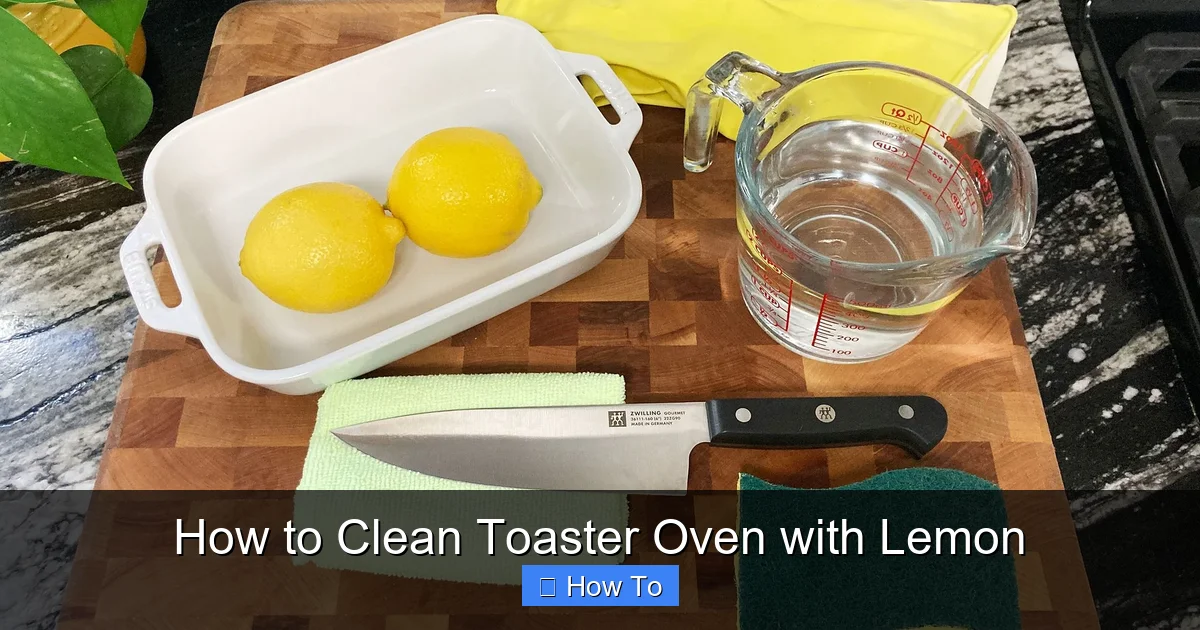
Visual guide about How to Clean Toaster Oven with Lemon
Image source: familyhandyman.com
- One medium lemon
- Warm water
- A spray bottle or small bowl
You may also want a soft sponge, a clean microfiber cloth, and a small brush for the crevices. If you have a spray bottle, fill it with the lemon solution. If not, a bowl works fine. Keep these items within arm’s reach before you start.
Preparing the Lemon Solution
Start by cutting the lemon in half. Squeeze the juice into a bowl or spray bottle. Add warm water—about a 1:2 ratio of lemon juice to water. Stir well to combine. The warm water helps the citric acid dissolve faster and improves cleaning power.
If you have a spray bottle, pour the mixture in and shake gently. This creates a fine mist that covers surfaces evenly. For larger areas, a bowl with a sponge is sufficient.
Step‑by-Step Lemon Cleaning Guide
1. Safety First
Before you begin, unplug the toaster oven. Let it cool completely. Hot surfaces can cause burns, and electricity is a hazard. Wear kitchen gloves if you have sensitive skin. Ensure the area is well‑ventilated, especially if you have allergies to strong scents.

Visual guide about How to Clean Toaster Oven with Lemon
Image source: i.pinimg.com
2. Remove the Rack and Tray
Take out the baking rack, drip tray, and any removable parts. Place them in warm, soapy water. Let them soak while you clean the interior. This prevents drips and makes cleaning easier later.
3. Apply the Lemon Solution
Using a soft sponge or cloth, dip it into the lemon mixture. Wring out excess liquid. Wipe the interior walls, ceiling, and heating element. The citric acid will start breaking down grease right away. For stubborn spots, let the solution sit for a minute before wiping.
4. Scrub Gently
Focus on corners and edges where food particles hide. Use a small brush or an old toothbrush to reach tight spots. The lemon solution works best when you give it a little time to fizz. Avoid abrasive pads that could scratch the non‑stick surface.
5. Rinse with a Damp Cloth
After the interior looks clean, wipe it with a cloth dampened in plain water. This removes any leftover lemon residue. Ensure you don’t leave streaks. Dry the interior with a clean microfiber cloth to prevent water spots.
6. Clean the Removable Parts
While the oven dries, clean the rack and tray. Use the same lemon solution or a mild dish soap. Scrub with a non‑scratch sponge. Rinse thoroughly and dry before placing them back. A dry rack prevents rust and ensures even cooking.
7. Wipe Down Exterior
Don’t forget the outside of the oven. Wipe the door, control knobs, and exterior stainless steel with a lemon‑water mix. This keeps the outside shiny and removes fingerprints.
Tips for Stubborn Stains
Dealing with Burnt Residue
If you have burnt-on food, fill a shallow dish with the lemon solution and place it on the bottom of the oven. Turn the oven on low heat for about 10 minutes. The steam helps loosen the residue. Then wipe with a sponge. This method is gentle yet effective.

Visual guide about How to Clean Toaster Oven with Lemon
Image source: dulceriabakery.com
Using Baking Soda for Extra Power
For extra cleaning power, sprinkle a thin layer of baking soda over the interior after the lemon wipe. Let it sit for 10 minutes. Then scrub lightly. The combination of lemon and baking soda creates a natural fizz that lifts tough stains.
When to Call for Professional Help
If the oven has deep carbon buildup or you smell burning plastic, stop and seek professional service. Lemon cleaning works well for routine maintenance, but severe issues need expert attention.
Maintaining a Fresh Oven
Regular Quick Cleans
After each use, wipe the interior with a damp cloth. This prevents food from baking on. A quick wipe takes only a minute and keeps your oven looking new.
Monthly Deep Clean
Once a month, repeat the full lemon cleaning process. This prevents heavy buildup and keeps the scent fresh. Schedule it on the first day of each month for consistency.
Use the Right Cookware
Using appropriately sized pans reduces splatter. This minimizes mess and makes cleaning easier. Choose trays that fit snugly to avoid overflow.
Store the Oven Properly
When not in use for long periods, keep the oven door slightly open. This prevents moisture buildup and mold growth. A dry interior stays cleaner longer.
Final Thoughts and Safety Checks
Cleaning your toaster oven with lemon is a simple, affordable, and effective routine. It protects your appliance, improves cooking performance, and leaves a pleasant citrus aroma. By following the steps above, you’ll enjoy a spotless oven without harsh chemicals.
Remember to unplug the oven before any cleaning. Always test the temperature of the interior before re‑installing parts. If you notice any unusual odors or smoke, stop and seek professional help.
For additional cleaning ideas, explore our related guides. If you need to clean the bottom tray, check out How To Clean Bottom Tray Of Toaster Oven. For a different approach, see How To Clean Toaster Oven With Magic Eraser. If you own a Ninja model, our post on How To Clean A Ninja Toaster Oven offers extra tips.
Enjoy your fresh, lemon‑scented kitchen and happy cooking!
Frequently Asked Questions
What are the main benefits of cleaning a toaster oven with lemon?
Lemon’s citric acid naturally cuts grease and burnt residue without harsh chemicals. It leaves a fresh citrus scent and is safe for stainless steel and non‑stick surfaces.
Do I need special tools for lemon cleaning?
Only a lemon, warm water, a spray bottle or bowl, a soft sponge, and a clean cloth are required. No special equipment is necessary.
How often should I clean my toaster oven with lemon?
Perform a full lemon clean once a month and a quick wipe after each use. This prevents buildup and keeps the oven smelling fresh.
Can lemon damage the non‑stick coating?
No, lemon is gentle and safe for non‑stick surfaces. Avoid abrasive pads, which can scratch the coating.
What if the lemon solution doesn’t remove stubborn stains?
Try letting the solution sit for a few minutes, or combine lemon with a sprinkle of baking soda for extra fizz. For deep carbon buildup, consider a professional service.
Is it safe to use lemon on the exterior of the oven?
Yes, a diluted lemon‑water mix is safe for the exterior, including stainless steel and plastic. Just avoid the control panel area.