How to Air Fry in Convection Toaster Oven
Learning How to Air Fry in Convection Toaster Oven is easier than you might expect. With the right settings and a few simple tricks, you can enjoy crispy, healthy meals without a separate appliance.
Key Takeaways
- Point 1: Understand how the convection fan and heating elements work together to create crispiness.
- Point 2: Preheat the oven for 3‑5 minutes to ensure even cooking.
- Point 3: Use the middle rack for most foods, adjusting for thickness.
- Point 4: Always arrange items in a single layer to allow proper airflow.
- Point 5: A light spray of oil enhances browning without excess fat.
- Point 6: Clean the crumb tray and interior after each use to maintain performance.
📑 Table of Contents
Introduction
Welcome to the complete guide on How to Air Fry in Convection Toaster Oven. This article is designed for anyone who wants to turn their toaster oven into a powerful air fryer, whether you are a beginner or an experienced cook. You will learn the basics of preparation, the best accessories to use, and proven techniques that produce golden, crispy results without deep frying.
By following the steps outlined here, you can enjoy healthier versions of your favorite foods, from French fries to chicken wings, all while saving counter space by eliminating the need for a separate appliance. We will also cover cleaning tips and common issues so your oven stays in top condition for years to come.
How to Air Fry in Convection Toaster Oven not only reduces the amount of oil you use, but it also speeds up cooking times compared to conventional baking. The rapid air circulation removes moisture from the surface, creating a crunchy texture that is hard to achieve with a standard oven. This makes it ideal for busy weeknights when you want a quick, tasty meal without compromising on texture.
Many people are surprised to discover that their toaster oven can also handle delicate foods like fish, tofu, and even desserts. With a few simple adjustments, you can expand your culinary repertoire and impress your family with restaurant‑quality dishes. In the sections below, we will dive into the specifics of each step, ensuring you feel confident every time you press start.
Another advantage of learning How to Air Fry in Convection Toaster Oven is the ability to cook multiple items at once, thanks to the spacious interior and adjustable racks. You can prepare a main dish and a side simultaneously, saving time and reducing the need for multiple appliances.
How Convection Toaster Oven Works
A convection toaster oven combines the traditional baking elements with a fan that moves hot air around the cooking chamber. This forced air circulation creates a more even temperature distribution and speeds up the cooking process, which is the core principle behind air frying. The fan mimics the rapid heat movement found in a dedicated air fryer, allowing food to develop a crisp exterior with minimal oil.
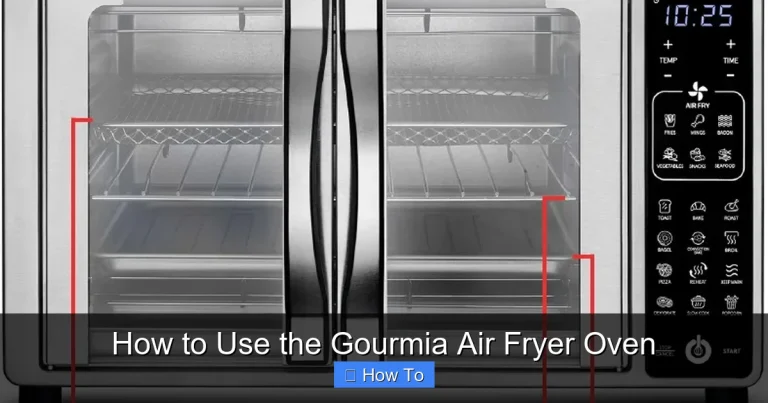
The main components include upper and lower heating rods, a powerful fan located at the back, adjustable temperature controls, and multiple rack positions. When you select the air fry mode, the oven increases the fan speed and modulates the heat to optimize crisping. Understanding these parts helps you use the oven more effectively and diagnose problems if they arise.
The fan generates a vortex of hot air that continuously contacts the food surface. This constant movement evaporates surface moisture quickly, which is why foods come out crisp rather than soggy. In contrast, a conventional oven relies primarily on radiant heat, which can leave a softer crust. By leveraging the convection fan, you can achieve results similar to deep frying with a fraction of the oil.
Some models also include a heating element that cycles on and off to maintain a steady temperature. This cycling, combined with the fan, creates a dynamic environment that adapts to the food’s needs as it cooks. Recognizing how these elements interact allows you to adjust cooking times and temperatures for different recipes, ensuring consistent results.
Beyond cooking performance, the convection fan can also help reduce energy consumption by circulating heat more efficiently, which may lower your electricity bill over time. This makes the appliance not only a kitchen workhorse but also a more sustainable choice for everyday cooking.
Setting Up for Air Frying
Before you start cooking, proper setup is essential. Place the oven on a stable, heat‑resistant surface with at least two inches of clearance on each side to allow airflow. Ensure the power cord is not touching any hot surfaces and that the oven is away from flammable objects.
Preheating the Oven
Preheating is a critical step. Set the temperature to the level required by your recipe—typically between 350°F and 400°F—and let the oven run for three to five minutes. This brings the internal cavity to the target heat, which helps food start cooking immediately and promotes even browning.
Choosing the Right Rack Position
For most air‑frying tasks, the middle rack provides balanced heat from both the top and bottom elements. If you are cooking thicker items, such as chicken breasts, moving the rack to a lower position can enhance browning on the bottom side. Conversely, delicate foods like fish may benefit from an upper rack to prevent over‑cooking.
Arranging Food
Always spread ingredients in a single layer with space between pieces. Overcrowding blocks airflow and leads to soggy results. If you need to cook a large batch, use multiple trays and rotate them halfway through the cooking time.
Calibrating Temperature
Many ovens have a slight variance between the set temperature and the actual internal heat. To ensure accuracy, consider using an inexpensive oven thermometer placed on the rack. If the reading differs, adjust the set temperature accordingly or note the difference for future recipes. Accurate temperature control is key to mastering How to Air Fry in Convection Toaster Oven and avoiding under‑ or over‑cooked dishes.
Safety Precautions
Always use oven mitts when handling hot trays or racks. Keep the door closed during cooking to maintain heat and prevent burns. Never cover the oven’s vents, as this can cause overheating and potential fire hazards. Following these simple safety measures will protect both you and your appliance.
If you live at high altitude, you may notice that foods take longer to cook because water boils at a lower temperature. Adjusting your recipes by increasing the cooking time or slightly raising the oven temperature can compensate for this effect, ensuring that your air‑fried dishes turn out perfectly.
Essential Accessories
While your convection toaster oven can handle many tasks, a few accessories can improve performance and make cleanup easier.
- Perforated basket – allows air to circulate around small items like fries or nuggets.
- Non‑stick baking sheet – prevents sticking and simplifies washing.
- Heat‑resistant tongs – enable safe flipping and handling of hot food.
- Instant‑read thermometer – helps verify that meats reach safe internal temperatures.
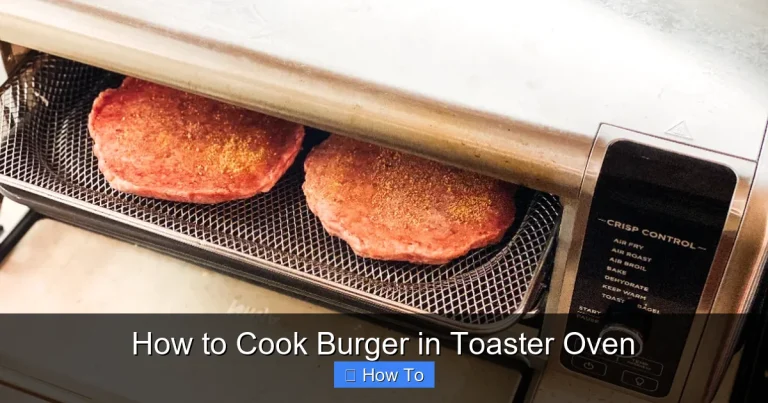
Using a perforated basket is especially helpful when you are mastering How to Air Fry in Convection Toaster Oven because it keeps tiny pieces from falling through the rack and ensures uniform crisping.
In addition to the basics, you might also want a silicone baking mat for easy release, or a small spray bottle for applying a fine layer of oil. These items are inexpensive and can be found at most kitchenware stores. Some enthusiasts even create DIY racks from stainless steel mesh to improve airflow for specific recipes.
Using parchment paper or a silicone mat can further simplify cleanup and prevent sticking, especially for foods with high sugar content that may caramelise and adhere to the surface. Just make sure the paper is rated for high temperatures to avoid burning.
Air Frying Techniques and Recipes
Now we explore three fundamental techniques that work well in a convection toaster oven, each paired with a simple recipe idea.
Technique 1: Single‑Layer Crisping
Spread food in a single layer on the baking sheet or basket. For classic French fries, toss cut potatoes with a light spray of oil, season with salt and pepper, then arrange them in one layer. Air fry at 400°F for 15‑20 minutes, flipping halfway through. The result is a crispy exterior with a fluffy interior.
Technique 2: Batch Cooking
If you need to feed a crowd, cook in batches. After the first batch finishes, allow the oven to return to the set temperature for about one minute before adding the next batch. This ensures each batch receives the same heat treatment and avoids soggy edges.
Technique 3: Convection Roasting
The convection fan is ideal for roasting vegetables. Toss carrots, broccoli, and bell peppers with olive oil, garlic powder, and a pinch of salt. Spread on a sheet and roast at 375°F for 20‑25 minutes, stirring once. The fan promotes caramelization, giving the veggies a sweet, slightly charred flavor.
Technique 4: Air Fryer Chicken Wings
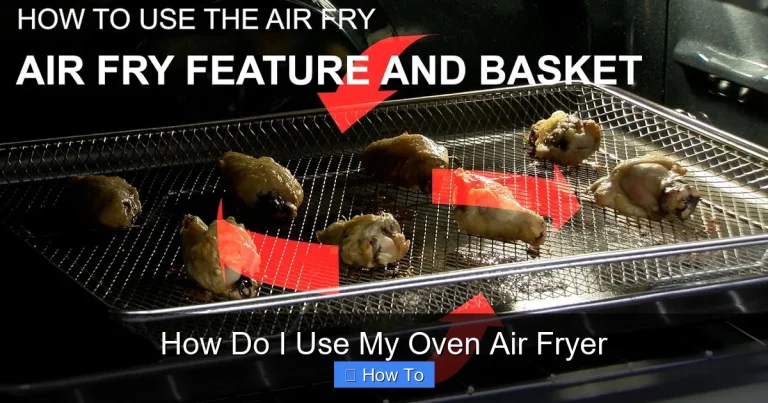
For a party favorite, try How to Air Fry in Convection Toaster Oven chicken wings. Pat wings dry, toss with your preferred seasoning, and arrange them in a single layer on the perforated basket. Cook at 380°F for 25‑30 minutes, turning once. The high heat renders the fat, resulting in juicy meat and crispy skin without deep frying.
Technique 5: Quick Dessert
You can even make a simple dessert. Place a few chocolate chips on a small piece of puff pastry, fold, and air fry at 350°F for 8‑10 minutes. The pastry puffs up, and the chocolate melts, creating a delicious treat with minimal effort.
For more dish ideas, check out our collection of recipes in What To Cook In Air Fryer Toaster Oven, which includes everything from appetizers to desserts that work perfectly with this method.
For a quick snack, you can reheat leftover pizza in the convection toaster oven. Place the slice on the rack, set the oven to 350°F, and heat for 3‑5 minutes. The result is a crispy crust and melted cheese, similar to when it was first baked.
Maintenance, Troubleshooting, and Final Thoughts
Regular maintenance keeps your oven performing reliably. After each use, let the unit cool completely, then remove the crumb tray and wash it with warm, soapy water. Wipe the interior walls with a damp cloth to remove grease buildup. For a deeper clean, follow the steps detailed in How To Clean My Toaster Oven Air Fryer.
If you encounter uneven browning, rotate the pan halfway through cooking. Excess smoke usually indicates too much oil or a full drip tray; reduce oil and empty the tray before starting. When cooking times seem longer than expected, verify that the oven has reached the target temperature and that the door is closed firmly.
For additional tips and troubleshooting advice, you may find our guide on How To Air Fry In A Toaster Oven helpful, as it covers many of the same principles across different brands.
Long‑term care involves inspecting the heating elements for signs of wear and replacing them if necessary. Store the oven in a dry place to prevent rust, and avoid using abrasive cleaners that could damage the non‑stick coating. With proper maintenance, your convection toaster oven can serve you for many years, delivering consistent air‑fried results.
Periodically check the door seal for any cracks or gaps, as a compromised seal can let heat escape and affect cooking performance. Replacing the seal if needed is a simple DIY task that can extend the life of your oven.
In summary, mastering How to Air Fry in Convection Toaster Oven involves understanding your appliance, preparing it correctly, using the right accessories, and applying proven techniques. With practice, you can create crispy, flavorful meals that are healthier than traditional deep frying, all from the convenience of your kitchen. Enjoy experimenting with new recipes and share your successes with friends and family.
Frequently Asked Questions
What temperature should I use for air frying in a convection toaster oven?
Most recipes call for temperatures between 350°F and 400°F. Start at 375°F for balanced cooking and adjust based on the food’s thickness and desired crispiness.
How long does it take to cook French fries?
Cut potatoes typically need 15‑20 minutes at 400°F, flipping halfway through. thinner fries may cook in as little as 12 minutes, while thick cuts can take up to 25 minutes.
Can I use aluminum foil in the oven?
Yes, small pieces of foil can be used to line trays or wrap foods, but avoid covering the entire rack as it may block airflow and reduce convection efficiency.
How do I prevent food from sticking?
Use a non‑stick baking sheet, a silicone mat, or a light spray of oil. Perforated baskets also help by allowing air to circulate and reducing direct contact with the surface.
Is it safe to use the oven for reheating?
Absolutely. Reheating in the convection toaster oven restores crispiness better than a microwave. Use a moderate temperature (around 350°F) and check for doneness after a few minutes.
How often should I clean the oven?
After each use is ideal. Remove the crumb tray and wipe the interior. A deeper clean, including the heating elements and door seal, should be done monthly or as needed.