How Does an Air Fryer Toaster Oven Work
An air fryer toaster oven combines rapid hot‑air circulation with a compact oven cavity to cook food fast, crispy, and with less oil. Discover the inner workings, key benefits, and simple tips to master it in minutes.
Key Takeaways
- Hot air circulation: a powerful fan moves heated air around the food for even cooking.
- Rapid cooking: food cooks up to 30% faster than a conventional toaster oven.
- Less oil needed: the crisp texture appears without submerging food in oil.
- Versatile functions: bake, roast, toast, and air‑fry in one appliance.
- Energy efficient: uses less electricity than a full‑size oven.
- Easy cleanup: removable crumb tray and non‑stick surfaces simplify maintenance.
📑 Table of Contents
The Basics: What Is an Air Fryer Toaster Oven?
Understanding the Core Components
An air fryer toaster oven looks like a small countertop oven, but inside it hides a fast‑moving hot‑air system. The main parts are a heating element, a powerful fan, and a cooking chamber with a wire rack. When you plug it in and set the temperature, the element glows and warms the air. The fan then pushes that hot air around the food, creating a swirling motion that mimics deep‑frying without oil. This design lets you get crispy fries, roasted chicken, or toasted bread with the same speed you expect from a toaster.
Think of it as a hybrid: the compact size of a toaster oven plus the rapid air circulation of an air fryer. The result is a versatile appliance that can replace several kitchen tools. Most models hold between 2 and 6 quarts, enough for a family‑size pizza or a batch of chicken wings. You can bake a cake, roast a turkey leg, or even dehydrate fruit, all with the same appliance. The combination of convection heat and rapid air makes cooking time shorter than a regular oven, yet the flavor stays true. Because the air moves so fast, you often don’t need to flip the food, which saves time and reduces the chance of burning. For best results, preheat the oven for 3‑5 minutes before adding food; this gives the heating element a head start and ensures an even crisp. Safety features include an automatic shut‑off if the unit tips over and a cool‑touch handle that stays safe to grip.
For a deeper look at the science, see how does air fryer work in an oven. That article breaks down the airflow and heat transfer in simple terms.
How Air Circulation Creates Crispiness
The Role of a Fan and Heating Element
The secret to that satisfying crunch is the fan. As the heating element raises the temperature, the fan forces the hot air to flow in a circular pattern. This rapid movement coats every surface of the food with a thin layer of hot air, which quickly evaporates moisture. As the water disappears, the starches on the surface brown and become crispy, just like a deep‑fried snack.
Compare this to a traditional oven where heat rises and pools at the top. In a standard oven, the bottom of the food may stay soggy while the top gets dry. The air fryer’s forced circulation eliminates those dead zones, delivering uniform heat. The fan typically moves 200‑300 CFM, creating a vortex that reaches temperatures often higher than the oil in a deep fryer, which helps achieve a golden‑brown crust quickly. You can read more about the difference in how does an air fryer work vs oven. That guide shows side‑by‑side visuals of heat flow in both appliances.
Because the air is moving constantly, you get a crunchy exterior without the need for oil. The result is a healthier version of your favorite fried foods, with up to 80% less fat in many recipes. The high‑speed airflow also accelerates the Maillard reaction, the chemical process that creates brown color and rich flavor, so you get restaurant‑quality results at home. The fan typically spins at 200‑300 CFM, creating a strong vortex that keeps the food moving constantly. This high‑speed airflow raises the surface temperature quickly, promoting the Maillard reaction, which gives foods their golden‑brown color and rich flavor without any oil. Because the air is so hot and moving fast, you can achieve a crisp texture in minutes rather than hours.
The Heating Process: Convection vs Traditional Oven
How Heat Is Distributed
Inside an air fryer toaster oven, heat is generated by a metal element that radiates warmth. The fan then distributes that warmth evenly throughout the cavity. This process is called convection, and it’s the same principle used in a convection oven, but on a much smaller scale.
In a regular oven, heat rises from the bottom and creates hot spots near the top. Food placed on the middle rack may receive less direct heat, leading to uneven cooking. The air fryer’s design forces the hot air to swirl around the food, so each piece gets the same amount of heat from all sides. This is why you can cook a pizza on the top rack and get a crisp crust while the toppings stay juicy.
Another advantage is energy efficiency. Because the cavity is small and the air circulates quickly, the appliance reaches the desired temperature faster, using less electricity than a full‑size oven. The heating element can be a simple coil or a quartz tube, both of which heat up in under two minutes. For a deeper dive into energy use, check out how much energy does an air fryer use compared to an oven. That article compares wattage and cooking times. The heating element can be a metal coil or a quartz tube. Both types get hot very quickly, reaching 400°F in under two minutes. The small cavity means less heat is lost to the surrounding air, so the appliance uses less electricity than a full‑size oven. In fact, many models use 800‑1500 watts, which is comparable to a microwave but cooks food faster. This efficiency makes it a greener choice for everyday cooking.
Cooking Modes and Controls
Temperature, Timer, and Preset Functions
Modern air fryer toaster ovens come with a range of controls. Most have a dial or digital touch screen to set the temperature, usually from 150°F up to 400°F. A timer lets you set the cooking duration, often up to 60 minutes. Many models also include preset programs for popular foods like fries, chicken nuggets, or baked goods.
Presets simplify the process: you select “Fries” and the oven automatically adjusts temperature and time for optimal crispness. Some even have a “Dehydrate” mode that uses lower heat and slow airflow to remove moisture from fruit or jerky. Understanding these settings helps you get consistent results every time. Many units also feature a “Reheat” function that gently warms leftovers without overcooking, and a “Keep Warm” setting that maintains temperature for up to 30 minutes. These extra modes make the appliance useful for meal prep and entertaining. Look for a model with a clear display and easy‑to‑reach controls; this reduces the learning curve and makes it more enjoyable to use. Some higher‑end models include a rotisserie attachment, letting you roast a whole chicken with even browning.
If you’re new to the appliance, start with the “How To Use An Air Fryer Toaster Oven” guide. It walks you through each button and shows example recipes. how to use an air fryer toaster oven is a great resource for beginners.
Benefits Over a Standard Toaster Oven
Speed, Energy Use, and Versatility
One of the biggest selling points is speed. Because the air circulates so quickly, food often cooks 20‑30% faster than in a conventional toaster oven. A batch of chicken wings that would take 20 minutes in a regular oven may be ready in 12‑15 minutes here.
Energy consumption is another advantage. The smaller cavity and rapid heating mean the appliance uses less electricity than a full‑size oven, especially for short cooking bursts. This can add up to savings on your electric bill over time. Because it cooks faster, you can prepare meals closer to serving time, which is perfect for busy families or small gatherings. The compact size fits well on most countertops, yet still offers enough capacity for a family meal.
Versatility is also a key benefit. In addition to air‑frying, you can bake, roast, toast, and even dehydrate. This multi‑functionality means you may need fewer appliances on your countertop. You can also use it for reheating pizza, cooking frozen meals, or making homemade chips from fresh potatoes. The ability to handle both fresh and packaged foods adds to its everyday usefulness. Over time, the energy savings and reduced need for multiple appliances can offset the initial purchase price, making it a smart long‑term investment for many households. Additionally, the compact design means fewer manufacturing materials and less waste compared to a full‑size oven, contributing to a smaller carbon footprint. Some users even replace their microwave with an air fryer toaster oven for reheating, further cutting energy use.
Practical Tips for Getting the Best Results
Preheating, Placement, and Cleaning
Preheating the oven for a few minutes before adding food makes a big difference. It allows the heating element to reach the set temperature, so the food starts cooking immediately rather than waiting for the oven to warm up. Preheat for 3‑5 minutes for most recipes; higher temperatures may need a shorter preheat.
Placement matters too. Keep the rack in the middle of the cavity for even airflow, and avoid overcrowding the basket. Overcrowding blocks the air flow and can lead to soggy results. If you need to cook a large batch, do it in two rounds for the best crispness. Use a light spray of cooking oil only when needed; the air fryer can often produce crispness without any added fat. Store the appliance with the door slightly open to let any residual moisture escape, which helps prevent mold and odors. Regularly check the fan and heating element for any food debris that might reduce airflow.
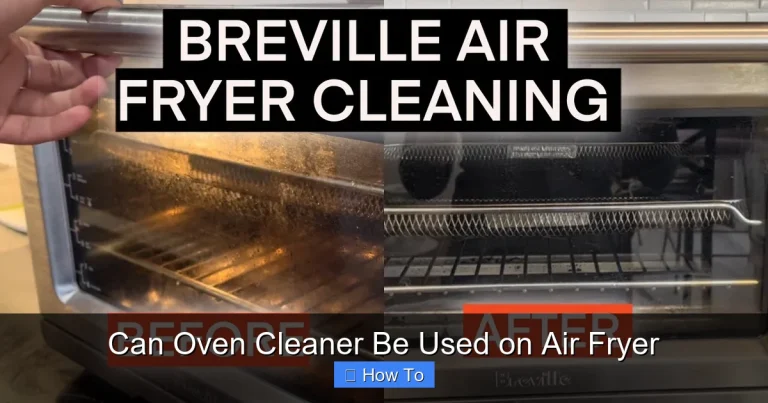
Cleaning is easy but important for maintaining performance. Most models have a removable crumb tray that you can wash in the sink. Wipe the interior walls with a damp cloth after each use to prevent buildup. For a deeper clean, consult how to use an air fryer toaster oven which includes a step‑by‑step cleaning guide. A non‑stick coating on the interior makes wiping easier, and the crumb tray catches grease and crumbs, simplifying cleanup.
Finally, experiment with different foods. Try frozen vegetables, small cuts of meat, or even reheating pizza. The more you practice, the better you’ll understand how the airflow impacts each dish. Use accessories like a pizza stone, a grill rack, or a baking pan to tailor the cooking experience. A pizza stone retains heat and gives a crisp crust, while a grill rack lets fat drip away for leaner meat. Adjust cooking times based on food thickness; thicker cuts may need an extra 5‑10 minutes, and you should shake the basket halfway through for even results. These small tweaks help you get the best texture every time.
Conclusion
An air fryer toaster oven blends the convenience of a compact oven with the speed and crispiness of an air fryer. Its hot‑air circulation, efficient heating, and multiple cooking modes make it a versatile tool for busy kitchens. By understanding how the fan, heating element, and cavity work together, you can unlock healthier, faster meals with minimal oil. Use the tips above, explore the linked guides, and you’ll be cooking like a pro in no time.
Frequently Asked Questions
What is How Does An Air Fryer Toaster Oven Work?
How Does An Air Fryer Toaster Oven Work is an important topic with many practical applications.