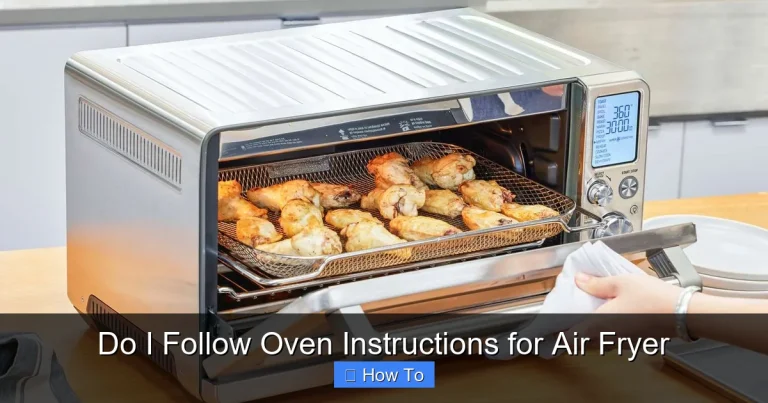
Can You Use Corningware in a Toaster Oven
Yes, most Corningware is safe to use in a toaster oven, making it a convenient option for small-batch baking and reheating. However, always check the specific temperature limit on your dish and avoid placing it directly against the heating elements to prevent thermal shock or cracking. With proper care, Corningware can handle toaster oven temperatures just as well as a conventional oven.
Key Takeaways
- Check the oven’s temperature rating: Ensure Corningware’s max temperature exceeds the toaster oven’s setting.
- Use only oven‑safe Corningware: Verify the piece is labeled microwave‑safe and oven‑safe for toaster ovens.
- Avoid sudden temperature changes: Let the dish cool briefly before placing it in the toaster oven to prevent cracking.
- Preheat cautiously: If recommended, preheat at low power for 5 minutes before adding food.
- Watch for hot spots: Rotate the dish halfway through cooking for even heating.
- Inspect for damage: Discard any cracked or crazed Corningware before using it in a toaster oven.
📑 Table of Contents
- Can You Use Corningware in a Toaster Oven
- What Is Corningware and Why It Matters for Toaster Ovens
- The Short Answer: Yes, But With Conditions
- Understanding Thermal Shock and Your Corningware
- Best Practices for Using Corningware in a Toaster Oven
- Common Mistakes to Avoid
- Data Comparison: Corningware Types and Toaster Oven Suitability
- Alternatives and When to Use Something Else
- Cleaning and Care for Longevity
- Conclusion
Can You Use Corningware in a Toaster Oven
Picture this: you’re craving a small batch of mac and cheese or a personal pot pie, and your big oven feels like overkill. You reach for that trusty white Corningware dish with the blue cornflower pattern—the one that’s been in your family for decades. But then you pause. Can you use Corningware in a toaster oven? It’s a question that stops many home cooks in their tracks.
I’ve been there myself. Standing in my kitchen, Corningware in hand, toaster oven glowing, wondering if I’m about to ruin a family heirloom or create a delicious dinner. The short answer is yes, you can. But like most things in the kitchen, the devil is in the details. Let’s walk through everything you need to know so you can cook with confidence.
What Is Corningware and Why It Matters for Toaster Ovens
The History Behind the Dish
Corningware isn’t just any bakeware. It was born in the 1950s when Corning Glass Works developed a glass-ceramic material called Pyroceram. This stuff was originally designed for missile nose cones—yes, really. It had to withstand extreme temperature changes without cracking. That same technology made its way into kitchens, giving us dishes that could go from freezer to oven to table without missing a beat.
Visual guide about Can You Use Corningware in a Toaster Oven
Image source: nkosi-capetown.com
The original Corningware—the vintage pieces with the blue cornflower or floral patterns—is made from this Pyroceram. It’s incredibly tough. But here’s where it gets tricky. In the late 1990s, the formula changed. Newer Corningware (often sold under the Corelle brand) is made from stoneware, not glass-ceramic. They look similar, but they behave differently under heat.
Vintage vs. Modern: Know What You Own
Before you put any dish in a toaster oven, flip it over. Look at the bottom stamp. Vintage Corningware usually says “Corningware” with “Pyroceram” or “Made in USA” and often has a pattern name. Modern stoneware versions typically say “Corningware” with “Stoneware” or “Not for stovetop use.”
Why does this matter? Vintage Pyroceram handles thermal shock like a champ. Modern stoneware is more like regular ceramic—it can crack if temperature changes happen too fast. A toaster oven’s heating elements sit close to your food, creating intense, direct heat. That proximity makes knowing your material critical.
The Short Answer: Yes, But With Conditions
Vintage Pyroceram: Generally Safe
If you have authentic vintage Corningware made from Pyroceram, you’re in good shape. These pieces were designed for oven use up to 450°F or even 500°F. The glass-ceramic material resists thermal shock exceptionally well. You can take a vintage dish from the fridge and put it straight into a preheated toaster oven without worry—most of the time.
But “generally safe” comes with caveats. Toaster ovens vary wildly. Some have heating elements that sit inches from your dish. Others cycle on and off aggressively, creating temperature spikes. Even Pyroceram has limits.
Modern Stoneware: Proceed With Caution
Modern Corningware stoneware carries more risk in a toaster oven. The manufacturer often stamps “Not for broiler use” or “Not for direct heat” on the bottom. A toaster oven’s top element essentially acts like a broiler. That intense radiant heat can cause cracking, especially if the dish has any micro-fractures you can’t see.
I learned this the hard way with a modern Corningware casserole dish. Halfway through baking a small lasagna, I heard a sharp *ping*. A hairline crack ran from the rim to the center. The dish held together, but it was a wake-up call. Now I reserve modern pieces for the big oven where heat distributes more gently.
Check Your Specific Piece
Always, always check the bottom stamp. Look for temperature ratings. Some vintage pieces say “Oven safe to 450°F.” Others might have lower limits. If the stamp is worn off, err on the side of caution. When in doubt, use a different dish.
Understanding Thermal Shock and Your Corningware
What Thermal Shock Actually Does
Thermal shock isn’t just a fancy term. It’s physics in action. When one part of a dish heats (or cools) faster than another, the material expands unevenly. This creates internal stress. If that stress exceeds the material’s strength, the dish cracks—sometimes violently.
Toaster ovens are thermal shock machines. The heating elements blast infrared radiation directly at your dish. The top of your casserole might hit 400°F while the bottom sits at 200°F. The handles stay cool. That temperature gradient is exactly what causes cracks.
Why Vintage Handles It Better
Pyroceram’s crystal structure gives it a near-zero thermal expansion coefficient. In plain English: it barely expands when heated. That’s why vintage Corningware can go from freezer to hot oven. Stoneware expands more like regular glass or ceramic. The mismatch between hot and cool areas creates stress points.
Real-World Scenario: The Frozen Casserole
Imagine you’ve made a beautiful chicken pot pie in your Corningware, frozen it solid, and now want to reheat a slice in the toaster oven. With vintage Pyroceram? Usually fine. Put the frozen dish in a cold toaster oven, set the temperature, and let them heat together. With modern stoneware? Risky. The thermal gradient from frozen center to blazing-hot top element is a recipe for a cracked dish.
Best Practices for Using Corningware in a Toaster Oven
Preheat Smart, Not Just Fast
Most toaster oven manuals say to preheat. With Corningware, consider skipping preheat or using a gentler approach. Place your dish in the cold toaster oven, then turn it on. The dish heats gradually with the air, minimizing thermal gradients. This works especially well for reheating or baking items that don’t need an initial blast of heat for structure (like soufflés or certain breads).
If your recipe demands a preheated oven, preheat the toaster oven empty. Then place your Corningware on the middle rack—not the top rack near the upper element, not the bottom rack near the lower element. Middle position gives the most even heat distribution.
Use a Baking Sheet as a Buffer
Here’s a pro tip: put your Corningware on a metal baking sheet or toaster oven tray. The metal diffuses direct heat from the lower element, creating a more gentle, even heating environment for your dish. It also makes pulling hot dishes out easier and catches any bubbling overflow.
Mind the Gap: Clearance Matters
Toaster ovens are tight. Measure your Corningware’s height including handles. You need at least an inch—preferably two—between the top of your dish (or its lid) and the upper heating element. If your dish touches or nearly touches the element, you’re asking for trouble. The radiant heat at that distance is intense enough to crack even vintage Pyroceram.
Lower the Temperature, Extend the Time
Toaster ovens run hot. Their small volume means temperature swings are dramatic. If a recipe calls for 375°F in a regular oven, try 350°F in your toaster oven and add 5-10 minutes. The gentler heat reduces thermal stress on your Corningware and often produces better results anyway—less burnt edges, more even cooking.
Don’t Use the Broil Setting
This should go without saying, but never use the broil setting with Corningware in a toaster oven. The broil element runs at maximum intensity, often 500°F+. That’s direct, concentrated heat that will crack virtually any ceramic or glass-ceramic dish. Stick to bake, convection bake, or roast settings.
Common Mistakes to Avoid
Placing a Cold Dish in a Hot Oven
We covered this, but it bears repeating. Taking a Corningware dish straight from the refrigerator (or worse, freezer) into a preheated toaster oven is the number one way to crack it. Even vintage pieces can fail under extreme thermal shock. Let the dish sit on the counter for 15-20 minutes while the oven preheats. Better yet, use the cold-start method.
Using Damaged Dishes
That tiny chip on the rim? The hairline crack you can barely see? They’re stress concentrators. Under the intense, uneven heat of a toaster oven, they become failure points. Inspect your Corningware before each use. If you see any damage, retire that piece from oven duty. It can still serve as a pretty serving bowl or leftover container.
Adding Cold Liquid to a Hot Dish
You’re making a gravy in your Corningware on the stovetop (vintage only, please), then want to finish it in the toaster oven. You realize it’s too thick and splash in cold broth. *Crack.* The sudden temperature change at that specific spot can shatter the dish. Always warm liquids before adding to hot bakeware.
Ignoring the Lid Situation
Corningware lids are a mixed bag. Vintage glass lids (Pyrex) are generally oven-safe to 425°F. But plastic lids? Never in any oven. Some modern stoneware sets come with glass lids rated for lower temperatures. Check the lid separately from the base. And remember: a lid traps steam, which changes cooking dynamics. You might need to vent or remove it partway through.
Crowding the Toaster Oven
Air circulation matters. If your Corningware fills the toaster oven cavity, heat can’t distribute evenly. Hot spots develop. The dish heats unevenly. Crack risk goes up. Leave space on all sides—at least an inch if possible. If your dish is too big for the toaster oven with proper clearance, use your regular oven instead.
Data Comparison: Corningware Types and Toaster Oven Suitability
| Corningware Type | Material | Max Temp Rating | Thermal Shock Resistance | Toaster Oven Suitability | Special Notes |
|---|---|---|---|---|---|
| Vintage Pyroceram (Pre-1998) | Glass-ceramic (Pyroceram) | 450-500°F | Excellent | High – Best choice | Can go freezer to oven. Check for cracks. |
| Vintage Pyroceram with Glass Lid | Glass-ceramic base, Pyrex lid | Base: 500°F, Lid: 425°F | Excellent (base), Good (lid) | High | Remove lid for high-temp or broil-adjacent cooking. |
| Modern Stoneware (Corelle Brands) | Stoneware ceramic | 350-450°F (varies) | Moderate | Low to Moderate | Not for broiler. Avoid direct element exposure. Cold start recommended. |
| French White Stoneware | Stoneware ceramic | 450°F | Moderate | Moderate | Similar to modern stoneware. White glaze hides cracks—inspect carefully. |
| Corningware SimplyLite | Vitroceramic (lighter weight) | 450°F | Good | Moderate to High | Newer vitroceramic formulation. Lighter but still thermal-shock resistant. |
| Plastic Lids (Any Era) | Polypropylene/BPA-free plastic | Not oven safe | N/A | Never | Melts, warps, releases chemicals. Storage only. |
Alternatives and When to Use Something Else
When to Reach for Metal Instead
Sometimes Corningware just isn’t the right tool. If you’re broiling, searing, or need high heat from above—like melting cheese on french onion soup or browning a casserole top—use a metal pan. A small cast iron skillet, stainless steel baking pan, or even a foil pan on a baking sheet handles toaster oven broil settings beautifully. Metal conducts heat, doesn’t crack, and gives you that golden-brown finish.
For cookies, biscuits, or anything needing crisp bottoms, metal wins again. Corningware’s thick walls insulate the bottom of your food. You’ll get pale, soft bottoms instead of crisp ones. Check out our guide on what can you bake in toaster oven for more bakeware recommendations by food type.
Glass Alternatives: Pyrex and Anchor Hocking
If you love glass bakeware but your Corningware is modern stoneware (or you’re just nervous), Pyrex and Anchor Hocking glass dishes work well in toaster ovens with similar precautions. They’re tempered soda-lime glass (modern) or borosilicate (vintage Pyrex). Same rules apply: avoid thermal shock, mind clearance, don’t broil. Some bakers prefer glass because you can see the bottom browning.
Silicone and Ceramic Options
Silicone bakeware is flexible, nonstick, and toaster-oven safe up to 428°F typically. It’s great for muffins, small cakes, and egg bites. But it’s floppy—always put silicone on a rigid baking sheet. Ceramic ramekins and small baking dishes (like Le Creuset stoneware or generic ceramic) also work well. They’re designed for oven use and handle toaster oven heat better than modern Corningware stoneware in my experience.
Knowing When to Use Your Big Oven
There’s no shame in using your full-size oven. If you’re cooking for more than two people, making something tall (like a layered lasagna), or need precise, even heat for a delicate bake, the big oven is your friend. Toaster ovens excel at small batches, reheating, and energy efficiency. Match the tool to the task.
Cleaning and Care for Longevity
Post-Toaster Oven Care
After using Corningware in a toaster oven, let it cool completely on a dry towel or cooling rack—not a cold countertop, not a wet sink. Sudden cooling from the bottom can stress the material. Once cool, wash with warm, soapy water. Vintage Pyroceram is dishwasher safe, but hand washing preserves the pattern longer. Modern stoneware—check the stamp. Some are dishwasher safe, others recommend hand wash only.
Removing Baked-On Food
Toaster ovens can bake things on fiercely due to the close elements. For stubborn residue, soak the dish in hot water with baking soda or a dishwasher tablet for an hour. A nylon scrubber usually does the trick. Avoid metal scouring pads—they can scratch the surface, creating weak points for future thermal stress.
Storage Wisdom
Stack your Corningware with paper towels or cloth between pieces. Those pretty patterns scratch easily, and chips on the rim are the most common damage. Store lids separately or upside down on the base to avoid trapping moisture. If you use your vintage pieces regularly, keep them accessible. If they’re special occasion only, wrap them in bubble wrap or cloth.
Conclusion
So, can you use Corningware in a toaster oven? Absolutely—with knowledge and care. Vintage Pyroceram pieces are toaster oven champions, handling the intense, close-quarters heat like the missile-nose-cone descendants they are. Modern stoneware pieces need more babying: cold starts, lower temperatures, middle rack placement, and a watchful eye.
The key takeaways? Know what you own. Check the bottom stamp. Respect thermal shock. Give your dish clearance from heating elements. Use a baking sheet buffer. And when in doubt, reach for metal or use your big oven. Your Corningware—whether it’s a 1960s cornflower casserole or a 2020 French White baker—can serve you well in a toaster oven if you treat it right.
I still use my grandmother’s vintage Corningware in my toaster oven weekly. That little blue cornflower dish has made countless personal pot pies, reheated endless leftovers, and even baked a few surprisingly good brownies. It’s earned its place on my counter. With these guidelines, yours can too.
Happy cooking, and may your dishes stay crack-free.
Frequently Asked Questions
Can you use Corningware in a toaster oven?
Yes, you can use Corningware in a toaster oven, but you must follow the manufacturer’s guidelines. The glass‑ceramic material can handle typical toaster‑oven temperatures up to about 500 °F, so it won’t crack under normal cooking conditions.
Is it safe to put Corningware in a toaster oven?
It is generally safe, provided the Corningware is rated for oven use and you avoid rapid temperature changes. Avoid preheating the toaster oven to its highest setting without the dish inside, as sudden heat spikes can cause thermal shock.
What temperature limits should I keep in mind when using Corningware in a toaster oven?
Corningware can be used up to around 500 °F, but many models are rated only to 400‑450 °F. Exceeding these limits may cause the material to crack or lose its non‑stick properties, so always check the label before use.
Can I use my Corningware bakeware in a convection toaster oven?
Yes, you can use Corningware in a convection toaster oven, but keep an eye on cooking time. The circulating air can cook food faster, so you may need to reduce the temperature or time by about 10‑15 % to avoid overcooking.
Does the material of Corningware affect its performance in a toaster oven?
The glass‑ceramic construction of Corningware conducts heat evenly, which helps prevent hot spots in a toaster oven. However, its thickness can retain heat longer, so use oven mitts and allow it to cool for a few minutes before handling.
Are there any precautions I should take when using Corningware in a toaster oven?
Always place Corningware on a stable rack and avoid overcrowding the toaster oven. Make sure the dish is at room temperature before sliding it in, and never use direct flame or self‑cleaning cycles, as these can damage the material.