Is Rachel Ray Cookware Oven Proof
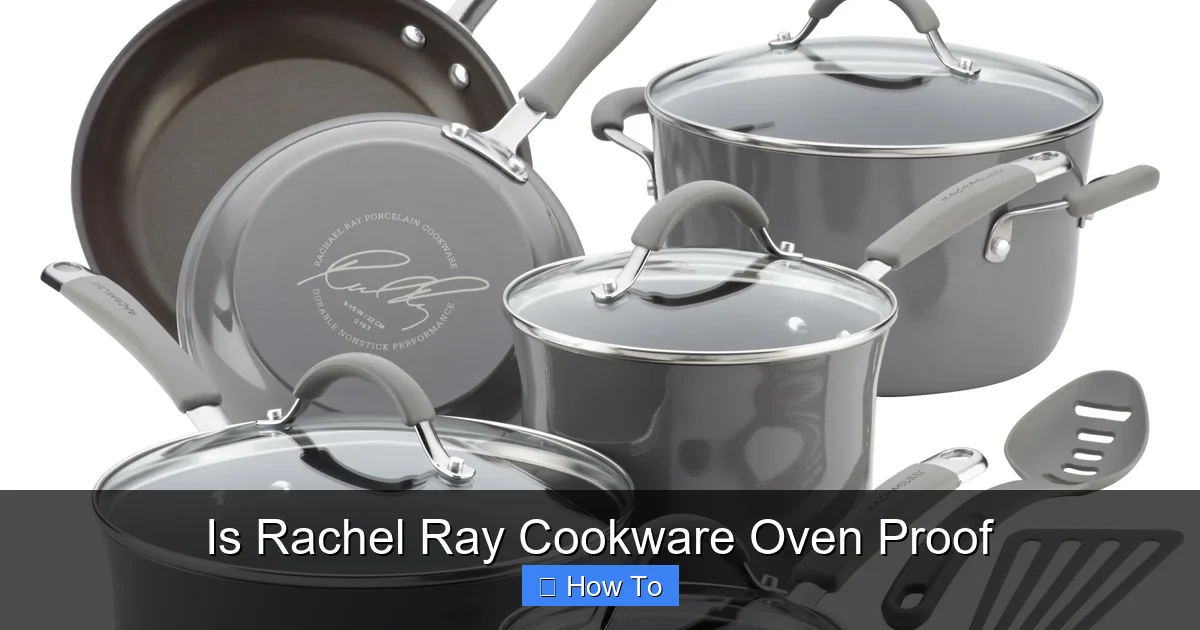
Rachel Ray Cookware is mostly oven‑proof, but the exact temperature limits depend on the line and material. Check the manufacturer’s guidance, look for oven‑safe markings, and follow simple tips to use your pans safely in the oven.
Key Takeaways
- Most Rachel Ray lines are oven safe up to 350‑400°F. This range covers stovetop to oven transitions.
- Non‑stick coatings vary; some are oven safe while others degrade above 350°F. Look for “oven safe” labeling.
- Metal handles and rivets are usually oven proof, but silicone grips may melt. Verify handle material.
- Always preheat the oven before placing the pan. This prevents thermal shock.
- Use the “How To Tell If Cookware Is Oven Safe” method to test your pieces. See the linked guide.
- Follow the manufacturer’s temperature limit for best durability. Exceeding it can void warranties.
Key Takeaways
- Understanding Is Rachel Ray Cookware Oven Proof: Provides essential knowledge
📑 Table of Contents
- What Does “Oven Proof” Mean for Cookware?
- Materials Used in Rachel Ray Cookware and Their Oven Compatibility
- Specific Oven Safe Limits for Different Rachel Ray Lines
- How to Verify If Your Rachel Ray Cookware Is Oven Safe
- Practical Tips for Using Rachel Ray Cookware in the Oven
- Common Myths and Misconceptions About Rachel Ray Oven Proof
- Conclusion
- FAQs
What Does “Oven Proof” Mean for Cookware?
Understanding the Term
When a brand says a pan is “oven proof” it means the piece can be placed in a conventional oven without cracking, warping, or releasing harmful fumes. The key factors are the base material, the type of coating, and the handle construction. Most metal bodies made from stainless steel, aluminum, or hard‑anodized aluminum are inherently oven safe, while certain non‑stick coatings may break down if the temperature exceeds the manufacturer’s limit. In the context of Rachel Ray Cookware Oven Proof, the term simply means the pan can survive the heat of a standard home oven.
Typical Temperature Limits
Most Rachel Ray Cookware Oven Proof models are rated for 350‑400°F, which covers the majority of home baking and roasting tasks. Going higher can cause the non‑stick surface to discolor, lose its release properties, or even emit fumes. Always check the specific product’s label; some premium lines are rated for 450°F, but those are the exception rather than the rule. The term Rachel Ray Cookware Oven Proof is often used in reviews to differentiate between stovetop‑only and oven‑capable pieces.
To be absolutely certain that your Rachel Ray Cookware Oven Proof is truly safe, you can perform a simple test described in our guide on how to tell if your cookware is truly oven safe. This method checks for warping, coating integrity, and handle stability before you trust the pan with a roast.
Materials Used in Rachel Ray Cookware and Their Oven Compatibility
Hard‑Anodized Aluminum
Many Rachel Ray Cookware Oven Proof pans use hard‑anodized aluminum, a process that thickens the metal’s natural oxide layer. This makes the surface more durable, resistant to scratching, and generally oven safe up to 400°F. The anodized layer also helps prevent reactions with acidic foods, which is a plus for sauces and tomato‑based dishes. Hard‑anodized aluminum is a cornerstone of Rachel Ray Cookware Oven Proof because it resists warping at high heat.
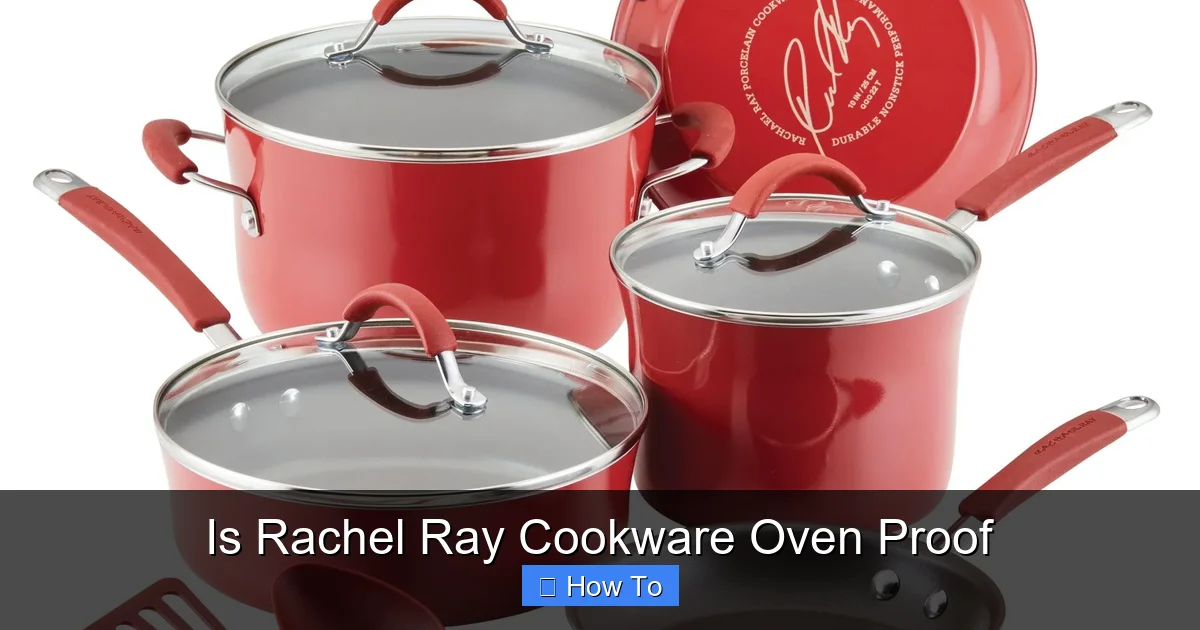
Visual guide about Is Rachel Ray Cookware Oven Proof
Image source: rachaelray.com
Stainless Steel
Stainless steel collections, such as the “Professional” line, are fully oven proof. The metal itself tolerates high heat, and the riveted handles are usually made from stainless or heat‑resistant polymer that can endure the same temperature range. If the handle is silicone, verify that it’s rated for oven use; otherwise, remove it before baking. Stainless steel bodies in Rachel Ray Cookware Oven Proof lines are fully compatible with oven temperatures up to 450°F.
Non‑Stick Ceramic or Teflon Coatings
Some Rachel Ray Cookware Oven Proof lines feature a ceramic or Teflon‑based non‑stick coating. While the metal core is oven safe, the coating’s temperature limit can be lower. Most are rated for 350°F; exceeding that may cause the coating to degrade, turn brown, or lose its non‑stick quality. If you need to bake at higher temperatures, look for a “hard‑anodized” or “stainless steel” version instead. For a comparison with other popular brands, you might find it helpful to read Is Anolon Cookware Oven Proof, which discusses similar material considerations and temperature ratings.
Specific Oven Safe Limits for Different Rachel Ray Lines
Classic and Everyday Cookware
The Classic line, which includes the popular 12‑inch fry pan and 8‑inch sauté pan, is typically oven safe up to 350°F. This is ideal for dishes that start on the stove and finish in the oven, such as frittatas or pan‑roasted vegetables. The Classic line of Rachel Ray Cookware Oven Proof is designed for everyday meals and is safe up to 350°F.
Cucina Collection
The Cucina series often features a stainless‑steel base with a non‑stick interior. These pans are usually rated for 375°F, giving you a little extra leeway for roasting chicken thighs or baking small casseroles. Cucina’s stainless‑steel base gives it a higher oven rating of 375°F, perfect for casseroles.
Professional and Gourmet Lines
Higher‑end Professional and Gourmet collections use thicker hard‑anodized aluminum and stainless steel. They are frequently marked as oven safe to 400°F or even 450°F, allowing you to sear, deglaze, and then transfer directly to a hot oven for a perfect crust. Professional and Gourmet collections often carry a 400°F or 450°F rating, allowing high‑heat searing before oven finishing.
Remember that the exact limit is printed on the bottom of the pan or listed in the product manual. If you can’t locate it, a quick call to the manufacturer’s customer service will clear up any doubt. For example, the Professional line of Rachel Ray Cookware Oven Proof can handle a 400°F oven, making it suitable for searing steaks before finishing in the oven.
How to Verify If Your Rachel Ray Cookware Is Oven Safe
Check the Packaging and Manual
When you first buy a Rachel Ray pan, the box or the instruction manual usually states the maximum oven temperature. Look for phrases like “oven safe to 400°F” or “maximum oven temperature 350°F”. If the information is missing, the safest assumption is 350°F. The packaging for Rachel Ray Cookware Oven Proof usually highlights the temperature rating in bold letters.
Inspect the Handle
Handles made of stainless steel or heat‑resistant polymer are generally safe, while silicone or plastic grips may melt above 350°F. If your pan has a detachable handle, remove it before placing the pan in the oven, especially if the handle is made of a material that isn’t labeled oven safe. If the handle on your Rachel Ray Cookware Oven Proof piece is made of heat‑resistant polymer, it’s generally safe up to the same temperature as the pan.
Perform a Simple Heat Test
Place the empty pan in a cold oven, set the temperature to 350°F, and let it heat for 15 minutes. After the time is up, turn off the oven and let the pan cool. Look for any signs of discoloration, warping, or loose rivets. If the pan looks unchanged, it’s likely safe for that temperature. This test is especially useful for confirming the safety of Rachel Ray Cookware Oven Proof that has no printed label.
For a deeper verification, refer to the detailed guide on how to tell if cookware is oven safe. The article walks you through additional checks, such as the water droplet test and the visual inspection of the coating.
Practical Tips for Using Rachel Ray Cookware in the Oven
Preheat the Oven First
Always preheat your oven before sliding the pan inside. A sudden temperature change can cause thermal shock, leading to cracks in the coating or warping of the metal. Preheating also ensures even cooking, especially for roasts and baked dishes. Preheating is a key step when using Rachel Ray Cookware Oven Proof, as it reduces thermal shock.
Use Oven‑Safe Utensils
When you need to stir or flip food inside the oven, use silicone or heat‑resistant metal utensils. Avoid wooden spatulas that may scorch, and never use metal tools on a non‑stick surface unless the coating is specifically rated for metal contact. Choosing the right utensil protects the surface of your Rachel Ray Cookware Oven Proof from scratches.
Mind the Temperature Gradient
If you’re using a convection oven, the heat circulates more evenly, which can be a benefit for even browning. However, convection can also lower the effective temperature by about 25°F, so you may need to reduce the oven setting slightly to stay within the pan’s safe limit. In convection settings, the effective temperature of Rachel Ray Cookware Oven Proof may feel lower, so adjust accordingly.
For more information on using cookware in convection settings, see our best cookware for convection microwave oven article, which offers recommendations and temperature adjustments.
Don’t Overcrowd the Pan
When baking, give food enough space to breathe. Overcrowding can trap steam, causing soggy results and forcing you to raise the oven temperature, which may exceed the pan’s safe range. Even with Rachel Ray Cookware Oven Proof, overcrowding can trap steam and force higher temperatures.
Common Myths and Misconceptions About Rachel Ray Oven Proof
Myth: All Non‑Stick Pans Are Oven Safe
Not true. Many non‑stick coatings begin to break down at temperatures as low as 350°F. If you’re unsure, check the product specifications; only those explicitly labeled oven safe should go into the oven. The myth that any non‑stick pan is oven proof ignores the specific limits of Rachel Ray Cookware Oven Proof.
Myth: Metal Handles Are Always Safe
While the metal body is oven proof, the handle material matters. Metal handles on Rachel Ray Cookware Oven Proof are safe, but only if the attached grip material can tolerate the heat. Silicone or plastic handles can melt, and rivets may loosen if they’re not designed for high heat.
Myth: You Can Use Rachel Ray Cookware at 500°F
Exceeding 500°F is unsafe for most Rachel Ray Cookware Oven Proof pieces and can damage the coating, cause discoloration, and potentially release fumes. Stick to the manufacturer’s limit for safety and longevity.
Myth: Oven‑Safe Means No Care Needed
Even Rachel Ray Cookware Oven Proof benefits from proper care. Avoid sudden temperature changes, hand‑wash when possible, and avoid abrasive cleaners that can scratch the surface, especially on non‑stick pans.
Conclusion
In summary, Rachel Ray Cookware Oven Proof is a reliable feature across most of the brand’s collections, provided you respect the temperature limits and handle specifications. By checking the manufacturer’s guidelines, inspecting the handle material, and using the simple verification steps outlined above, you can confidently move from stovetop sauté to oven roast without hesitation. Follow the practical tips, avoid common myths, and enjoy the convenience of one‑pan meals that transition seamlessly between the burner and the oven.
FAQs
Is Rachel Ray Cookware Oven Proof safe for all oven temperatures?
Most Rachel Ray Cookware Oven Proof pieces are rated for 350‑400°F. Temperatures beyond this range can damage the coating and may create unsafe fumes. Always check the specific temperature rating printed on the pan or in the manual.
Can I use Rachel Ray non‑stick pans in a convection oven?
Yes, many Rachel Ray Cookware Oven Proof non‑stick pans are convection‑safe, but you should keep the oven temperature at or below the manufacturer’s limit, typically 350°F. Convection can lower the effective heat, so you may need to adjust the setting slightly.
How do I know if a specific Rachel Ray pan is oven safe?
Look for the oven‑safe label on the bottom of the pan or in the product packaging. If the information is unclear, consult the user manual or contact the manufacturer. You can also perform the simple heat test described in our guide on how to tell if your cookware is truly oven safe.
What should I do if the handle of my Rachel Ray pan melts in the oven?
If the handle melts, stop using the pan immediately and replace it. Handles made of silicone or plastic are not designed for oven heat and can compromise safety. Choose pans with heat‑resistant handle materials for future oven use.
Are there any health concerns when using Rachel Ray Cookware Oven Proof at high heat?
When used within the recommended temperature range, Rachel Ray Cookware Oven Proof poses no health risks. Exceeding the temperature limit can cause the coating to break down and potentially release fumes, which should be avoided.
Can I put Rachel Ray Cookware Oven Proof in a toaster oven?
Yes, provided the toaster oven’s maximum temperature does not exceed the pan’s rated limit (usually 350‑400°F). Check the toaster oven’s specifications and ensure the pan fits comfortably without touching the walls.
Frequently Asked Questions
What is Is Rachel Ray Cookware Oven Proof?
Is Rachel Ray Cookware Oven Proof is an important topic with many practical applications.