Can You Put Ceramic in Toaster Oven
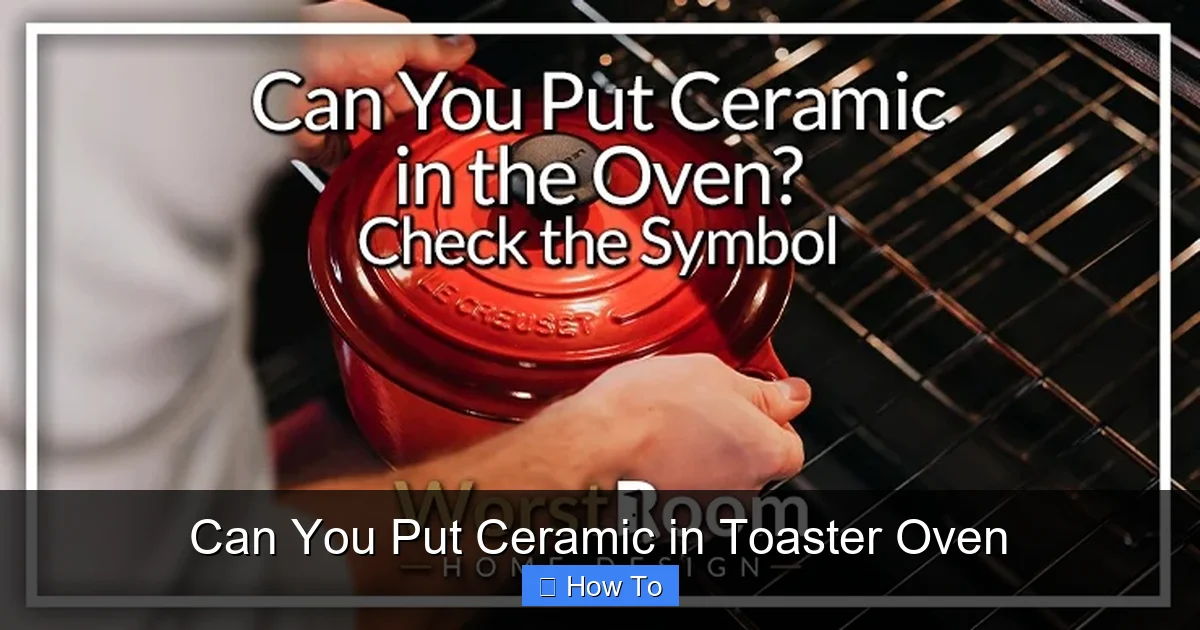
Can you put ceramic in toaster oven safely? The answer depends on the type of ceramic, its glazing, and how it handles heat. In this post, we’ll break down safety risks, best practices, and what to look for before placing ceramic inside your appliance.
Can You Put Ceramic in Toaster Oven
If you’ve ever asked, “can you put ceramic in toaster oven,” you’re definitely not alone. Countless home cooks appreciate the heat retention and attractive look of ceramic dishes, but worry about safety when using them in a compact, high-heat appliance like a toaster oven. Toaster ovens heat up faster and distribute heat differently than full-size ovens, making material compatibility a real concern. In this comprehensive guide, we’ll walk through everything you need to know about using ceramic in a toaster oven, from understanding different ceramic types to practical tips that prevent cracks and ensure delicious results. By the end, you’ll feel confident deciding whether your favorite ceramic piece belongs on the rack or should stay on the shelf.
Key Takeaways
- Point 1: Ceramic cookware can be safe in toaster ovens if it’s labeled oven-safe and free of decorative cracks.
- Point 2: Sudden temperature changes, or thermal shock, are the primary cause of ceramic cracking or shattering.
- Point 3: Always check for manufacturer markings; plain white ceramic is often safer than hand-painted or decorative pieces.
- Point 4: Preheat the toaster oven gradually with the ceramic inside to avoid extreme temperature swings.
- Point 5: Avoid using ceramic with metal trim or glazes containing lead or cadmium in high-heat toaster ovens.
- Point 6: If ceramic cracks during use, turn off the appliance immediately and discard the piece to prevent further damage.
- Point 7: When in doubt, test ceramic on a low setting before using for full meals.
📑 Table of Contents
- Understanding Ceramic Cookware
- Can You Put Ceramic in Toaster Oven? The Short Answer
- Factors That Determine Safety
- Types of Ceramic and Their Toaster Oven Compatibility
- Signs Your Ceramic Is Safe (or Not)
- Best Practices for Using Ceramic in Toaster Ovens
- What to Do If Your Ceramic Cracks or Breaks
- Alternatives and Recommendations
- Final Thoughts
Understanding Ceramic Cookware
Ceramic cookware isn’t a one-size-fits-all category. The term covers a wide range of products, from pure stoneware dishes fired in kilns to metal pans coated with a thin ceramic non-stick layer. Some ceramic pieces are designed exclusively for stovetop or conventional oven use, while others are specifically marked as safe for toaster ovens. Knowing the difference between pure ceramic, ceramic-coated, and hybrid materials helps you make informed choices and avoid costly mistakes. In this section, we’ll break down the most common ceramic types you’ll encounter in everyday kitchens.
Pure ceramic, often referred to as stoneware or earthenware, is made from natural clay that’s shaped and then fired at high temperatures. These pieces are typically dense and hold heat very well, which makes them excellent for slow baking or roasting. However, not all pure ceramic is created equal—some are glazed with materials that can crack under sudden temperature changes. Ceramic-coated cookware, on the other hand, features a metal base—usually aluminum or steel—covered with a ceramic-based non-stick coating. This type is prized for easy food release and cleanup, but the coating can degrade over time, especially if exposed to extreme heat or metal utensils. Understanding these distinctions is the first step to answering “can you put ceramic in toaster oven” safely.
So, when asking “can you put ceramic in toaster oven,” always check the material’s heat tolerance first. This simple step can prevent many common issues.
Another important category is decorative ceramic. Pieces with hand-painted designs, metallic gold rims, or colorful glazes may look beautiful, but they aren’t always oven-safe. The decorative elements can melt, chip, or even release unwanted chemicals when heated to toaster oven temperatures. Always check the bottom of the piece for manufacturer markings before assuming it’s suitable for your appliance. If no markings are present, treat the item as unknown and test it cautiously on a low setting.
If you’re unsure about which materials are safe overall, our guide on what can you put in toaster oven provides a comprehensive list of approved materials.
Can You Put Ceramic in Toaster Oven? The Short Answer
The most honest answer to “can you put ceramic in toaster oven” is: it depends on the specific piece of ceramic and how it’s used. Many ceramic dishes are perfectly safe, but the toaster oven’s intense, direct heat and compact design create conditions that differ from a standard wall oven. A ceramic dish that performs beautifully in a full-size oven might crack or shatter in a toaster oven if it isn’t designed for those conditions. The key factors are the ceramic’s heat tolerance, the presence of any metallic or decorative elements, and how you handle temperature changes. As a general rule, if a ceramic piece is labeled oven-safe and shows no visible cracks, it can likely handle toaster oven heat for short cooking cycles. However, always start with a low-temperature test to ensure the piece reacts well before using it for full meals.
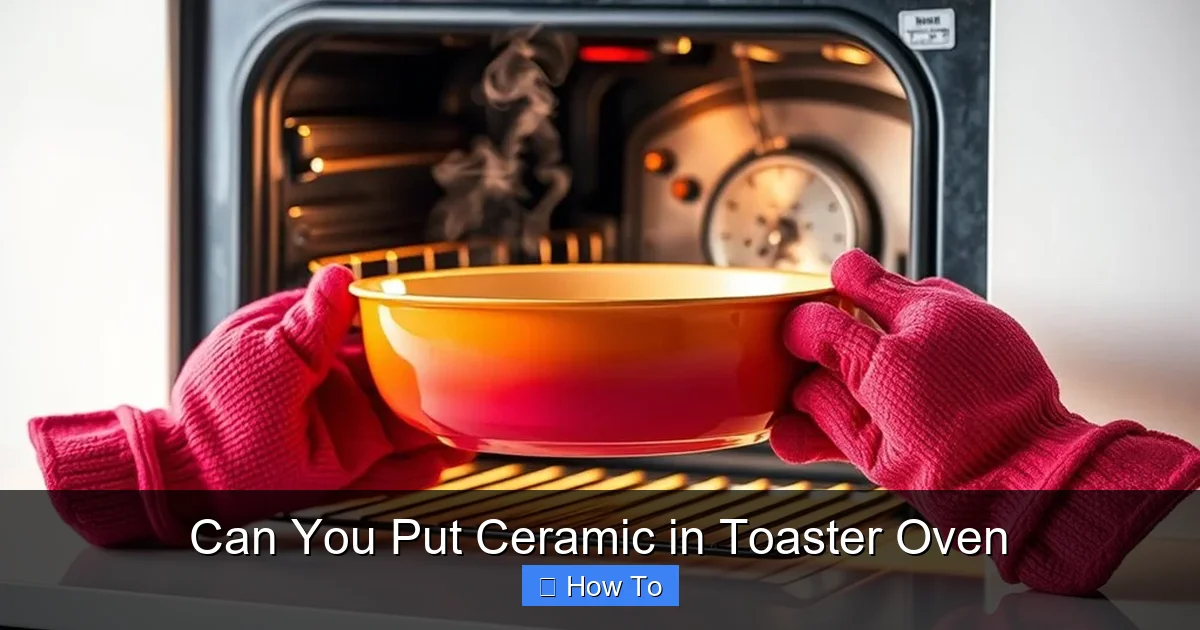
Visual guide about Can You Put Ceramic in Toaster Oven
Image source: saltandumber.com
Thermal shock remains the most common culprit behind ceramic failure in toaster ovens. This occurs when a cold dish is placed in a hot oven, or when a hot dish is set on a cool countertop immediately after cooking. The rapid temperature shift causes the ceramic to expand or contract unevenly, creating internal stress that can lead to cracks or even shattering. To minimize this risk, always allow ceramic to come to room temperature before placing it in a preheating toaster oven, and use a trivet or heat-resistant pad when removing hot dishes.
Another consideration regarding “can you put ceramic in toaster oven” is the dish’s size and placement. Toaster ovens have limited space, and a ceramic dish that touches the heating elements or the oven walls can develop hot spots that weaken the material. Choose a piece that fits with at least an inch of clearance on all sides, and avoid positioning it directly beneath the top heating element where heat is most intense.
Factors That Determine Safety
When considering “can you put ceramic in toaster oven,” several specific factors influence whether a ceramic dish will survive the toaster oven experience. The type of glaze plays a huge role; some glazes are formulated to withstand high heat, while others may craze (develop fine cracks) when exposed to rapid temperature changes. The thickness of the ceramic also matters—thicker pieces retain heat longer and can buffer gradual temperature shifts, but they may also store more thermal energy, making sudden changes more shocking. Additionally, any metallic accents, paint, or decorative trim can cause problems. Metals can spark or overheat when they contact the toaster oven’s heating elements, potentially damaging the appliance or causing uneven cooking.
The toaster oven’s own design is a factor worth noting. Because toaster ovens are smaller, the heating elements are closer to the food and cookware. This proximity means the ceramic receives more concentrated heat on the top side, which can create temperature gradients across the dish. If the ceramic is not evenly heated, stress builds up, increasing the chance of cracking. For this reason, placing the ceramic on the middle rack, rather than the bottom or top, helps promote more uniform heat distribution.
Another point regarding “can you put ceramic in toaster oven” is the duration of heat exposure. Short reheating or baking cycles are generally safer than prolonged cooking at high temperatures. If you’re using a ceramic dish for a recipe that requires 45 minutes or more at high heat, ensure the piece is explicitly marked as suitable for those conditions. When in doubt, opt for a shorter cooking time or use the toaster oven’s lower temperature settings to reduce risk.
Types of Ceramic and Their Toaster Oven Compatibility
Not all ceramic dishes are created equal, and understanding the specific type in your cabinet can make or break your toaster oven experience. Different ceramic materials respond to heat in unique ways, and knowing whether you have stoneware, earthenware, porcelain, or a ceramic-coated pan helps you decide if it’s safe to use. Below, we’ll explore the most common ceramic types and how they typically behave when exposed to toaster oven heat.
Stoneware
Stoneware is often the go-to choice for toaster oven cooking because it’s specifically designed to handle high temperatures. Most stoneware pieces are oven-safe up to 450°F or even higher, making them suitable for baking small casseroles, roasting vegetables, or even making personal-sized pizzas. The dense, non-porous structure of stoneware distributes heat evenly, which helps prevent hot spots that could stress the material. However, always check the bottom of the stoneware for an oven-safe symbol or manufacturer markings, as some decorative stoneware may have glazes that aren’t fully heat-resistant. When using stoneware in a toaster oven, preheat the oven gradually with the dish inside, and avoid placing cold stoneware directly into a fully heated cavity.
When asking “can you put ceramic in toaster oven,” stoneware is often the most reliable option, but always verify the manufacturer’s temperature rating.
Earthenware
Earthenware is more porous and typically fired at lower temperatures than stoneware, which means it’s generally less heat-resistant. While earthenware is beautiful and excellent for slow cooking or serving, it may not be the best choice for toaster oven use, especially at high temperatures. Earthenware can absorb moisture and expand when heated, and if the glaze isn’t perfectly sealed, water vapor can cause the piece to crack. If you must use earthenware in a toaster oven, stick to low-temperature settings like warming or gentle reheating, and never place it under the direct heat of the top element. Always inspect the piece for hairline cracks before each use, as porous ceramic is more prone to sudden failure.
If you’re exploring “can you put ceramic in toaster oven” with earthenware, remember that low and slow is the only safe approach.
Porcelain
Porcelain is known for its elegance and excellent heat resistance when properly glazed. Many porcelain dishes are safe for toaster oven use, particularly those labeled as oven-safe. The smooth, glass-like surface of porcelain makes it easy to clean and less likely to absorb flavors or odors from previous meals. However, porcelain can be more delicate than stoneware, and thin-rimmed or finely crafted pieces may chip or crack if bumped against toaster oven racks. Handle porcelain with care, and avoid using pieces with metallic paint or gold trim, as these can spark or melt under direct heat.
When considering “can you put ceramic in toaster oven,” porcelain performs well as long as it’s free of metallic accents and used at moderate temperatures.
Ceramic-Coated Non-Stick Pans
Ceramic-coated pans combine a metal base—usually aluminum or stainless steel—with a thin layer of ceramic-based non-stick coating. These pans are prized for their easy food release and quick cleanup, but the coating’s durability depends on heat management. In a toaster oven, the direct, intense heat from the upper elements can cause the ceramic coating to break down faster than it would in a conventional oven. To extend the life of ceramic-coated cookware, use low to medium heat settings, and never use metal utensils that can scratch the surface. If the coating begins to peel or flake, it’s time to retire the pan, as ingesting coating particles is not recommended.
For those curious about the limits of “can you put ceramic in toaster oven,” ceramic-coated pans require extra caution due to the underlying metal base and the thinner heat barrier.
Signs Your Ceramic Is Safe (or Not)
Knowing how to evaluate your ceramic cookware before placing it in a toaster oven can save you from a messy, potentially dangerous situation. There are several visual and physical cues that indicate whether a piece is likely safe or should be avoided entirely.
Labels and Markings
The most reliable indicator of oven safety is a label or stamp on the bottom of the ceramic piece. Look for phrases like “oven-safe,” “toaster oven safe,” or a temperature range such as “safe up to 500°F.” Some manufacturers use specific symbols, such as a square with a circle inside, which universally indicates oven compatibility. If the piece is unmarked, don’t assume it’s safe; instead, treat it as unknown and test it on a low setting before full use. Keep in mind that even some pieces marked as oven-safe may have limitations based on the toaster oven’s specific heat output.
If you’re still wondering “can you put ceramic in toaster oven” safely, start by checking the labels for official markings.
Visual Inspection Tips
Before each use, take a few seconds to thoroughly inspect your ceramic dish. Look for any hairline cracks, chips, or uneven glazing. Even tiny fractures can expand under heat, leading to breakage during cooking. Avoid using ceramic with metallic paint, glitter, or decorative elements that aren’t explicitly marked as oven-safe, as these can melt, flake, or cause electrical issues if they contact heating elements. If the dish has ever been dropped or subjected to impact, examine it carefully under good lighting, as internal micro-cracks may not be visible but can still cause failure under heat stress.
Simple Home Tests
If you’re still uncertain about a piece’s compatibility, you can perform a cautious test to gauge its heat tolerance. Place the ceramic dish in a cold toaster oven, set the temperature to the lowest setting (usually around 150°F), and heat for 15 minutes. After the cycle, open the oven and check the dish for any unusual smells, discoloration, or sounds of stress. If the dish appears intact and shows no adverse reactions, you can gradually increase the temperature for your intended recipe. This method minimizes risk while helping you understand how your specific ceramic piece handles toaster oven conditions.
Best Practices for Using Ceramic in Toaster Ovens
Following a few simple guidelines can make your ceramic cookware experience both safe and enjoyable. These best practices are designed to protect your ceramic dishes, your toaster oven, and your food from damage or uneven cooking.
Preheating Guidelines
One of the most important rules for using ceramic in a toaster oven is to avoid thermal shock by heating the dish gradually. The safest approach is to place the ceramic in a cold toaster oven, then turn on the heat and allow both the oven and the dish to warm up together. This gives the ceramic time to adjust to rising temperatures without experiencing sudden stress. If your toaster oven has a preheat function, use it, but never place cold ceramic into a fully preheated oven. Set the desired temperature and wait until the oven signals it’s fully preheated before adding food, but always ensure the dish has been warming alongside the oven throughout the process.
Following these preheating steps directly helps answer “can you put ceramic in toaster oven” with confidence and safety.
Avoiding Thermal Shock
Thermal shock is the primary enemy of ceramic safety in toaster ovens, and preventing it is straightforward with a few mindful habits. Never transfer a ceramic dish directly from the refrigerator or freezer into a preheating toaster oven; instead, let it sit on the countertop for at least 20–30 minutes to reach room temperature. Similarly, when removing a hot ceramic dish, place it on a trivet, wooden board, or heat-resistant mat rather than on a cold marble or metal surface. These small steps significantly reduce the risk of cracks and extend the life of your cookware.
Proper Rack Placement
Where you position your ceramic dish inside the toaster oven can make a big difference in how evenly it heats and how safely it performs. The middle rack is generally the best choice, as it allows heat to circulate both above and below the dish, reducing the chance of hot spots that could stress the ceramic. Avoid placing ceramic directly on the oven floor, where heat is most intense, or too close to the top heating element, which can cause the top of the dish to expand faster than the bottom. Leave at least an inch of space between the dish and the oven walls or elements for optimal heat distribution and safety.
Use Low to Medium Heat
Most ceramic pieces perform best at temperatures below 400°F, and using low to medium heat settings in a toaster oven helps preserve the integrity of the material. While some stoneware can technically handle higher temperatures, the concentrated heat of a toaster oven makes lower settings a wiser choice for everyday cooking. If your recipe calls for high heat, consider finishing the dish under a broiler or transferring it to a conventional oven after initial cooking in the toaster oven. This approach gives you the convenience of the toaster oven without compromising your cookware’s longevity.
Sticking to low and medium heat settings is key when asking “can you put ceramic in toaster oven” for everyday meals.
What to Do If Your Ceramic Cracks or Breaks
Accidents can happen even when you follow all the safety guidelines, and knowing how to respond if a ceramic dish cracks in your toaster oven is essential for safety and cleanup. If you notice cracking or hear popping sounds during a cooking cycle, act quickly but carefully.
First, turn off the toaster oven immediately and unplug it from the power source if it’s safe to do so. Allow the oven to cool completely before attempting to remove any broken pieces. This prevents risk of electric shock and makes it safer to handle hot shards. Once cooled, carefully extract the ceramic fragments using gloves and a damp paper towel to catch small pieces. Avoid using bare hands, as broken ceramic can have extremely sharp, hidden edges that cause injury.
Understanding “can you put ceramic in toaster oven” safely can prevent these accidents, but if a crack does occur, here’s how to handle it.
Dispose of the damaged ceramic according to your local waste disposal guidelines. Many ceramic pieces are not recyclable due to their glazes or coatings, so check whether your municipal recycling program accepts them. If the crack is minor and the dish still feels structurally sound, it’s best to retire it from high-heat use and reserve it for cold storage or decorative purposes only. Moving forward, make a habit of inspecting all ceramic before each use, and always follow the thermal shock prevention tips we discussed.
Alternatives and Recommendations
If you discover that your ceramic dishes aren’t compatible with your toaster oven, or if you simply want more peace of mind when cooking, several alternative materials work exceptionally well in compact ovens. These alternatives can help you achieve similar cooking results without the risk of cracking or shattering.
Glass Bakeware
Glass dishes, particularly those labeled as tempered or oven-safe, are a popular toaster oven alternative. Glass provides the added benefit of visibility, allowing you to monitor browning and cooking progress without opening the oven door. This can be especially helpful for recipes where visual cues are important, like cookies or small casseroles. However, just like ceramic, glass can succumb to thermal shock, so follow the same gradual heating and cooling practices. Place glass dishes in a cold oven and avoid sudden temperature changes to keep them intact.
While this addresses “can you put ceramic in toaster oven,” here are some reliable alternatives.
Metal Pans
Stainless steel or aluminum metal pans are often the most toaster oven-friendly option available. They heat up quickly and resist thermal shock beautifully, making them ideal for busy cooks who need reliability. Look for lightweight metal pans with low sides to ensure proper heat circulation inside the toaster oven. Just be mindful that metal conducts heat efficiently, so always use oven mitts when handling hot pans, and avoid touching them immediately after cooking. Metal pans are also generally more durable and can withstand years of toaster oven use without degrading.
Silicone Bakeware
Silicone is another excellent toaster oven option, especially for muffins, bread, or small cakes. It’s flexible, non-stick, and highly resistant to thermal shock, meaning it can handle temperature changes much better than ceramic or glass. Silicone can typically withstand temperatures up to 450°F or higher, making it versatile for a wide range of recipes. Its non-stick surface also means easier cleanup, which is a significant bonus for anyone who dreads scrubbing baked-on residue from toaster oven dishes.
Choosing the right material ultimately depends on your cooking style and the types of meals you frequently prepare. While ceramic offers beauty and heat retention, glass, metal, and silicone provide reliable alternatives that minimize risk and maximize convenience in a toaster oven setting. Experimenting with different materials can help you discover what works best for your kitchen routine.
Final Thoughts
So, can you put ceramic in toaster oven safely? The answer is a resounding yes, provided you choose the right type of ceramic, check for oven-safe markings, and follow basic heat management practices. Ceramic can be a wonderful addition to your toaster oven repertoire, offering even cooking, beautiful presentation, and the satisfaction of using cookware you already love. By understanding the factors that influence ceramic safety—such as material type, glazing, and thermal shock risks—you can confidently use your favorite dishes without constant worry.
Remember to always preheat gradually, inspect your ceramic for damage before each use, and never subject it to sudden temperature changes. When in doubt, test on a low setting or opt for alternative cookware like metal or silicone. With these tips in mind, you’ll be able to enjoy the benefits of ceramic cooking while keeping your toaster oven and kitchen safe. Happy cooking!
By following these guidelines, you can confidently answer “can you put ceramic in toaster oven” for years to come.
Frequently Asked Questions
Can you put any ceramic in a toaster oven?
Not all ceramic is created equal. While many oven-safe ceramic dishes can handle toaster oven heat, others may crack or shatter due to thermal shock or unsuitable glazes. Always check for manufacturer labels and inspect your ceramic for cracks before use.
What happens if ceramic cracks in a toaster oven?
If ceramic cracks during use, it can release small shards that may contaminate food or damage the toaster oven’s heating elements. Turn off the appliance immediately, unplug it, and carefully remove the pieces once cooled. Dispose of the damaged ceramic safely.
How can I tell if my ceramic is oven-safe?
Look for an “oven-safe” stamp, temperature range, or specific symbols on the bottom of the ceramic piece. If no markings exist, treat the item as non-oven-safe and test it on a low heat setting before full use.
Can ceramic-coated pans go in a toaster oven?
Yes, but with caution. Ceramic-coated pans offer non-stick convenience, but the coating can wear faster under the intense, direct heat of toaster oven elements. Use low to medium heat and avoid metal utensils to extend the coating’s lifespan.
Is thermal shock really that dangerous for ceramic?
Thermal shock is one of the most common causes of ceramic breakage. Sudden temperature changes cause the material to expand or contract rapidly, creating stress that leads to cracks or shattering. Always allow ceramic to reach room temperature before placing it in a preheating toaster oven.
What’s the best way to clean ceramic after toaster oven use?
Let the ceramic cool completely before washing. Most oven-safe ceramic is dishwasher-safe, but hand-washing with mild soap and a soft sponge helps preserve the glaze and any decorative elements. Avoid abrasive scrubbers that can scratch the surface.