Is Our Table Cookware Oven Safe
Is Our Table Cookware Oven Safe? Many pieces are oven-safe, but temperature limits vary by material and handle type. Always check the manufacturer’s guidelines before using any pot or pan in the oven to prevent damage or safety risks.
Have you ever pulled a delicious roast out of the oven only to wonder if your favorite pot could handle the heat? Many home cooks face this exact moment. Is Our Table Cookware Oven Safe is a question that pops up more often than you might think. The answer isn’t always a simple yes or no, because oven safety depends on several factors, from the material of the cookware to the type of handle it features. In this article, we’ll break down everything you need to know to cook with confidence and keep your kitchen tools in top shape.
Understanding whether a piece of cookware can go from stovetop to oven opens up a world of one-pot meals, braises, and baking opportunities. But using the wrong piece can lead to warped pans, damaged finishes, or even safety hazards. That’s why it’s so important to know the limits of your cookware before you slide it into the hot oven. We’ll cover material basics, temperature thresholds, and practical tips that make oven use simple and stress-free.
By the time you finish reading, you’ll have a clear roadmap for deciding which Our Table pieces are safe for oven use and how to use them correctly. Let’s dive in and get your cooking questions answered.
Key Takeaways
- Point 1: Oven safety depends on cookware material, with stainless steel and cast iron handling higher heat than non-stick or enameled options.
- Point 2: Always look for manufacturer markings or temperature stamps on the bottom or handle before placing any piece in the oven.
- Point 3: Non-stick coatings typically have a maximum limit of 350°F to 400°F; exceeding this can degrade the surface and release fumes.
- Point 4: Sudden temperature changes, like placing a cold pan in a hot oven, can cause warping, cracking, or enamel damage.
- Point 5: Handle materials such as plastic, wood, or rubber have lower temperature limits and may melt if exposed to high heat.
- Point 6: When in doubt, consult the product manual or the brand’s website for the specific oven-safe temperature rating of your cookware.
- Point 7: Using oven mitts and trivets protects both your hands and the cookware from heat-related damage.
📑 Table of Contents
Understanding Oven-Safe Labels and Markings
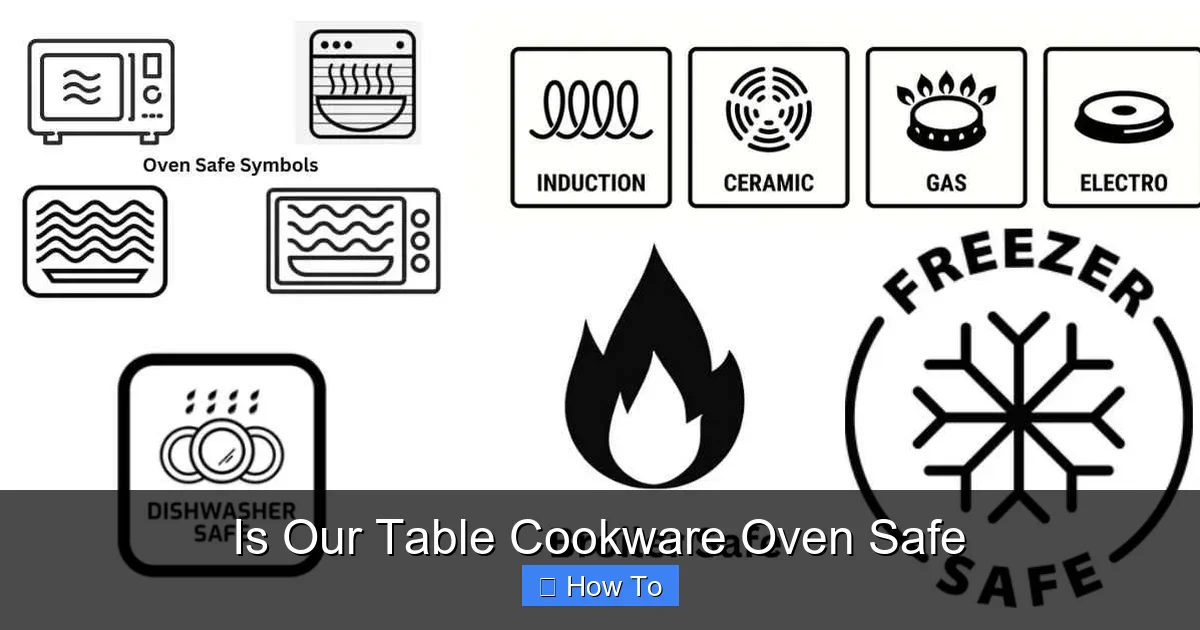
Every reputable cookware brand includes some form of oven-safe indication, but reading those symbols can feel like deciphering a secret code. Is Our Table Cookware Oven Safe markings usually appear on the bottom of the piece, on the handle, or in the product manual. Look for engraved numbers, icons, or printed text that specify the maximum temperature threshold.
Common symbols include a small oven icon with a temperature value, or the words “oven safe” followed by a number like “400°F” or “500°F”. If you see no marking at all, that’s a signal to proceed with caution. In the absence of clear guidance, assume the safe limit is lower, typically around 350°F for non-stick and enameled pieces.
Why Manufacturers Include Temperature Limits
Manufacturers set temperature limits to protect the integrity of the cookware and ensure user safety. Exceeding the recommended heat can cause non-stick coatings to break down, handles made of plastic or rubber to melt, and metal joints to weaken over time. These limits aren’t arbitrary; they’re based on extensive testing of materials and construction methods.
How to Locate the Information on Your Piece
Flip your cookware upside down and examine the base. You’ll often find a small stamp or sticker. If the marking is faded or missing, check the original packaging or the brand’s website. Many companies also provide digital PDFs of product manuals that you can download by entering the model number. Taking a few minutes to locate this info can save you from a kitchen mishap.
Material Matters: Which Cookware Handles the Heat
Not all cookware materials are created equal when it comes to oven heat. The material composition dictates how much thermal stress a piece can withstand without degrading. Is Our Table Cookware Oven Safe performance varies significantly between stainless steel, cast iron, non-stick, and enameled options. Knowing your material helps you match the cookware to the cooking method.
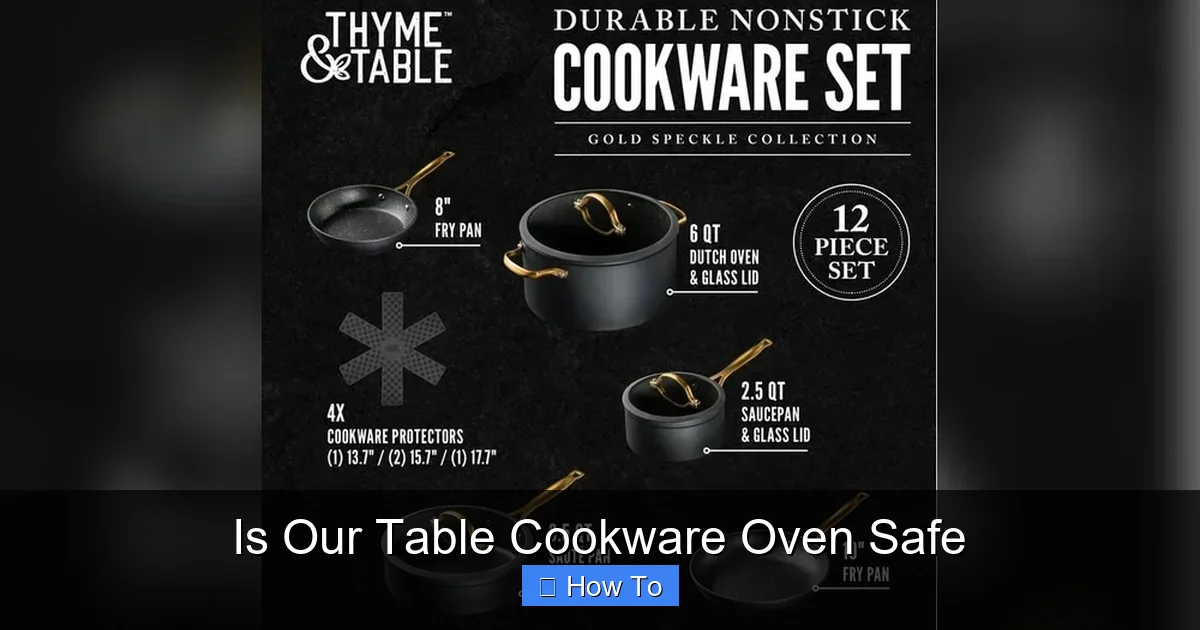
Visual guide about Is Our Table Cookware Oven Safe
Image source: cookwareguider.com
Stainless Steel and Its Oven Capabilities
Stainless steel is a superstar for oven use because it conducts heat evenly and can typically handle high temperatures. Many stainless steel Our Table pieces are safe up to 500°F or even higher, especially if they have no plastic or rubber components. However, the base layer or cladding might have different limits, so always check the specific product details.
Cast Iron’s Heat Retention
Cast iron is legendary for its ability to go from stovetop searing to oven braising without a second thought. Enamel-coated cast iron, like many Our Table options, usually has a lower top limit, often around 400°F, because the enamel can chip or crack under extreme temperature swings. But bare cast iron can handle 600°F or more, making it ideal for recipes that require sustained high heat.
Non-Stick Coatings and Temperature Sensitivity
Non-stick cookware requires the most caution. The convenient release surface is typically PTFE-based, and most manufacturers recommend keeping oven temperatures at or below 350°F to 400°F. Going above that range can cause the coating to degrade, release fumes, and lose its non-stick properties permanently. If you love crispy baked foods, consider transferring your dish to a stainless steel or glass baking dish for higher-temperature cooking.
Enameled and Ceramic Options
Enameled cookware offers a beautiful, colorful surface that’s great for slow cooking and moderate oven use. Most enameled Our Table pieces are safe up to 400°F, but sudden temperature changes—like placing a hot pan under cold water—can cause the enamel to crack. Always let the cookware cool gradually and avoid extreme heat shocks to preserve both the finish and the function.
Temperature Guidelines: Knowing Your Limits
Setting the right oven temperature is the next piece of the puzzle after identifying your cookware material. Is Our Table Cookware Oven Safe use often depends on staying within the recommended heat range, which we’ll outline clearly here. As a general rule, stainless steel and cast iron can tolerate higher heat, while non-stick and enameled pieces require a lighter touch.
Common Oven Temperature Ranges by Material
For stainless steel Our Table cookware, temperatures up to 500°F are usually safe for short-term roasting or baking. Cast iron can often handle 600°F or more, making it perfect for searing then finishing in the oven. Non-stick should stay at or below 350°F for most applications, and enameled pieces typically cap at 400°F. These are broad guidelines, so always defer to the specific product’s printed limit.
Signs Your Cookware Has Exceeded Safe Limits
How do you know if you’ve pushed the heat too far? Look for warping, discoloration, or a loose handle that wasn’t loose before. Non-stick coatings may start to peel or bubble. Enameled surfaces can develop tiny cracks or chips. If you notice any of these signs, it’s time to retire the piece or contact the manufacturer for a replacement. Safety always comes first in the kitchen.
Preheating: To Do or Not to Do
One common question is whether to preheat the oven with the cookware already inside or add the pan after the oven reaches the set temperature. For most Our Table cookware, it’s safer to preheat the oven first, then carefully place the room-temperature pan inside. Adding a cold pan to a hot oven can cause thermal shock, especially in enameled or glass-lined pieces, leading to cracks or warping. Give your cookware time to adjust gradually.
Practical Tips for Using Cookware in the Oven
Now that you know the basics, let’s talk about hands-on strategies that make oven cooking with Our Table cookware a breeze. These tips come from real home cooks and professional kitchens alike, and they’ll help you get the most out of your pieces while keeping them in great condition for years to come.
Always Use Oven Mitts and Handles
Handles can get incredibly hot in the oven, especially metal ones without insulated grips. Always use thick oven mitts or pot holders when removing any piece from the oven, and never grab a handle with bare hands, even if it feels cool to the touch at first. Some handles are designed to stay cooler, but they can still retain heat long enough to cause burns.
Avoid Sudden Temperature Shifts
Putting a hot pan on a cold surface, or filling a hot pan with cold liquid, can cause warping or cracking. Let the cookware cool on a trivet or heat-resistant mat before setting it down. If you need to deglaze a hot pan, add liquids slowly and stir gently to distribute the temperature change across the surface.
Match Your Recipe to the Right Cookware
Not every recipe requires the same heat level. A slow-braised short rib might be perfect in a enameled Dutch oven at 325°F, while a quick-roasted vegetable medley might shine in a stainless steel pan at 425°F. Match the cookware to the recipe’s temperature requirements, and you’ll enjoy better results and longer-lasting pots and pans.
Keep Lids On When Possible
If your Our Table cookware comes with a lid, using it during oven cooking helps retain moisture and heat, which often means more tender food and less splatter in your oven. Just ensure the lid is also oven-safe, as some glass or plastic knobbed lids have lower temperature limits than the pan itself.
Common Mistakes That Can Damage Your Cookware
Even with the best intentions, it’s easy to make errors that shorten the life of your cookware. Is Our Table Cookware Oven Safe misuse often stems from a few common habits that seem harmless but can add up over time. Let’s highlight the most frequent missteps so you can steer clear of them.
Using Non-Stick at High Heat for Too Long
Many home cooks instinctively turn the dial up when searing or browning, but non-stick surfaces aren’t built for sustained high heat. Keeping a non-stick pan in the oven above 400°F, even for a short period, can break down the coating and create unpleasant odors or smoke. If a recipe calls for high-heat finishing, transfer the food to a stainless steel or oven-safe glass dish instead.
Ignoring Handle Material Limits
Handles made of plastic, wood, or rubber will melt or burn if exposed to temperatures beyond their rating. Always check whether the handle is riveted, welded, or detachable, and what material it’s made from. A beautiful enameled pot with a plastic handle is not an all-temperature free pass, no matter how tempting it is to slide it directly under the broiler.
Stacking Cookware Without Protection
Stacking oven-safe pots and pans can seem like a great space-saver, but the weight and heat transfer can cause scratches, dents, or even trapped steam that damages finishes. If you must stack, place a soft cloth or paper towel between each piece, and avoid stacking enameled items where the rims can chip against each other.
Assuming All “Oven-Safe” Means Broiler-Safe
There’s a big difference between being oven-safe and broiler-safe. Oven-safe means the piece can handle the surrounding heat of the baking environment, but the broiler directs intense, direct heat from above that can exceed standard oven limits by hundreds of degrees. Unless explicitly stated, keep your Our Table cookware away from the broiler setting to protect the surface and structure.
Conclusion: Cook with Confidence
Asking Is Our Table Cookware Oven Safe is the first step toward smarter, more versatile cooking. By understanding material limits, reading temperature labels, and following practical oven-use tips, you can confidently decide which pieces earn a spot in your oven and which should stay on the stovetop. Remember that every cookware item is a little different, so always take a moment to check the manufacturer’s guidelines before trying something new. With the knowledge from this article, you’ll be well-equipped to tackle one-pot meals, roasted vegetables, and baked desserts without second-guessing your tools. Happy cooking, and may your kitchen adventures be both delicious and safe!
Frequently Asked Questions
Can I put any Our Table cookware in the oven?
Not all Our Table pieces are created equal; some are fully oven-safe while others have temperature limits based on their material and handle construction. Always check the bottom or handle for manufacturer markings before use.
What is the maximum oven temperature for Our Table non-stick cookware?
Most Our Table non-stick pieces are safe up to 350°F to 400°F; exceeding this range can damage the coating and shorten the lifespan of the cookware significantly.
How can I tell if my Our Table pot is oven safe without a manual?
Flip the pot upside down and look for engraved numbers, oven icons, or temperature stamps on the base; if none are present, visit the brand’s website with the model number for digital specifications.
Are Our Table cast iron handles oven safe?
Bare cast iron handles can withstand very high heat, but enameled or coated handles may have lower limits; always verify the specific handle material and construction before oven use.
Can I use Our Table enameled cookware under the broiler?
No, enameled Our Table cookware is not designed for broiler use; the direct, intense heat can cause the enamel to crack or chip, compromising both safety and appearance.
What should I do if my Our Table cookware discolors in the oven?
Mild discoloration is often normal for stainless steel, but significant darkening or warping suggests the temperature was exceeded; discontinue oven use for that piece and contact the manufacturer for guidance.