Can You Make Burgers in a Toaster Oven
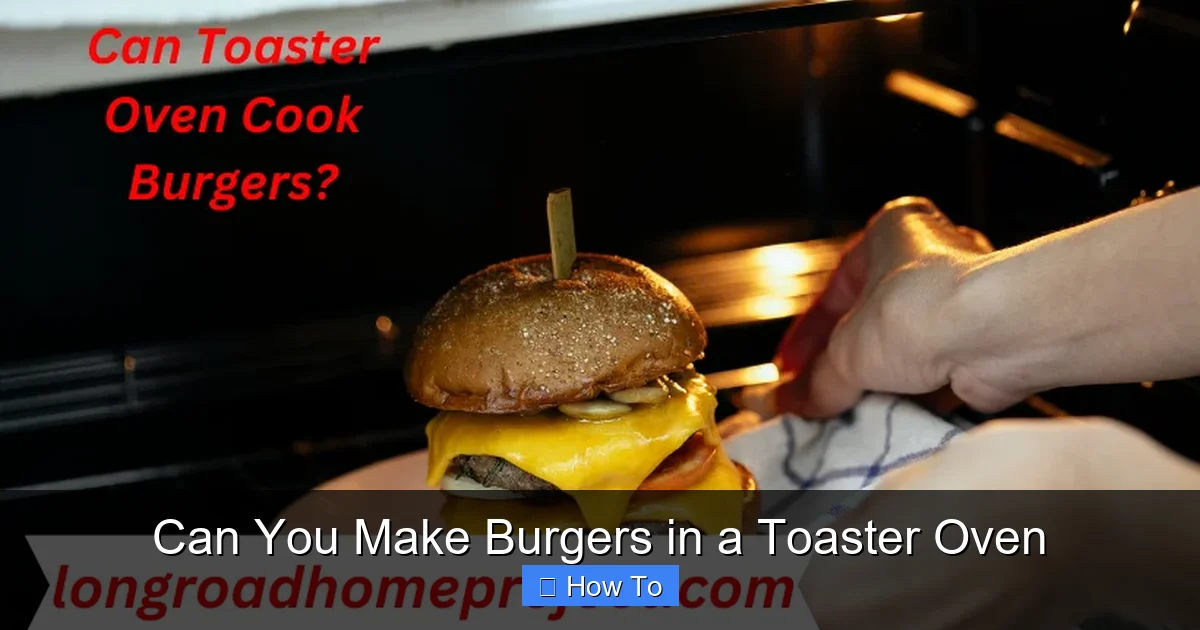
Making burgers in a toaster oven is not only possible but surprisingly easy and delicious. With the right temperature settings and cooking techniques, you can achieve juicy, perfectly cooked patties with a nice crust — all without firing up an outdoor grill or splattering grease on your stovetop.
Picture this: it’s a Tuesday evening, rain is hammering against the windows, and you’re craving a juicy burger. The grill is covered in snow, your stovetop creates a grease explosion every time, and you’re not in the mood for takeout. Then you glance at your toaster oven sitting on the counter — that trusty little appliance you usually reserve for reheating pizza or toasting bagels. Can it handle a burger? The short answer is yes, and the results might just surprise you.
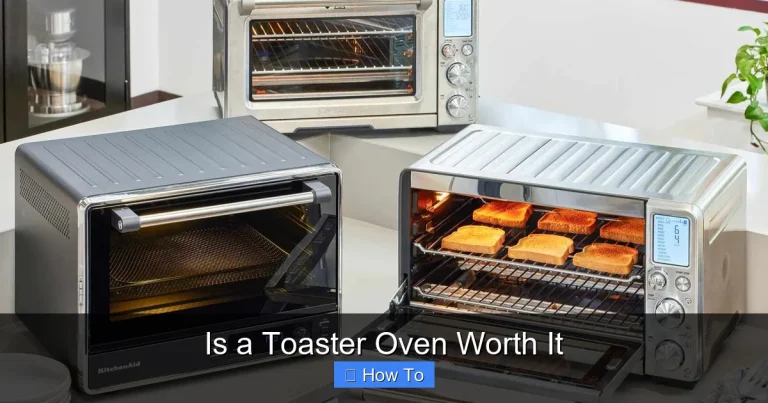
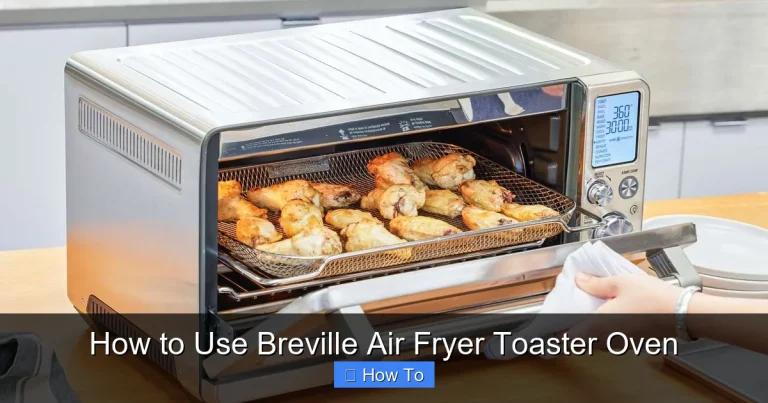
Toaster ovens have come a long way from the basic single-rack models of decades past. Modern versions pack serious heating power, convection fans, and precise temperature controls that rival full-size ovens in many ways. Their compact size actually works in your favor when cooking burgers — the heating elements sit closer to the food, creating intense, direct heat that mimics the sear of a grill. Plus, cleanup is a breeze compared to scrubbing a grill grate or wiping down a splattered stovetop.
In this guide, we’ll walk through everything you need to know about making restaurant-quality burgers in your toaster oven. From choosing the right meat and forming perfect patties to mastering temperature settings, timing, and pro tips for that coveted crust, you’ll learn how to turn this countertop appliance into your new favorite burger machine. Whether you’re cooking for one or feeding a small crowd, your toaster oven is about to earn a permanent spot in your burger-making rotation.
Key Takeaways
- Toaster ovens cook burgers evenly: The compact heating elements provide consistent heat from top and bottom, creating a nice sear while cooking through.
- Use the broil setting for best results: Broiling mimics grilling by applying intense direct heat, giving you that desirable crust on the outside.
- Cook at 400-450°F for 8-12 minutes: Depending on thickness and desired doneness, this temperature range ensures food safety without drying out the meat.
- Flip halfway through cooking: Turning the patties once ensures even browning and prevents one side from overcooking.
- Use a wire rack on a baking pan: This setup allows fat to drip away while air circulates, preventing soggy bottoms and reducing smoke.
- Check internal temperature with a meat thermometer: 160°F for ground beef ensures safety; 165°F for turkey or chicken burgers.
- Let burgers rest 3-5 minutes before serving: Resting allows juices to redistribute, keeping every bite moist and flavorful.
📑 Table of Contents
- Why Your Toaster Oven Is a Secret Burger Weapon
- Choosing and Prepping Your Meat
- Setting Up Your Toaster Oven for Burger Success
- Step-by-Step: Cooking Burgers in Your Toaster Oven
- Pro Tips for Next-Level Toaster Oven Burgers
- Troubleshooting Common Issues
- Creative Variations and Flavor Boosters
- Cleanup and Maintenance
- Conclusion
Why Your Toaster Oven Is a Secret Burger Weapon
The Science Behind the Sear
Most people underestimate their toaster oven because of its size, but that compact chamber is exactly what makes it great for burgers. In a full-size oven, heating elements are far from the food, relying on ambient hot air to cook. In a toaster oven, the top and bottom elements sit just inches from your patties. This proximity creates intense radiant heat — the same principle that gives grilled food its signature char and flavor through the Maillard reaction.
The Maillard reaction, that magical chemical process between amino acids and reducing sugars, happens rapidly at temperatures above 300°F. Your toaster oven’s broil setting can hit 450-500°F at the element level, delivering the high heat needed for deep browning in minutes. Meanwhile, the smaller air volume heats up faster and recovers temperature quicker when you open the door, meaning more consistent cooking.
Convection Changes Everything
If your toaster oven has a convection fan, you have an even bigger advantage. Convection circulates hot air around the food, eliminating cold spots and cooking more evenly. For burgers, this means the top and bottom brown at similar rates, and the interior cooks through without the exterior burning. Convection also helps render fat more efficiently, giving you a better texture. Just reduce the temperature by 25°F from conventional settings and check a minute or two earlier.
Less Mess, Less Stress
Let’s be honest — stovetop burgers create a grease radius of about three feet. Your backsplash, cabinets, and even the floor get splattered. Grilling requires setup, preheating, and dealing with charcoal or propane. A toaster oven contains the splatter within its walls. Line the drip pan with foil, use a wire rack, and nearly all the fat drips away cleanly. When you’re done, toss the foil, wash the rack, and you’re finished. For apartment dwellers, dorm rooms, or anyone without outdoor space, this is a game-changer.
Choosing and Prepping Your Meat
Fat Content Matters More Than You Think
Ground beef labeled 80/20 (80% lean, 20% fat) is the gold standard for burgers, and that holds true in a toaster oven. The fat renders during cooking, basting the meat from within and keeping it juicy. Leaner blends like 90/10 or 93/7 can work but tend to dry out faster in the intense, dry heat of a toaster oven. If you prefer leaner meat, mix in a tablespoon of cold water or beef broth per pound, or add a panade (bread soaked in milk) to retain moisture.
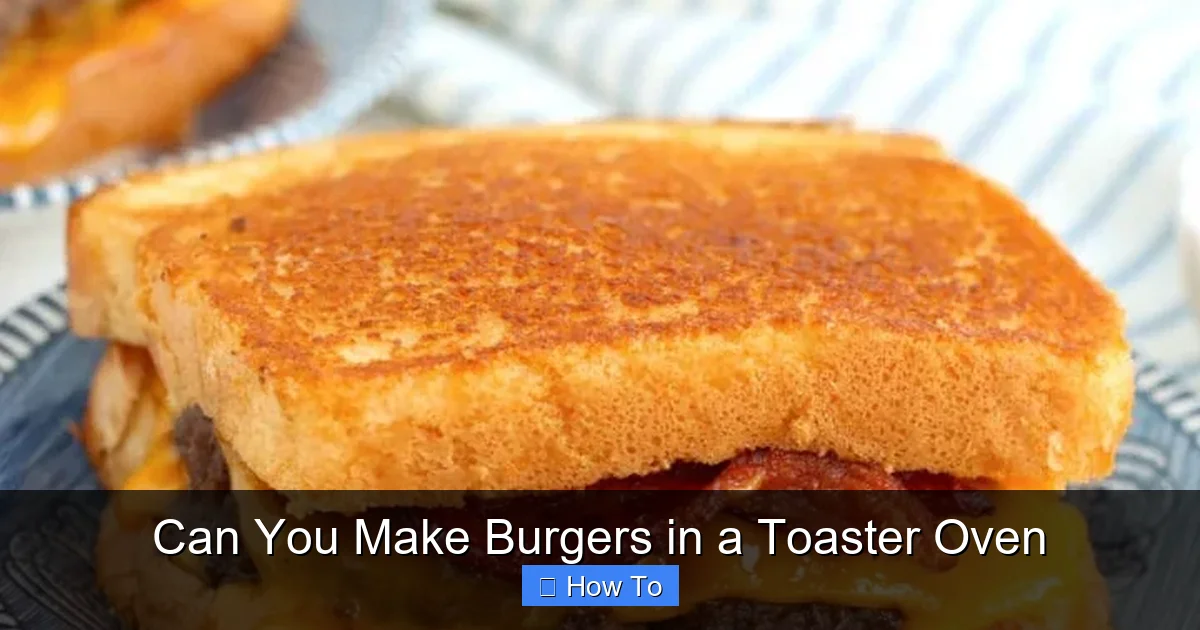
Visual guide about Can You Make Burgers in a Toaster Oven
Image source: kitchendivas.com
For turkey or chicken burgers, which are naturally lean, fat content is even more critical. Look for ground thigh meat rather than breast, or ask your butcher to grind a mix of thigh and breast with skin. Aim for at least 15% fat. Plant-based patties vary widely — some are designed for grilling and hold up beautifully, while others crumble under high heat. Check the package for oven instructions.
Forming Patties That Cook Evenly
The shape of your patty directly affects how it cooks in a toaster oven. Form patties about ¾-inch thick at the edges and slightly thinner in the center — a gentle dimple pressed with your thumb prevents the dreaded dome shape that leads to uneven cooking. Make them slightly wider than your bun, as they’ll shrink 10-15% during cooking.
Handle the meat minimally. Overworking develops protein strands that make burgers tough and springy. Gently portion, loosely shape, make the dimple, and stop. Season generously with salt and pepper right before cooking — salting too early draws out moisture and changes texture. For extra flavor, mix in minced garlic, onion powder, Worcestershire sauce, or your favorite burger seasoning, but keep it simple for your first attempt.
Temperature Matters: Cold Meat, Hot Oven
Keep patties refrigerated until the moment they go in the oven. Cold fat holds its shape better during the initial sear, creating a better crust. Meanwhile, preheat your toaster oven fully. Most models take 5-10 minutes to reach true temperature, even if the indicator light turns off sooner. An oven thermometer is a worthwhile investment — many toaster ovens run 25-50°F off from their dial settings.
Setting Up Your Toaster Oven for Burger Success
The Wire Rack Method (Best Results)
This is the pro setup. Place a wire cooling rack inside the toaster oven’s baking pan or on the included broiling pan. The rack elevates the patties, allowing hot air to circulate 360 degrees and fat to drip away into the pan below. No steaming, no soggy bottoms, maximum browning. If your toaster oven didn’t come with a rack that fits, a standard 8×8 or 9×13 cooling rack from your kitchen drawer often works perfectly.
Line the drip pan with heavy-duty foil for easy cleanup. Parchment paper works too but can scorch at broil temperatures. Position the rack in the middle or upper-middle slot — close enough to the top element for good browning, but not so close that the tops burn before the centers cook.
Direct-on-Pan Method (Good Alternative)
No wire rack? Place patties directly on the foil-lined baking pan. You’ll get less air circulation underneath, so the bottoms won’t brown as deeply. Flip once halfway through to even things out. This method works fine for thinner smash-style burgers (½-inch or less) that cook through quickly. For thicker pub-style patties, the wire rack is worth the extra dish.
Broil vs. Bake vs. Convection Settings
Broil: Best for burgers. Uses top element only (or top and bottom at max power) for intense direct heat. Creates the closest thing to grill marks and crust. Watch closely — the line between perfect and burnt is thin.
Convection Broil: If your model has this, use it. The fan distributes the broiler’s intense heat more evenly. Reduce temperature by 25°F.
Bake at 400-425°F: Gentler, more forgiving. Good for thicker patties or if you’re nervous about burning. Less crust development but very consistent results.
Convection Bake: Excellent all-around choice. Even cooking, good browning, set it and mostly forget it.
Step-by-Step: Cooking Burgers in Your Toaster Oven
Prep and Preheat (5-10 Minutes)
Remove patties from fridge. Line your drip pan with foil, place wire rack on top. Set toaster oven to broil (or convection broil at 425°F) and preheat fully. While it heats, pat patties dry with paper towels — surface moisture prevents browning. Season both sides generously with kosher salt and fresh cracked pepper.
The Initial Sear (3-4 Minutes)
Place patties on the hot rack. Close the door. Set a timer for 3 minutes. Don’t open the door yet — you need that initial blast of heat to set the crust. If your toaster oven has a window and light, peek through but keep the door shut. The top should develop deep brown grill marks.
The Flip (Critical Moment)
Open the door carefully — hot air and steam will escape. Using tongs or a thin spatula, flip each patty confidently. Don’t press down! Pressing squeezes out precious juices. If cheese is going on, this is the time to add it for the last 1-2 minutes. Close the door immediately.
Finish Cooking (3-8 Minutes Depending on Thickness and Doneness)
Rare (125°F): Not recommended for ground beef due to food safety, but 2-3 minutes more after flip for ¾-inch patties.
Medium-rare (135°F): 3-4 minutes more.
Medium (145°F): 4-5 minutes more.
Medium-well (155°F): 5-6 minutes more.
Well-done (160°F+): 6-8 minutes more.
These times assume ¾-inch patties at full broil. Thicker patties, lower settings, or convection bake will need more time. The only way to know for sure is a meat thermometer.
The Thermometer Test (Non-Negotiable)
Insert an instant-read thermometer horizontally into the center of the thickest patty. For ground beef, the USDA recommends 160°F. For ground turkey or chicken, 165°F. If you prefer medium-rare beef burgers (130-135°F), understand the slight food safety risk and source high-quality meat from a trusted butcher. Many chefs grind their own chuck for this reason.
The Rest (3-5 Minutes)
Transfer burgers to a clean plate. Tent loosely with foil. Walk away. This rest is not optional — it’s the difference between a juicy burger and a dry one. During cooking, heat drives juices toward the center. Resting lets them redistribute throughout the patty. Cut too early, and all that flavor runs onto the plate.
Pro Tips for Next-Level Toaster Oven Burgers
The Smash Burger Technique
For ultra-crispy, lacy-edged smash burgers, you can adapt the viral stovetop technique. Preheat a cast iron skillet or heavy baking steel in the toaster oven at max broil for 10 minutes. Carefully remove (oven mitts essential), place portioned loose meat balls on the screaming-hot surface, smash flat with a sturdy spatula or burger press, season, and return to oven. Cook 2-3 minutes per side. The preheated metal gives an instant, incredible sear that’s hard to achieve otherwise.
Adding Smoke Flavor Indoors
Miss that grilled smoke? A few drops of liquid smoke mixed into the meat works, but use a light hand — it’s potent. Smoked paprika adds depth without artificial notes. For the real deal, some adventurous cooks use a handheld smoking gun to infuse the patties before cooking, or place a tiny foil packet of wood chips on the toaster oven floor during preheat (ensure your model can handle this safely). A sprinkle of smoked salt on the finished burger is the easiest win.
Toasting Buns in the Same Oven
While burgers rest, split buns and place cut-side up on the rack (remove patties first). 60-90 seconds under the broil gives golden, crisp edges. Butter the cut sides for extra richness. Watch like a hawk — buns go from perfect to burnt in seconds. If your toaster oven has a toast setting, use that instead for more control.
Cooking Frozen Patties
Yes, you can cook frozen burgers straight from the freezer. Add 50% more cooking time. Start at 375°F bake for 10 minutes to thaw gently, then switch to broil for the final sear. Or broil the whole time at a lower rack position, flipping more frequently. Frozen patties release more liquid, so the wire rack is especially important. Season after the first flip when the surface has thawed enough to hold salt.
Batch Cooking for Meal Prep
Most toaster ovens fit 2-4 patties at once. Cook a full batch, cool completely, and refrigerate for up to 4 days or freeze for 3 months. Reheat at 350°F for 5-8 minutes. They won’t be quite as juicy as fresh, but they beat any fast-food reheated burger. For meal prep, slightly undercook (pull at 150°F) so reheating brings them to safe temperature without drying out.
Troubleshooting Common Issues
Burnt Outside, Raw Inside
Your rack is too high, or your patties are too thick for broil-only cooking. Lower the rack one position. Switch to bake at 400°F for the first half, then broil the last 2 minutes per side. Or pound patties thinner next time. A two-zone approach (bake then broil) solves this almost every time.
Pale, Steamed-Looking Burgers
Not enough heat, or patties are too wet. Ensure full preheat. Pat meat very dry. Don’t overcrowd the rack — air must circulate. If using bake mode, switch to broil or convection broil. The Maillard reaction needs surface temperatures above 300°F; if your oven isn’t hitting it, the meat steams in its own juices.
Excessive Smoke
Fat dripping on the heating elements causes smoke. Ensure your drip pan catches everything. Clean the oven floor and elements before cooking — old crumbs burn fast. Trim excess fat from patties if they’re very fatty. Open a window, run your hood vent. Some smoke is normal with broiling; excessive smoke means something’s dripping where it shouldn’t.
Uneven Cooking (One Side Done, Other Raw)
Hot spots in the oven. Rotate the pan 180 degrees at the flip. If your toaster oven has known hot spots (back left corner often runs hotter), position patties accordingly. Convection helps minimize this. An oven thermometer placed in different spots during preheat can map your oven’s personality.
Burgers Sticking to the Rack
Lightly oil the rack with a paper towel dipped in neutral oil before preheating. Or brush oil on the patties themselves. Don’t use aerosol cooking spray on nonstick racks — it builds up a sticky residue over time. A well-seasoned cast iron grill pan in the toaster oven eliminates sticking entirely and adds grill marks.
Creative Variations and Flavor Boosters
Stuffed Burgers (Juicy Lucy Style)
Form two thin patties per burger. Place cheese, sautéed mushrooms, caramelized onions, or jalapeños in the center. Seal edges tightly. Cook 1-2 minutes longer per side to melt the filling. The toaster oven’s even heat actually works better for these than a grill — less risk of the filling leaking out into flames.
Global Flavor Profiles
Korean: Mix gochujang, soy sauce, sesame oil, and garlic into ground beef. Top with kimchi slaw.
Mediterranean: Lamb or beef with oregano, garlic, cumin, mint. Feta tzatziki sauce.
Mexican: Chorizo blended with beef, cumin, chili powder. Pepper jack, avocado, salsa.
Japanese: Teriyaki glaze brushed on last minute. Wasabi mayo, pickled ginger.
Vegetarian and Vegan Options
Black bean burgers, portobello caps, and commercial plant-based patties all work beautifully. Veggie patties are delicate — use the bake setting at 375°F, handle gently when flipping. Portobellos: brush with balsamic and oil, gill-side up first, 8-10 minutes total. Beyond/Impossible: treat like 80/20 beef but don’t overcook — they dry out faster past 160°F.
Cleanup and Maintenance
The Foil Liner Trick
Always line your drip pan. Heavy-duty foil withstands broil heat better than regular. Mold it to the pan edges so fat can’t seep underneath. When cool, ball it up and toss. Pan stays pristine.
Wire Rack Care
Soak immediately in hot, soapy water. A stiff brush or ball of foil scrubs off stuck bits. Dishwasher safe if stainless. Chrome-plated racks eventually rust — dry thoroughly and replace when coating fails.
Interior Cleaning
Wipe walls and door glass after each burger session while still warm (not hot). Baked-on grease becomes carbonized armor. A paste of baking soda and water left for 15 minutes dissolves stubborn spots. Avoid harsh chemicals near heating elements.
Element Maintenance
Never scrub heating elements directly. If they have baked-on residue, run the oven empty at max temperature for 15 minutes to carbonize it, then gently brush with a soft dry brush when cool. Check your manual — some elements are self-cleaning.
Conclusion
Your toaster oven isn’t just a backup plan — it’s a legitimate burger-making machine that deserves a spot in your regular cooking rotation. The intense, close-proximity heat delivers a crust that rivals any grill, the contained mess makes cleanup trivial, and the precision controls let you nail your preferred doneness every single time. Whether you’re cooking a solo lunch or feeding four on a weeknight, the technique is straightforward: wire rack, full preheat, broil setting, flip once, thermometer check, mandatory rest.
Start simple with a classic 80/20 beef patty, salt, pepper, and cheese. Master the timing for your specific oven and thickness preference. Then experiment — smash burgers on preheated cast iron, stuffed Juicy Lucys, global flavor blends, plant-based alternatives. The toaster oven handles them all with surprising grace. Next time a burger craving hits and the weather (or motivation) says no to the grill, you’ll know exactly what to do. That little countertop oven has been waiting for its moment. Give it a chance to shine.
Frequently Asked Questions
Can you cook raw hamburger meat in a toaster oven?
Yes, you can cook raw hamburger meat in a toaster oven. Use the broil setting at 400-450°F, place patties on a wire rack over a foil-lined pan, and cook 8-12 minutes total, flipping halfway. Always verify doneness with a meat thermometer — 160°F for ground beef.
How long does it take to cook burgers in a toaster oven?
For ¾-inch thick patties at full broil, expect 8-12 minutes total (4-6 minutes per side) depending on desired doneness. Thicker patties or lower temperatures need more time. Frozen patties require 50% longer. An instant-read thermometer is the only reliable way to know when they’re done.
Do you need to flip burgers in a toaster oven?
Yes, flip burgers once halfway through cooking. This ensures even browning on both sides and prevents the top from burning before the center cooks through. The only exception is very thin smash burgers (¼-inch) which may only need one side seared if using a preheated cast iron pan.
Can you put aluminum foil in a toaster oven for burgers?
Yes, line the drip pan with heavy-duty aluminum foil for easy cleanup. Do not cover the wire rack with foil — air must circulate under the patties. Never let foil touch the heating elements, and don’t cover the crumb tray or oven floor, as this blocks airflow and creates a fire hazard.
What temperature do you cook burgers in a toaster oven?
Broil setting (typically 450-500°F at the element) gives the best crust. For convection broil, reduce to 425°F. For gentler cooking, bake at 400-425°F. The internal temperature should reach 160°F for beef, 165°F for poultry, regardless of oven setting.
Can you cook frozen burgers in a toaster oven without thawing?
Yes, cook frozen patties directly from frozen. Add 50% more cooking time. Start at 375°F bake for 10 minutes to thaw gently, then finish under broil for 3-4 minutes per side for a crust. Or broil the entire time at a lower rack position, flipping every 3-4 minutes. Season after the first flip.