Can You Heat Water in a Toaster Oven
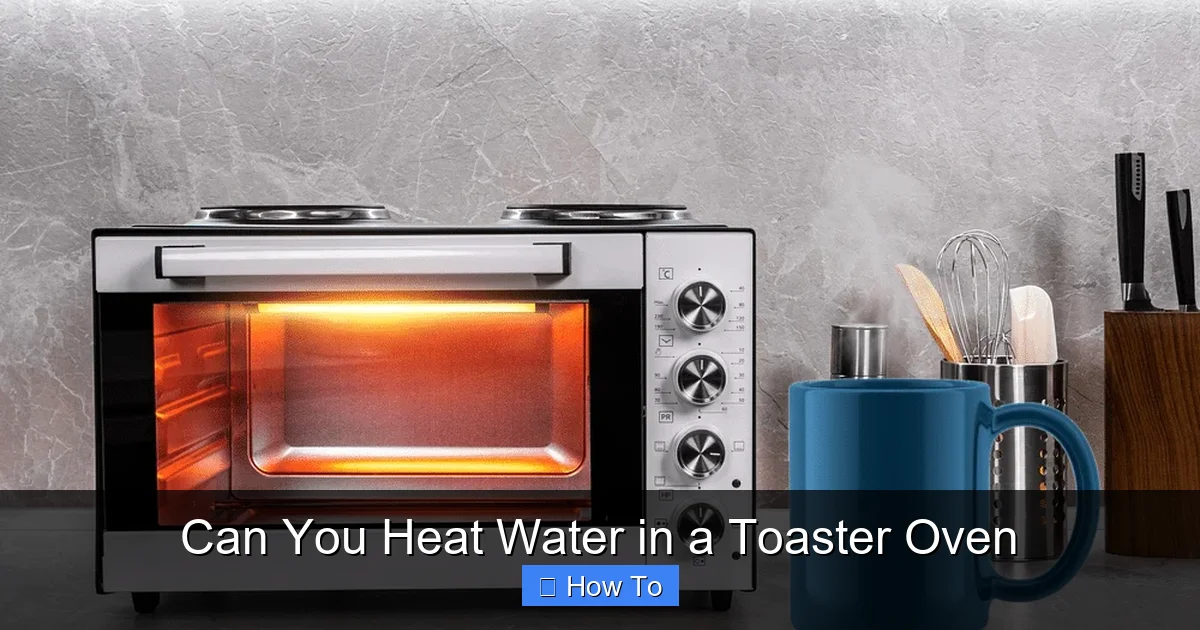
You can heat water in a toaster oven, but only in a small, oven-safe container and only for gentle warming—not fast boiling. The appliance heats air, so water warms slowly and unevenly. For boiling water, a kettle, stovetop, or microwave is safer and more efficient.
Can You Heat Water in a Toaster Oven
Maybe you need hot water for tea, oatmeal, or a quick cleaning job. Your kettle is packed away. Your stovetop is busy. You look at your toaster oven and wonder: can you heat water in a toaster oven? It seems like a simple question. The answer is a little more complicated than a plain yes or no.
A toaster oven can warm water. It can even get a small amount hot enough for tea or instant coffee. But it is not a fast or efficient way to boil water. It also comes with safety rules. If you use the wrong container or too much water, you can create a mess or a hazard.
This guide explains what works, what does not, and how to do it safely. You will learn which containers are safe, how long heating takes, and why a kettle is usually the better choice. Let’s start with the short answer.
Key Takeaways
- Yes, but with limits: A toaster oven can warm small amounts of water in an oven-safe container, but it is not designed for boiling.
- Use the right container: Choose oven-safe glass, ceramic, or metal. Never use plastic, paper, foam, or sealed jars.
- Keep it small: Heat only 1/2 to 1 cup at a time. Large pots of water are unsafe and impractical in a toaster oven.
- Stay nearby: Never leave heating water unattended. Steam, spills, and hot containers can cause burns.
- Expect slow results: Small amounts may take 10 to 20 minutes. Larger amounts can take 30 minutes or more.
- Choose a better tool when possible: An electric kettle, stovetop, or microwave is faster and safer for most water-heating tasks.
📑 Table of Contents
The Short Answer: Yes, You Can Heat Water in a Toaster Oven, but It Is Not Ideal
Yes, you can heat water in a toaster oven. Put water in an oven-safe container. Place it on a baking sheet. Set the oven to a moderate temperature. Wait. The water will warm up. But it will not heat as quickly as it would on a stove or in a kettle.
Toaster ovens heat food by moving hot air around the oven cavity. Air is not as good at transferring heat as a metal burner or a heating coil touching a pot. That means water in a toaster oven warms slowly. The heat also comes from all sides, not just the bottom. This can be useful for gentle warming. It is not useful for rolling boils.
What “Heating” Really Means
Heating water means raising its temperature. Boiling water means reaching 212°F (100°C) at sea level. A toaster oven can help water get hot. It can even make a small amount simmer. But open water in a toaster oven often loses heat through steam. That makes a full boil hard to reach.
What It Cannot Do
A toaster oven cannot replace a kettle for speed. It cannot boil a large pot of water for pasta. It cannot safely heat water in a sealed jar. And it cannot do these jobs evenly. The water near the edges may get hot while the center stays cooler. Always check the temperature before you use the water.
When It Makes Sense
Use a toaster oven to heat water only for small jobs. Examples include warming a cup of water for tea, softening a small amount of water for a recipe, or heating water for a quick wipe-down. Do not use it to boil a large pot of water. Do not rely on it when speed matters.
How a Toaster Oven Heats Water
A toaster oven works like a small conventional oven. Heating elements at the top and bottom create heat. A fan may move that heat around. The hot air surrounds your container. The container passes heat to the water inside.
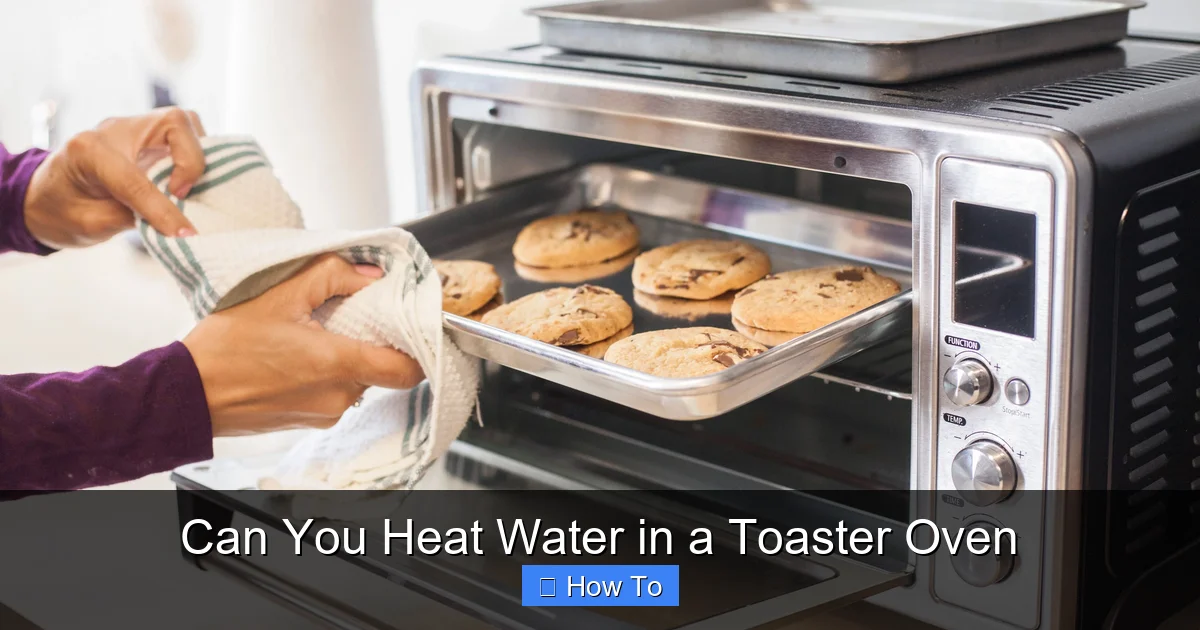
Visual guide about Can You Heat Water in a Toaster Oven
Image source: bhg.com
This process is slow for water. Water has a high heat capacity. That means it takes a lot of energy to raise its temperature. A toaster oven has limited space and power. It is designed for toast, small casseroles, and reheating. It is not designed to be a water boiler.
Heat Transfer Limits
In a kettle, the heating element touches the water or the metal bottom directly. Heat moves into the water fast. In a toaster oven, heat must move from the air to the container and then to the water. Each step loses some heat. The open top of the container lets steam escape. That steam carries heat away.
Why Water Stays Below a Boil
Water turns to steam at 212°F (100°C). That steam leaves the container and takes heat with it. In a toaster oven, the air may be 300°F or hotter, but the water can stay below a full boil. A shallow dish with a small amount of water may simmer. A deep mug may stay hot but not bubble. This is why a toaster oven is better for warming than boiling.
What Affects Heating Speed
- Water amount: Less water heats faster. A half cup warms much quicker than two cups.
- Container shape: Shallow dishes expose more surface area. They warm faster than tall, narrow mugs.
- Container material: Thin metal passes heat quickly. Thick ceramic holds heat but takes longer to warm.
- Oven temperature: A higher setting can speed things up, but it also raises burn and spill risks.
- Door openings: Every time you open the door, heat escapes and the process slows down.
Choosing the Right Container and Setup
The container is the most important safety choice. Not every cup or bowl can go in a toaster oven. Use only cookware labeled oven-safe. Check the manufacturer’s temperature limit. A container that is safe at 350°F may not be safe at 450°F.
Safe Container Options
- Oven-safe glass: Use tempered glass made for baking. Do not use drinking glasses or cold glass from the fridge.
- Ceramic: Use mugs and bowls labeled oven-safe. Avoid ceramics with metallic paint or cracks.
- Metal: Use small stainless steel or aluminum pans. Avoid nonstick pans if the label says not for toaster ovens.
- Baking dishes: Small ramekins and shallow baking dishes work well. They spread the water out and help it warm faster.
Containers to Avoid
Never use plastic, paper, or foam. They can melt or catch fire. Avoid regular glass drinking cups. They may shatter from heat stress. Skip sealed jars and tight lids. Steam needs a way to escape. A sealed container can build pressure and burst.
Covered vs. Open Containers
A loose foil tent can help hold in some heat, but it can also trap steam. If you use foil, leave a gap for steam to escape. Never seal the container. A tight lid can turn a simple cup of water into a pressure risk. For most jobs, leave the container open and keep the amount small.
Set Up for Safety
Place the container on a baking sheet or in a small pan. This catches spills and makes the container easier to remove. Fill the container only halfway. Hot water can splash. Leave space for steam. Keep the container away from the heating elements. Use the middle rack if possible.
Step-by-Step: Heating Water Safely in a Toaster Oven
Follow these steps if you decide to heat water in a toaster oven. Keep the amount small. Stay nearby. Use a thermometer if you need a specific temperature.
Step 1: Pick a Small Amount
Start with 1/2 to 1 cup of water. Small amounts heat faster and are easier to handle. Do not fill a large pot. A heavy pot full of water can stress the rack and take too long to heat.
Step 2: Use an Oven-Safe Container
Choose a mug, ramekin, or small baking dish that is safe for oven use. Set it on a baking sheet. Fill it halfway. Wipe up any spills before you close the door.
Step 3: Set a Moderate Temperature
Set the toaster oven to 250°F to 300°F for gentle warming. Higher heat does not make water boil much faster in an open container. It can overheat the container and increase splash risk. Use the toast or bake setting as your oven manual directs.
Step 4: Heat and Check
Heat for 10 minutes. Check the water with an oven-safe thermometer. Stir carefully with a long-handled spoon if needed. Add time in 5-minute increments. Do not open the door too often. Each opening lets heat out.
Step 5: Remove Carefully
Turn off the oven. Use oven mitts. Set the container on a heat-safe surface. Do not move it quickly. Hot water can slosh. Let it cool for a moment before you use it.
Example Heating Times
A half cup of water in a shallow metal dish may feel hot in about 8 to 12 minutes at 300°F. One cup in a ceramic mug may take 15 to 20 minutes. Two cups in a small baking dish may take 25 to 35 minutes. These are rough examples. Every toaster oven is different. Always check the water yourself instead of trusting a timer.
Tips for Better Results
- Use a shallow container when you can. More surface area means faster warming.
- Start with room-temperature water. Cold water takes longer.
- Place the container in the center of the rack. Avoid the edges near the heating elements.
- Use a thermometer for baby formula, proofing yeast, or any task that needs a exact temperature.
Safety Rules and Common Mistakes
Heating water in a toaster oven is not the same as boiling water on a stove. The risks are different. Steam, spills, and hot containers are the main concerns. Keep these rules in mind.
Never Leave It Unattended
Stay in the kitchen. Water can boil over. Containers can crack. A small spill can burn or smoke. If you must step away, turn the oven off first.
Do Not Overfill
Hot water expands and splashes. Fill containers halfway. Leave room for steam and movement. A full mug is more likely to spill when you remove it.
Avoid Thermal Shock
Do not put cold glass or a cold ceramic dish into a hot oven. Let containers come to room temperature first. Do not place a hot dish on a cold counter. Use a trivet or towel.
Watch the Steam
Steam can burn your face and hands. Open the oven door away from you. Let steam escape before you reach inside. Keep children and pets away from the oven.
Do Not Use It for Large Batches
A toaster oven is too small for big pots of water. It is not made for canning, pasta, or deep boiling. Use a kettle or stovetop for those jobs.
If Something Goes Wrong
If water spills, turn off the oven and let it cool before you clean it. If a container cracks, do not touch the hot water. Wait for the oven to cool, then use tongs and gloves to remove the pieces. If you see smoke or sparks, unplug the oven and do not use it again until it is checked.
Better Alternatives and Final Thoughts
A toaster oven can heat a small amount of water. But it is rarely the best tool. A kettle is faster and safer. A stovetop pot works for larger amounts. A microwave can heat a mug of water in a minute or two. Choose the tool that matches the job.
Quick Comparison
- Electric kettle: Fastest for tea, coffee, and instant meals. It shuts off when water boils.
- Stovetop: Best for large pots, pasta, and cooking. Use a pot that fits the burner.
- Microwave: Good for one mug. Use a microwave-safe container. Stir before drinking to avoid hot spots.
- Toaster oven: Okay for gentle warming only. Use a small oven-safe container and stay nearby.
A Simple Rule to Remember
If you need boiling water, use a kettle or stovetop. If you need a small amount of warm water and a toaster oven is your only option, use a safe container and keep the amount small. Do not treat the toaster oven like a water boiler.
Final Thoughts
So, can you heat water in a toaster oven? Yes, but do it with care. Use a small amount. Pick an oven-safe container. Set a moderate temperature. Never leave it alone. And do not expect a fast boil. For most daily needs, a kettle is the smarter choice. Keep the toaster oven for toast, leftovers, and small baking jobs. That way, your water gets hot safely, and your appliance stays in good shape.
Frequently Asked Questions
Can you boil water in a toaster oven?
You can get a small amount of water hot, and it may simmer, but a full rolling boil is hard to reach. A toaster oven is not designed for boiling water. Use a kettle or stovetop for that job.
Is it safe to put a glass cup of water in a toaster oven?
Only if the glass is labeled oven-safe. Regular drinking glasses can shatter from heat stress. Use tempered glass, ceramic, or metal cookware made for oven use.
How long does it take to heat water in a toaster oven?
A small amount may take 10 to 20 minutes at 250°F to 300°F. Larger amounts can take 30 minutes or more. Times vary by oven, container, and water volume, so check the water yourself.
What container should you use to heat water in a toaster oven?
Use a small oven-safe mug, ramekin, metal pan, or baking dish. Avoid plastic, paper, foam, regular glass, and sealed jars. Fill the container only halfway.
Can you heat water in a toaster oven for tea or coffee?
Yes, you can warm a small cup of water for tea or instant coffee. It will be slower than a kettle. Use an oven-safe container and check the temperature before you pour.
Why is a kettle better than a toaster oven for heating water?
A kettle heats water directly and quickly, and many models shut off when the water boils. A toaster oven heats air, so water warms slowly and unevenly. A kettle is safer and more efficient for most tasks.