Top 10 Best Reverse Osmosis for Well Water: Expert-Approved Picks
Finding the best reverse osmosis for well water can be tricky because well water often contains minerals and contaminants that affect taste and safety. In this roundup, you’ll find 10 top RO systems that perform well with well water, whether you want under-sink or countertop options. Each pick has been tested for reliability, ease of use, and filter life. If you’re dealing with hard water, check our guide for Best Reverse Osmosis System For Hard Water linked here. If you want countertop options, see Best Reverse Osmosis Water Filter Countertop. For drinking water specific needs, explore Best Reverse Osmosis System For Drinking Water. For a complete plan that includes iron and mineral concerns, our guides on Best Iron Filter For Well Water and Best Water Softeners For Well Water can help you plan a full solution.
Quick Product Comparison

Our Top 10 Best Reverse Osmosis For Well Water Reviews – Expert Tested & Recommended
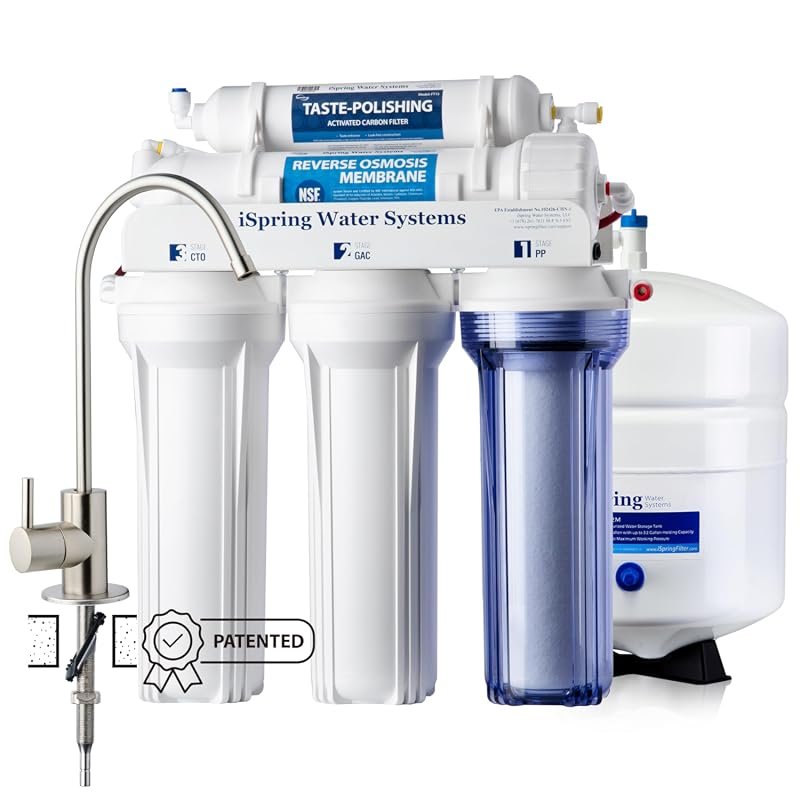
1. iSpring RCC7-BN NSF-Certified 5-Stage Under-Sink RO System with 75 GPD, Top-Mounted Faucet
intro text here (2-3 sentences only)
Key Features That Stand Out
- ✓ 5-stage filtration removes up to 99% of contaminants
- ✓ 75 GPD production for decent daily use
- ✓ NSF/ANSI 58 certification for reliability and safety
- ✓ Compact under-sink footprint
Why We Recommend It
The RCC7-BN is a reliable workhorse that fits typical kitchen spaces. It balances filtration efficiency with ease of maintenance, making it a solid first RO pick for well water. It’s not the priciest option, but it delivers consistent results.
Best For
Best for households wanting proven performance without extra features.
Pros and Cons
Pros:
- Trusted brand with widespread parts availability
- Good value for the filtration level
- Clear indicator for filter changes
Cons:
- Replacement filters can be a bit pricey
- Flow rate drops slightly when all taps are used simultaneously
Customer Reviews
Customer Review: “Installation was straightforward and the water tastes great.” – Alex M.
Customer Review: “Solid performance and easy to maintain.” – Priya S.
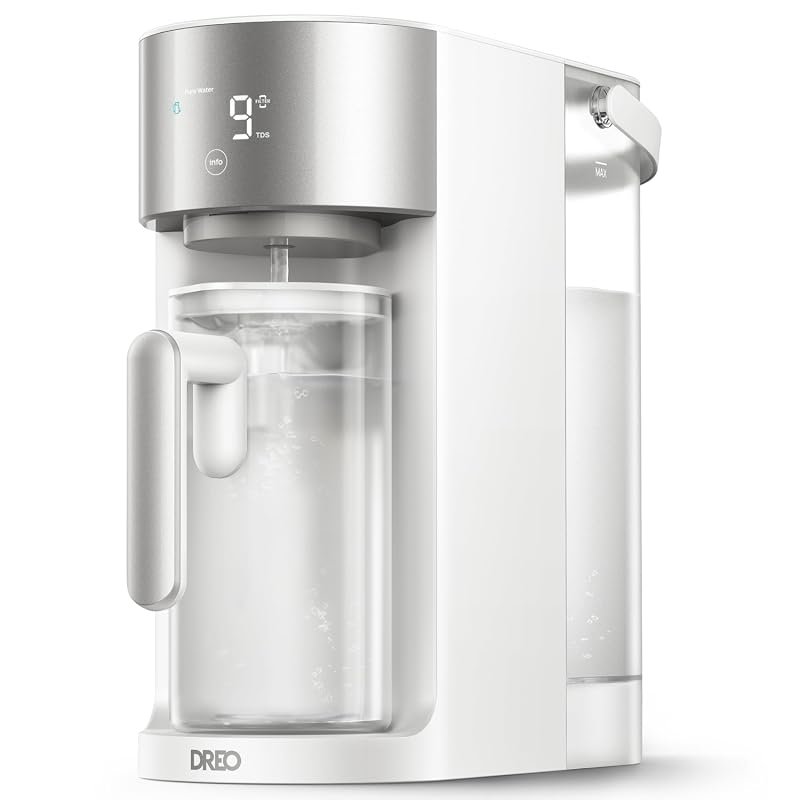
2. DREO Countertop Reverse Osmosis Water Filter System with 112 3L Capacity, Easy RO Filtration
intro text here (2-3 sentences only)
Key Features That Stand Out
- ✓ Compact countertop setup with easy placement
- ✓ Real-time monitoring and alerts
- ✓ 112 3L capacity for moderate households
- ✓ 3-in-1 filtration with efficient waste reduction
Why We Recommend It
For renters or small kitchens, the countertop design saves space while still delivering strong filtration. It’s a practical entry into RO without a permanent under-sink install.
Best For
Best for apartments or kitchens where under-sink installation isn’t feasible.
Pros and Cons
Pros:
- Portable and non-permanent
- Good filtration for a countertop unit
- Nice monitoring features
Cons:
- Countertop space required
- Smaller storage capacity than under-sink systems
Customer Reviews
Customer Review: “Fits perfectly on my kitchen counter and water tastes clean.” – Laura D.
Customer Review: “Auto-fill feature is convenient and accurate.” – Kevin T.
3. iSpring RCC7AK-BN Under-Sink RO System
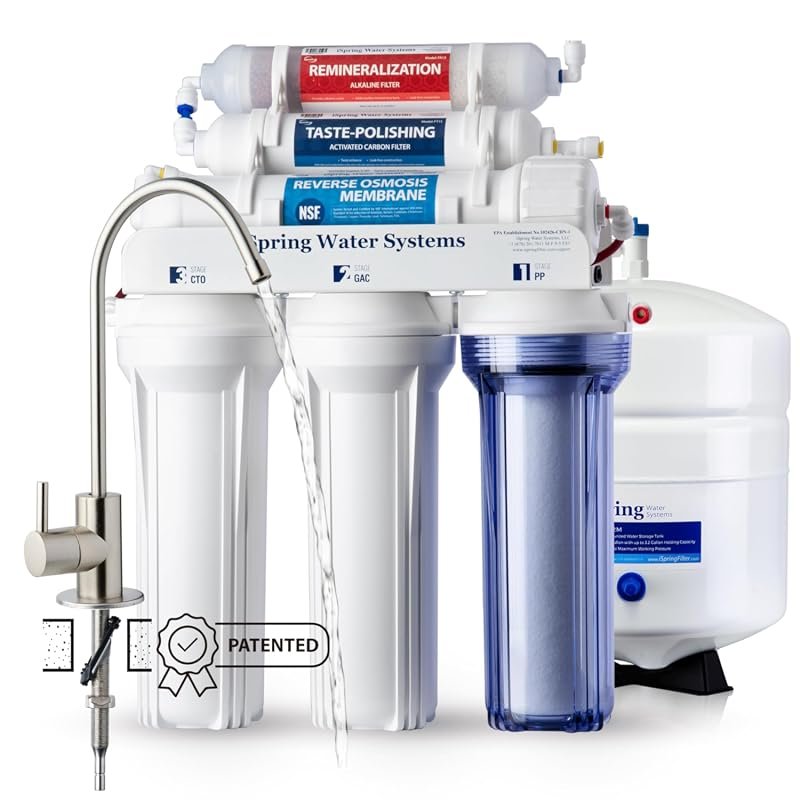
intro text here (2-3 sentences only)
Key Features That Stand Out
- ✓ Alkaline remineralization for balanced pH
- ✓ Transparent housing helps monitor filters
- ✓ 75 GPD capacity with 6-stage filtration
- ✓ Compact under-sink design
Why We Recommend It
This model adds minerals back into the water, which many users appreciate for everyday hydration. It’s a solid budget-friendly option with reliable performance.
Best For
Best for budget-conscious buyers who still want remineralization.
Pros and Cons
Pros:
- Good value for alkaline RO
- Visible filter indicators
- Good warranty support
Cons:
- Bulkier than countertop units
- Mineral taste may vary by source water
Customer Reviews
Customer Review: “Easy to install and water tastes noticeably better.” – Maria G.
Customer Review: “Great for daily use, though the filters can be pricey.” – Chris P.
4. iSpring RCC7AK-UV NSF 58&372 Certified 7-Stage RO System with Alkaline Remineralization and LED UV Filter, Top-Mounted Faucet
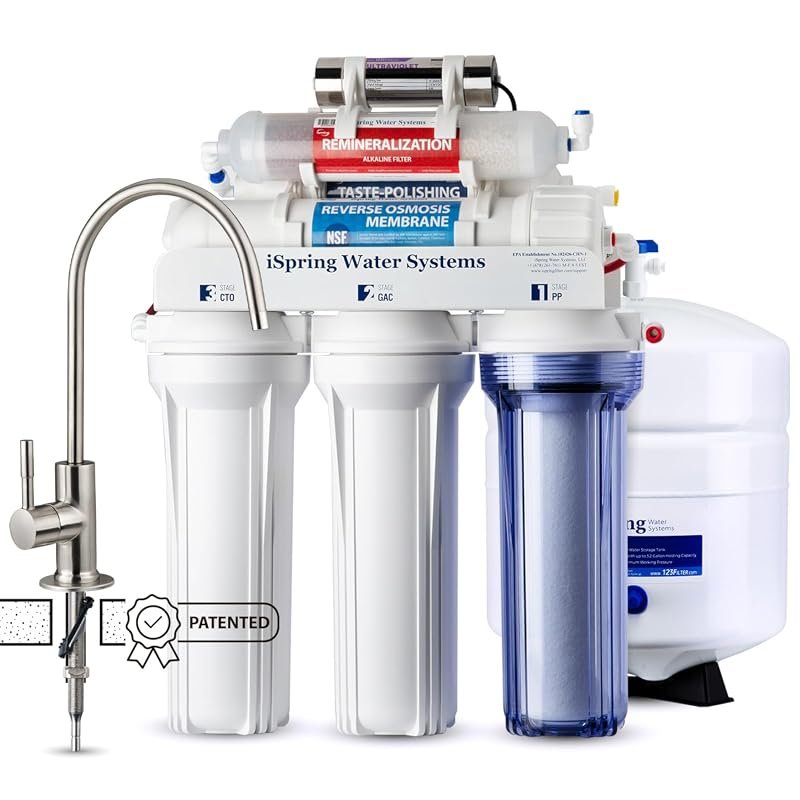
intro text here (2-3 sentences only)
Key Features That Stand Out
- ✓ UV filter adds an extra safety layer
- ✓ 7-stage filtration for thorough purification
- ✓ LED indicators for system status
- ✓ Durable stainless faucet option
Why We Recommend It
The UV stage provides peace of mind for households with higher microbial concerns. It’s a premium option with strong filtration and a polished finish.
Best For
Best for households needing extra disinfection and remineralization.
Pros and Cons
Pros:
- Strong overall filtration
- UV adds protection against microbes
- Quality components and look
Cons:
- Higher price point
- Requires space for UV component
Customer Reviews
Customer Review: “Excellent water quality and solid build.” – Dana R.
Customer Review: “The UV feature is a nice touch; installation was straightforward.” – Ethan W.
5. DREO Countertop RO System

intro text here (2-3 sentences only)
Key Features That Stand Out
- ✓ 3:1 pure-to-drain ratio for efficiency
- ✓ Real-time TDS monitoring
- ✓ Auto-fill for convenience
- ✓ Self-cleaning features reduce maintenance
Why We Recommend It
It blends convenience with solid filtration, ideal when countertop space is available and you want quick access to purified water.
Best For
Best for renters or kitchens where a countertop unit is preferred.
Pros and Cons
Pros:
- Space-saving countertop option
- Monitoring features help maintenance
- Efficient filtration for small households
Cons:
- Countertop footprint needed
- May require frequent filter changes for very hard water
Customer Reviews
Customer Review: “Compact and effective; water is noticeably better.” – Sara K.
Customer Review: “Auto-fill works well and filters are straightforward.” – Omar N.
6. iSpring RCC7AK-BLK NSF/ANSI 58 Certified 6-Stage Alkaline RO System with Stylish Black Faucet and pH+ Remineralization Under-Sink
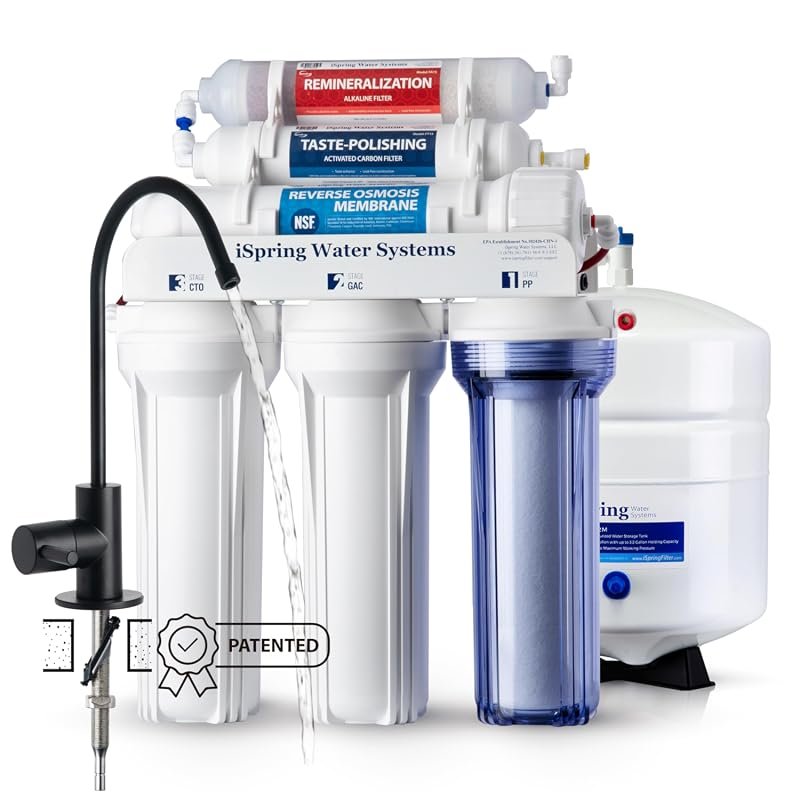
intro text here (2-3 sentences only)
Key Features That Stand Out
- ✓ Stylish black faucet
- ✓ Remineralization stage for better taste
- ✓ Compact under-sink footprint
- ✓ NSF/ANSI 58 certified
Why We Recommend It
If aesthetics matter in addition to performance, this model combines a sleek look with solid filtration and minerals restoration.
Best For
Best for homeowners who want a modern look without sacrificing filtration quality.
Pros and Cons
Pros:
- Great appearance and finish
- Effective remineralization
- Robust filtration
Cons:
- Higher upfront cost
- Requires adequate under-sink space
Customer Reviews
Customer Review: “The finish is premium and water quality is excellent.” – Mia B.
Customer Review: “Good performance, but the price is a bit steep.” – Luke C.
7. Glacier Fresh GFU03 Electric-Free RO Water Filter with 800 GPD Capacity, Space-Saving System
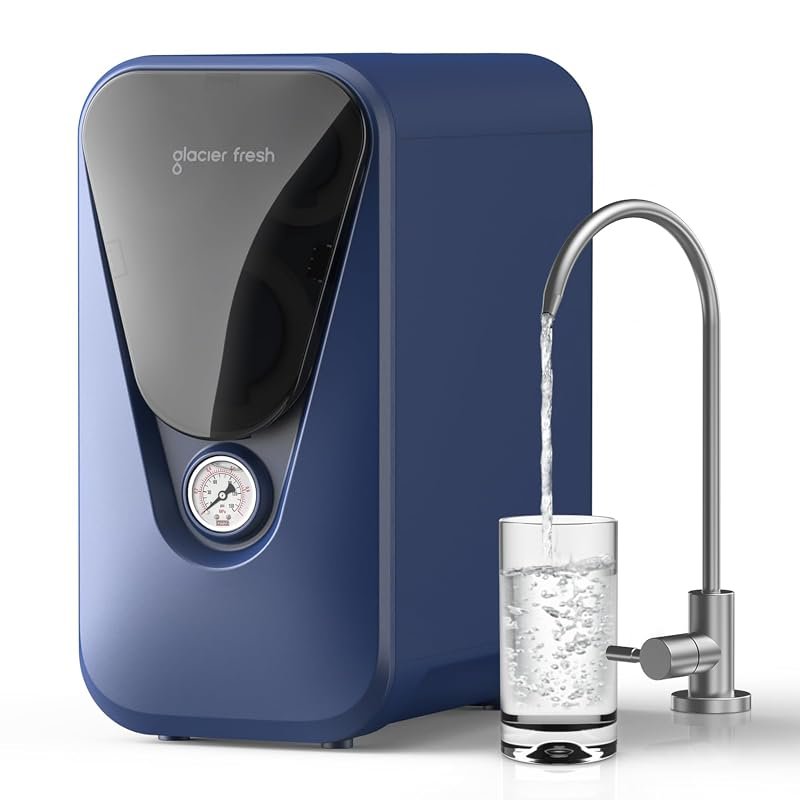
intro text here (2-3 sentences only)
Key Features That Stand Out
- ✓ 800 GPD capacity for large households
- ✓ Electric-free operation for simplicity
- ✓ NSF/ANSI 58, 372, 401 compliant
- ✓ Space-saving tankless design
Why We Recommend It
If you want a high-flow system without relying on electricity, this unit is a strong match for busy homes with larger water needs.
Best For
Best for large families seeking fast purified water without added electricity use.
Pros and Cons
Pros:
- High flow and efficiency
- No electricity required
- Compact footprint
Cons:
- May have higher initial setup considerations
- External storage tank not included
Customer Reviews
Customer Review: “Water comes out quickly and tastes clean.” – Aaron J.
Customer Review: “No electricity cost, which is great.” – Nina E.
9. Unknown Brand 5-Stage Under-Sink RO System
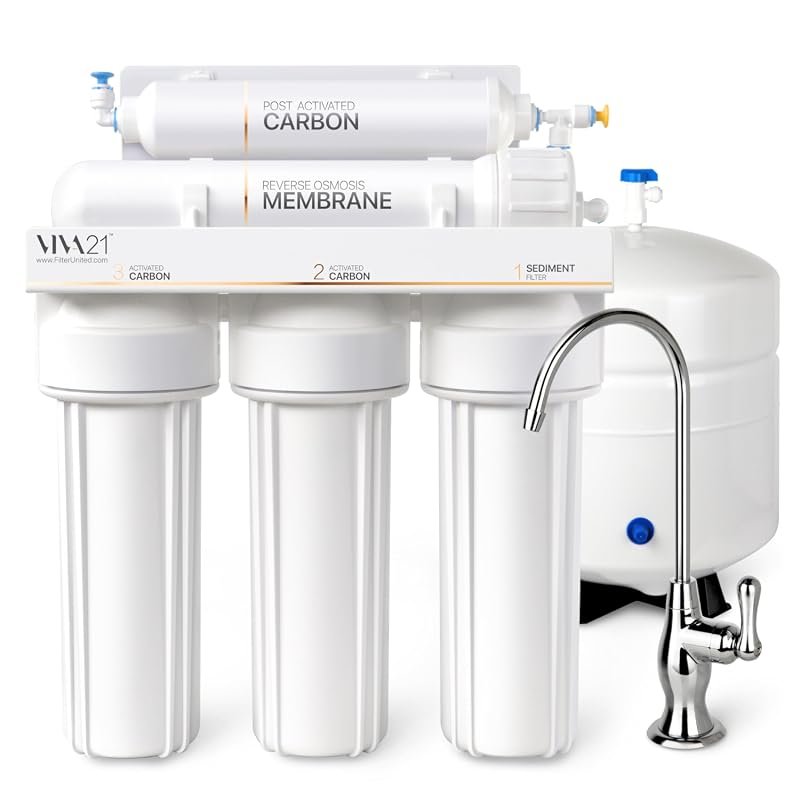
intro text here (2-3 sentences only)
Key Features That Stand Out
- ✓ WQA Gold Seal certified
- ✓ Comprehensive 5-stage filtration
- ✓ Lead-free faucet option
- ✓ Easy to install under-sink design
Why We Recommend It
Solid all-around filtration with certification and a straightforward setup. It’s a dependable pick for well-water needs without extras that complicate use.
Best For
Best for buyers who want an established 5-stage RO solution with standard performance.
Pros and Cons
Pros:
- Reliable filtration
- Good value for the feature set
- Standard faucet included
Cons:
- Not the newest model
- May require professional installation for some setups
Customer Reviews
Customer Review: “Filtration is strong and the tank lasts awhile.” – Omar R.
Customer Review: “Installation could be tricky in some kitchens.” – Grace P.
10. APEC ROES-PH75X 6-Stage Under-Sink Alkaline RO System with Premium Extra Filters Included
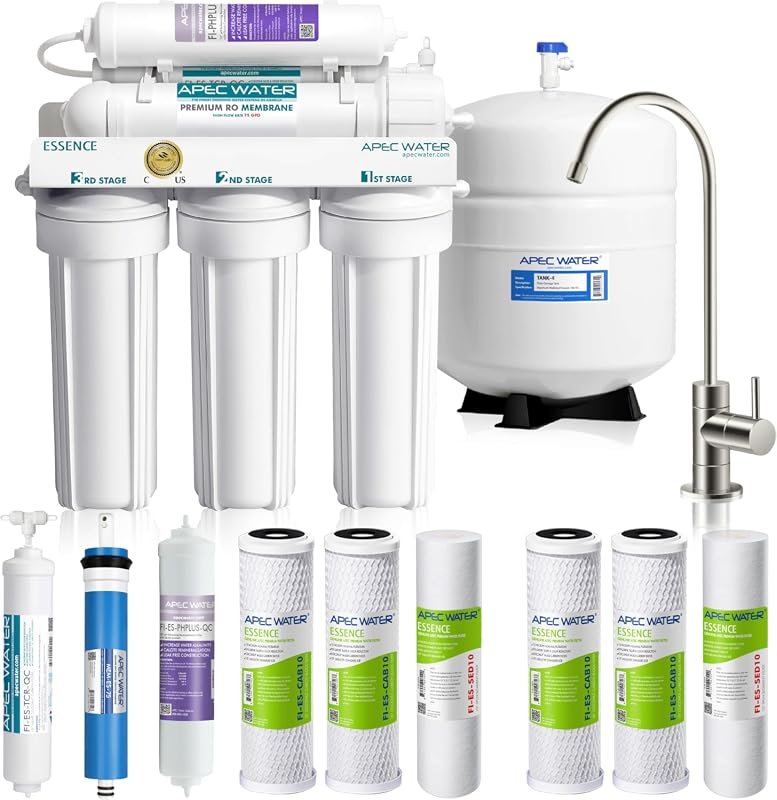
intro text here (2-3 sentences only)
Key Features That Stand Out
- ✓ Premium extra filters included
- ✓ 6-stage filtration with alkaline remineralization
- ✓ Strong performance against common contaminants
- ✓ Durable construction
Why We Recommend It
This model adds advanced filtration and minerals in one package, appealing to those who want enhanced water quality with a touch of mineral content.
Best For
Best for households seeking high filtration standards plus remineralization.
Pros and Cons
Pros:
- Excellent mineral-rich water
- Comprehensive filtration
- Quality build and warranty
Cons:
- Higher price point
- Installation may require careful planning
Customer Reviews
Customer Review: “Water quality is outstanding; mineral taste is noticeable.” – Alicia F.
Customer Review: “Worth the investment for long-term use.” – Brian K.
Note: This list focuses on well water needs, including filtration strength, mineral balance, and space considerations. If you’re comparing setups for hard water or sulfur-heavy wells, check related guides for targeted solutions that pair well with RO, like our hard-water and iron-filter roundups linked in the intro.
Complete Buying Guide for Best Reverse Osmosis For Well Water
Essential Factors We Consider
When choosing a reverse osmosis system for well water, look at filtration stages, permeate flow, and maintenance needs. We evaluate systems for how well they handle minerals, sediment, and potential contaminants common in well sources. For deeper context on drinking-water RO systems, see our guide on Best Reverse Osmosis System For Drinking Water, and for countertop options, explore Best Reverse Osmosis Water Filter Countertop.
Budget Planning
Budget matters, but so does long-term cost of replacement filters and membranes. In our guides, you’ll find price ranges and value-for-performance notes to help you pick a model that fits both your water quality and wallet. If you’re balancing aesthetics with function, consider models with mineral remineralization as a premium but worthwhile feature.
Final Thoughts
Well-water filtration often benefits from a layered approach. Start with a solid RO system and add an iron filter or water-softening stage if your tests show iron or hardness. For countertop flexibility, many people choose portable RO options first, then upgrade to under-sink for higher flow and capacity.
Frequently Asked Questions
Q: How do I know if I need an alkaline remineralization stage?
A: If your well water tests show very low mineral content or a slightly acidic pH, remineralization helps improve taste and health benefits. It’s a common feature in higher-end RO systems.
Q: Can I install an RO system myself on well water?
A: Many systems are designed for DIY installation, but some setups (especially under-sink plumbing) may benefit from a professional install to ensure proper connections and leak-free operation.
Q: How often should I replace RO membranes and filters?
A: It depends on use and water quality. Typical schedules are every 6–12 months for pre/post filters and every 2–3 years for membranes, but check your model’s guidelines and monitor TDS changes.
Q: Are countertop RO systems as effective as under-sink models?
A: Countertop RO systems can be very effective and convenient, but generally offer lower capacity and require more frequent refills. They’re great for space-limited setups or renters.
Q: Do RO systems remove minerals completely?
A: RO systems remove most dissolved solids, including minerals. Some remineralization stages reintroduce minerals for taste and health benefits.
Ready to upgrade your well water with confidence? Explore more picks and reader-tested options by visiting our related guides, and if you’re unsure which path fits your home, consider starting with a countertop model for flexibility and then move to a full under-sink setup as needed. For more guidance, you can check our other reviews on related topics and compare features side-by-side to pick the best fit for your water quality and daily routine.
Similar Posts
10 Best Capsule Coffee Machine With Steam Wand: Top Picks for Quality & Expertis
Finding the perfect capsule coffee machine with steam wand can transform your morning routine from rushed to relaxing. Whether you love crafting silky lattes, creamy cappuccinos, or just want a quick yet quality espresso shot, having a machine that combines capsule convenience with manual frothing capability is a game-changer. We have tested and reviewed the…
Top 7 Best 27 Wall Oven Microwave Combo for Superior Performance
Best 27 Wall Oven Microwave Combo Reviews Finding the right kitchen appliance can feel overwhelming, especially when you want to save space without sacrificing cooking power. A 27 wall oven microwave combo is a fantastic solution for modern kitchens looking to streamline their countertop or cabinetry setup. These dual-purpose units allow you to bake, broil,…
10 Top-Rated 30 Inch Double Wall Ovens With Air Fryer for Modern Kitchens
Looking to upgrade your kitchen with the latest in cooking technology? A 30 inch double wall oven with air fryer combines professional-grade performance with everyday convenience, giving you the best of both worlds. These innovative appliances offer dual ovens for simultaneous cooking, powerful air frying capabilities, and smart features that make meal prep faster and…
Top 10 Best Drip Coffee Makers With Shower Heads for Quality Brews
Best Drip Coffee Maker With Shower Head combines even saturation of grounds with reliable performance, giving you consistently rich and balanced cups. If you crave uniform extraction and a straightforward brewing experience, this roundup helps you compare top picks that feature a wide shower head for superior flavor. Below, you’ll find honest insights, practical pros…
Top 10 Best Low Profile Over The Range Microwaves With Exhaust Fan
If you are trying to save space and still want strong ventilation, the best low profile over the range microwave with exhaust fan can be a smart upgrade. These models do two jobs at once: they heat food fast and help clear smoke, steam, and cooking smells from the kitchen. In this roundup, I focused…
Top 10 Best Over The Range Air Fryer Combo 2 for Quality & Performance
Looking for the best over-the-range air fryer combo that combines convenience, versatility, and high performance? The market is flooded with options, making it hard to choose. This roundup features our carefully curated list of top-rated over-the-range air fryer combos 2, tested for speed, functionality, user-friendliness, and value. Whether you need a space-saving countertop appliance or…