Top 7 Best Wood For Butcher Block Counter: Expert Picks
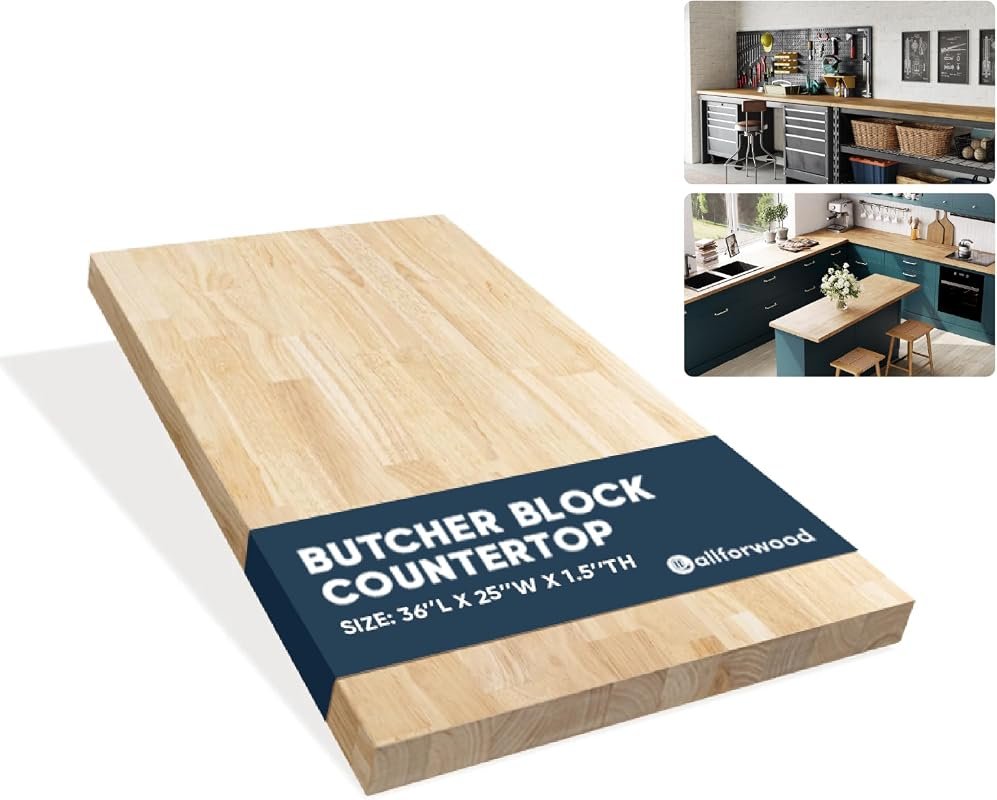
Choosing the best wood for a butcher block counter can transform your kitchen. The right material blends durability, knife-friendliness, and a finish that fits your lifestyle. In this roundup, we compare solid woods like Hevea, Birch, and Acacia, plus bamboo and teak options, so you can pick a surface that ages gracefully while withstanding daily prep tasks. If you’re unsure where to start, remember to consider thickness, moisture resistance, and how you plan to finish the surface. For additional guidance, see our Best Oil For Butcher Block Counter and Best Finishes For Butcher Block Countertops guides. If you’re choosing for an island, our Best Butcher Block Tops For Kitchen Islands article is a solid read.
Quick Product Comparison
Our Top 7 Best Wood For Butcher Block Counter Reviews – Expert Tested & Recommended
1. Hevea Solid Wood Butcher Block Countertop
intro text here (2-3 sentences only)
Key Features That Stand Out
- ✓ Durable 1.5-inch thick solid Hevea wood increases stability
- ✓ Unfinished surface ready for your finish of choice
- ✓ Good for DIY projects and home island setups
- ✓ Sturdy construction supports daily kitchen use
Why We Recommend It
recommendation text (2-3 sentences)
Best For
best for text (1-2 sentences)
Pros and Cons
Pros:
- Sturdy, durable solid wood
- Pre-sanded unfinished surface for customization
- Great balance of price and quality
- Good for kitchen islands or heavy prep spaces
Cons:
- Requires sealing/finishing before use
- Heave weight may require reinforced cabinet support
Customer Reviews
Customer Review: window.P && P.register(‘bb’);
if (typeof ues === ‘function’) {
ues(‘t0’, ‘portal-bb’, new Date());
ues(‘ctb’, ‘portal-bb’, 1);
}
Customer Review: sp:eh:GXGIFPLce8X93lsrGitqdRTYOU3uwZ4kZxyiHlKqzOi4tgPyBHedgG9yHJS5GKHUyEi2N3O0xnVPDfpwPvNxH3kFACA8Obng32L2YAu1CQ2p5MG7M13W80YPz2E=
2. Solid Birch Wood Butcher Block Countertop
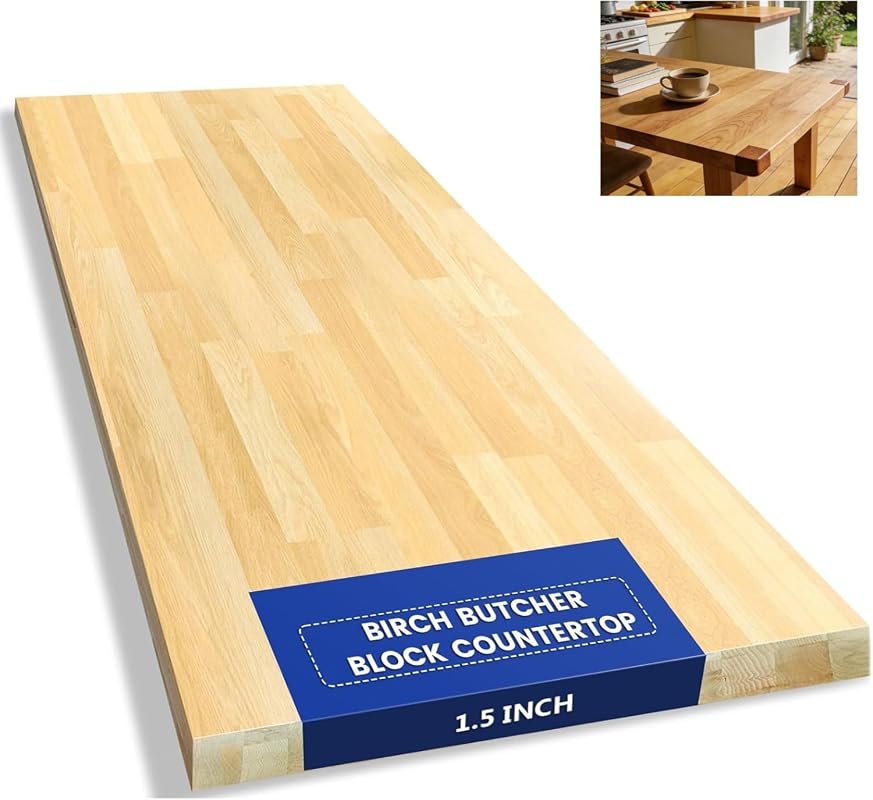
intro text here (2-3 sentences only)
Key Features That Stand Out
- ✓ Premium birch hardwood for a smooth surface
- ✓ Pre-sanded for easy finishing and customization
- ✓ Compact size, ideal for small kitchens or islands
- ✓ Durable enough for daily meal prep
Why We Recommend It
recommendation text (2-3 sentences)
Best For
best for text (1-2 sentences)
Pros and Cons
Pros:
- Excellent finish with Birch grains
- Compact and easy to install
- Good balance of price and quality
- NATURAL resistance to moisture is decent
Cons:
- Unfinished surface requires sealing
- Smaller size may not suit large prep areas
Customer Reviews
Customer Review: “Birch surface feels sturdy and smooth after sealing.” – Alex P.
Customer Review: “Great value for the size; easy to customize.” – Maria L.
3. Sintuff Hevea 24 x 12 x 1.2 Inches Butcher Block Countertop

intro text here (2-3 sentences only)
Key Features That Stand Out
- ✓ Solid Hevea wood construction
- ✓ Compact footprint for small spaces
- ✓ Smooth surface with moisture resistance
- ✓ Easy to seal or finish for protection
Why We Recommend It
recommendation text (2-3 sentences)
Best For
best for text (1-2 sentences)
Pros and Cons
Pros:
- Affordable option for tiny kitchens
- Good moisture-resistance with seal
- Light enough to move around if needed
- Easy to customize with your finish
Cons:
- Smaller surface area
- Factory finish may vary by batch
Customer Reviews
Customer Review: “Small but sturdy; a nice fit for my apartment kitchen.” – Jamie R.
Customer Review: “Sealed well, holds up to daily chopping tasks.” – Priya K.
4. Acacia Wood Cutting Board and Butcher Block Countertop

intro text here (2-3 sentences only)
Key Features That Stand Out
- ✓ End grain for knife-friendliness
- ✓ Deep juice groove for mess control
- ✓ Durable Acacia with natural oils
- ✓ Beautiful grain patterns
Why We Recommend It
recommendation text (2-3 sentences)
Best For
best for text (1-2 sentences)
Pros and Cons
Pros:
- Excellent knife protection
- Large surface with practical groove
- Naturally attractive look
Cons:
- Requires proper sealing to maximize life
- Can be heavy for some setups
Customer Reviews
Customer Review: “Beautiful grain and a joy to work with.” – Daniel S.
Customer Review: “Juice groove is a lifesaver during prep.” – Lily A.
5. BEEFURNI End Grain Cutting Board
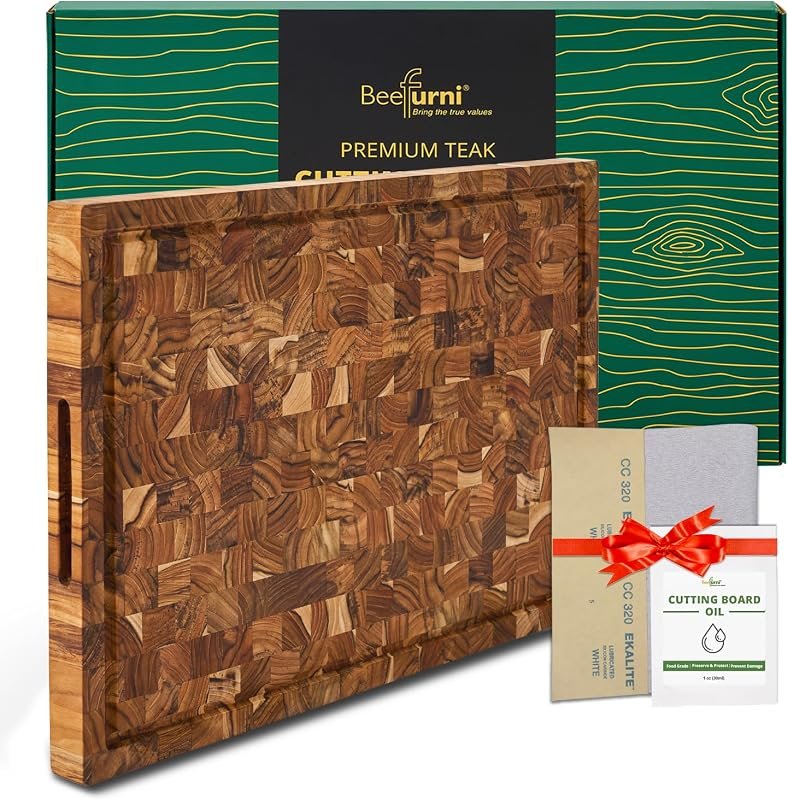
intro text here (2-3 sentences only)
Key Features That Stand Out
- ✓ Premium teak with end grain
- ✓ Large surface, great for charcuterie
- ✓ Durable and knife-friendly
- ✓ Works well with oil finishes
Why We Recommend It
recommendation text (2-3 sentences)
Best For
best for text (1-2 sentences)
Pros and Cons
Pros:
- End grain is gentle on knives
- Versatile for serving and prep
- Long-lasting with proper care
Cons:
- Heavy to lift for some users
- Requires regular oiling to prevent drying
Customer Reviews
Customer Review: “Excellent build quality and large surface.” – Chris B.
Customer Review: “Took well to oiling; looks stunning.” – Ana M.
6. Bamboo Butcher Block Countertop
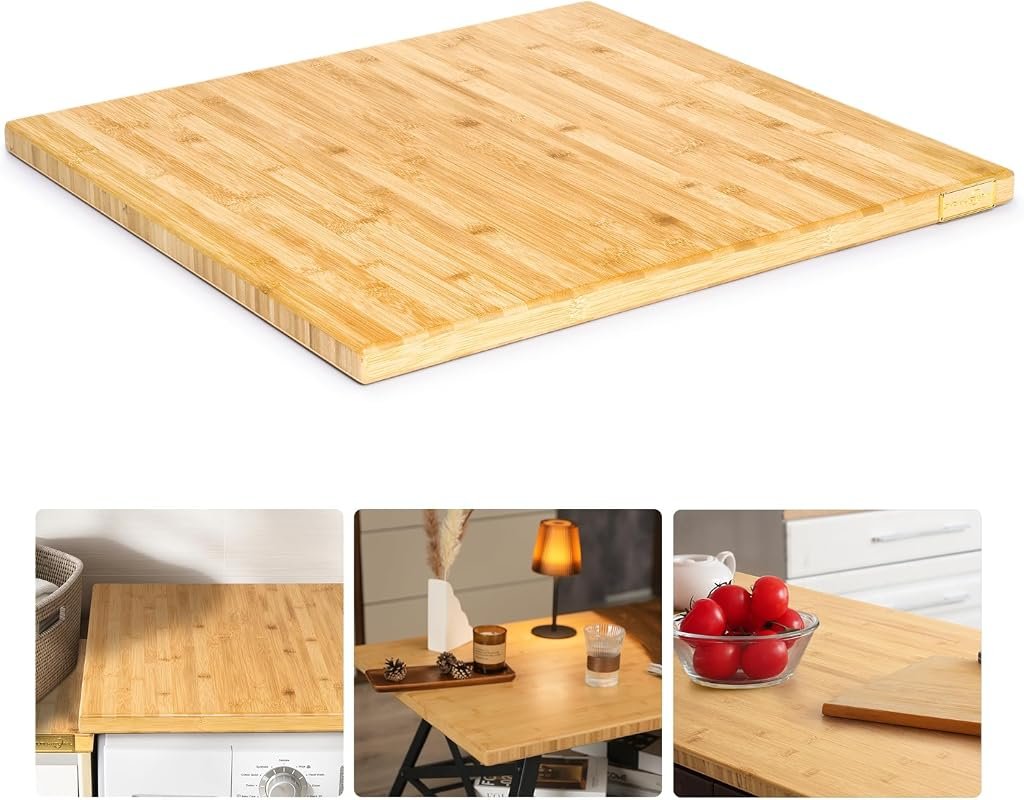
intro text here (2-3 sentences only)
Key Features That Stand Out
- ✓ Cut-to-fit for flexible sizing
- ✓ Bamboo is a renewable resource
- ✓ Silky-smooth surface when sanded
- ✓ Lightweight and easy to handle
Why We Recommend It
recommendation text (2-3 sentences)
Best For
best for text (1-2 sentences)
Pros and Cons
Pros:
- Eco-friendly material
- Easy to cut and customize
- Good moisture resistance when sealed
Cons:
- May show dents if not finished
- Requires sealing for longevity
Customer Reviews
Customer Review: “Lightweight and very forgiving for beginners.” – Noah T.
Customer Review: “Cuts well and looks great with oil.” – Sophia G.
7. CONSDAN Butcher Block Countertop
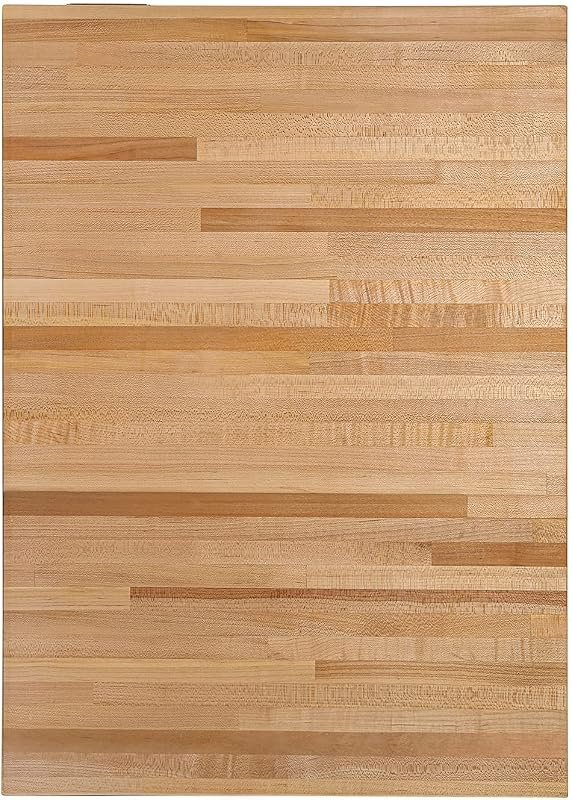
intro text here (2-3 sentences only)
Key Features That Stand Out
- ✓ USA-grown maple solid wood
- ✓ Pre-finished with food-safe oil
- ✓ 1.5 inch thickness for durability
- ✓ Ready to use with minimal prep
Why We Recommend It
recommendation text (2-3 sentences)
Best For
best for text (1-2 sentences)
Pros and Cons
Pros:
- Sustainable USA-grown maple
- Pre-finished for convenience
- Sturdy and easy to clean
Cons:
- Limited color customization
- Requires care to avoid finishes wearing
Customer Reviews
Customer Review: “Maple is reliable and smooth for knives.” – Eva R.
Customer Review: “Prefinished surface saves time in the kitchen.” – Marcus W.
Complete Buying Guide for Best Wood For Butcher Block Counter
Essential Factors We Consider
When choosing wood for a butcher block counter, durability, knife-friendliness, and finish are kings. Look for thickness that matches how you use the surface, and consider how you’ll seal or oil the wood to protect it from moisture and stains. Always think about whether you want unfinished to DIY your finish, or prefinished for a ready-to-use surface. For oiling and finishes, see our related guides for ongoing care and maintenance.
For more guidance, you can check our Best Oil For Butcher Block Counter and Best Finishes For Butcher Block Countertops. If you’re choosing for an island, explore Best Butcher Block Tops For Kitchen Islands for additional ideas.
Budget Planning
Decide how much you’re willing to invest in the core surface and a final finish. Solid woods like Hevea and Birch offer great durability with a focus on customization, while Bamboo provides an eco-friendly option that can be more affordable. Consider maintenance costs for oils and sealants over time.
Final Thoughts
Every wood type has its trade-offs. If you want a balance of look, performance, and cost, start with a mid-range option like Birch or Acacia and plan your finish schedule. Remember, the best wood for a butcher block counter is the one that fits your kitchen workflow and care routine.
Frequently Asked Questions
Q: How thick should a butcher block countertop be for everyday cooking?
A: Most home kitchens benefit from 1.5 inches of thickness for stability and durability, especially for island use.
Q: Do unfinished surfaces require sealing before first use?
A: Yes. An unfinished surface should be sealed or oiled to protect against moisture and stains.
Q: Is bamboo a good alternative to traditional hardwood for butcher block countertops?
A: Bamboo is a strong, sustainable option, but it requires proper sealing and care to maximize longevity.
Q: Should I choose an end grain or edge grain countertop?
A: End grain surfaces are more forgiving on knives and self-heal minor cuts over time, while edge grain surfaces tend to be less expensive.
Q: How often should I oil or reseal my butcher block?
A: Oil frequency depends on use and finish; a typical guideline is every 1–3 months or when the surface looks dry.
Conclusion: The best wood for your butcher block counter combines durability, knife-friendliness, and a finish you’ll actually maintain. With the options above, you can pick a surface that ages beautifully while meeting your daily cooking needs. Ready to upgrade your kitchen? Explore the products, follow our buying guide, and optimize with trusted finishes and oils.
If you found this roundup helpful, consider browsing more of our kitchen guides and product roundups to keep your counters looking great and performing well. For ongoing updates, sign up for our tips on maintaining a beautiful, durable kitchen surface.