Can I Stack Toaster Oven on Microwave
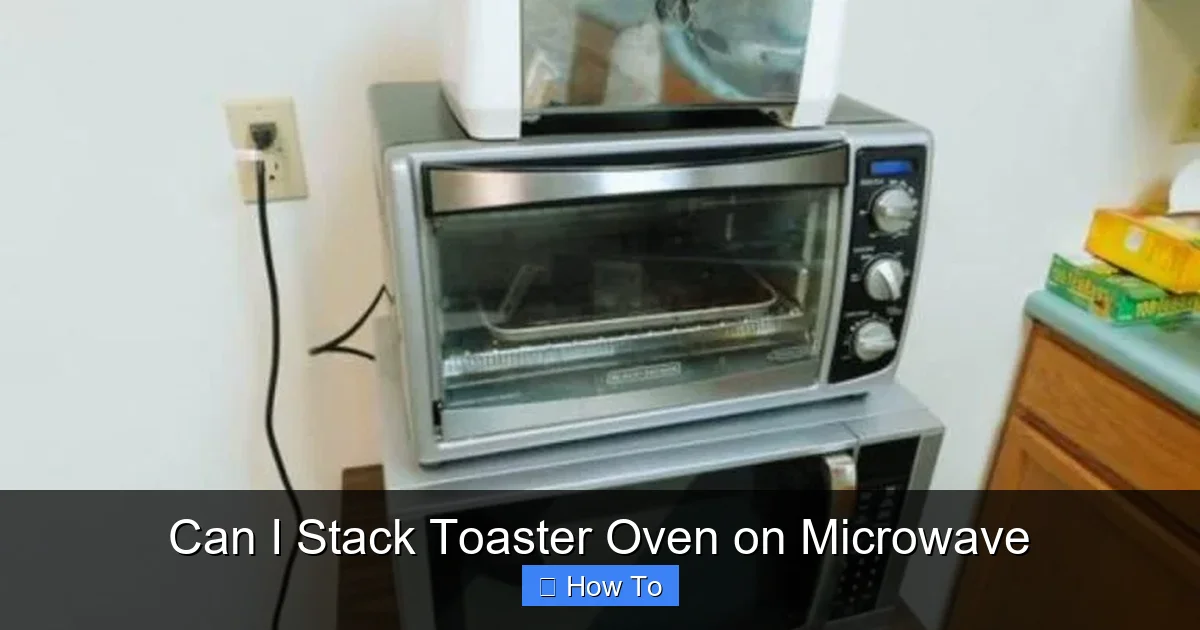
Stacking a toaster oven on a microwave is generally not recommended due to heat buildup, weight concerns, and blocked ventilation. Before attempting any kitchen appliance stacking, understand the safety risks and explore better alternatives for your countertop setup.
Have you ever wondered, Can I Stack Toaster Oven On Microwave? It’s a common question for anyone trying to maximize limited kitchen counter space. Many of us have faced the challenge of fitting multiple appliances on a small countertop, and stacking seems like the most practical solution. But before you place that toaster oven on top of your microwave, there are important safety and functionality factors you need to consider. In this guide, we’ll break down the risks, the science behind heat and weight, and smarter ways to organize your kitchen tools. Whether you’re a renter with no pantry space or simply looking to declutter your counter, understanding the do’s and don’ts can save you from potential hazards and costly repairs.
Is It Safe to Stack a Toaster Oven on a Microwave?
The first thing to evaluate is structural safety. Microwaves are designed to hold food and lightweight containers, not the concentrated weight of a toaster oven. Most microwave tops can support only a few pounds before the surface begins to flex or crack. A typical toaster oven weighs between 10 and 20 pounds, which can easily exceed the manufacturer’s recommended load limit. Over time, this constant pressure can weaken the microwave’s housing, leading to permanent deformation or, in worst-case scenarios, a collapse of the top surface.
Heat radiation is another critical concern. Toaster ovens emit significant infrared heat from their bottom and side panels. When placed directly on a microwave, this heat can trap against the microwave’s vent areas, preventing proper airflow. Microwaves rely on ventilation slots on the top, sides, or rear to dissipate heat generated by the magnetron. Blocking these vents can cause the microwave to overheat, triggering automatic shut-offs or, over time, damaging internal components. Additionally, the toaster oven’s heat can warp the microwave’s plastic control panel or melt nearby countertop materials.
So, Can I Stack Toaster Oven On Microwave safely? The answer depends on several factors we’ll explore. Structural integrity and heat management are the two primary metrics to watch.
Understanding Appliance Heat Output
Toaster ovens operate using heating elements that reach temperatures of 350°F to 450°F or higher. Unlike a full-sized oven, a toaster oven’s heat is concentrated in a small area, focusing directly downward. When positioned on top of a microwave, this downward heat radiation transfers efficiently to the surface below. Microwaves, on the other hand, use microwave radiation to excite water molecules in food; their exterior surfaces are not designed to withstand sustained radiant heat. The combination of these two different heating mechanisms creates a mismatch that can lead to premature appliance aging.
With these factors in mind, many homeowners still wonder, Can I Stack Toaster Oven On Microwave, and whether the risks are worth the reward. Understanding how each appliance manages heat is the first step toward making an informed decision.
Understanding Appliance Heat Output
H3: Toaster Oven Heat Zones
The hottest parts of a toaster oven are the heating elements, the crumb tray, and the door glass. These areas radiate heat in a downward arc, especially when the door is opened. If the toaster oven’s vent is on the bottom, placing it on a microwave directly blocks that airflow, causing the toaster oven to run hotter and less efficiently.
H3: Microwave Ventilation Design
Most countertop microwaves have ventilation openings on the top rear panel. Some models also feature side vents. These openings allow hot air to escape during operation. Placing any appliance on top of the microwave physically obstructs these openings. Even if the microwave seems to function normally at first, prolonged obstruction reduces the magnetron’s lifespan and can cause inconsistent heating performance.
Electrical and Power Safety
Beyond weight and heat, electrical safety plays a vital role in this stacking question. Toaster ovens and microwaves are both high-wattage appliances. A standard toaster oven draws between 800 and 1500 watts, while a microwave typically uses 600 to 1200 watts, depending on the power level. If both appliances are plugged into the same circuit and used simultaneously, you risk tripping the circuit breaker or, worse, causing electrical overheating in the walls.
If you’re weighing options, you might ask, Can I Stack Toaster Oven On Microwave without risking your circuit breaker? The combined wattage often exceeds standard 15-amp circuit limits, especially if other kitchen devices are in use.
H3: Cord Management
Messy cords not only look untidy but also pose tripping and fire hazards. If the toaster oven’s cord runs under the microwave or gets pinched between the two appliances, the insulation can wear thin over time. Always keep cords visible and away from heat sources. Consider using a short, heavy-duty power strip with surge protection if you must plug both devices near each other, but never daisy-chain power cords.
H3: Power Outlet Load
Check your kitchen’s electrical layout. If your counter outlets are on a 15-amp circuit, running a toaster oven and microwave together can easily exceed the 1800-watt limit. Spread the appliances across different circuits when possible, or use dedicated kitchen outlets designed for high-power devices. Never ignore a frequently tripping breaker; it’s a sign that your electrical system is being overloaded.
Better Alternatives for Kitchen Counter Space
If you’re looking to free up counter space without risking safety, several practical alternatives exist. A rolling kitchen cart with shelves can hold both a toaster oven and microwave side-by-side, and the wheels allow you to move them out of the way when not in use. Wall-mounted shelves or overhead pot racks keep appliances off the counter entirely while keeping them within reach. Appliance garages—cabinets with roll-up doors—are another stylish option that hides small appliances behind a clean facade.
For those considering a multi-functional upgrade, you might also explore whether can an air fryer oven replace a microwave is a viable option for your kitchen. This question comes up often when people evaluate whether to keep separate appliances or invest in a single do-it-all unit.
H3: Rolling Carts and Shelving
Look for carts with a weight capacity of at least 50 pounds and locking wheels for stability. Some carts even feature built-in power strips or knife blocks, adding extra functionality. A narrow rolling cart can fit between your refrigerator and counter, maximizing the often-wasted corner space.
H3: Wall-Mounted Options
Floating shelves installed above counter height keep appliances visible but off the work surface. Ensure the shelf is anchored into wall studs and can support the combined weight of both devices. For a seamless look, consider cabinets with bifold doors that conceal appliances when not in use.
What to Do If You Must Stack
In some situations, stacking may seem like the only option, such as in tiny studio apartments or RVs. If you decide to proceed, take these precautionary measures to minimize risk. First, place a heat-resistant silicone mat or ceramic tile between the toaster oven and microwave surface. This simple layer can absorb and distribute heat, protecting the microwave’s finish. Second, never operate both appliances simultaneously. Use the toaster oven for baking or broiling, then wait until it has cooled completely before using the microwave. Third, regularly inspect both appliances for signs of warping, discoloration, or unusual smells, which could indicate heat damage.
H3: Precautionary Measures
Keep a small fire extinguisher rated for electrical fires within reach in your kitchen. Install a smoke detector if you don’t already have one, and test it monthly. These small safety steps can make a significant difference in an emergency.
H3: Monitoring and Maintenance
Wipe down the top of your microwave weekly to remove grease or food debris that may have fallen from the toaster oven. Check the microwave’s ventilation slots monthly to ensure they’re not clogged with dust. If you notice the microwave running hotter than usual or the toaster oven taking longer to brown food, reassess the setup immediately.
Final Verdict and Recommendations
So, Can I Stack Toaster Oven On Microwave? The short answer is: it’s possible but not advisable without serious precautions. The risks of heat damage, structural stress, and electrical overload generally outweigh the convenience of saved counter space. If you have alternative storage options—even if they require a bit more effort—those will always be the safer choice. Your appliances are investments, and treating them with care ensures they last for years of reliable service.
For those set on maximizing kitchen efficiency, I highly recommend exploring the best microwave toaster oven air fryer combo options available today. Checking out our guide on best microwave toaster oven air fryer combo can help you find a model that matches your cooking style and counter dimensions. Additionally, if you’re curious about what a toaster oven can truly handle, our article on what can I use a toaster oven for offers a wealth of recipe ideas and usage tips that might make a standalone unit more appealing.
In summary, while the temptation to stack is understandable, especially in compact living spaces, prioritizing appliance safety and longevity will serve you better in the long run. By understanding the risks and exploring smarter alternatives, you can create a functional, clutter-free kitchen without compromising on performance or safety.
Now, let’s move on to the frequently asked questions.
Key Takeaways
- Point 1: Stacking a toaster oven on a microwave can block the microwave’s ventilation vents, leading to overheating and potential damage.
- Point 2: The weight of a toaster oven may exceed the microwave’s top surface capacity, risking structural failure or tipping.
- Point 3: Heat radiation from the toaster oven can warp microwave plastic components or interfere with electronic controls.
- Point 4: Electrical overload is possible if both appliances share the same circuit and are used simultaneously.
- Point 5: Safer alternatives include rolling carts, wall-mounted shelves, or dedicated appliance garages.
- Point 6: If you must stack, use a sturdy heat-resistant mat and never operate both appliances at the same time.
- Point 7: Always consult the manufacturer’s manual for both devices before rearranging your kitchen layout.
Frequently Asked Questions
Is it safe to stack a toaster oven on a microwave?
It is generally not recommended due to heat buildup, weight concerns, and blocked ventilation, which can damage both appliances over time.
Can the weight of a toaster oven damage a microwave?
Yes, most microwave tops are not designed to support the 10–20 pound weight of a toaster oven, which can lead to structural flexing or collapse.
What happens if I block the microwave’s ventilation slots?
Blocking ventilation can cause the microwave to overheat, trigger automatic shut-offs, and reduce the magnetron’s lifespan over time.
Are there safe alternatives to stacking these appliances?
Yes, rolling kitchen carts, wall-mounted shelves, and appliance garages provide stable, ventilated solutions that keep countertops clear without risking appliance damage.
Should I use a heat-resistant mat if I stack them?
Using a heat-resistant silicone mat or ceramic tile can help absorb and distribute heat, but it does not eliminate all risks related to weight and electrical load.
Can I operate both appliances at the same time if stacked?
No, operating both simultaneously increases heat buildup and electrical overload risk; always use one at a time and allow the top appliance to cool before switching.