Can I Use Aluminum Foil in Oven Toaster
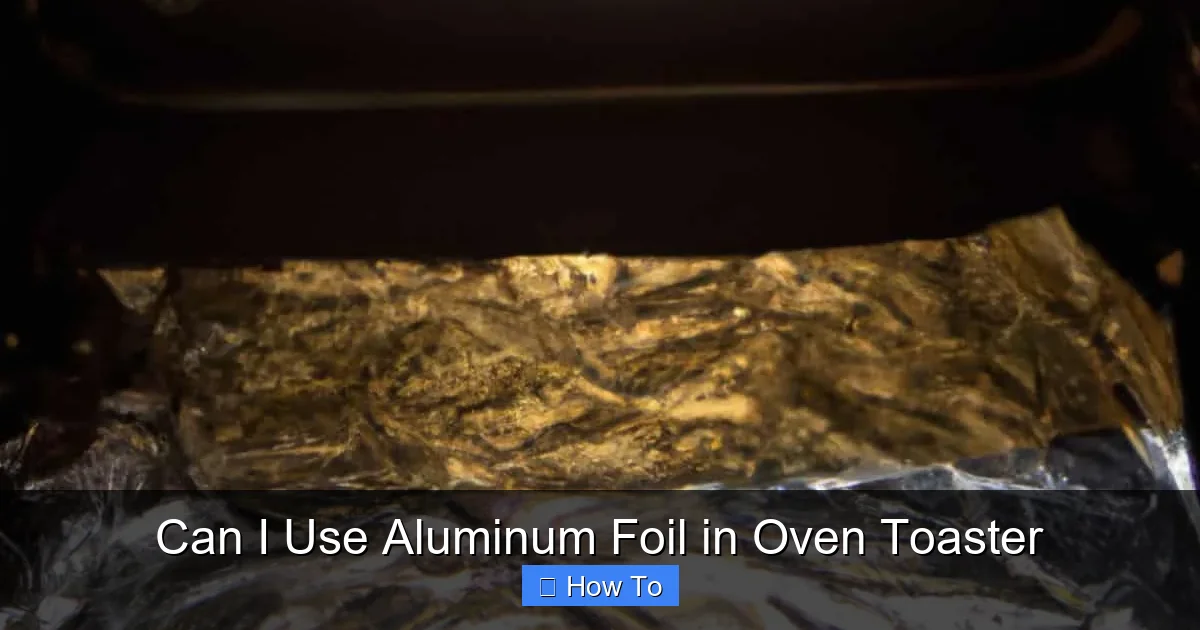
Using aluminum foil in an oven toaster can be safe if you follow key guidelines: keep foil away from heating elements, avoid covering the entire rack, and never use it with acidic foods that may cause leaching. Always consult your appliance manual and consider alternatives like silicone mats or oven‑safe dishes for hassle‑free cooking.
Key Takeaways
- Check the manual: Always review your oven toaster’s user guide before placing foil inside, as some models prohibit its use.
- Avoid direct contact: Keep foil at least an inch away from heating elements to prevent melting, sparking, or fire hazards.
- Don’t cover the whole rack: Loosely tent foil over food rather than sealing the entire tray, allowing proper air circulation.
- Watch for acidic foods: Tomatoes, citrus, or vinegar‑based marinades can react with aluminum, causing off‑flavors and potential leaching.
- Consider alternatives: Silicone baking mats, parchment paper, or oven‑safe glass dishes often provide safer, non‑stick surfaces.
- Clean carefully: Let the appliance cool, then remove any foil residues with a soft cloth to avoid scratching interior surfaces.
- Stay vigilant: Monitor the cooking process the first few times you use foil to catch any unexpected issues early.
📑 Table of Contents
Understanding Your Oven Toaster
When you first bring home an oven toaster, you might wonder about the many accessories you can safely use inside it. One common question that pops up is Can I Use Aluminum Foil in Oven Toaster? The answer isn’t a simple yes or no; it depends on the design of your appliance, the way you place the foil, and what you’re cooking. Most modern oven toasters have exposed heating elements on the top and bottom, and placing foil too close can cause it to overheat, melt, or even ignite. Before you experiment, take a moment to locate the user manual that came with your unit. Manufacturers often include a section on acceptable cookware and accessories, and they may explicitly warn against using foil in certain configurations. If the manual says foil is allowed, it will usually give specific instructions about keeping it away from the heating coils and not covering the entire rack. Ignoring these guidelines can void your warranty or, worse, create a safety hazard in your kitchen.
Another factor to consider is the wattage and size of your oven toaster. Compact models tend to heat up faster and have less interior space, which means foil can quickly come into contact with the heating elements if you’re not careful. Larger countertop ovens with more generous cavities may offer a bit more flexibility, but the same basic rules still apply. Think of the foil as a temporary shield rather than a permanent lining; you want it to protect food from direct heat or to make cleanup easier, not to turn the appliance into a makeshift grill. By understanding the limitations of your specific model, you can make informed decisions that keep both your meals and your kitchen safe.
Finally, remember that oven toasters are designed for quick, convenient cooking—think toast, reheated leftovers, or small baked goods. They aren’t built to handle the same prolonged, high‑heat tasks as a full‑size conventional oven. If you find yourself constantly reaching for foil to manage drips or to create a makeshift pan, it might be worth investing in a small oven‑safe baking dish or a silicone mat that’s rated for the temperatures your toaster reaches. These alternatives often provide better heat distribution and eliminate the risks associated with foil.
The Science Behind Aluminum Foil
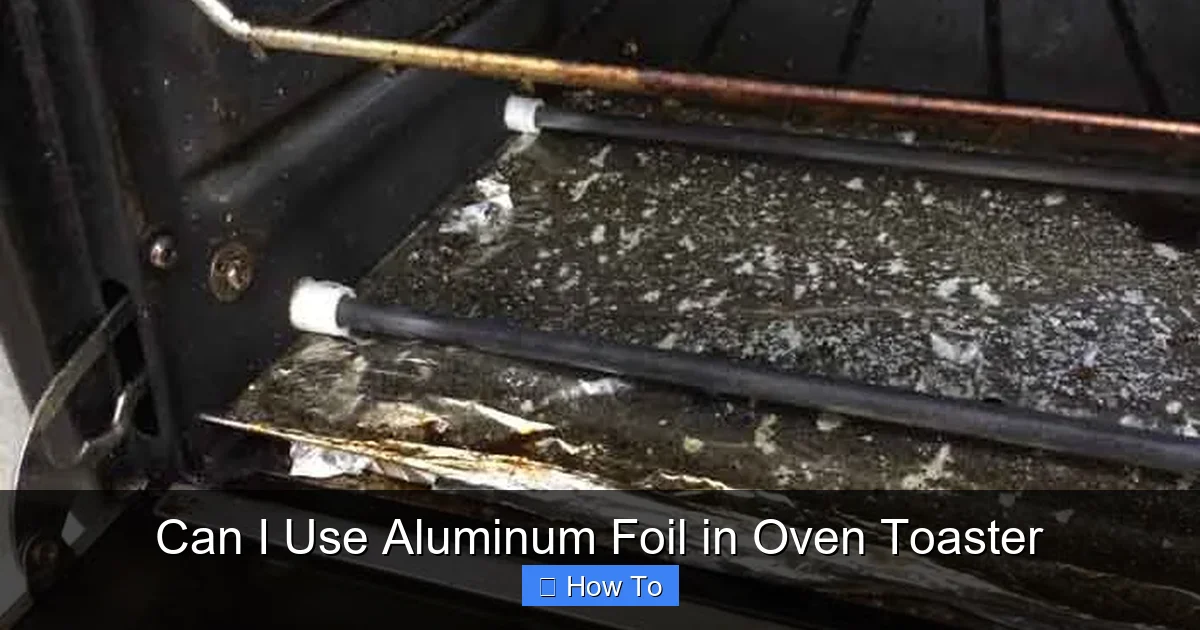
Aluminum foil is essentially a thin sheet of aluminum metal, typically less than 0.2 mm thick. Its primary advantages in the kitchen are its ability to reflect heat, its malleability, and its barrier properties against moisture and odors. When you place foil in an oven toaster, the shiny side reflects radiant heat back toward the food, which can help cook items more evenly if used correctly. However, aluminum is also a good conductor of electricity, which means that if it touches a live heating element, it can create a short circuit or cause sparking. This is why most safety guidelines stress keeping foil at least an inch away from any exposed coils.
Visual guide about Can I Use Aluminum Foil in Oven Toaster
Image source: amysayscook.com
Another scientific aspect to consider is the reaction between aluminum and acidic foods. When foil comes into contact with ingredients like tomato sauce, citrus juice, or vinegar‑based marinades, a small amount of aluminum can leach into the food. While the amount is generally considered safe for occasional consumption, repeated exposure could lead to a metallic taste and, in rare cases, health concerns for individuals with kidney issues. If you’re preparing a dish with high acidity, it’s better to use parchment paper or a glass dish instead of foil.
Lastly, foil’s thickness matters. Heavy‑duty foil is less likely to tear or melt under high heat, but it also retains more heat, which can increase the risk of overheating the appliance if it’s placed too close to the elements. Standard household foil is thinner and more prone to tearing, but it also cools down faster. Knowing which type you have on hand can help you decide how to use it safely.
When It’s Safe to Use Foil
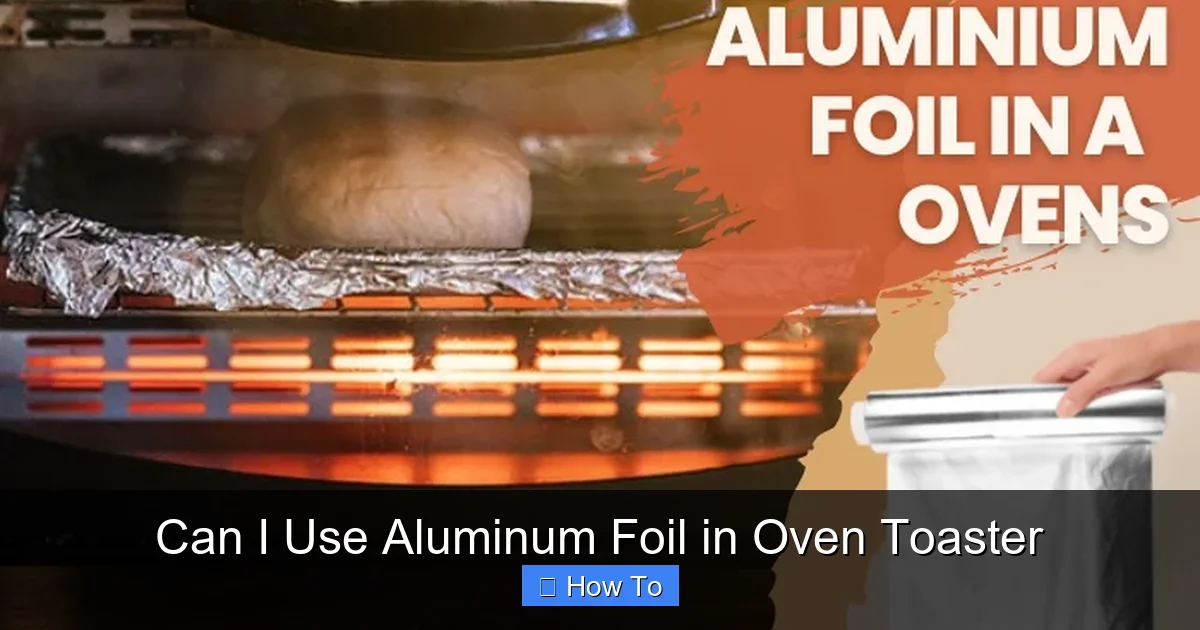
There are several scenarios where using aluminum foil in an oven toaster can be both practical and safe, provided you follow a few simple rules. First, if you’re reheating a slice of pizza or a piece of fried chicken, you can loosely tent a small piece of foil over the top to prevent the cheese or breading from over‑browning. Make sure the foil does not touch the heating elements and that it’s only covering the food, not the entire rack. This method helps retain moisture while still allowing hot air to circulate around the sides.
Visual guide about Can I Use Aluminum Foil in Oven Toaster
Image source: hiroasiankitchen.com
Second, when baking small items like cookies or biscuits, you can line the tray with foil to catch any drips or melted cheese. Again, keep the foil slightly inset from the edges of the tray so that air can flow underneath. If you need to lift the foil to check on progress, use oven mitts and do it quickly to avoid losing heat. Many users find that this approach makes cleanup a breeze without compromising the cooking process.
Third, if you’re cooking a packet of vegetables or a fish fillet with herbs and a drizzle of oil, you can create a loose foil pouch. Place the ingredients in the center of a foil sheet, fold the edges to create a sealed packet, and then place the packet on the toaster tray. Ensure the packet is not crimped too tightly; you want a little steam to escape so pressure doesn’t build up. This technique works well for steaming‑style cooking and keeps the interior of the toaster clean.
In each of these cases, the key is to treat foil as a temporary, loosely fitted cover rather than a sealed lining. Always double‑check that the foil is at least an inch away from the top and bottom heating coils, and never leave the appliance unattended the first time you try a new foil configuration.
Risks and Precautions
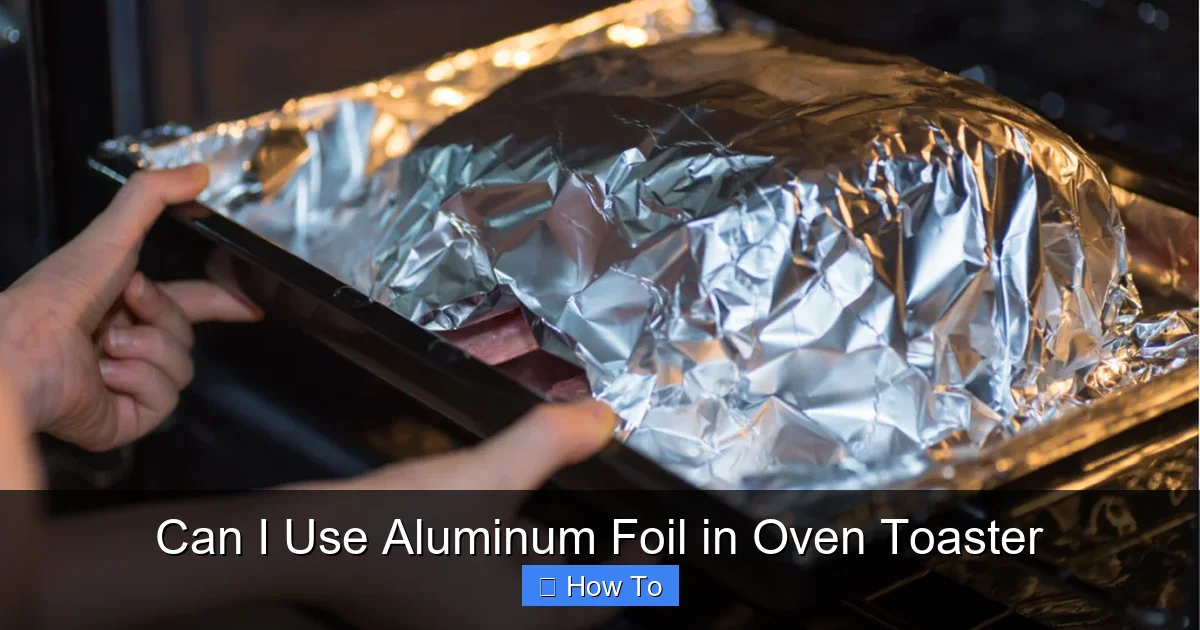
Even when you follow best practices, there are inherent risks associated with using aluminum foil in an oven toaster that you should be aware of. The most immediate danger is fire. If foil comes into direct contact with a heating element, it can heat up to its melting point (around 660 °C or 1220 °F) in a matter of seconds. Once it melts, it can drip onto the element, causing a short circuit or igniting any nearby crumbs or grease. A small spark can quickly turn into a flame, especially in a confined space where oxygen is limited.
Visual guide about Can I Use Aluminum Foil in Oven Toaster
Image source: wideopencountry.com
Another risk is uneven cooking. Foil that is too tightly wrapped or that covers too much of the tray can block the convection currents that many oven toasters rely on for even heat distribution. This can result in hot spots where food burns and cold spots where it remains undercooked. If you notice that one side of your toast is darker than the other, foil placement might be the culprit.
Metal leaching, as mentioned earlier, is a slower but still relevant concern. While the amount of aluminum that transfers to food is typically low, acidic environments increase the rate of leaching. If you frequently cook tomato‑based sauces or citrus‑marinated meats in foil, you might notice a faint metallic aftertaste over time. For those who are particularly sensitive to aluminum or who have certain medical conditions, it’s best to avoid foil altogether for those recipes.
To mitigate these risks, adopt a habit of inspecting the interior of your oven toaster before each use. Look for any stray pieces of foil that may have been left behind from a previous session. Remove them carefully with a pair of tongs or a silicone spatula—never use a metal utensil that could scratch the interior coating. Additionally, keep a small fire extinguisher rated for kitchen fires nearby, just in case.
Practical Tips and Alternatives
If you find yourself reaching for foil often, consider integrating a few practical tips that can reduce your reliance on it while still achieving great results. One useful trick is to pre‑heat your oven toaster for a few minutes before placing food inside. This helps stabilize the temperature and reduces the chance of sudden hot spots that might cause foil to melt. Another tip is to use the lowest effective temperature setting for the task at hand; lower heat means less stress on both the foil and the appliance.
When it comes to alternatives, silicone baking mats are a top choice. They are reusable, non‑stick, and can withstand temperatures up to 250 °C (482 °F), which covers the range of most oven toasters. Simply lay the mat on the tray, place your food on top, and after cooking, let it cool and wipe it clean. Silicone mats also promote even heat distribution, reducing the likelihood of burnt edges.
Parchment paper is another excellent option, especially for items that benefit from a little lift, like cookies or pastries. Unlike foil, parchment is cellulose‑based and won’t react with acidic foods. Just be sure to choose a parchment rated for at least 220 °C (428 °F) to avoid scorching. For dishes that need a bit more structure, such as a small casserole or a lasagna slice, consider using an oven‑safe glass or ceramic dish that fits comfortably inside your toaster. These dishes eliminate the need for any lining and provide excellent heat retention.
Finally, if you’re using foil primarily to catch drips, try placing a small, shallow metal or silicone tray on the rack below your food. This “drip tray” can be removed and washed separately, keeping the main cooking surface clean without exposing foil to direct heat.
Cleaning and Maintenance After Using Foil
After you’ve finished cooking with foil, proper cleaning is essential to maintain the performance and longevity of your oven toaster. First, allow the appliance to cool completely—this usually takes at least 15‑20 minutes, depending on the model and the cooking temperature. Attempting to wipe down a hot interior can warp surfaces or cause burns.
Once cool, gently lift any remaining foil pieces with a pair of silicone‑tipped tongs. If the foil has stuck to the tray or the interior walls, avoid using abrasive scrubbers or steel wool, as they can damage the non‑stick coating. Instead, dampen a soft cloth with warm, mild‑soapy water and wipe the area in a circular motion. For stubborn residue, a paste of baking soda and water applied for a few minutes can help lift the foil without scratching.
Pay special attention to the heating elements. If any foil fragments have melted onto the coils, do not attempt to scrape them off with a sharp object. Instead, use a soft brush (like a clean toothbrush) to dislodge loose particles, then vacuum the interior with a handheld vacuum equipped with a brush attachment. Never spray liquids directly onto the heating elements; if moisture is needed, apply it to a cloth first.
Finally, give the exterior a quick wipe down with a damp cloth to remove any splatters or fingerprints. Check the door seal for any debris that might affect closure, and ensure the crumb tray is empty and clean. Performing this routine after each foil use will keep your oven toaster running smoothly and reduce the risk of future issues.
Conclusion
So, can you use aluminum foil in an oven toaster? The answer is a qualified yes—provided you respect the appliance’s design, keep foil away from heating elements, avoid sealing the entire rack, and steer clear of highly acidic foods when possible. By following the safety tips outlined above, you can enjoy the convenience foil offers for reheating, tenting, and easy cleanup without compromising safety or food quality. Remember that alternatives like silicone mats, parchment paper, and oven‑safe dishes often provide comparable benefits with fewer risks. Whenever you’re unsure, consult your user manual, start with a low‑temperature test, and monitor the cooking process closely. With a little care, your oven toaster can remain a reliable kitchen companion for years to come.
Frequently Asked Questions
Is it safe to cover the entire rack with aluminum foil in an oven toaster?
No, covering the entire rack blocks airflow and can cause the foil to overheat, melt, or even spark against the heating elements. Always leave at least an inch of space around the edges and keep the foil loosely tented over food only.
Can I use aluminum foil with acidic foods like tomato sauce in my oven toaster?
It’s best to avoid direct contact between foil and acidic ingredients, as the acid can leach aluminum into the food, causing a metallic taste. Use parchment paper, silicone mats, or an oven‑safe glass dish instead for tomato‑based recipes.
What should I do if I accidentally melt foil onto the heating elements?
Turn off and unplug the appliance, let it cool completely, then gently brush away loose particles with a soft brush. Never use sharp objects or liquids directly on the coils; if residue remains, consult the manufacturer or a professional technician.
Are there any specific oven toaster models that prohibit the use of foil?
Some compact or older models explicitly warn against foil use in their manuals due to limited interior space and proximity of heating elements. Always check your user manual before placing foil inside any oven toaster.
Can I reuse aluminum foil after cooking in the oven toaster?
Reusing foil is not recommended because it may have absorbed oils, food particles, or microscopic tears that could affect safety and performance. For best results, use a fresh piece each time you cook.
What are the best alternatives to foil for easy cleanup in an oven toaster?
Silicone baking mats, parchment paper rated for at least 220 °C, and small oven‑safe glass or ceramic dishes are excellent alternatives. They provide non‑stick surfaces, resist acidic foods, and can be washed and reused many times.