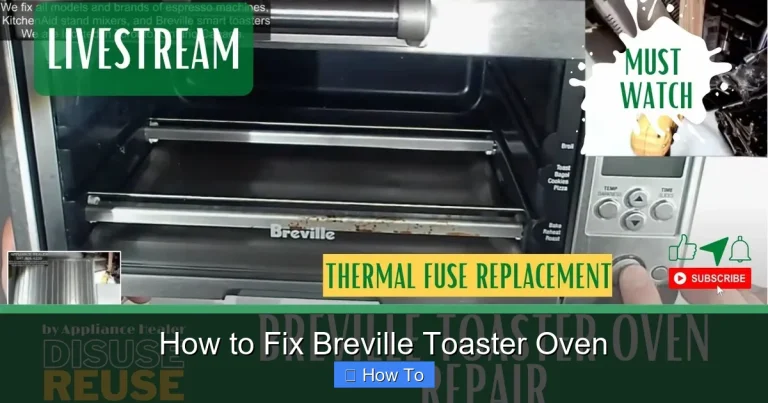
Can U Use Oven Cleaner on Air Fryer
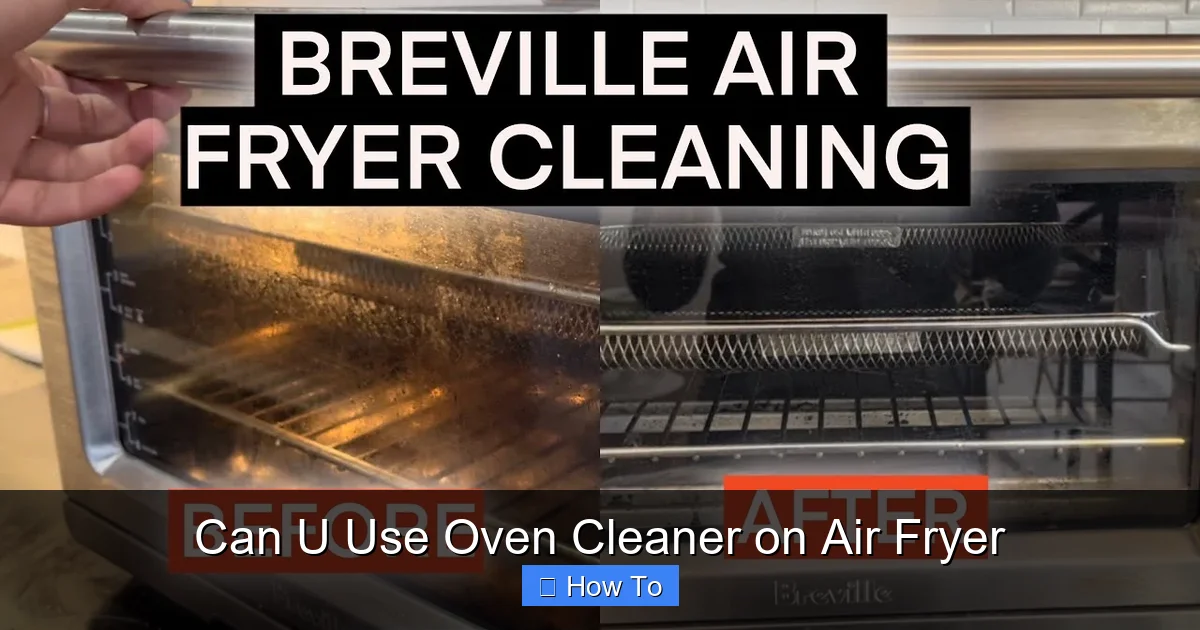
While oven cleaner can effectively clean traditional ovens, it’s not recommended for air fryers due to potential damage to non-stick coatings and heating elements. The harsh chemicals in oven cleaners can leave residue that may affect food safety and appliance performance. Instead, use mild dish soap, baking soda, or vinegar for safe and effective cleaning that preserves your air fryer’s quality and extends its lifespan.
Let me paint a picture for you. You’ve just made the most delicious crispy chicken wings in your air fryer. Everyone loved them. But now you’re staring at the greasy basket and wondering, “Can u use oven cleaner on air fryer to get this sparkling clean?”
I totally get it. Oven cleaner works miracles on your regular oven, so it should work on your air fryer too, right? Well, not exactly. Let me walk you through everything you need to know to keep your air fryer clean without causing any damage.
Key Takeaways
- Skip the oven cleaner: The harsh chemicals in oven cleaners can damage your air fryer’s non-stick coating and heating elements, potentially voiding your warranty.
- Go gentle instead: Warm soapy water, a soft sponge, and elbow grease are often all you need for regular air fryer cleaning.
- Baking soda is your friend: A paste made from baking soda and water works wonders on stubborn grease without damaging surfaces.
- Safety first: Always unplug your air fryer and let it cool completely before cleaning, regardless of the method you choose.
- Prevention beats deep cleaning: Using parchment liners and wiping down your appliance after each use minimizes buildup and keeps maintenance simple.
- Check your manual: Your manufacturer’s guidelines always take precedence over any advice you find online.
- Know when to deep clean: Monthly deep cleaning sessions using safe methods will keep your air fryer performing at its best without causing damage.
📑 Table of Contents
Understanding Your Air Fryer’s Construction
Before we dive into cleaning methods, it helps to understand what you’re actually cleaning. Your air fryer isn’t just a simple appliance. It’s made up of several components that each require different care approaches.
The main cooking chamber is typically lined with a non-stick coating. This coating is what makes cooking and cleaning easier. It prevents food from sticking and allows grease to slide off more easily. However, this coating is also quite sensitive to harsh chemicals and abrasive materials.
The heating element sits at the top of the unit. This element generates the intense heat that cooks your food quickly and evenly. While it seems sturdy, residue buildup from cleaning products can affect its performance over time.
The basket and tray are removable for a reason. Manufacturers designed these parts to be taken out and cleaned separately. This design allows you to clean them more thoroughly without risking damage to the main unit.
Most air fryers also have a removable drip tray or grease collector at the bottom. This component catches excess oil and grease during cooking. It needs regular emptying and cleaning to prevent smoke and odors.
Understanding these components helps you appreciate why certain cleaning products might not be suitable. If you’re new to air fryers, check out this guide on using air fryer ovens for beginners to learn more about your appliance.
What Makes Air Fryer Surfaces Different from Regular Ovens
You might wonder why oven cleaner works on your traditional oven but not on your air fryer. The answer lies in the materials used.
Regular ovens often have porcelain enamel interiors that can withstand stronger cleaning chemicals. Some newer ovens even have self-cleaning cycles that rely on these durable surfaces.
Air fryers, on the other hand, typically use lighter materials designed for compact, efficient cooking. The non-stick coating is similar to what you’d find on a frying pan. This coating provides convenience but requires gentler care.
The size difference matters too. Air fryers are much smaller than traditional ovens. This means the cooking chamber and heating elements are closer together. Any residue from cleaning products has a shorter distance to travel before coming into contact with heating components.
The compact design also means ventilation is different. Air fryers rely on rapid air circulation for cooking. This same circulation could spread cleaning product fumes more quickly than in a traditional oven setting.
The Real Answer: Can You Use Oven Cleaner on Air Fryer
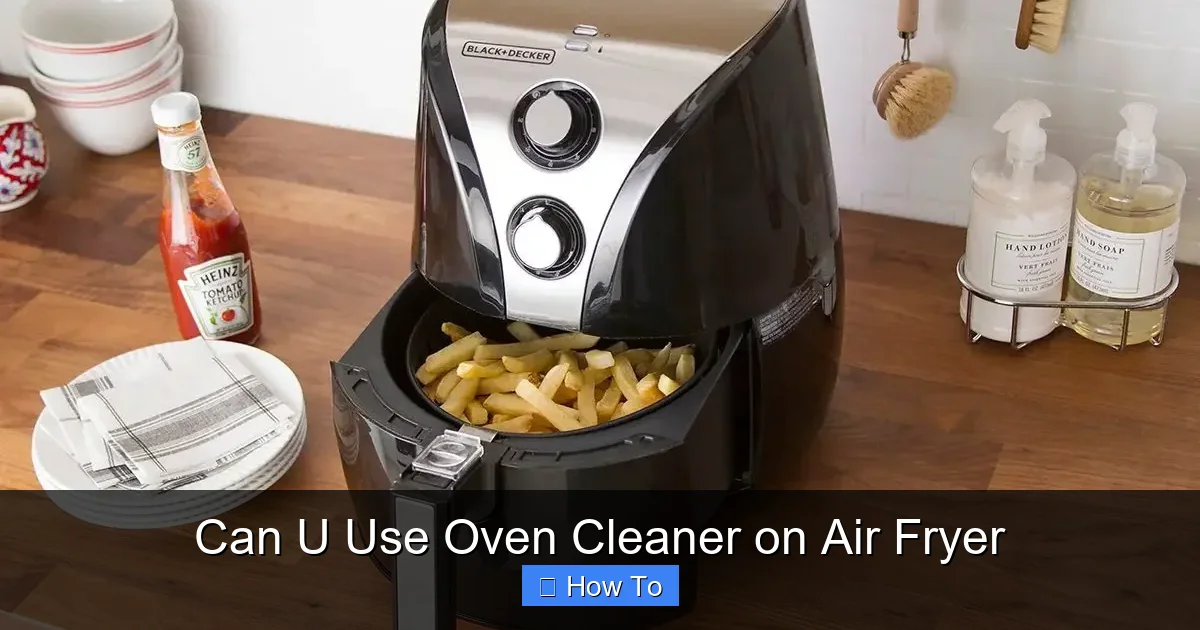
Visual guide about Can U Use Oven Cleaner on Air Fryer
Image source: chefiit.com
Let’s get straight to the point. No, you should not use oven cleaner on your air fryer. While it might seem like a logical choice given the similar cooking functions, oven cleaners pose several serious risks to your appliance.
Oven cleaners are formulated to cut through baked-on grease and carbon buildup in traditional ovens. They’re designed to handle tough, caked-on residue. Your air fryer doesn’t typically develop this kind of buildup because of the rapid air circulation and shorter cooking times.
The main concerns with using oven cleaner on air fryers involve chemical damage and safety hazards.
Chemical Ingredients That Cause Problems
Most oven cleaners contain a cocktail of powerful chemicals designed to dissolve tough residue. Understanding these ingredients helps you see why they’re problematic for air fryers.
Sodium hydroxide, also known as lye or caustic soda, is a common ingredient. This highly alkaline substance effectively breaks down grease and carbon deposits. However, it can also damage non-stick coatings on air fryer baskets. Even small amounts remaining after rinsing can compromise the coating’s effectiveness.
Many oven cleaners also contain glycol ethers or other solvents. These chemicals help lift and dissolve stubborn residue. But they can also degrade plastic components and rubber seals in your air fryer. Over time, this damage can lead to leaks, malfunctions, or safety issues.
Some products include citrus-based solvents for a more natural approach. While gentler than chemical alternatives, these still aren’t ideal for air fryer interiors. The essential oils can leave residues that affect food taste and appliance performance.
Ammonia is another common ingredient in many oven cleaners. While effective at cutting grease, ammonia fumes can be harmful when circulated by your air fryer’s fan. Even trace amounts could affect the taste of your food during subsequent cooking sessions.
Risks to Non-Stick Coating and Heating Elements
The non-stick coating on your air fryer basket is one of its most valuable features. It allows food to cook evenly and makes cleanup much easier. Oven cleaners can strip this coating faster than normal wear and tear.
When the non-stick coating degrades, food starts sticking more. You might find yourself using more oil to compensate. Eventually, the coating may chip or flake off entirely. At this point, you’ll need to replace the basket, which can be expensive.
The heating element is another critical component at risk. Oven cleaner residue that isn’t completely rinsed away can bake onto the element during use. This buildup reduces heating efficiency and can create hot spots. In extreme cases, it might even produce unpleasant odors or smoke.
If you’re looking for safe cleaning alternatives, this article on what to use to clean air fryer oven offers excellent practical advice.
Safety Concerns You Should Know About
Beyond potential damage to your appliance, there are personal safety considerations when using oven cleaner on air fryers.
First, consider the enclosed space. Oven cleaners work best when surfaces are covered and left to dwell. But air fryers have small, enclosed cooking chambers. Achieving proper ventilation during the dwell time is nearly impossible.
The risk of chemical residue is higher in a small space. Even if you rinse multiple times, traces of cleaner might remain in crevices or around seals. When you next use your air fryer, heat could activate any remaining residue.
Fumes are another concern. Oven cleaner fumes can be toxic if inhaled. The fan in your air fryer circulates air continuously. If any cleaner is still present, those fumes would be distributed throughout your food during cooking.
Safe and Effective Cleaning Methods for Air Fryers

Visual guide about Can U Use Oven Cleaner on Air Fryer
Image source: i.ytimg.com
Now that we’ve established what not to do, let’s focus on what actually works. Cleaning your air fryer doesn’t require harsh chemicals. Simple, gentle methods often work just as well.
The Basic Soap and Water Method
For most cleaning sessions, warm water and mild dish soap are all you need. This approach is safe, effective, and won’t damage any components.
Start by unplugging your air fryer and letting it cool completely. Remove the basket, tray, and any other removable parts. Fill your sink or a large basin with warm water and add a few drops of dish soap.
Place the removable parts in the soapy water and let them soak for ten to fifteen minutes. This loosens any grease or food particles. After soaking, use a soft sponge or non-abrasive brush to clean each piece thoroughly.
Rinse everything with clean water until all soap residue is gone. Dry the parts completely with a clean towel before reassembling your air fryer. Any moisture left inside could affect performance or create steam during future use.
For the main unit, wipe the interior with a damp cloth dipped in the same soapy water. wring out excess water before wiping to prevent liquid from entering electrical components. A soft brush can help reach corners and crevices.
Baking Soda Paste for Stubborn Residue
Sometimes, regular soap and water aren’t enough. If you’ve been making breaded foods or cooking with lots of oil, you might encounter stuck-on residue. Baking soda comes to the rescue in these situations.
Create a paste by mixing three parts baking soda with one part water. Stir until you have a smooth, spreadable consistency. Apply this paste to any stubborn spots on the basket or tray. Let it sit for fifteen to twenty minutes.
The baking soda will start breaking down the residue during this time. You might notice the paste changing color as it works. This is completely normal and shows the cleaning action is happening.
After the dwell time, use a soft brush or sponge to scrub gently. The paste should lift the residue without scratching or damaging surfaces. For really tough spots, you might need to repeat the process.
Rinse everything thoroughly with clean water. Baking soda is safe and leaves no harmful residue. Dry all parts completely before using your air fryer again.
Vinegar Solution for Deep Cleaning
White vinegar is another excellent natural cleaning agent. It helps dissolve mineral deposits, remove odors, and cut through light grease buildup.
Create a solution of equal parts white vinegar and water. For stronger cleaning power, you can use undiluted vinegar, but the diluted version is usually sufficient for regular maintenance.
Spray or wipe this solution onto the basket and tray. Let it sit for about ten minutes. The mild acidity of vinegar works to break down any lingering grease or residue.
Wipe clean with a soft cloth or sponge. For textured surfaces or wire baskets, a soft brush can help reach all the nooks and crannies. Rinse thoroughly with clean water afterward.
The vinegar smell will dissipate quickly as the parts dry. If any scent remains, a quick wipe with plain water should eliminate it.
Commercial Cleaners Designed for Air Fryers
If you prefer commercial products, look for cleaners specifically designed for air fryers or kitchen appliances with non-stick coatings. These products are formulated to be gentle yet effective.
Read the label carefully before purchasing. Avoid any products that contain harsh chemicals, ammonia, or abrasives. The best options are typically plant-based or biodegradable formulas.
Always follow the manufacturer’s instructions when using any commercial cleaner. Test on a small, inconspicuous area first if you’re uncertain about compatibility. When in doubt, stick with the simple soap and water method.
You might also find cleaning wipes designed for kitchen appliances. These can be convenient for quick cleanups between deep cleaning sessions.
Best Practices for Regular Air Fryer Maintenance
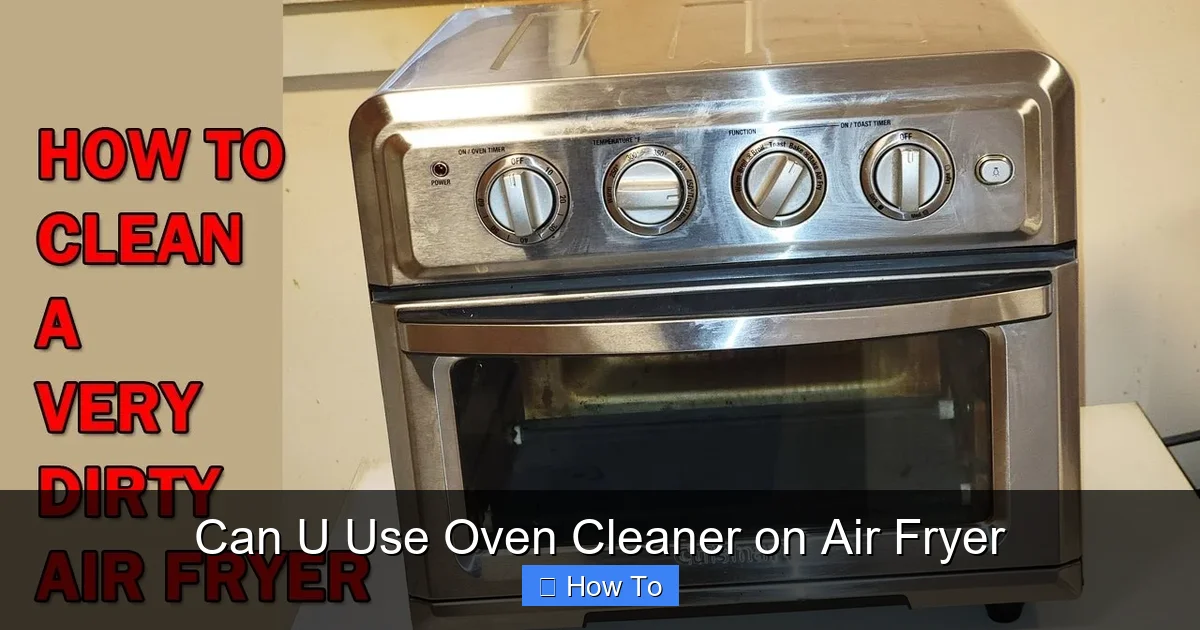
Visual guide about Can U Use Oven Cleaner on Air Fryer
Image source: i.ytimg.com
Prevention is always better than cure. Establishing good maintenance habits keeps your air fryer clean and performing at its best. You won’t need to worry about deep cleaning as often if you take care of your appliance regularly.
After Every Use Cleaning Routine
Get into the habit of cleaning your air fryer after each use. This takes just a few minutes but prevents buildup from becoming a major problem.
Allow the air fryer to cool completely after cooking. Remove the basket and tray while the unit is still slightly warm. This makes residue easier to remove since grease hasn’t had time to harden.
Wipe down the basket with a paper towel to remove loose grease and food particles. If anything is stuck on, a quick soak in warm soapy water takes care of it. Don’t let dirty baskets sit for days before cleaning. The longer you wait, the harder cleanup becomes.
Wipe the interior of the cooking chamber with a damp cloth. Check around the heating element for any debris that might have fallen. Use a soft brush to gently remove anything you find.
Inspect the drip tray or grease collector and empty it after each use. Give it a quick rinse or wipe before putting it back.
Weekly and Monthly Maintenance Tasks
Beyond daily cleanup, schedule deeper maintenance periodically. How often depends on how frequently you use your air fryer.
Weekly, do a more thorough inspection and cleaning. Remove and wash all removable parts. Wipe down the interior more carefully, checking for any buildup around the heating element.
Monthly, consider doing a deeper clean with baking soda or vinegar. This removes any buildup that regular cleaning might have missed. Check all seals and gaskets for any signs of wear or damage.
Every few months, inspect the power cord and exterior for any damage. Make sure the appliance is sitting on a stable, level surface. Check that all vents are clear and unobstructed.
If you use your air fryer heavily, you might need to deep clean more frequently. Cooking greasy foods regularly means more maintenance is necessary. Adjust your schedule based on your actual usage patterns.
Preventive Tips to Minimize Cleaning Difficulty
A few simple habits can significantly reduce how often and how intensively you need to clean your air fryer.
Use parchment paper liners in the basket. These disposable liners catch drips and prevent direct contact with the basket surface. They’re especially helpful when cooking breaded foods or items that tend to crumble.
Avoid cooking extremely greasy foods when possible. While air fryers excel at making crispy foods, very oily dishes create more cleanup. If you do cook greasy items, consider placing a small dish in the basket to catch excess oil.
Don’t overfill the basket. Crowding the basket means oil and grease get pushed up onto the sides and heating element. Cooking in batches ensures better air circulation and easier cleanup.
Shake or flip foods halfway through cooking. This prevents sauces and coatings from pooling in one area. It also ensures more even cooking and reduces the chance of stuck-on food.
Wipe the basket between cooking different items during extended cooking sessions. If you’re making multiple batches, a quick wipe prevents residue from baking on during subsequent uses.
When to Replace Parts and Seek Professional Help
Sometimes cleaning isn’t enough. Knowing when to replace parts keeps your air fryer safe and efficient.
Signs It’s Time for New Parts
Inspect your removable parts regularly for signs of wear. If the non-stick coating is flaking or chipping, it’s time for a replacement. Continued use with damaged coating can contaminate your food.
Deep scratches that expose bare metal underneath the coating also indicate replacement is needed. These scratches not only affect food release but can also harbor bacteria.
If cleaning no longer restores the basket’s appearance, replacement might be necessary. A well-maintained basket should look clean and smooth after proper washing.
Check rubber seals and gaskets for cracking, hardening, or deformation. Damaged seals can allow smoke and grease to escape during cooking. They might also affect the air fryer’s ability to maintain proper cooking temperatures.
When to Contact the Manufacturer
If your air fryer isn’t working properly, don’t attempt repairs yourself. Contact the manufacturer or an authorized repair service.
Strange noises, uneven heating, or smoke when no food is present are all warning signs. These issues could indicate electrical problems or component failure. Continuing to use a malfunctioning appliance is unsafe.
If you’ve accidentally used inappropriate cleaning products, contact the manufacturer. They can advise whether rinsing was sufficient or if damage has occurred. Keeping the product bottle or label helps them provide accurate guidance.
Most manufacturers have customer service lines or online support. They can answer specific questions about your model and recommend appropriate cleaning products. Check your warranty information to understand what repairs or replacements might be covered.
Conclusion
So, can u use oven cleaner on air fryer? The answer is a definitive no. While it might seem efficient, the risks far outweigh any potential benefits. Oven cleaners contain harsh chemicals that can damage your air fryer’s non-stick coating, heating elements, and plastic components. Safety concerns make this choice even less appealing.
The good news is that keeping your air fryer clean is simple. Warm soapy water, baking soda paste, and vinegar solutions work beautifully for everything from daily maintenance to deep cleaning. These gentle methods preserve your appliance’s quality while effectively removing grease and residue.
Remember to clean after each use, perform deeper maintenance monthly, and follow preventive tips to minimize buildup. Your air fryer will reward you with years of delicious, crispy cooking when you treat it with proper care.
Taking a few minutes after each cooking session prevents major cleaning projects later. Your air fryer is an investment worth protecting. Choose safe cleaning methods and enjoy perfectly cooked meals without worrying about damaging your favorite kitchen appliance.
Frequently Asked Questions
Can I use oven cleaner on the removable basket of my air fryer?
No, you should avoid using oven cleaner on any part of your air fryer, including the removable basket. The harsh chemicals can damage the non-stick coating and leave residue that could contaminate your food during future cooking sessions.
What happens if oven cleaner residue stays on my air fryer?
Any remaining oven cleaner residue can bake onto heating elements during use, creating harmful fumes and affecting food safety. It can also continue degrading the non-stick coating and plastic components over time, potentially voiding your warranty.
How often should I deep clean my air fryer?
For most households, a monthly deep cleaning is sufficient if you clean the removable parts after each use. If you cook greasy foods frequently, you might want to deep clean every two to three weeks to prevent buildup.
Can I put my air fryer basket in the dishwasher?
It depends on your specific model. Some air fryer baskets are dishwasher safe, while others should only be hand washed. Check your owner’s manual to be certain, as dishwashing can sometimes damage non-stick coatings faster than hand washing.
Is baking soda safe to use on air fryer non-stick surfaces?
Yes, baking soda is safe and effective for cleaning non-stick surfaces. Unlike harsh chemicals, it gently removes residue without damaging the coating. A paste of baking soda and water works well for stubborn spots.
What should I do if I accidentally used oven cleaner on my air fryer?
If you’ve used oven cleaner, unplug the appliance immediately and remove all removable parts. Wash everything multiple times with warm soapy water, rinse thoroughly, and dry completely. Let the unit air out for several hours before using it again. Contact the manufacturer if you’re concerned about any damage.