Can You Put Tinfoil in the Toaster Oven
Putting tinfoil in a toaster oven can be dangerous if it touches the heating elements, but with careful handling and by using small pieces you can reduce the risk. It’s safer to use parchment paper or a silicone mat, and you should always check your oven’s manual for specific instructions.
When you are trying to get a quick meal, it is natural to reach for whatever is handy. Many people wonder, Can You Put Tinfoil In The Toaster Oven? The answer is not a simple yes or no, because using foil involves both benefits and risks. In this guide we will look at why foil can be dangerous, when it might be okay, and how to use it safely if you decide to try.
Key Takeaways
- Heat reflection: Tinfoil reflects heat, which can cause uneven cooking.
- Fire hazard: If foil contacts the heating coils, it may spark or catch fire.
- Use small pieces: Limit foil to small wraps, never cover the entire rack.
- Place on a tray: Always put foil on a baking sheet, not directly on the oven floor.
- Consider alternatives: Parchment paper, silicone mats, or aluminum pans are safer.
- Check manual: Read your toaster oven’s guidelines before using any metal.
📑 Table of Contents
Why Tinfoil Can Be Risky
Heat Reflection
Tinfoil is a thin sheet of aluminum that reflects heat. When you place it inside a toaster oven, the heat that should warm your food can bounce off the foil and hit the walls of the appliance. This reflection can cause hot spots and make your cooking uneven.
Fire Hazard
The heating coils in a toaster oven are usually exposed. If the foil touches these coils, it can create a short circuit or even spark. A small spark can quickly turn into a fire, especially if the oven is not well ventilated. This is the main reason many manuals warn against using any metal inside the unit.
Damage to the Oven
Beyond fire, foil can scratch the non‑stick coating on the oven floor or the heating element. Once the coating is damaged, the oven may rust or lose its ability to heat evenly. Repairing a toaster oven can be costly, so it is best to avoid putting anything that could harm it.
Impact on Thermostat
Repeated use of foil can also affect the thermostat. The reflected heat may cause the oven to think it is hotter than it actually is, leading to overcooking or shut‑down cycles. Over time, this can wear out the internal components and shorten the lifespan of the appliance.
Potential for Arcing
If the foil comes close to the electrical terminals, a small arc can form. This arcing not only creates a fire hazard but can also damage the circuitry, requiring costly repairs or even replacement of the toaster oven.
Long‑term Damage
Repeated exposure to foil can cause the oven’s interior to become pitted or scratched. These imperfections can trap food particles and bacteria, making cleaning more difficult. Over months, the damage may weaken the metal structure and lead to premature failure.
Possible Smoke Production
When foil gets too close to the heating coil, it can begin to smoke. The smoke not only affects the taste of your food but can also set off smoke detectors and create a nuisance in your kitchen. It is a clear sign that the foil is too hot.
When It Might Be Safe
Use Small Pieces
If you only need to cover a small portion of food, a tiny square of foil can be used. The key is to keep the piece small enough that it cannot touch the heating coils. A piece about the size of a postcard is usually safe.
Place on a Baking Sheet
Instead of putting foil directly on the oven rack, place it on a sturdy baking sheet. The sheet acts as a barrier between the foil and the heating element. This simple trick reduces the chance of a spark and helps the foil stay in place.
Avoid Direct Contact
Even with a baking sheet, make sure the foil does not drape over the edges where it could touch the sides of the oven. Keep the foil flat and centered on the sheet. This positioning minimizes the risk of accidental contact.
Using a Double Layer
Double‑layering foil can provide extra protection. By folding the foil twice, you create a thicker barrier that is less likely to tear or touch the heating element. However, even a double layer should still be placed on a baking sheet.
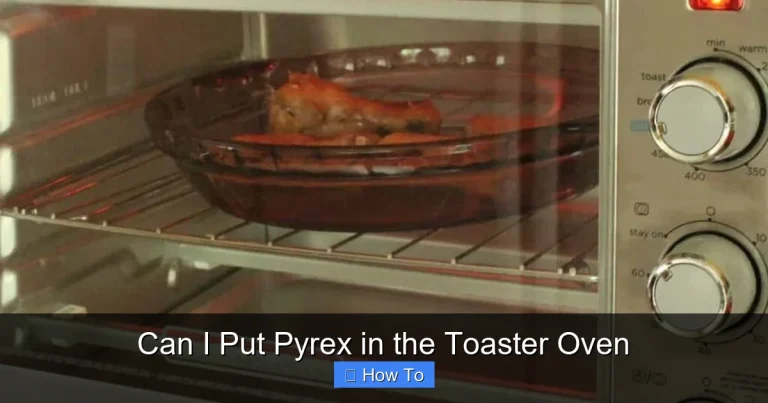
Combining with Glass Dish
Placing a glass or ceramic dish inside the oven and then covering it with foil is another safe method. The dish absorbs the direct heat, while the foil acts as a lid, preventing splatters without contacting the coils.
Using Foil with a Lid
If you have a heat‑resistant lid, you can place foil underneath it to catch drips. The lid shields the foil from direct contact with the heating element, allowing you to use foil in a safer manner. Make sure the lid fits snugly.
Foil on a Wire Rack
Some toaster ovens come with a wire rack that sits above the heating element. If you place a small piece of foil on the rack, it may not touch the coils. However, the rack can still conduct heat, so the foil may become hot and should be handled with care.
Using Foil with a Pan
Another safe approach is to place a metal pan on the rack and then line it with foil. The pan provides a stable base, while the foil prevents sticking. As long as the pan does not touch the heating element, this method can be effective.
Best Practices for Using Foil
Preheat the Oven
Preheating helps the oven reach a stable temperature. When the oven is already hot, the foil is less likely to warp and touch the coils. It also ensures that your food cooks evenly.
Do Not Cover the Entire Rack
Covering the whole rack with foil can block airflow and cause the oven to overheat. Use foil only where you need it, such as under a piece of fish or to wrap a small portion of vegetables.
Monitor Closely
Never leave a toaster oven unattended when foil is inside. If you notice any smoke, smell burning, or see sparks, turn off the oven immediately and remove the foil. Quick action can prevent a larger incident.
Use Low Heat
When you do use foil, set the oven to a lower temperature, such as 300°F (150°C). Lower heat reduces the chance of the foil warping and makes it safer to keep the piece small. Always preheat the oven, then reduce the temperature once the foil is inside.
Avoid Wrapping Tight
Wrapping food too tightly in foil can cause the foil to pull away from the food and touch the oven walls. Leave a little space around the item so the foil can expand slightly without making contact.
Check for Wear
Before each use, inspect the foil for any tears or thin spots. A small hole can become a larger opening that allows heat to escape and potentially touch the heating element. Replace any damaged foil immediately.
Use a Thermometer
Before placing food inside, use an oven thermometer to verify the temperature. This ensures the oven is at the correct setting and reduces the risk of overheating the foil. Accurate temperature control is key to safe foil use.
Avoid High Humidity
High humidity levels can cause foil to corrode more quickly. If you are cooking in a humid environment, consider using a dehumidifier or cooking at a lower temperature to minimize moisture interaction with the metal.
Use Oven Mitts
When removing foil from the oven, always use oven mitts or a thick towel. The foil can become very hot and may cause burns if handled directly. Giving it a few minutes to cool also makes removal safer.
Safer Alternatives
Parchment Paper
Parchment paper is heat‑resistant and does not conduct electricity. It can be used to line a baking sheet or to wrap food, providing a non‑stick surface without the risks of metal.
Silicone Baking Mats
Silicone mats are reusable, easy to clean, and can withstand high temperatures. They are ideal for foods that might stick, such as cookies or roasted vegetables.
Aluminum Pans
Pre‑formed aluminum pans are designed for oven use. They distribute heat evenly and are less likely to shift or touch the heating elements. If you need a metal container, these pans are a safer choice than loose foil.
Aluminum Foil vs. Stainless Steel
Stainless steel is another metal that can be used in a toaster oven, but it is heavier and less flexible than foil. It does not spark as easily and can be reused many times. However, it is more expensive and may not fit in smaller ovens.
Reusable Silicone Lids
Silicone lids are another option for covering dishes. They are heat‑resistant, dishwasher‑safe, and can be used repeatedly. They provide a seal similar to foil but without the risk of sparking.
Paper Towels for Light Use
For very light tasks, such as covering a small bowl, a paper towel can be used. It will not conduct heat and can be disposed of after use. However, it is not suitable for high‑temperature cooking and should never be left unattended.
Cooking Spray for Non‑Stick Needs
A light spray of cooking oil or non‑stick spray can prevent food from sticking without any metal. This method works well for baked goods and roasted vegetables, and it eliminates the need for foil altogether.
Common Mistakes and How to Avoid Them
Using Too Much Foil
One of the most common errors is covering a large area with foil. Even if you think it is safe, a big sheet can easily touch the sides or the heating element. A good rule is to use only as much foil as you need to wrap or cover the food, and keep it small.
Ignoring the User Manual
Every toaster oven is a little different. Some models have a warning against any metal, while others allow small pieces. If you skip reading the manual, you might miss important safety notes. Take a few minutes to read the guidelines before you start.
Leaving the Oven Unattended
It can be tempting to walk away while the oven is heating, but if foil is inside, you should stay nearby. If the foil begins to smoke or spark, you need to act quickly. Keeping an eye on the oven helps you prevent a small problem from becoming a fire.
Placing Foil Directly on the Rack
Some people think the rack is a safe place for foil, but the rack is often close to the heating coils. Direct contact can cause the foil to melt or catch. Always use a baking sheet or a pan as a barrier between the foil and the rack.
Final Verdict
So, Can You Put Tinfoil In The Toaster Oven? The safest answer is to avoid it unless you take strict precautions. If you must use foil, keep it small, place it on a baking sheet, and never let it touch the heating coils. For most cooking tasks, switching to parchment paper or a silicone mat will give you great results without the worry. Always refer to your oven’s manual and trust your instincts—if something looks risky, it probably is. In the end, the safest choice is to treat foil as a last resort and to rely on proven alternatives for everyday cooking. Your kitchen safety is worth the extra effort, so never compromise on precautions. When you follow these steps, you can enjoy delicious meals without worrying about fires or damage. Stay alert, and your toaster oven will serve you well for years.
Frequently Asked Questions
Can I put tinfoil in the toaster oven?
It is possible, but only if you use a small piece and keep it away from the heating coils. Always place it on a baking sheet and monitor the oven closely.
What are the risks of using foil?
The main risks are fire, damage to the oven, and uneven cooking. Foil can spark if it touches the heating element or cause the oven to overheat.
Are there safer alternatives to foil?
Yes, parchment paper, silicone baking mats, and aluminum pans are safer options. They provide similar non‑stick properties without the fire hazard.
How can I prevent foil from sparking?
Keep the foil small, place it on a baking sheet, and ensure it does not contact the heating coils. Using a double layer can also add protection.
Can I use foil with a glass dish?
Yes, placing a glass dish in the oven and covering it with foil is a safe method. The dish acts as a barrier between the foil and the heating element.
What should I do if foil starts smoking?
Turn off the oven immediately and remove the foil. Ventilate the area and check for any damage before using the oven again.