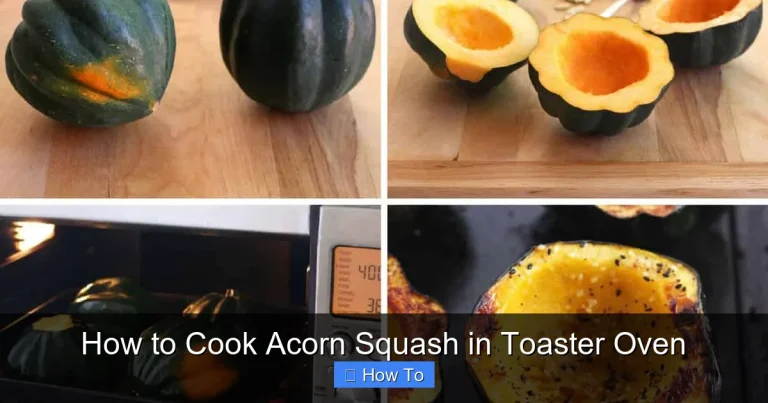
Can You Use Toaster Oven Instead of Oven
Using a toaster oven instead of a full-sized oven is often a great choice for small kitchens, quick meals, and delicate foods. While toaster ovens can handle many basic tasks, there are important differences in temperature, capacity, and versatility. This guide explains when a toaster oven is the perfect substitute and when you should stick with a traditional oven.
If you’ve ever stood in your kitchen wondering whether you can swap your big, noisy oven for a compact toaster oven, you’re not alone. Many home cooks are realizing that this smaller appliance can do a lot of the same things without breaking the bank or wasting counter space. But the answer isn’t a simple yes or no. It depends on what you’re trying to cook, how much space you have, and how often you cook. In this guide, we’ll break down everything you need to know about using a toaster oven instead of a traditional oven, so you can make an informed decision based on your specific needs.
Think about your daily cooking habits. If you live in a small apartment, have a single person, or simply want to cook one or two meals a week, a toaster oven might be your perfect solution. These compact appliances are designed for efficiency and convenience, making them a popular choice for modern kitchens. But before you make the switch, it’s important to understand exactly what a toaster oven can and cannot do compared to a full-sized oven. The similarities are plenty, but there are key differences that matter for your cooking success.
Key Takeaways
- Size and capacity: Toaster ovens are smaller and better for single servings or small families.
- Temperature control: They typically reach 390-410°F, which is lower than full ovens.
- Convection heating: Many models have convection features for even cooking.
- Versatility: Ideal for baking, roasting, toasting, and small batch cooking.
- Energy efficiency: Smaller power consumption compared to full ovens.
- Space saving: Saves counter space in compact kitchens.
- Safety considerations: Always check warranty and proper usage guidelines.
📑 Table of Contents
Understanding the Differences Between Toaster Ovens and Traditional Ovens
The most obvious difference comes down to size. A traditional oven is a substantial piece of kitchen equipment that occupies counter space and requires significant power. In contrast, a toaster oven is a compact unit that fits easily on a countertop or in a cabinet. These differences ripple through every aspect of how each appliance works and performs.
Size and Capacity
Toaster ovens typically measure between 8 and 12 cubic feet, while full-sized ovens can range from 15 to 50 cubic feet or more. This means a toaster oven can only heat a small portion of food at a time, and the cooking surface is much smaller. If you’re trying to bake a large cake or roast a whole chicken, you’ll quickly run out of space. However, for most everyday meals like toast, eggs, sliced bread, and small portions of casseroles, the size difference is negligible.
Consider the practical implications. A toaster oven with a 7-square-foot interior can comfortably fit a 9×13-inch baking dish. A full oven with more space might accommodate two such dishes simultaneously. This means your toaster oven is best for single-serving or small-batch cooking, while a traditional oven is better suited for family-sized meals and larger gatherings.
Temperature Ranges and Cooking Performance
Temperature is where the real distinction lies. Most toaster ovens operate between 300°F and 450°F, with many models reaching up to 500°F. Traditional ovens can easily hit 400°F or more, especially when using convection mode. This difference matters for certain types of baking and roasting.
For delicate items like pastries, soufflés, or small cakes, a toaster oven’s lower temperature range can sometimes be actually beneficial. The gentler heat prevents browning and ensures even cooking throughout a small volume of food. However, if you’re trying to achieve the perfect golden crust on a roast or get a crispy crust on bread, you’ll need to adjust your expectations. The toaster oven’s heating element is designed to circulate heat efficiently but not with the same intensity as a large convection oven.
Energy Efficiency and Operating Costs
One advantage of the toaster oven is energy efficiency. Because it’s smaller and only heats a limited space, it consumes less electricity than a full-sized oven. If you’re cooking most of your meals in a toaster oven, your utility bills should reflect that difference. The smaller motor and heating element use less power, which adds up over time when you’re cooking frequently.
However, this efficiency is worth keeping in mind. If you’re running your toaster oven for every single meal, you’ll save money. But if you also use your traditional oven for baking, roasting, and other tasks, the energy savings might be offset by using both appliances. The key is to optimize your cooking schedule and use the right tool for the right job.
Unique Features That Make Toaster Ovens Special
Many modern toaster ovens come with convection heating, which uses a fan to circulate hot air and ensure even cooking. This feature bridges some of the gap between toaster ovens and traditional ovens, allowing for more uniform browning and cooking times. Some models also include multi-level trays that let you cook multiple things at once, like roasting vegetables on one tray while toasting bread on another.
Another helpful feature is the digital control panel, which makes adjusting temperatures and timers easier than using dials and knobs. These panels often come with preset functions for common tasks like “Melt Chocolate” or “Toast Bread.” While these presets are convenient, they’re not always perfect. It’s still worth learning to adjust temperatures manually for better results.
When a Toaster Oven is the Perfect Substitute for an Oven
There are many situations where a toaster oven shines as a replacement for a full-sized oven. The most common scenario is a small household with limited kitchen space. If you live in a studio apartment, a one-bedroom condo, or a shared living space, a toaster oven is an ideal choice. You get the cooking capability you need without cluttering your countertop with a massive appliance.
Visual guide about Can You Use Toaster Oven Instead of Oven
Image source: i.ytimg.com
Small Families and Apartment Kitchens
Small families and single people often have different cooking needs than larger households. They typically cook one or two meals per day, and they need the ability to prepare breakfast, lunch, and dinner with minimal fuss. A toaster oven can handle eggs, oatmeal, toast, and simple snacks with ease. The reduced footprint also means you can keep your kitchen looking modern and uncluttered.
For example, if you’re a college student living in shared housing, you might only need to cook breakfast in the morning and dinner in the evening. A toaster oven lets you microwave leftovers in the morning and then use the same appliance for a quick stir-fry or sandwich in the evening. The compact size means you won’t need a full-size oven that takes up half your kitchen space.
Quick Meals and One-Pan Dinners
Modern life is fast, and there’s a strong case for using a toaster oven for quick, simple meals. Think about weeknight dinners that require minimal cleanup and little waiting time. Stir-fries, sheet pan roasted vegetables, and microwaveable meals all work well in a toaster oven. You can roast a tray of mixed vegetables, add some protein, and have dinner ready in under 30 minutes.
One practical example is making baked potatoes. Instead of using a large oven with multiple racks, you can simply put a potato in the toaster oven and bake it while you finish other tasks. The small size means you can prepare multiple items simultaneously, like toast on one tray and a small casserole on another, all in the same appliance.
Baking and Roasting Delicates
Baking is where the toaster oven really shines. Smaller cakes, muffins, cookies, and pastries bake evenly in a compact oven. The lower heat ranges prevent over-browning and ensure that delicate pastries don’t dry out. For those who love baking, a toaster oven can be a happy replacement for a full-sized oven, especially for individual items like brownies, cheesecakes, or cupcakes.
If you enjoy baking but don’t have the space for a large oven, the toaster oven opens up a world of possibilities. You can experiment with different recipes without worrying about fitting everything in one large chamber. This makes it easier to try new things and develop your baking skills.
Practical Examples and Tips
Here are some specific ways to use your toaster oven effectively:
- Toast and Melt: Use the toaster function for sandwiches or melts. Just pop your sandwich in and wait for the perfect golden brown.
- Reheating Meals: Cold leftovers can be reheated quickly in a toaster oven. The small size means you don’t need to preheat a large oven.
- One-Pan Roasts: Place a tray in the toaster oven, add vegetables and protein, and roast everything together. The low temperature keeps everything moist.
- Melting Chocolate: Many toaster ovens have a “melt” setting that can easily melt chocolate for dipping fruits or coating cookies.
- Baking Small Batch Items: From brownies to pancakes to cookies, small batches work perfectly in a toaster oven.
Remember to always preheat your toaster oven, just like you would with a traditional oven. This ensures even cooking and prevents cold spots that can affect your food.
When You Should Still Use a Full-Sized Oven
While a toaster oven is excellent for many tasks, there are situations where your traditional oven deserves a spot in your kitchen. The biggest factor is the scale of what you’re trying to cook. If you’re baking large cakes, roasting whole chickens, or making bread that requires a long baking time, the traditional oven is usually better.
Baking Large Baths or Pizzas
Large sheet pan meals, like a full pizza or a large casserole, need more surface area and more space to circulate heat properly. A toaster oven simply doesn’t have the capacity for such items. If you want a pizza with a thick crust or an enormous lasagna, you’ll need a conventional oven with multiple racks and ample room for the dish.
Consider the cooking time as well. Large oven-ready recipes often require 45 minutes to an hour of baking time. A toaster oven might take longer to reach that temperature, and the smaller volume means the heat is less efficient for large batches. The traditional oven distributes heat more evenly across a large surface area, resulting in more consistent results.
Roasting Vegetables and Large Cuts of Meat
Roasting vegetables like carrots, potatoes, or Brussels sprouts often benefits from a larger oven. The larger cooking surface allows you to arrange vegetables in a way that maximizes browning and caramelization. Additionally, a traditional oven can hold multiple layers of food simultaneously, which is useful for family-style roasting.
For large cuts of meat like a whole chicken or a roast beef, the traditional oven is the clear winner. These items need more room to expand and cook evenly. A toaster oven might work for a small chicken or a steak, but it won’t be able to handle a whole bird or a large roast without crowding and uneven cooking.
Specialized Baking Techniques
Some baking techniques rely on specific temperature ranges and airflow patterns that are harder to achieve in a toaster oven. For example, certain types of artisan breads or pastries require precise temperature control and steam generation that a compact oven might struggle with. The convection fan in a toaster oven helps with even cooking, but it can’t replace the full ovens’ ability to create professional-level results.
If you’re a serious baker who frequently makes complex recipes, investing in a traditional oven might be worthwhile. The larger volume and more powerful heating elements provide the consistency and control that professional bakers expect.
Temperature and Space Requirements
When choosing between a toaster oven and a full oven, think about your typical cooking schedule. If you’re mostly making small meals or occasional special dishes, the toaster oven is a perfect fit. If you regularly need to bake large quantities, roast multiple items at once, or follow recipes that call for precise temperature management, the traditional oven is likely the better investment.
Don’t underestimate the convenience of having one appliance that handles multiple cooking methods. A good traditional oven can bake, roast, broil, and bake in a single unit. A toaster oven is versatile, but its smaller capacity means you’ll need to use it more often for the same volume of food.
Tips for Getting the Most Out of Your Toaster Oven
The toaster oven is a powerful tool, but it requires some knowledge to use effectively. Here are some practical tips to help you get the best results.
Preheating and Temperature Settings
Always preheat your toaster oven before putting food inside. This ensures that the cooking surface is at the correct temperature and that food cooks evenly from the start. Most recipes specify a temperature range, but it’s a good idea to go one degree higher if you’re in a hurry.
Use the temperature range that best matches your recipe. For delicate items like pastries, stick to the lower end of the range. For meats and roasted vegetables, you can push it closer to the upper limit. Remember that the toaster oven’s temperature is slightly lower than a traditional oven, so adjust your expectations accordingly.
Using Racks and Parchment Paper
To prevent food from sticking, use parchment paper or silicone mats on your trays. These materials also help with cleanup, which is a big advantage of the toaster oven. You can also use oven racks to elevate food above the heating element for better air circulation.
For bread or pastries, place a rack in the middle of the oven. This allows the bottom to heat properly while the top gets hot air from the fan. For smaller items like toast or melting chocolate, a tray without a rack works fine, but keep in mind that the food will sit directly on the heating element.
Cleaning and Maintenance
Regular cleaning is important for maintaining the quality of your toaster oven. After each use, remove food scraps and grease buildup. Many toaster ovens have self-cleaning modes, but these can be energy-intensive and require you to leave the appliance alone for several hours.
For minor stains, a damp cloth with mild soap can work well. For tougher grease, a brush and some warm soapy water are effective. Avoid abrasive cleaners that could scratch the interior surfaces. If you notice unusual smells or burning marks, unplug the appliance and inspect the heating element.
Experimenting with Recipes
One of the best ways to get the most out of your toaster oven is to experiment with new recipes. Try different combinations of ingredients and see what works. The small size means you can test one recipe at a time without committing to a large batch.
Start with recipes that are known to work well in toaster ovens, like cookies, brownies, or reheated leftovers. Once you’re comfortable, try more challenging dishes. The feedback from your first attempts will help you refine your technique and discover what your toaster oven can do best.
Frequently Asked Questions
Question?
Can a toaster oven replace a traditional oven for everyday cooking?
Yes, a toaster oven can effectively replace a traditional oven for small to medium-sized meals like toast, eggs, sandwiches, and one-pan dinners. It works well for baking small cakes, brownies, and reheating leftovers. However, it may not be suitable for large roasts, whole chickens, or extensive baking batches that require a full oven.
Question?
What is the temperature range of a toaster oven?
The typical temperature range for toaster ovens is 300°F to 450°F, with many models reaching up to 500°F. This range is lower than most traditional ovens, which can often go up to 480°F or higher. The lower temperature is designed for gentle, even cooking of delicate foods.
Question?
Is a toaster oven energy efficient compared to a full oven?
Yes, toaster ovens are generally more energy efficient than full-sized ovens because they use less power to heat a smaller volume of air. They tend to have smaller motors and heating elements, which consume less electricity. If you cook mostly in your toaster oven, you’ll likely see a lower energy bill.
Question?
How much space does a toaster oven take up in a kitchen?
Most toaster ovens are compact, measuring between 8 and 12 cubic feet. They are designed to fit on a standard countertop or in a cabinet. This makes them ideal for small kitchens, studios, or apartments where counter space is at a premium.
Question?
Can I use a toaster oven for baking bread or pizza?
Yes, toaster ovens are excellent for baking small batches of bread, like rolls or small loaves. They can also be used for pizza, though the results may be slightly different from a traditional oven due to lower heat. For the best results with large pizza or bread, a traditional oven is recommended.
Question?
What are the best uses for a toaster oven in a small kitchen?
The best uses include toasting, melting chocolate, reheating meals, cooking one-pan dinners, and baking small batches of cookies or pastries. The compact size saves counter space and makes it easy to prepare meals for a single person or a small family.
[FEATURED_IMAGE_PLACEHOLDER]