Can You Use Toaster Oven to Bake Bread
You absolutely can bake bread in a toaster oven! While it requires some adjustments to temperature and timing, a toaster oven can produce excellent homemade bread with proper technique. The key is understanding your appliance’s unique heating patterns and making necessary modifications to standard recipes.
Key Takeaways
- Temperature Adjustment: Reduce oven temperature by 25°F when baking bread in a toaster oven compared to conventional ovens.
- Size Matters: Choose compact bread recipes or halve standard recipes to fit your toaster oven’s interior space.
- Preheating is Essential: Always preheat your toaster oven for at least 10 minutes to ensure even baking.
- Monitor Closely: Toaster ovens heat unevenly, so check bread frequently during baking to prevent burning.
- Pan Selection: Use light-colored metal pans and avoid dark or non-stick coatings that may cause over-browning.
- Steam Creation: Add a small pan of water to create steam for better crust development in toaster ovens.
- Recipe Modification: Adjust yeast quantities slightly downward since toaster ovens maintain consistent temperatures.
📑 Table of Contents
- Can You Use Toaster Oven to Bake Bread? Let’s Find Out
- Understanding Your Toaster Oven’s Unique Characteristics
- Preparing Your Toaster Oven for Bread Baking Success
- Adapting Bread Recipes for Toaster Oven Use
- Tips for Achieving Professional-Quality Results
- Common Mistakes and How to Avoid Them
- Conclusion: Your Toaster Oven Can Definitely Make Great Bread
Can You Use Toaster Oven to Bake Bread? Let’s Find Out
If you’ve ever wondered whether you can use toaster oven to bake bread, you’re not alone. Many home bakers face the same question when they realize their full-sized oven isn’t available or they simply want to make a smaller batch. The answer is a resounding yes – but with some important caveats.
Baking bread in a toaster oven is definitely possible, and many people do it successfully every day. However, it requires understanding your appliance’s unique characteristics and making appropriate adjustments. Unlike conventional ovens that distribute heat evenly throughout a large cavity, toaster ovens have smaller spaces with more concentrated heating elements.
This means you’ll need to modify your approach, but don’t let that discourage you. With the right techniques and a bit of patience, you can create delicious homemade bread using nothing more than your countertop toaster oven. Whether you’re living in a small apartment, dorm room, or just prefer smaller batches, this method opens up new possibilities for fresh bread making.
Understanding Your Toaster Oven’s Unique Characteristics
Heating Element Placement and Heat Distribution
One of the most important things to understand about using a toaster oven to bake bread is how heat behaves inside this compact appliance. Most toaster ovens have heating elements positioned very close to the food chamber, typically both above and below the cooking surface. This proximity creates intense, direct heat that can cook food faster than a conventional oven.
The trade-off is that this concentrated heat can also create hot spots and uneven cooking zones. You might notice that bread browns more quickly on top while remaining pale underneath, or that one side cooks faster than the other. This happens because toaster ovens lack the sophisticated air circulation systems found in larger convection ovens.
To work with these characteristics effectively, consider rotating your bread halfway through baking. This simple technique helps compensate for any uneven heating patterns and ensures more uniform browning and texture throughout your loaf.
Temperature Control Differences
Toaster ovens often run hotter than their displayed temperature settings would suggest. A setting labeled 350°F might actually reach 375°F or higher due to the compact design and powerful heating elements. This is particularly important when baking bread because precise temperature control affects yeast activity, gluten development, and final texture.
When adapting recipes for toaster oven use, reduce the recommended temperature by 25°F as a general rule. For example, if a recipe calls for 375°F in a conventional oven, set your toaster oven to 350°F instead. This adjustment prevents over-browning while still providing enough heat for proper rise and structure development.
Size Limitations and Capacity Considerations
The physical dimensions of your toaster oven will significantly impact what size loaves you can bake. Most standard toaster ovens accommodate pans up to about 9×9 inches, which limits you to smaller bread recipes. This isn’t necessarily a drawback – smaller loaves often bake more evenly and have better crust-to-crumb ratios.
Consider making individual rolls, small round loaves, or halving standard recipes to fit your appliance. You’ll find that these smaller portions actually work well in toaster ovens and often require less monitoring time.
Preparing Your Toaster Oven for Bread Baking Success
Essential Preheating Steps
Proper preheating makes a huge difference when baking bread in a toaster oven. Unlike conventional ovens that can take 15-20 minutes to reach temperature, toaster ovens heat up much faster. However, rushing this process leads to dense, uneven bread.
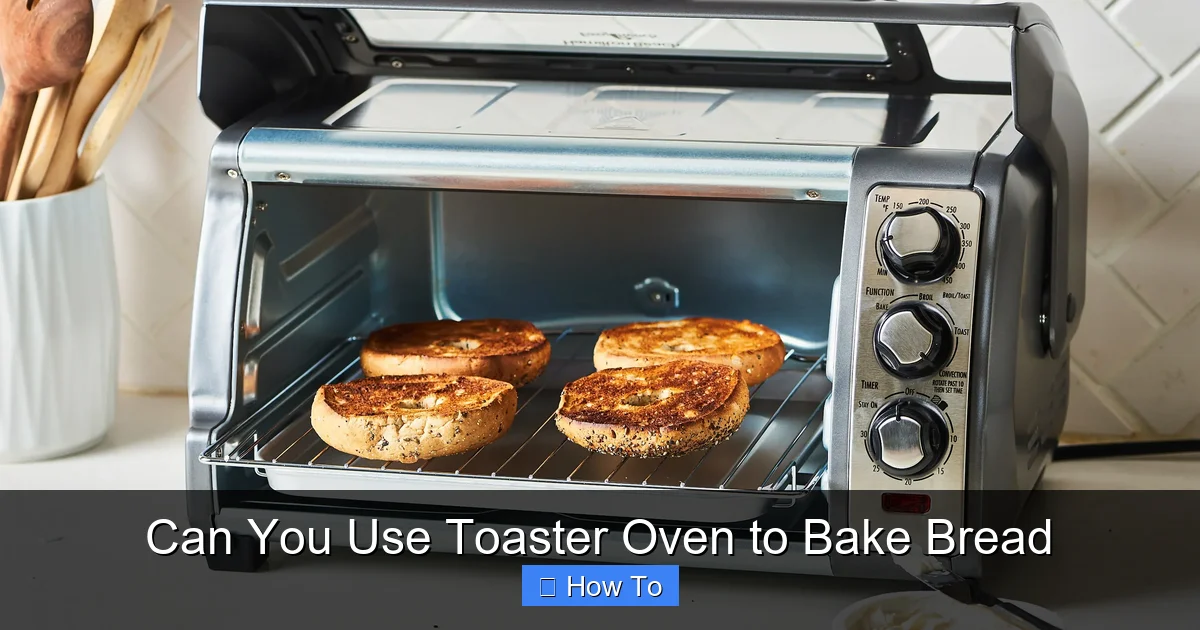
Visual guide about Can You Use Toaster Oven to Bake Bread
Image source: cdn.apartmenttherapy.info
Set your toaster oven to the adjusted temperature and allow it to preheat for at least 10 minutes. You can test if it’s ready by placing a small piece of bread inside for 30 seconds – if it toasts evenly, the oven is properly heated. Remember that opening the door during preheating causes significant temperature drops, so avoid peeking unnecessarily.
Choosing the Right Bakeware
Pan selection becomes even more critical when using a toaster oven to bake bread. Dark-colored pans absorb more heat and can cause the bottom of your bread to burn before the interior finishes cooking. Non-stick coatings may also react poorly to high temperatures.
Opt for light-colored aluminum pans that reflect heat evenly. If you only have darker pans available, consider placing them on a lower rack position to reduce direct heat exposure. For round loaves, a small cake pan or casserole dish works well. Just make sure there’s adequate clearance between the pan and heating elements.
Creating Steam for Perfect Crust
Professional bakers know that steam plays a crucial role in developing beautiful, crackly bread crusts. In a conventional oven, steam is created naturally through various means, but toaster ovens require a more deliberate approach.
To create steam in your toaster oven, place a small metal pan filled with hot water on the lowest rack position. Be careful not to let water splash onto electrical components. Alternatively, you can spritz the bread dough lightly with water before placing it in the oven, though this method requires quick action to avoid excessive moisture buildup.
Adapting Bread Recipes for Toaster Oven Use
Modifying Standard Recipes
Most bread recipes assume you’re using a conventional oven, so some adjustments are necessary when baking in a toaster oven. Start by reducing the recipe size – instead of making a full 2-pound loaf, try a 1-pound version or make individual rolls.
Reduce yeast quantities by about 10% since toaster ovens maintain more consistent temperatures once heated. Increase liquid content slightly (by 1-2 tablespoons) to compensate for the drier environment inside the small chamber. These seemingly minor changes can dramatically improve your results.
Timing Adjustments
Baking times in toaster ovens typically run shorter than conventional oven times due to the intense, direct heat. However, this varies depending on your specific model and the type of bread you’re making. As a general guideline, expect bread to finish 10-20% faster than recipe directions suggest.
Stay vigilant during the last 10 minutes of baking. Check for doneness by looking for a deep golden brown color and listening for a hollow sound when tapping the bottom of the loaf. If your bread lacks a built-in timer feature, set multiple reminders to check progress.
Testing for Doneness
Knowing when bread is fully baked becomes trickier in a toaster oven because visual cues may be less reliable. The intense heat can make bread appear done on the outside while remaining doughy inside.
Use an instant-read thermometer inserted into the center of the loaf – it should read between 190-200°F for most bread types. Alternatively, remove the bread from its pan and tap the bottom with a spoon – a hollow sound indicates proper doneness. These methods eliminate guesswork and ensure perfectly baked results every time.
Tips for Achieving Professional-Quality Results
Managing Heat Distribution Issues
To overcome the uneven heating common in toaster ovens, employ several strategies simultaneously. Rotate your bread pan halfway through baking to expose all sides equally to the heating elements. Position racks in the center of the oven whenever possible to maximize distance from direct heat sources.
Controlling Browning and Crust Development
Achieving the perfect crust color requires careful attention to timing and temperature. Start checking your bread 5-10 minutes before the expected completion time to prevent over-browning. If the top is browning too quickly, loosely tent with aluminum foil while continuing to bake.
Maintaining Consistent Results
Once you find a successful method for your specific toaster oven model, document your adjustments carefully. Note the exact temperature reduction, timing modifications, and any special techniques that worked well. This record becomes invaluable for future baking sessions.
Common Mistakes and How to Avoid Them
Overcrowding the Oven Chamber
One of the most frequent errors people make is trying to bake too much bread at once in their toaster oven. The limited space means air circulation becomes restricted, leading to uneven baking and poor rise development.
Neglecting Proper Ventilation
Toaster ovens generate significant heat and moisture during bread baking, especially when creating steam. Without adequate ventilation, this humidity can affect nearby appliances and make your kitchen uncomfortably warm.
Patience pays off when it comes to cooling baked bread. Cutting into a loaf immediately after removing it from the toaster oven releases trapped steam that continues cooking the interior, potentially resulting in gummy texture. Using a toaster oven to bake bread transforms what might seem like a limitation into an opportunity for creativity and convenience. While the process requires attention to detail and willingness to experiment, the rewards are substantial. Fresh, homemade bread made in your compact appliance fills your home with incredible aromas and provides satisfaction that store-bought alternatives simply cannot match. Remember that success comes through practice and patience. Start with simple recipes like dinner rolls or small artisan loaves before attempting more complex breads. Each baking session teaches you something new about your appliance’s quirks and capabilities, building your confidence and skill over time. Don’t be discouraged if your first few attempts don’t turn out perfectly. Every experienced baker started somewhere, and the learning curve for toaster oven bread baking is relatively gentle once you master the basic principles. Before long, you’ll be confidently creating delicious homemade bread whenever the mood strikes, regardless of whether your full-sized oven is available. Yes, absolutely! With proper temperature adjustments and recipe modifications, a toaster oven can produce excellent homemade bread. The key is understanding your appliance’s unique heating characteristics and making appropriate modifications to standard baking methods. Toaster ovens typically accommodate smaller loaves and individual portions. Look for recipes specifically designed for compact ovens or halve standard recipes to create 1-pound loaves, dinner rolls, or small round breads that fit comfortably within your appliance’s dimensions. Reduce the recommended temperature by 25°F when baking bread in a toaster oven. For example, if a recipe calls for 375°F, set your toaster oven to 350°F instead. This prevents over-browning while ensuring proper internal cooking and yeast activity. Yes, always preheat your toaster oven for at least 10 minutes before baking bread. This ensures even heat distribution and proper rise development. Unlike conventional ovens, toaster ovens heat quickly but benefit greatly from this preparation step. Place a small metal pan filled with hot water on the lowest rack position to create steam. Alternatively, lightly spritz your bread dough with water before baking. Be careful not to create excessive moisture that could damage electrical components. Common mistakes include overcrowding the oven chamber, neglecting proper ventilation, rushing the cooling process, and failing to rotate bread during baking. Avoid these pitfalls by baking one item at a time, ensuring good kitchen airflow, and allowing bread to cool completely before slicing.Rushing the Cooling Process
Conclusion: Your Toaster Oven Can Definitely Make Great Bread
Frequently Asked Questions
Can you really bake bread in a toaster oven?
What size bread can I bake in a toaster oven?
How do I adjust baking temperature for a toaster oven?
Do I need to preheat my toaster oven for bread?
How can I create steam in a toaster oven for crusty bread?
What are common mistakes when baking bread in a toaster oven?