Cookware Brands Stainless Steel
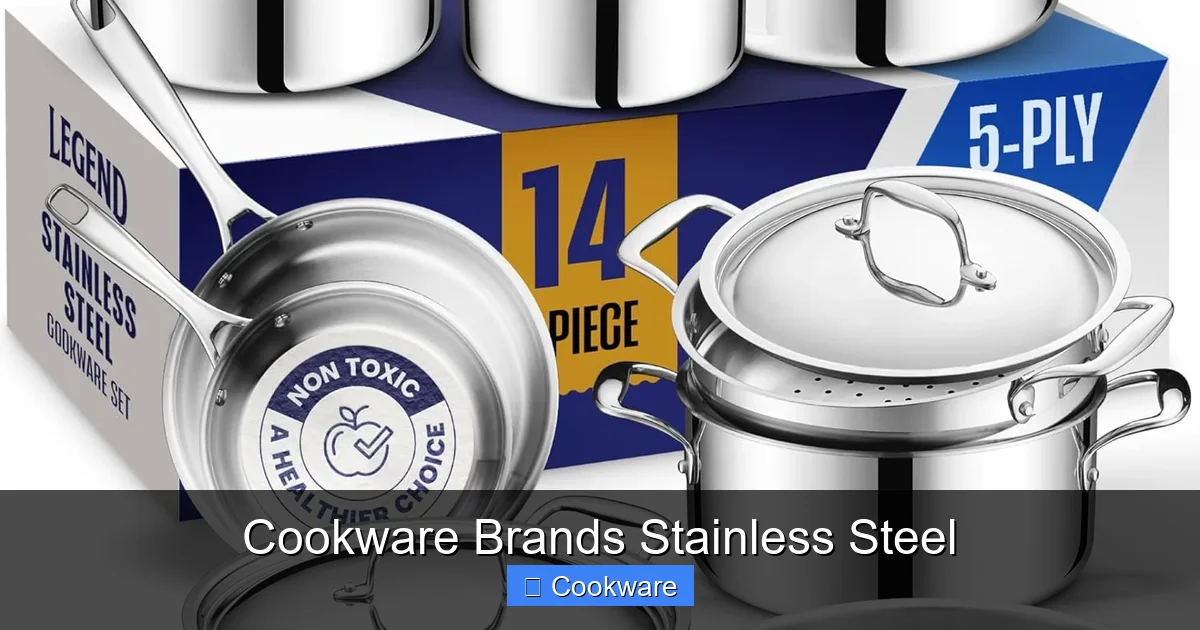
Looking for reliable, long‑lasting cookware that delivers even heat and a sleek look? This guide breaks down the top stainless steel brands, explains what to look for on your next purchase, and offers practical care tips to keep your pans shining.
Key Takeaways
- Durability: Stainless steel pans last decades if cared for properly.
- Heat Conductivity: Look for tri‑ply or multi‑layer construction for even cooking.
- Compatibility: Most stainless steel works on induction, but check the base for magnetic strength.
- Maintenance: Simple cleaning routines prevent staining and preserve shine.
- Value: Mid‑range brands offer great performance without the premium price.
[FEATURED_IMAGE_PLACEHOLDER]
📑 Table of Contents
Introduction
Stainless steel cookware has become the go‑to choice for home cooks and chefs alike. It’s sturdy, non‑reactive, and keeps a modern aesthetic in every kitchen. But with hundreds of brands on the market, picking the right set can feel overwhelming. In this article, we’ll walk through the top stainless steel cookware brands, explain the key features that matter, and give you real‑world tips for buying and caring for your pans.
Why Stainless Steel? The Core Benefits
Longevity and Strength
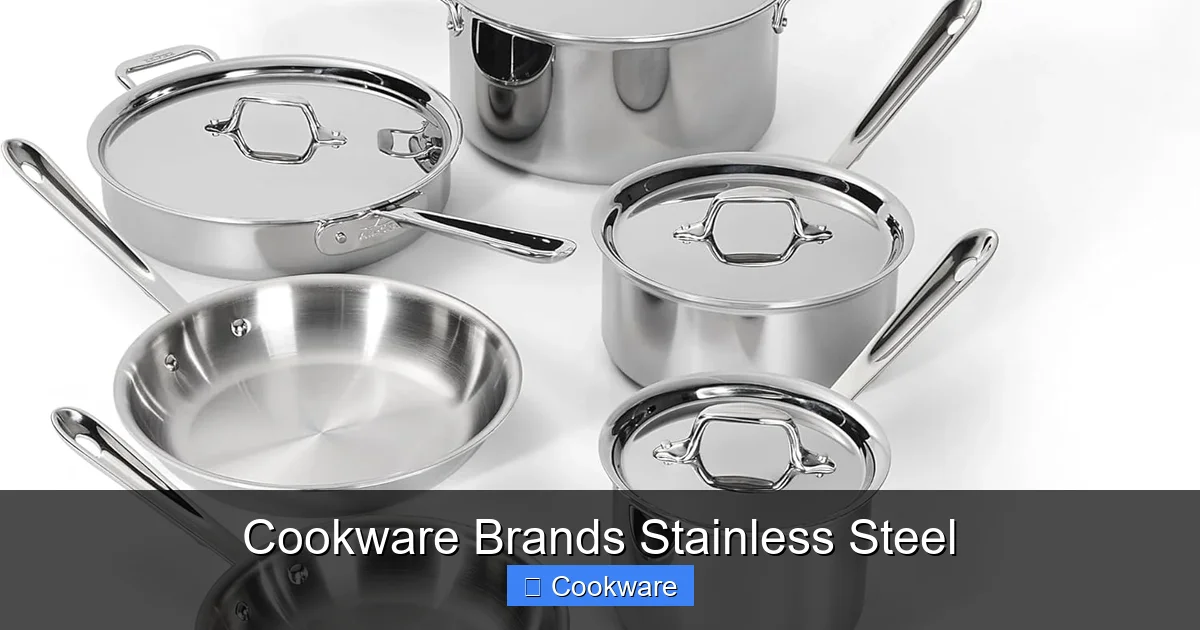
Stainless steel is built to last. Unlike cast iron or aluminum, it resists dents, rust, and corrosion. A well‑made stainless pan can stay in a family’s kitchen for generations.
Visual guide about Cookware Brands Stainless Steel
Image source: kitchenbap.com
Non‑Reactive Surface
Because stainless steel doesn’t react with acidic foods, you can sauté tomatoes, citrus, or wine without worrying about metallic flavors or discoloration.
Heat Distribution and Retention
Most modern stainless steel cookware incorporates an inner layer of aluminum or copper. This “tri‑ply” construction ensures heat spreads evenly, reducing hot spots and uneven cooking.
Safety and Cleanliness
Stainless steel is dishwasher safe (for most brands) and doesn’t leach chemicals. It also looks sharp and polished, making it a favorite for entertaining.
Top Stainless Steel Cookware Brands
1. All-Clad
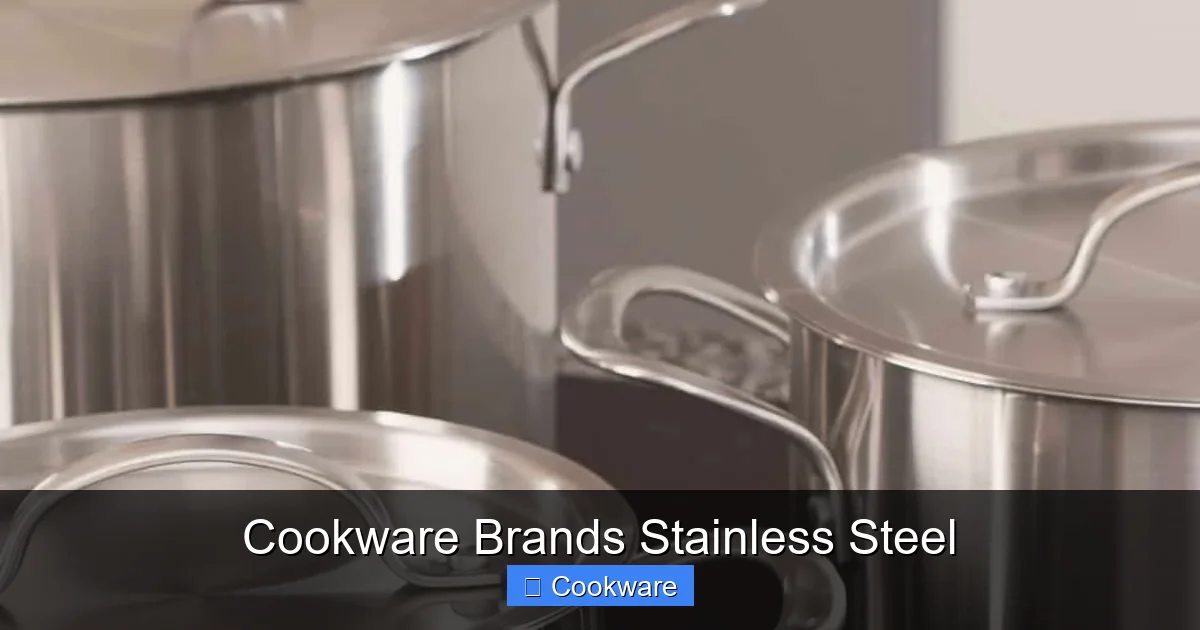
All-Clad is the benchmark for high‑end stainless steel. Their 3‑layer Core series (stainless‑steel, aluminum core, stainless‑steel) delivers professional‑grade heat control. Though pricier, the durability and even heating justify the investment.
Visual guide about Cookware Brands Stainless Steel
Image source: goingzerowaste.com
2. Cuisinart
Cuisinart offers mid‑range sets that blend affordability with quality. Their “Copper‑Core” line includes a copper layer for better heat conduction, and the stainless exterior resists scratches.
3. T-fal
Best for budget shoppers, T‑fal’s stainless steel pans are lightweight and come with a non‑stick coating on the cooking surface. They’re great for everyday use and easy to clean.
4. Calphalon
Calphalon’s “Hard-Anodized” stainless steel provides a durable, non‑reactive cooking surface, while the brushed finish resists fingerprints.
5. Le Creuset
Known for enameled cast iron, Le Creuset also offers stainless steel pans that combine classic design with modern technology. They’re a bit heavier but offer excellent heat retention.
6. Lodge
Lodge’s stainless steel cookware is surprisingly affordable and often includes a triple‑layer construction. It’s a great entry point for those new to stainless steel.
What to Look For When Buying Stainless Steel Cookware
Construction Matters: Tri‑ply vs. Mono‑ply
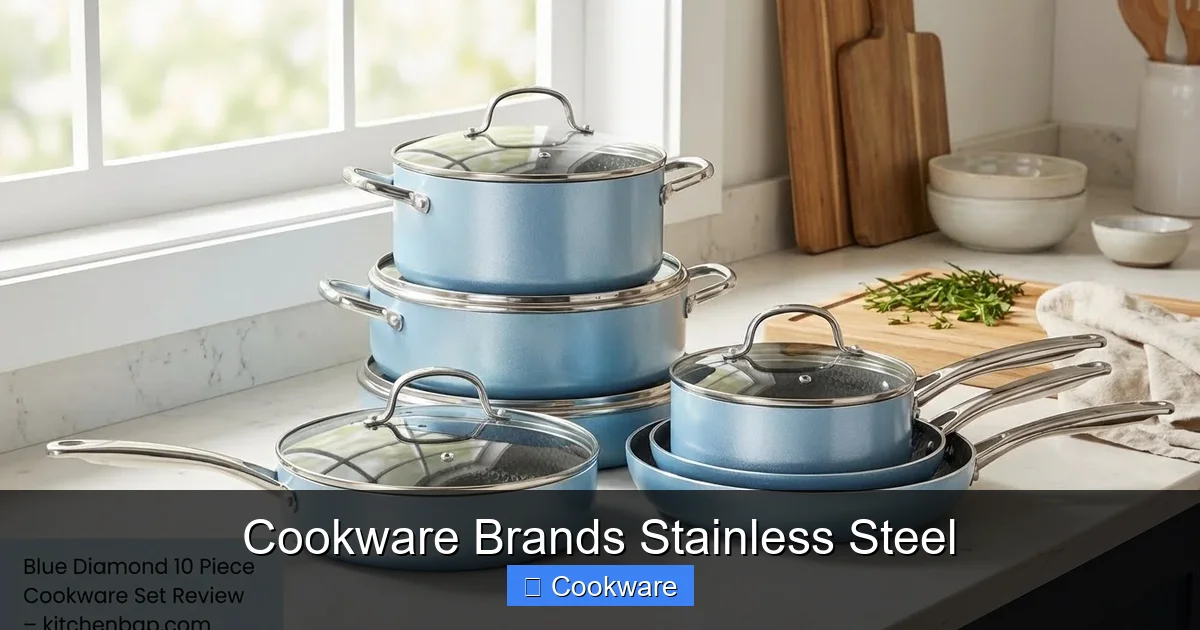
Tri‑ply pans have a stainless steel outer layer, an inner aluminum or copper core, and a stainless steel lining. This design balances durability with heat distribution. Mono‑ply pans are lighter but can have uneven heating.
Visual guide about Cookware Brands Stainless Steel
Image source: kitchenbap.com
Base Thickness and Magnetic Compatibility
For induction cooktops, the base must be magnetic. Look for pans that list “induction compatible” or check the manufacturer’s specs. A thicker base (0.8mm or more) usually means better heat retention.
Handles and Lids
Heat‑resistant, ergonomic handles improve safety. Stainless steel lids should fit snugly to trap steam and reduce cooking time. Some brands offer silicone or rubber grips for extra comfort.
Warranty and Customer Support
Top brands often provide 10‑year warranties against defects. Choosing a company that stands behind its products can save you headaches later.
Price vs. Value
While the most expensive pans offer the best performance, many mid‑range options (like Cuisinart) deliver comparable results for a fraction of the cost. Consider how often you’ll cook and your budget.
Practical Tips for Caring for Your Stainless Steel Pans
- Preheat Properly: Let the pan warm on medium heat for a minute before adding oil. This reduces sticking.
- Avoid Sudden Temperature Changes: Don’t plunge a hot pan into cold water; this can warp the metal.
- Use the Right Utensils: Wooden or silicone tools protect the surface while still being effective.
- Clean with Gentle Detergent: Avoid abrasive scouring pads. A soft sponge with mild soap usually suffices.
- Remove Stubborn Stains: Mix baking soda with water to form a paste, apply to stains, and rinse. For tougher spots, a commercial stainless steel cleaner can help.
- Polish for Shine: A microfiber cloth and a small amount of stainless steel polish will keep your pans gleaming.
Choosing the Right Set for Your Kitchen
All‑Purpose Sets
A 10‑piece set (saucepan, stockpot, frying pan, sauté pan, and a few smaller pans) is ideal for most households. It covers everyday cooking needs without overcrowding your storage.
Specialty Cookware
If you love pasta, consider a pasta pot with a built‑in strainer. For meticulous sauce‑making, a small sauté pan with a lid works well.
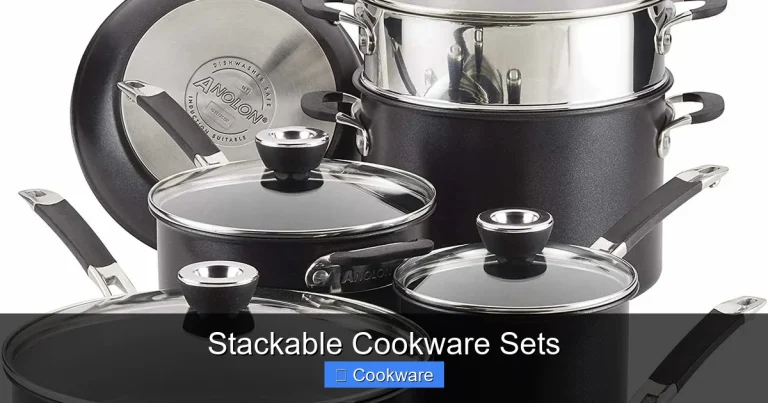
Stackable vs. Non‑Stackable
Stackable pans save cabinet space but may be harder to clean. Non‑stackable sets are easier to reach but require more storage.
Common Mistakes to Avoid
- Using High Heat on Low‑Quality Stainless: Cheap pans can warp or develop hot spots.
- Skipping Oil: Even stainless steel can stick if you cook dry. A thin layer of oil or butter helps.
- Overfilling: This can cause splattering and uneven cooking.
- Using Abrasive Cleaners: They scratch the surface and reduce shine.
Conclusion
Investing in a quality stainless steel cookware set pays off in durability, performance, and style. By focusing on construction, compatibility, and care, you can choose a set that meets your cooking habits and lasts for years. Whether you’re a seasoned chef or a beginner, the right stainless steel pans will elevate every meal.
Frequently Asked Questions
What is the difference between stainless steel and enameled stainless steel cookware?
Enameled stainless steel has a glass‑like coating that prevents rust and stains, making it easier to clean. Pure stainless steel offers better heat distribution and can be used on induction cooktops.
Can I use a stainless steel pan on a gas stove?
Yes, stainless steel pans work on gas, electric, and induction stoves. Just make sure the base is thick enough for even heat.
Do stainless steel pans need seasoning?
No, stainless steel doesn’t require seasoning. However, a light oil coat before cooking helps reduce sticking.
How long does a stainless steel cookware set last?
With proper care, a high‑quality set can last 10–20 years or more, often outlasting other materials.
Is stainless steel a good choice for acidic foods?
Yes, stainless steel is non‑reactive, so acidic foods won’t alter its flavor or color.
Can I put stainless steel cookware in the dishwasher?
Most stainless steel pans are dishwasher safe, but hand washing with mild soap preserves shine and prevents water spots.