Cookware for Metal Utensils
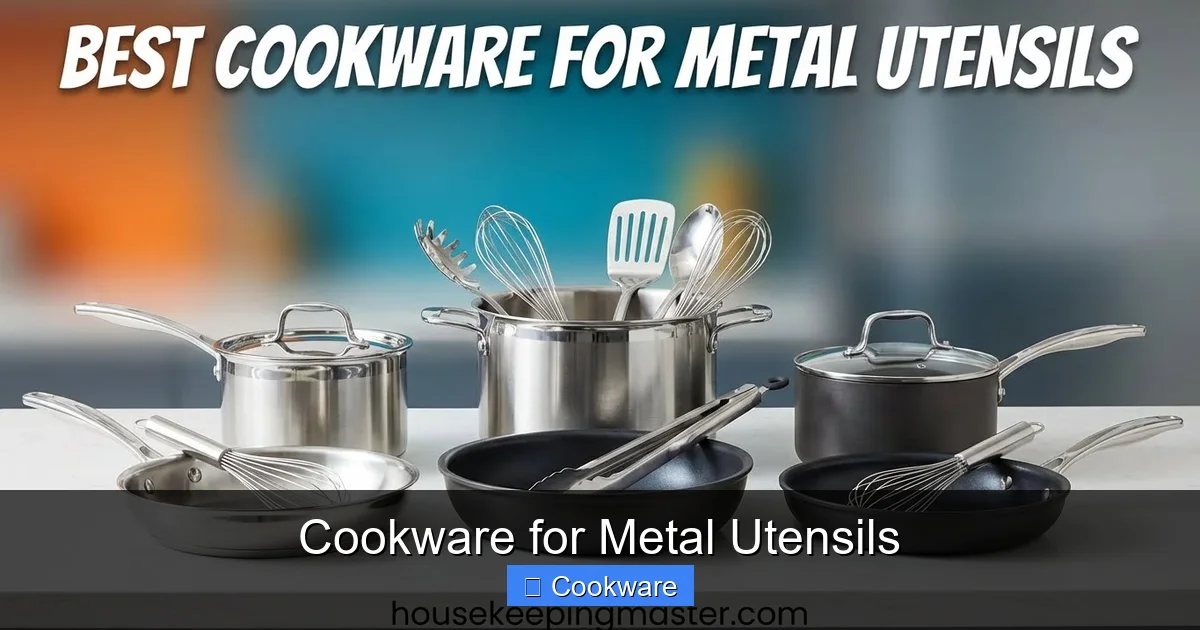
Choosing the right cookware for metal utensils means selecting materials that resist scratching, withstand high heat, and maintain performance over time. This guide breaks down the best options, from stainless steel to hard‑anodized aluminum, and shows how to care for them so your pans stay like new.
Key Takeaways
- Material matters: Stainless steel, hard‑anodized aluminum, and certain coated surfaces tolerate metal utensils without damage.
- Heat conductivity: Look for pans with an aluminum or copper core for even heating while keeping a durable exterior.
- Proper seasoning: Even metal‑safe cookware benefits from occasional seasoning or oiling to prevent sticking.
- Avoid abrasive cleaners: Use gentle scrubbers and mild detergents to preserve the cooking surface.
- Check compatibility: Ensure the cookware works with your stove type (gas, electric, induction) before buying.
- Invest in quality: Higher‑grade construction reduces warping and extends the lifespan of your pans.
- Store wisely: Use pan protectors or a rack to avoid scratching when stacking.
📑 Table of Contents
- Introduction: Why Metal Utensils Need Special Cookware
- Understanding Cookware Materials
- What to Look for When Buying Cookware for Metal Utensils
- Top Cookware Recommendations for Metal Utensils
- Caring for Your Metal‑Utensil Safe Cookware
- Common Myths About Metal Utensils and Cookware
- Putting It All Together: Building a Metal‑Utensil Friendly Kitchen
- Conclusion
Introduction: Why Metal Utensils Need Special Cookware
Many home cooks reach for metal spoons, spatulas, and whisks because they are sturdy, easy to clean, and handle high temperatures. However, not every pan can stand up to the occasional scrape of a metal edge. Using the wrong cookware with metal utensils can lead to scratches, reduced non‑stick performance, and even health concerns if coatings break down. Choosing cookware that is specifically designed to be metal‑utensil safe saves you money, keeps your food tasting better, and extends the life of your kitchen tools.
In this guide we will explore the best materials for cookware that can handle metal utensils, explain what to look for when shopping, and share practical tips for maintenance. Whether you are searing a steak, simmering a sauce, or baking a frittata, you’ll learn how to pick pans that stay smooth and reliable.
Understanding Cookware Materials
The secret to metal‑utensil friendly cookware lies in the surface hardness and the underlying construction. Below are the most common materials that earn a reputation for standing up to metal tools.
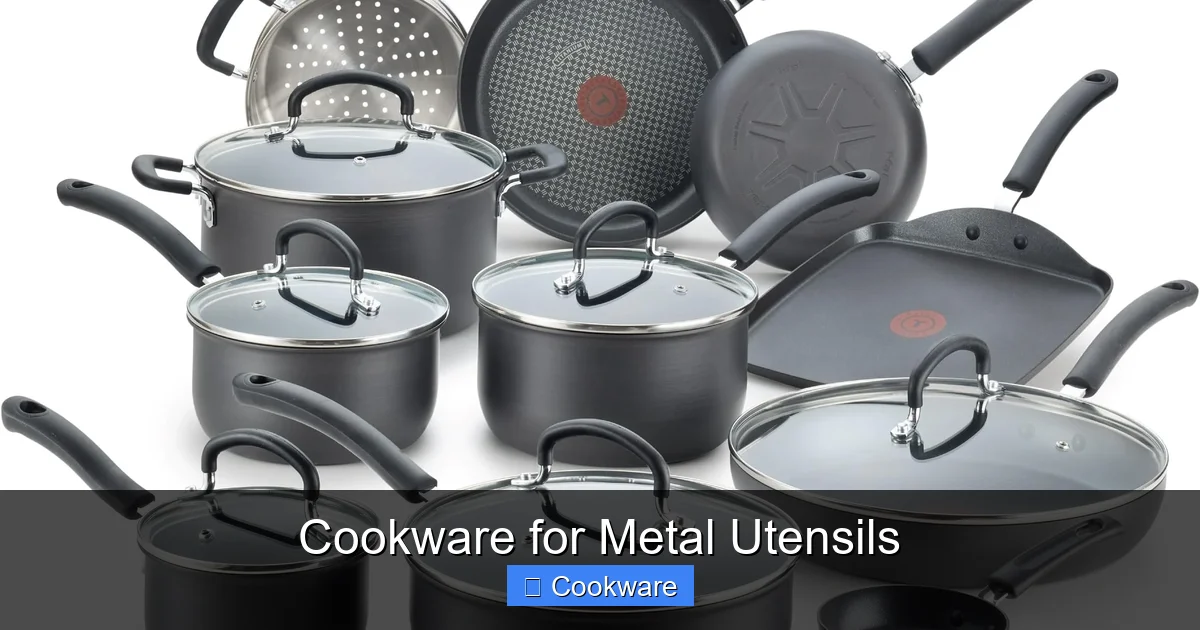
Visual guide about Cookware for Metal Utensils
Image source: m.media-amazon.com
Stainless Steel
Stainless steel is a favorite among professional chefs because it is tough, non‑reactive, and can handle high heat. When the interior is polished to a smooth finish, metal utensils glide across it without leaving marks. Look for tri‑ply or five‑ply construction, which layers stainless steel with an aluminum or copper core for better heat distribution.
One of the best places to start is the best stainless steel cookware for induction cooktop list, which highlights sets that work on all stove types and are built to resist scratching.
Hard‑Anodized Aluminum
Hard‑anodizing creates a thick, oxidized layer on aluminum that is much harder than bare aluminum. This surface resists abrasion from metal spoons and spatulas while still offering the excellent heat conductivity of aluminum. Many hard‑anodized pans also feature a non‑stick coating that is labeled “metal‑utensil safe.”
Because the base is aluminum, these pans heat up quickly and evenly, making them ideal for sautéing vegetables or preparing omelets.
Cast Iron (Seasoned)
A well‑seasoned cast iron skillet develops a natural, polymerized oil layer that is surprisingly slick. Metal utensils can be used on a properly seasoned surface without damaging the seasoning, though aggressive scraping may strip it over time. The key is to maintain the seasoning by regularly oiling the pan and avoiding harsh detergents.
Cast iron retains heat exceptionally well, making it perfect for searing meats or baking cornbread.
Carbon Steel
Similar to cast iron, carbon steel develops a protective patina with use. It is lighter than cast iron but still offers excellent heat retention. Metal utensils are safe on a seasoned carbon steel pan, and the surface improves with each use.
Many professional kitchens favor carbon steel for stir‑frying because it responds quickly to temperature changes.
Ceramic‑Reinforced Non‑Stick
Some modern non‑stick pans use a ceramic‑reinforced coating that is advertised as safe for metal utensils. These coatings are typically free of PTFE and PFOA, and they provide a slick surface that can withstand occasional metal contact. However, they are generally less durable than stainless steel or hard‑anodized options, so gentle use prolongs their life.
If you prefer a non‑stick experience, check out the best non‑stick pan you can use metal utensils guide for top‑rated models.
What to Look for When Buying Cookware for Metal Utensils
Choosing the right pan involves more than just picking a material. Consider these factors to ensure you get a product that will last.
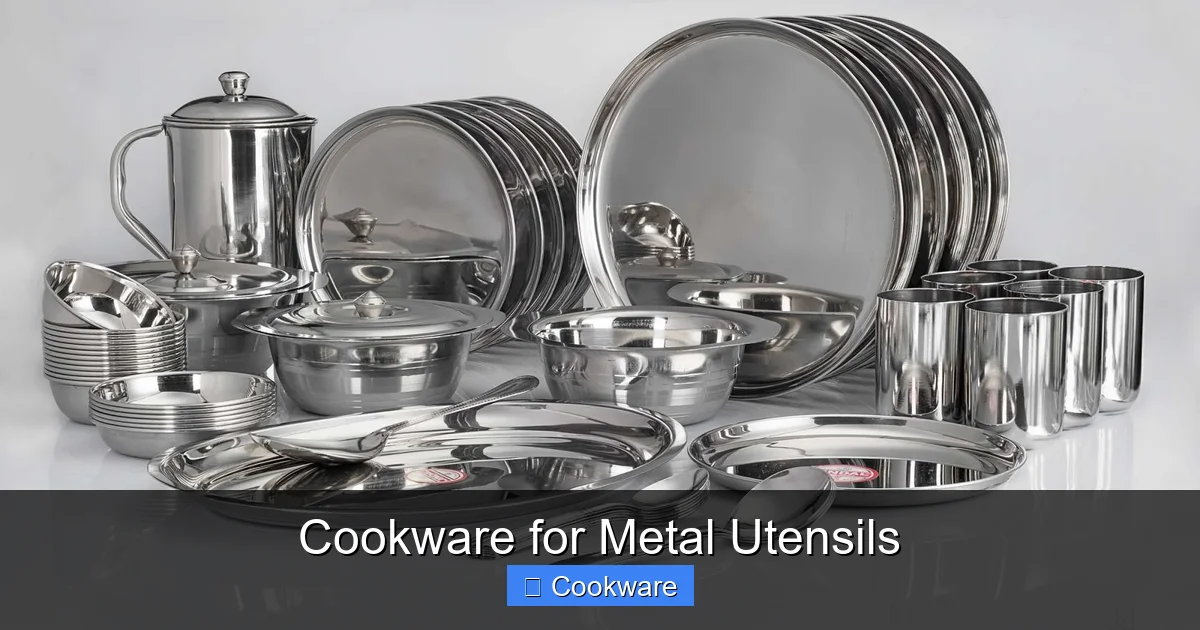
Visual guide about Cookware for Metal Utensils
Image source: i.pinimg.com
Construction Quality
Look for pans with a thick base and bonded layers. A thin base can warp under high heat, especially when you use a metal spatula to press down on food. Tri‑ply (stainless‑steel‑aluminum‑stainless) or five‑ply constructions provide stability and even heating.
Surface Finish
A smooth, polished interior reduces friction and helps metal utensils glide. If the surface feels rough or has visible texture, it may be more prone to scratching. For non‑stick pans, verify that the manufacturer explicitly states “metal‑utensil safe” on the packaging or website.
Handle Design
Handles should be securely riveted and stay cool enough to hold while cooking. Some handles are made of stainless steel, which can get hot; others feature silicone or rubber grips for comfort. Ensure the handle is oven‑safe if you plan to finish dishes in the oven.
Compatibility with Your Stove
Not all cookware works on induction tops. If you have an induction cooktop, choose magnetic stainless steel or cast iron. For gas or electric ranges, most materials are fine, but a flat base ensures better contact with the burner.
For more induction‑specific options, see the best pots and pans for induction cooking article.
Weight and Balance
A well‑balanced pan feels stable in your hand, reducing the chance of accidental slips that could cause scratches. Heavier pans often indicate thicker construction, which contributes to durability.
Top Cookware Recommendations for Metal Utensils
Below are several highly regarded options that consistently earn praise for standing up to metal tools. Each recommendation includes a brief note on why it works well.
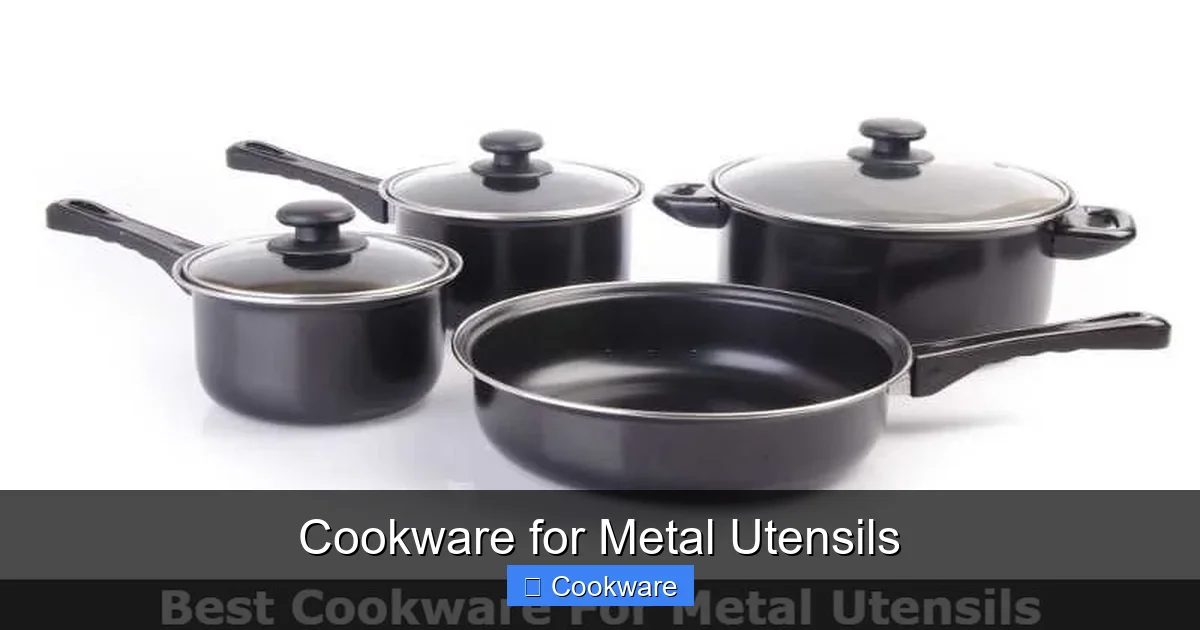
Visual guide about Cookware for Metal Utensils
Image source: bestcookwareshome.com
All-Clad D3 Stainless Steel Tri‑Ply Bonded Cookware Set
This set features a stainless‑steel interior that is polished to a mirror finish, making it resistant to scratches from metal spoons. The aluminum core provides rapid, even heating, and the exterior is brushed stainless for a classic look. It is compatible with all stovetops, including induction, and is oven safe up to 600 °F.
Calphalon Classic Hard‑Anodized Non‑Stick Fry Pan
The hard‑anodized exterior is extremely tough, while the interior non‑stick layer is labeled metal‑utensil safe. The pan heats quickly and releases food easily, making it ideal for eggs, pancakes, and sautéed vegetables. It is oven safe to 450 °F and works on gas, electric, and ceramic stovetops.
Lodge Cast Iron Skillet (Pre‑Seasoned)
Lodge’s pre‑seasoned cast iron arrives ready to use. The seasoned surface tolerates metal utensils, especially when you avoid aggressive scraping. With proper care, the skillet develops a natural non‑stick patina that improves over time. It is oven safe, broiler safe, and works on induction when you use a magnetic base.
Made In Carbon Steel Fry Pan
Made In’s carbon steel pan offers a lightweight alternative to cast iron with comparable heat retention. The surface develops a protective patina with use, allowing metal spatulas and tongs to glide smoothly. It is oven safe to 800 °F and works on all stovetops, including induction.
GreenPan Valencia Pro Ceramic Non‑Stick Cookware Set
This set uses a ceramic‑reinforced non‑stick coating that is free of PFAS, PFOA, lead, and cadmium. The manufacturer states it is safe for metal utensils, though gentle use extends the coating’s life. The hard‑anodized aluminum body ensures even heating, and the set is oven safe to 600 °F.
Caring for Your Metal‑Utensil Safe Cookware
Even the toughest surfaces benefit from proper maintenance. Follow these practices to keep your pans looking and performing like new.
Cleaning After Each Use
Allow the pan to cool slightly, then rinse with warm water. Use a soft sponge or nylon brush with a mild dish soap. Avoid steel wool or abrasive pads, as they can dull the finish over time. For stuck‑on food, fill the pan with warm, soapy water and let it soak for 10‑15 minutes before gently scrubbing.
Removing Stubborn Residue
If you encounter baked‑on residue, create a paste of baking soda and water. Apply it to the affected area, let it sit for a few minutes, then scrub with a non‑abrasive pad. Rinse thoroughly and dry immediately to prevent water spots.
Maintaining Seasoning on Cast Iron and Carbon Steel
After washing, dry the pan completely on low heat. Then apply a thin layer of high‑smoke‑point oil (such as grapeseed or flaxseed oil) to the interior surface. Heat the pan for a few minutes to polymerize the oil, then let it cool. Repeat this process occasionally to keep the non‑stick layer intact.
Storing Your Pans
To prevent scratches, place a pan protector, a paper towel, or a silicone mat between stacked pans. If you have a pot rack, hang the pans by their handles so they do not touch each other. Avoid storing heavy items on top of non‑stick surfaces.
Using the Right Utensils
Even metal‑utensil safe cookware lasts longer when you choose the right tool for the job. Use a silicone spatula for delicate foods like fish, a stainless‑steel spoon for stirring sauces, and a wooden spoon for gentle mixing. Reserve metal tongs for flipping meats or turning vegetables where a firm grip is needed.
Common Myths About Metal Utensils and Cookware
Misconceptions can lead to unnecessary anxiety or improper use. Let’s debunk a few of the most common myths.
Myth 1: All Non‑Stick Pans Are Ruined by Metal Utensils
While traditional PTFE‑based non‑stick coatings can be scratched by metal, many newer ceramic‑reinforced or titanium‑infused non‑stick surfaces are designed to tolerate metal contact. Always check the manufacturer’s guidelines before assuming a pan is off‑limits.
Myth 2: Stainless Steel Is Completely Scratch‑Proof
Stainless steel is resistant, but not immune. Abrasive cleaners, steel wool, or dragging a heavy metal edge across a polished surface can create fine scratches over time. Proper cleaning habits keep the surface looking pristine.
Myth 3: Cast Iron Cannot Be Used with Metal Utensils at All
A well‑seasoned cast iron pan handles metal utensils quite well. The seasoning acts as a protective layer. Only aggressive scraping or using a sharp metal edge to chip away at the seasoning will cause damage.
Myth 4: Hard‑Anodized Aluminum Is Too Soft for Metal Tools
The anodizing process creates a surface that is significantly harder than raw aluminum. It stands up to metal spatulas and spoons without noticeable wear, making it a popular choice for everyday cooking.
Putting It All Together: Building a Metal‑Utensil Friendly Kitchen
Creating a kitchen that works smoothly with metal utensils involves selecting the right cookware, caring for it properly, and using the appropriate tools for each task. Start by assessing your current pots and pans. Identify any that show signs of wear or that you hesitate to use with metal spoons. Replace those with one of the recommendations above that matches your cooking style and stove type.
Next, establish a simple cleaning routine: rinse, gentle scrub, dry, and occasional oiling for season‑dependent materials. Store your cookware with protectors to avoid accidental scratches. Finally, keep a small selection of utensils on hand—silicone for delicate tasks, stainless steel for hearty stirring, and wood for gentle mixing—so you always have the right tool without over‑relying on metal.
By following these steps, you’ll enjoy the durability and performance of metal‑utensil safe cookware for years to come, making every meal preparation smoother and more enjoyable.
Conclusion
Choosing cookware that can handle metal utensils is not just about avoiding scratches; it’s about investing in tools that deliver consistent heat, reliable non‑stick performance, and long‑term value. Stainless steel, hard‑anodized aluminum, seasoned cast iron, carbon steel, and certain ceramic‑reinforced non‑stick surfaces all offer the toughness needed for daily metal‑tool use. Pay attention to construction quality, surface finish, and stove compatibility when you shop, and maintain your pans with gentle cleaning, proper seasoning, and smart storage.
With the right cookware in your cabinet, you can confidently reach for your favorite metal spatula, whisk, or tongs without worrying about damaging the pan. Happy cooking!
Frequently Asked Questions
Can I use metal utensils on non‑stick pans?
Only if the pan’s coating is specifically labeled as metal‑utensil safe, such as certain ceramic‑reinforced or titanium‑infused non‑stick surfaces. Traditional PTFE‑based non‑stick pans should be used with silicone, wood, or nylon utensils to avoid scratching the coating.
Is stainless steel cookware safe for metal utensils on induction cooktops?
Yes, as long as the stainless steel has a magnetic base (usually a layer of ferritic stainless steel). Many tri‑ply or five‑ply stainless steel sets are induction compatible and resist scratching from metal spoons and spatulas.
How do I know if my hard‑anodized pan is still safe for metal utensils?
Check the manufacturer’s care instructions; most hard‑anodized pans are marketed as metal‑utensil safe. If the surface looks smooth and shows no deep scratches or flaking, it is likely still fine. Avoid using steel wool or abrasive cleaners that could damage the anodized layer.
Should I season my stainless steel pan before using metal utensils?
Seasoning is not required for stainless steel, but a light coating of oil can help prevent food from sticking, especially when searing. The metal surface itself will tolerate metal utensils without needing a seasoning layer.
What is the best way to store cookware to prevent scratching from metal utensils?
Place a pan protector, a soft cloth, or a silicone mat between stacked pans. Hanging pots and pans by their handles on a rack also keeps them from touching each other and preserves the cooking surfaces.
Can I put my metal‑utensil safe cookware in the dishwasher?
Many stainless steel and hard‑anodized pans are dishwasher safe, but hand washing is gentler and extends the life of the surface. For cast iron, carbon steel, and seasoned pans, hand washing and immediate drying are essential to maintain seasoning.