Dishwasher Safe Cookware
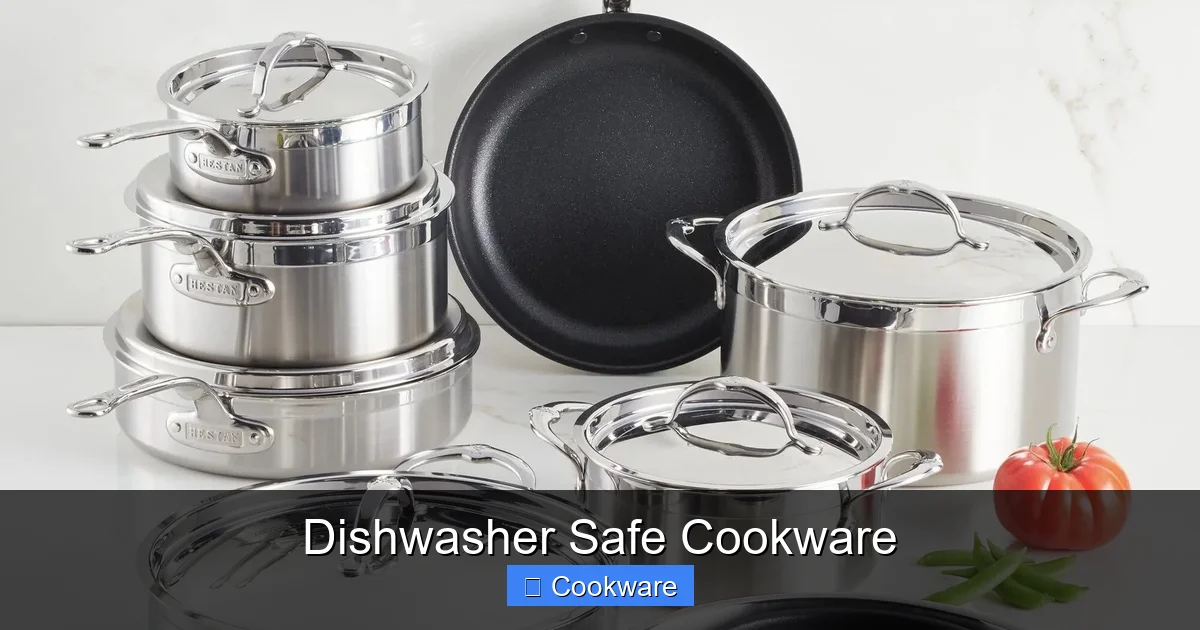
Dishwasher safe cookware saves you time and hassle, but not all pieces are truly dishwasher‑friendly. This guide breaks down the best materials, essential maintenance tips, and smart buying advice so you can enjoy sparkling clean pots without damage.
Key Takeaways
- Material matters: Hard‑anodized aluminum, stainless steel, and certain non‑stick coatings survive dishwashers best.
- Read the label: Manufacturer claims are the first clue, but real‑world testing reveals hidden weaknesses.
- Proper loading: Positioning cookware correctly prevents warping and protects handles.
- Detergent choice: Low‑phosphate, non‑abrasive detergents extend the life of dishwasher safe cookware.
- Hand‑wash when in doubt: Delicate pieces benefit from a quick hand rinse even if labeled dishwasher safe.
- Upgrade wisely: Investing in a reputable dishwasher safe set reduces replacement costs.
- Maintenance hacks: Regular seasoning of cast iron and occasional silicone‑coated pan checks keep performance high.
📑 Table of Contents
- Why Dishwasher Safe Cookware Is a Game‑Changer
- What Makes a Piece of Cookware Dishwasher Safe?
- How to Test If Your Cookware Is Really Dishwasher Safe
- Best Materials for Dishwasher Safe Cookware
- Loading Your Dishwasher for Maximum Longevity
- Maintaining the Look and Performance of Dishwasher Safe Cookware
- Top Picks: Best Dishwasher Safe Cookware Sets in 2024
- Eco‑Friendly Dishwasher Practices
- Conclusion
Why Dishwasher Safe Cookware Is a Game‑Changer
Imagine finishing a big family dinner and simply sliding your pots and pans into the dishwasher. No scrubbing, no lingering food smells, just clean cookware ready for the next meal. That convenience is the main draw of dishwasher safe cookware. But the promise of “dishwasher safe” can be misleading if you don’t understand the science behind it.
In this article we’ll explore the materials that truly survive the heat, water pressure, and harsh detergents of modern dishwashers. We’ll also share practical tips for loading, cleaning, and maintaining your cookware so it stays bright and functional for years.
What Makes a Piece of Cookware Dishwasher Safe?
1. Material durability
The core of any dishwasher safe claim is the material’s resistance to corrosion, warping, and coating breakdown. The most reliable options are:
- Hard‑anodized aluminum: This material is electro‑treated to create a hard, non‑porous surface that resists scratches and oxidation. It’s a favorite for many chefs because it heats evenly and remains lightweight.
- Stainless steel: 18/10 stainless steel tolerates high temperatures and aggressive detergents without rusting.
- Silicone‑coated non‑stick: Modern PTFE‑free coatings can handle dishwasher cycles, though they may lose some release properties over time.
If you’re curious about top‑rated sets, check out our roundup of the best hard anodized dishwasher safe cookware set for a detailed comparison.
2. Construction style
Tri‑ply or multi‑layer construction (e.g., stainless‑steel core with aluminum or copper layers) distributes heat evenly and reduces the chance of warping under dishwasher heat. Single‑piece cast iron, even when enamel‑coated, often fares poorly because the weight and thermal expansion can stress the coating.
3. Handle and lid design
Handles made from stainless steel or heat‑resistant silicone stay attached during the wash cycle. Plastic or wooden handles may loosen or crack. Lids with vent holes are preferable; solid lids can trap steam and cause pressure buildup.
How to Test If Your Cookware Is Really Dishwasher Safe
Quick visual check
Look for a dishwasher safe symbol (usually a plate with water droplets) on the bottom or in the user manual. If the symbol is missing, assume the piece needs hand washing.
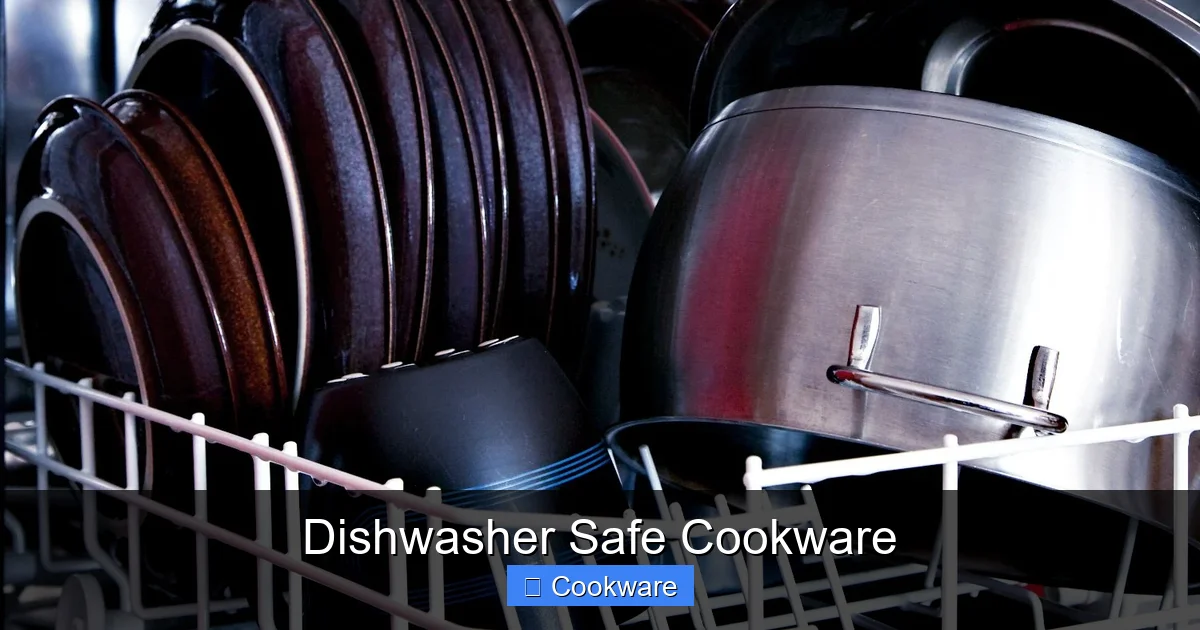
Visual guide about Dishwasher Safe Cookware
Image source: clankitchen.com
Spot test at home
Place a single item on the top rack, use a mild detergent, and run a short “normal” cycle. After the wash, inspect for:
- Discoloration or fading of the coating
- Warpage or bent rims
- Loose handles or lids
If any of these issues appear, move the item to hand‑wash only.
Reference guide
Our best pots and pans that are dishwasher safe article provides a detailed chart of brands and models that have passed rigorous testing.
Best Materials for Dishwasher Safe Cookware
Hard‑Anodized Aluminum
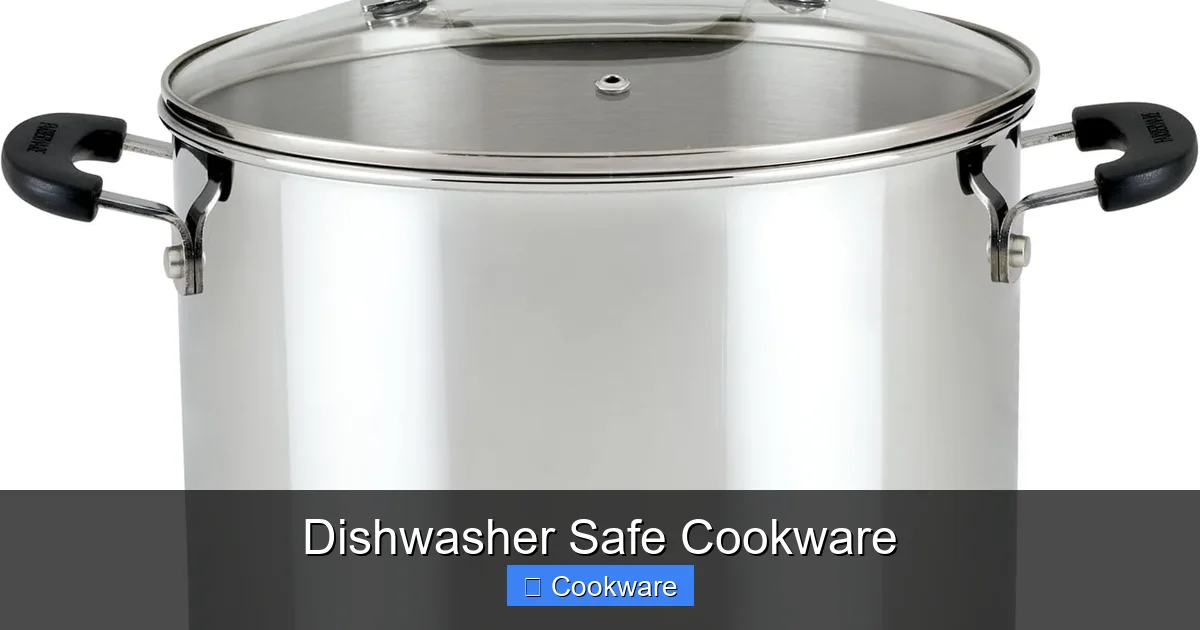
Hard‑anodized aluminum is the gold standard for dishwasher safe cookware. The anodization process creates a hard, non‑reactive surface that won’t leach metals into food. It also resists the high‑temperature cycles of most dishwashers.
Visual guide about Dishwasher Safe Cookware
Image source: m.media-amazon.com
Pros:
- Excellent heat conductivity
- Lightweight, easy to handle
- Durable non‑stick surface (when coated)
Cons:
- May discolor if used with highly acidic foods for long periods
- Coatings can wear after 150–200 cycles if harsh detergents are used.
Stainless Steel
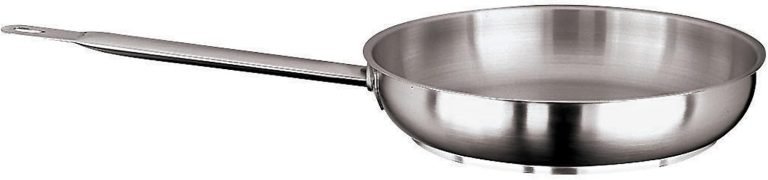
Stainless steel cookware is virtually indestructible in a dishwasher. It tolerates high heat, resists rust, and maintains its shine.
Pros:
- Non‑reactive – perfect for acidic sauces
- Compatible with induction, gas, and electric cooktops
- Easy to sanitize
Cons:
- Poor heat distribution unless bonded with an aluminum core
- Food can stick if the pan isn’t pre‑heated properly.
Silicone‑Coated Non‑Stick
Newer PTFE‑free non‑stick coatings use silicone or ceramic particles that can survive dishwasher cycles. They are a good choice for low‑fat cooking and quick cleanup.
Pros:
- Excellent release properties
- Generally safe for metal utensils
- Lightweight
Cons:
- May lose some non‑stick performance after 100+ washes
- Scratches easily if abrasive sponges are used.
Loading Your Dishwasher for Maximum Longevity
Top‑rack placement
Always place cookware on the top rack unless the manufacturer states otherwise. The top rack receives gentler water pressure and lower temperatures, reducing warping risk.
Spacing is key
Leave at least 1‑2 cm between each piece. Overcrowding blocks water spray and can cause detergent to pool, leading to streaks or coating breakdown.
Secure handles and lids
Angle handles downward so they don’t snag on the rack. Use silicone or plastic clips to keep lids in place if they tend to flip during the cycle.
Detergent dosage
Use the recommended amount of a low‑phosphate, non‑abrasive detergent. Over‑dosing creates excessive suds that may coat cookware with residue, while under‑dosing leaves food particles behind.
Maintaining the Look and Performance of Dishwasher Safe Cookware
Regular rinses
Even if your cookware is dishwasher safe, a quick rinse after each use removes stubborn oils that can bake onto the surface during the wash.
Seasoning cast‑iron alternatives
Enamel‑coated cast iron is often labeled dishwasher safe, but the enamel can develop micro‑cracks over time. Lightly oil the interior after each wash to keep the coating sealed.
Polishing stainless steel
Use a gentle stainless‑steel cleaner or a mixture of vinegar and water to remove water spots after drying. This prevents mineral buildup that looks like rust.
When to switch to hand‑wash
If you notice any of the following, move the piece to hand‑wash only:
- Peeling non‑stick coating
- Loose handles or warped rims
- Persistent cloudiness after multiple cycles
Top Picks: Best Dishwasher Safe Cookware Sets in 2024
1. Best Hard‑Anodized Set
Our favorite is the Best Hard Anodized Dishwasher Safe Cookware Set 2. It offers a 12‑piece collection with reinforced silicone handles and a triple‑layer core for even heating.
2. Stainless Steel Classic
The 15‑piece stainless steel set from a leading brand combines an aluminum core for heat distribution with riveted stainless steel handles. It’s dishwasher safe and induction compatible.
3. Non‑Stick Everyday
For low‑fat cooking, the ceramic‑coated 10‑piece set provides excellent release and passes dishwasher tests for up to 200 cycles.
4. Budget Friendly
A 7‑piece hard‑anodized set from an emerging brand offers solid performance at a lower price point, and it’s backed by a 2‑year warranty.
Eco‑Friendly Dishwasher Practices
Choosing the right detergent can make a big difference. Look for plant‑based, phosphate‑free formulas that protect both your cookware and the environment. Our guide to the best eco‑friendly dishwasher detergent for hard water lists options that clean without leaving a film on non‑stick surfaces.
Conclusion
Dishwasher safe cookware is a convenience that, when chosen wisely, saves you time without sacrificing performance. Focus on hard‑anodized aluminum, stainless steel, or high‑quality silicone‑coated non‑stick pieces. Follow proper loading techniques, use the right detergent, and give delicate items a quick hand‑wash when needed. With these habits, your pots and pans will stay bright, functional, and ready for the next delicious meal.
Frequently Asked Questions
Is it safe to put non‑stick pans in the dishwasher?
Many modern non‑stick pans are labeled dishwasher safe, but repeated cycles can gradually reduce their release properties. Use a gentle detergent and consider hand‑washing after a few months to extend lifespan.
Can I wash cast iron cookware in the dishwasher?
Even enamel‑coated cast iron is generally not recommended for dishwashers because the high heat can crack the enamel. Hand‑wash and dry immediately to prevent rust.
Will hard‑anodized aluminum warp in the dishwasher?
Hard‑anodized aluminum is engineered to resist warping, but extreme heat settings or overcrowding can cause slight bending over time. Place it on the top rack and avoid high‑heat “sanitize” cycles.
How often should I replace dishwasher safe cookware?
With proper care, high‑quality dishwasher safe cookware can last 5‑10 years. Replace it when you notice persistent coating wear, warped rims, or loose handles.
Do I need a special detergent for dishwasher safe cookware?
Low‑phosphate, non‑abrasive detergents work best. They clean effectively without eating away at non‑stick or anodized surfaces.
Can I use the dishwasher’s sanitize cycle on my cookware?
Sanitize cycles use higher temperatures that can stress handles and coatings. Reserve this setting for dishes only, and stick to the regular wash for your cookware.