Electric Coil Cooktop
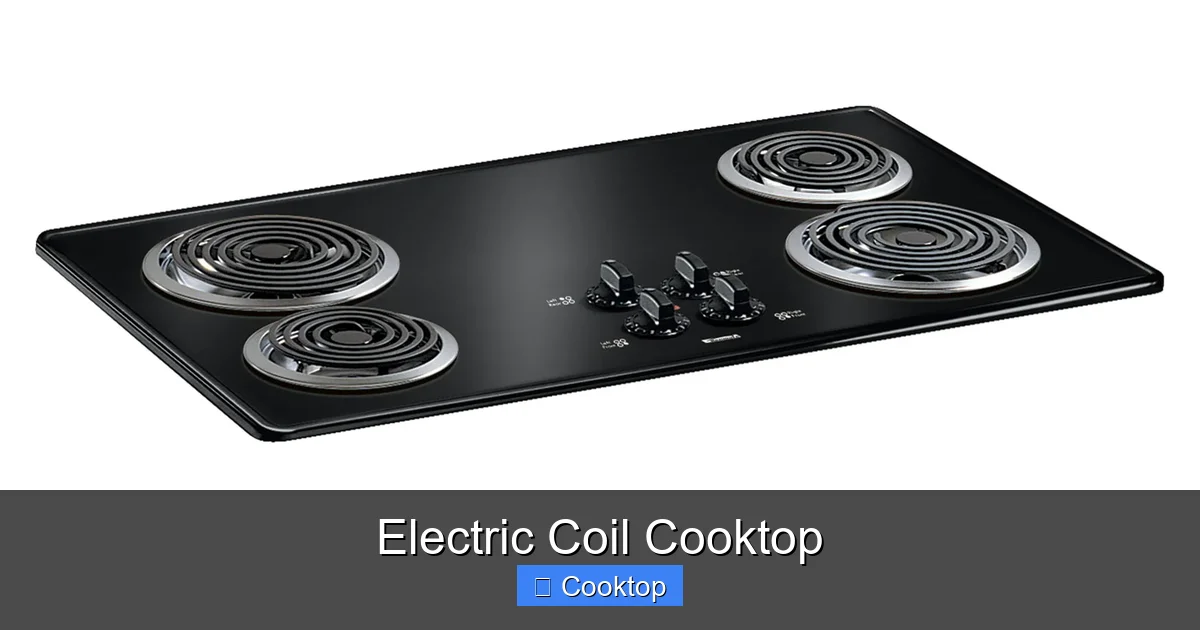
An Electric Coil Cooktop offers a budget-friendly, durable cooking surface that heats quickly and works with any cookware, making it a reliable choice for many kitchens. While it may not match the sleek look of glass tops, its simplicity and ease of repair keep it popular among home cooks and professionals alike.
Key Takeaways
- Affordability: Electric Coil Cooktops are generally the least expensive option on the market, making them ideal for budget-conscious buyers.
- Universal cookware compatibility: Because the heating element is exposed, any flat-bottomed pan — stainless steel, cast iron, aluminum, or ceramic — works efficiently.
- Fast heat response: Coils reach temperature quickly and cool down rapidly when turned off, offering precise control for simmering or searing.
- Easy maintenance and repair: Individual coils can be replaced without replacing the whole unit, and cleaning is straightforward with standard non‑abrasive cleaners.
- Durability: The rugged metal coils resist cracking and can handle heavy pots and pans better than delicate glass surfaces.
- Energy efficiency: Modern models feature improved insulation and wattage options that reduce electricity usage compared with older coil units.
📑 Table of Contents
What Is an Electric Coil Cooktop?
An Electric Coil Cooktop is a type of stovetop that uses metal heating coils to generate heat. When electricity flows through the coiled resistor, it becomes hot and transfers that heat directly to the cookware placed on top. This design has been around for decades and remains a staple in many homes because it is simple, reliable, and inexpensive.
Unlike smooth glass or induction cooktops, the coils are visible and sit slightly above the countertop surface. They come in various sizes, usually ranging from 6 inches to 9 inches in diameter, and can be configured in two‑, four‑, or six‑element layouts. The exposed nature of the coils means they can accommodate virtually any type of pot or pan, as long as the bottom makes good contact with the hot surface.
If you have ever rented an apartment or bought a starter kitchen set, you have likely encountered an Electric Coil Cooktop. Its low upfront cost makes it a frequent choice for landlords, first‑time homeowners, and anyone looking to equip a kitchen without breaking the bank.
How Electric Coil Cooktops Work
At the heart of each coil is a nichrome wire wound into a spiral. When you turn the knob, an electrical current passes through this wire, encountering resistance that converts electrical energy into heat. The heat then radiates outward from the coil, warming the glass‑ceramic or metal drip pan beneath it and, ultimately, the cookware.
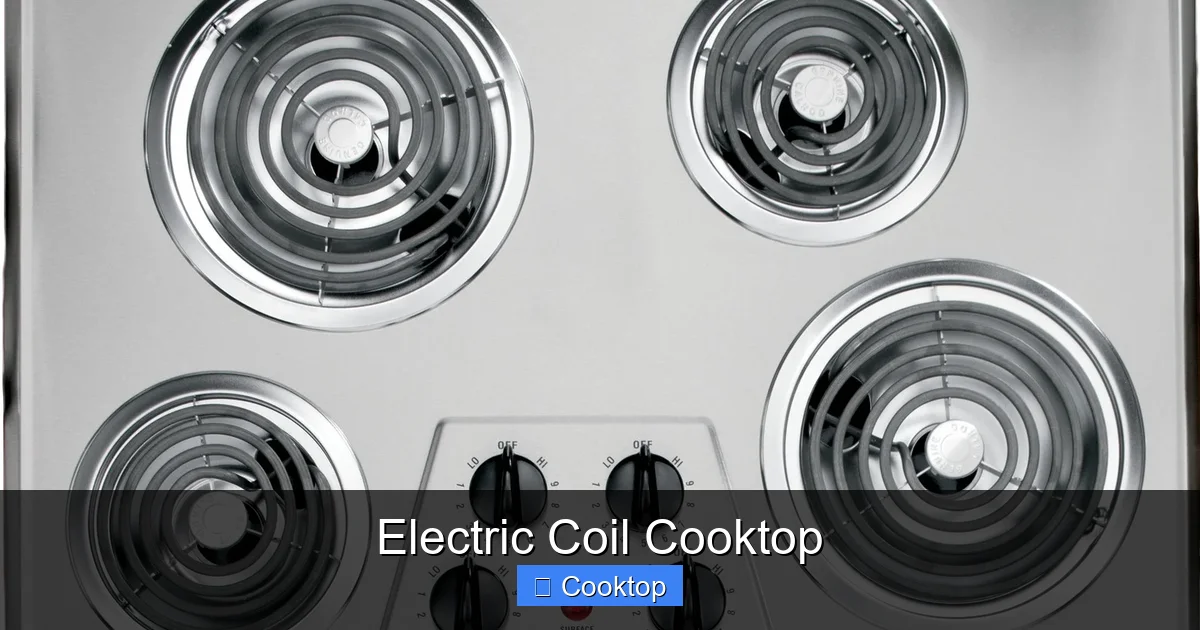
Visual guide about Electric Coil Cooktop
Image source: ajmadison.com
Heat Transfer Process
1. Electricity flows into the coil.
2. The nichrome resistor heats up to temperatures often exceeding 400°F (200°C).
3. Heat transfers to the drip pan, which spreads the warmth evenly.
4. The cookware sitting on the pan absorbs the heat and transfers it to the food.
Because the heating element is exposed, there is minimal lag between turning the knob and feeling the heat. When you turn the knob off, the coil cools down relatively fast, which helps prevent overcooking.
Power Ratings
Most residential Electric Coil Cooktop units offer elements rated between 1200 watts and 2500 watts. Larger elements for boiling or frying tend toward the higher end, while smaller simmer elements stay around 1200‑1500 watts. Some high‑end models include dual‑wattage settings that let you switch between a low‑power simmer and a high‑power boil.
Pros and Cons of Electric Coil Cooktops
Every cooking surface has trade‑offs. Understanding the advantages and disadvantages of an Electric Coil Cooktop helps you decide if it matches your cooking style and kitchen priorities.
Visual guide about Electric Coil Cooktop
Image source: c.shld.net
Advantages
- Low cost: You can often find a reliable Electric Coil Cooktop for under $200, making it the most budget‑friendly option.
- Cookware flexibility: No special pots are needed; any flat‑bottomed pan works, including cast iron, which many cooks love.
- Quick heat‑up: Coils reach temperature in seconds, ideal for tasks like boiling water or searing meat.
- Simple repairs: If a coil burns out, you can replace just that element rather than the whole cooktop.
- Durable surface: The metal coils resist scratches and cracks, standing up to heavy use.
Disadvantages
- Visible coils: The exposed heating elements can look dated compared to sleek glass tops.
- Uneven heating on large pans: Very large cookware may not sit perfectly over the coil, leading to hot spots.
- Cleaning around drip pans: Food can spill into the drip pans, requiring occasional removal and scrubbing.
- Residual heat: After turning off, the coil stays hot for a short period, which can be a safety concern if not monitored.
- Energy use: Older models can be less efficient than newer induction or radiant options, though modern coils have improved.
Choosing the Right Electric Coil Cooktop for Your Kitchen
Selecting the best Electric Coil Cooktop involves more than just price. You need to consider size, element configuration, controls, and any special features that match your cooking habits.
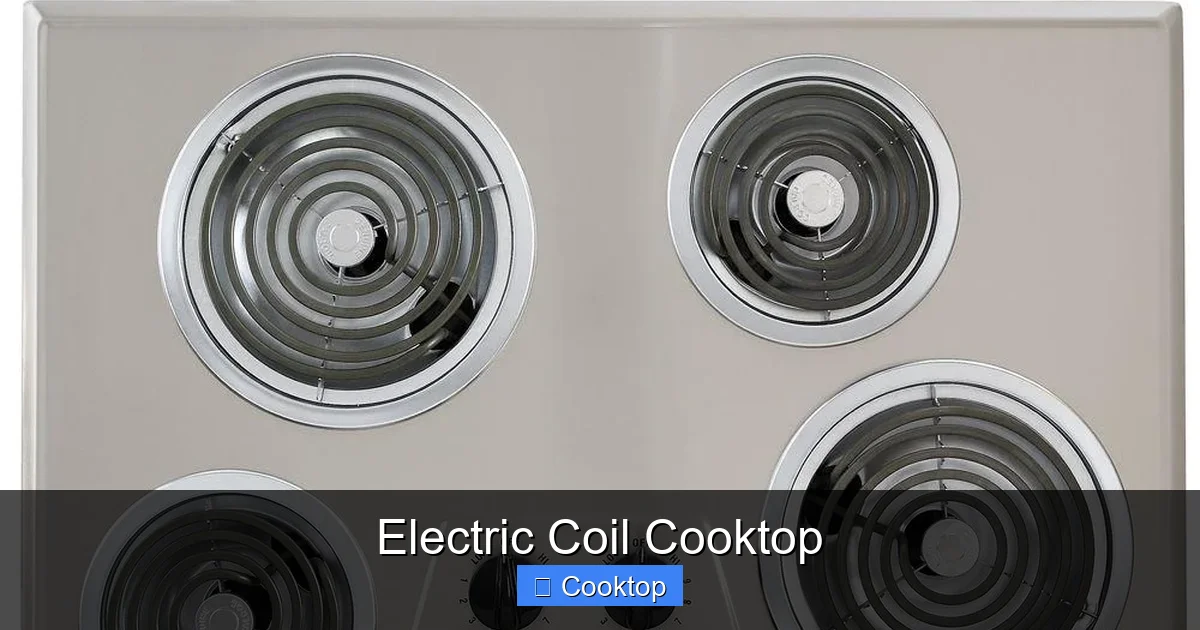
Visual guide about Electric Coil Cooktop
Image source: images.homedepot-static.com
Size and Layout
Measure your countertop cutout carefully. Most Electric Coil Cooktop units come in standard widths of 30 inches, 36 inches, or 42 inches. A 30‑inch model usually offers four elements, while a 36‑inch model may provide five or six. If you often cook with large stockpots or griddles, look for a unit with at least one large (9‑inch) element.
Control Types
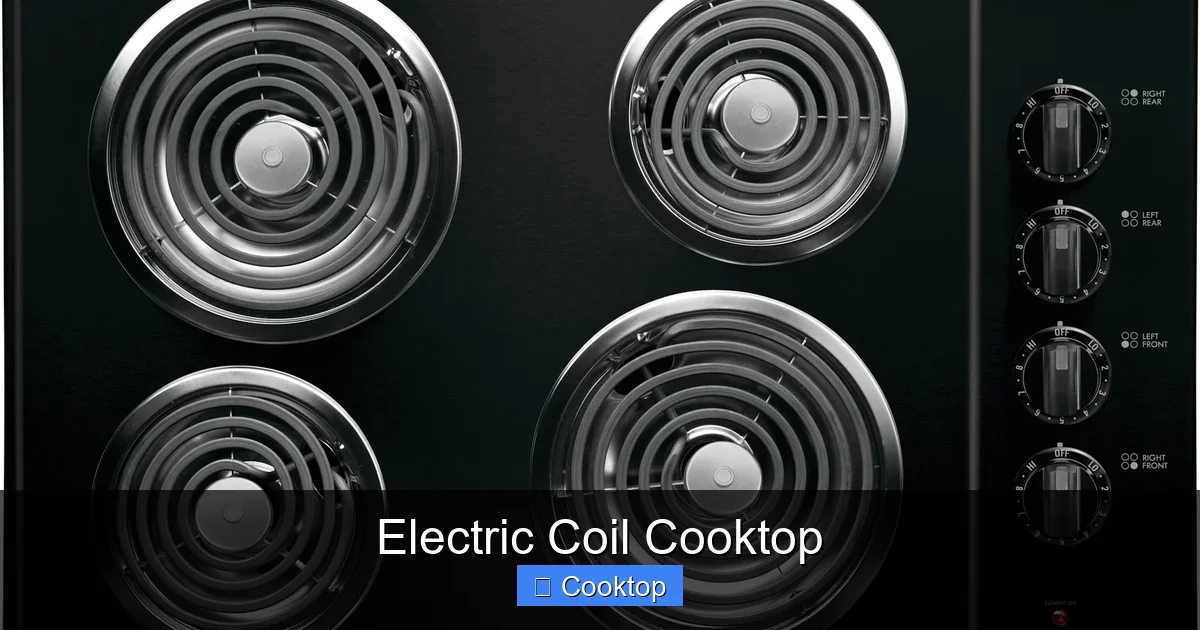
Traditional coil cooktops use rotary knobs that click into place for each heat setting. Some newer models feature touch‑sensitive controls or digital displays that allow precise temperature selection. If you prefer tactile feedback, stick with the classic knobs; if you like a modern look, consider a touch‑control version.
Special Features
Look for models that include:
- Indicator lights: Show when an element is hot, improving safety.
- Drip‑pan design: Removable, dishwasher‑safe pans make cleanup easier.
- Wattage options: Dual‑wattage elements let you switch between a low simmer and a high boil without changing pans.
- Compatibility with accessories: Some brands offer grill plates or griddle inserts that sit directly on the coil.
If you frequently use cast iron skillets, you might want to check out our guide on Electric Cooktop For Cast Iron for tips on selecting a cooktop that handles heavy pans well.
Maintenance and Cleaning Tips
Keeping an Electric Coil Cooktop in good shape is straightforward, but a few habits will extend its life and keep it looking tidy.
Daily Cleaning
After each use, let the cooktop cool completely. Wipe the surface with a soft, damp cloth to remove any spills or splatters. For stubborn residue, use a mild dish soap solution and a non‑abrasive sponge. Avoid steel wool or harsh scouring pads, as they can scratch the drip pans.
Deep Cleaning the Drip Pans
Remove the drip pans according to the manufacturer’s instructions. Soak them in warm, soapy water for 10‑15 minutes, then scrub with a nylon brush. Rinse thoroughly and dry before replacing. If the pans are heavily stained, a paste of baking soda and water applied for a few minutes can help lift the grime.
Coil Care
Inspect the coils periodically for signs of warping or discoloration. If a coil appears damaged or no longer heats evenly, replace it promptly. Most manufacturers sell replacement coils that are easy to install — just unplug the old coil, disconnect the wiring, and plug in the new one.
Preventive Measures
- Always lift pots and pans instead of sliding them across the coils to avoid scratching the drip pans.
- Use burner covers when the cooktop is not in use to keep dust and debris out of the drip pans.
- Avoid placing wet or icy cookware directly on a hot coil; the sudden temperature change can cause the coil to crack.
Popular Models and Where to Buy
The market offers a range of Electric Coil Cooktop options, from basic units to feature‑rich models. Below are a few well‑reviewed choices that consistently receive high marks for performance and value.
1. GE Profile 30‑Inch Electric Coil Cooktop (Model JP3030DJBB)
This model features four elements, including a powerful 3200‑watt burner for rapid boiling. The knobs are sturdy, and the drip pans are dishwasher safe. Users praise its even heat distribution and reliable performance over years of use.
2. Frigidaire 30‑Inch Electric Coil Cooktop (Model FGEC3045KB)
Frigidaire’s offering includes a bridge element that lets you combine two coils for larger cookware. The smooth‑finish drip pans reduce food trapping, and the control knobs have clear heat‑setting indicators. It’s a solid mid‑range pick for families.
3. Summit Appliances 24‑Inch Electric Coil Cooktop (Model CT240SS)
Ideal for smaller kitchens or apartments, this compact unit provides two high‑power elements and a simmer burner. Its stainless‑steel trim gives it a modern look despite the coil design. Reviewers note its quick heat‑up and easy installation.
When shopping, consider checking out our roundup of the Best 30 Inch Electric Coil Slide In Range if you prefer a slide‑in style that integrates seamlessly with your cabinetry.
Most major retailers — Home Depot, Lowe’s, Amazon, and appliance‑specific sites — carry these models. Look for sales during holiday weekends or end‑of‑model‑year clearances to get the best price.
Is an Electric Coil Cooktop Right for You?
Deciding whether to choose an Electric Coil Cooktop comes down to weighing your priorities. If you value low upfront cost, compatibility with all cookware, and straightforward repairs, this type of cooktop is a strong contender. If you prefer a sleek, seamless look and the fastest possible heat response, you might explore glass ceramic or induction alternatives.
Think about your typical cooking routines. Do you often simmer sauces for hours? Do you frequently use heavy cast‑iron skillets? Do you like being able to replace a single burner without replacing the whole unit? If you answered yes to most of these, an Electric Coil Cooktop will likely serve you well for many years.
Ultimately, the best kitchen is one that matches your habits, budget, and aesthetic taste. An Electric Coil Cooktop offers a time‑tested solution that continues to prove its worth in homes across the country.
Frequently Asked Questions
What is the main difference between an Electric Coil Cooktop and a glass ceramic cooktop?
The primary difference lies in the heating surface. An Electric Coil Cooktop uses exposed metal coils that sit above a drip pan, while a glass ceramic cooktop has a smooth, flat surface with heating elements located beneath the glass. Coils work with any flat‑bottomed pan, whereas glass tops require cookware with good magnetic or conductive properties for optimal performance.
Can I use cast iron cookware on an Electric Coil Cooktop?
Yes, cast iron works exceptionally well on an Electric Coil Cooktop because the coils transfer heat directly to the pan’s bottom. Just make sure the cast iron piece has a flat base and avoid sliding it across the coils to prevent scratching the drip pans.
How often should I replace the drip pans on my Electric Coil Cooktop?
Drip pans should be cleaned after each use to prevent buildup. If they become warped, heavily stained, or no longer sit flush, replace them. Most users find that a set of drip pans lasts anywhere from six months to two years, depending on cooking frequency and cleaning habits.
Are Electric Coil Cooktops energy efficient?
Modern Electric Coil Cooktops have improved insulation and wattage options that make them more efficient than older models. While they may not match the efficiency of induction cooktops, choosing units with dual‑wattage elements and using the correct size burner for your pot can help reduce electricity consumption.
What should I do if a coil stops heating?
First, verify that the cooktop is receiving power and that the control knob is set correctly. If the coil still does not heat, it likely needs replacement. Order a compatible replacement coil from the manufacturer or a reputable parts supplier, unplug the old coil, disconnect the wiring, and install the new one following the product manual.
Can I install an Electric Coil Cooktop myself?
If you have basic electrical knowledge and the proper tools, you can install an Electric Coil Cooktop by following the manufacturer’s wiring instructions. However, if you are unsure about any step or local electrical codes, it is safest to hire a licensed electrician to ensure a safe and correct installation.