Granite Stone Cookware
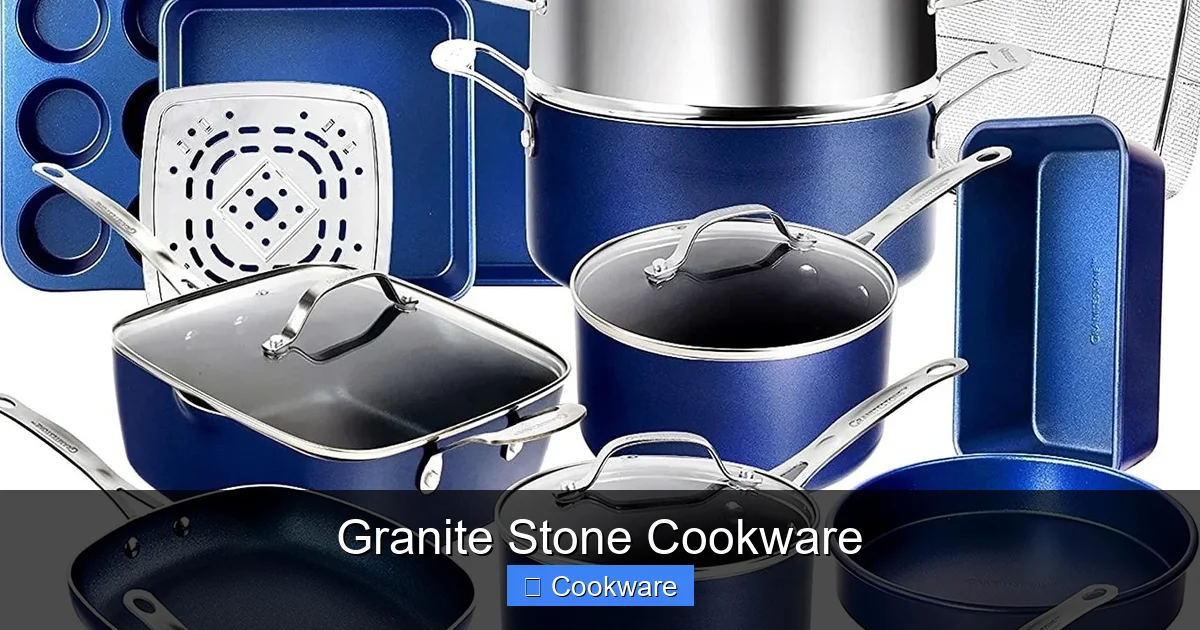
Granite stone cookware offers a unique blend of durability, heat distribution, and non‑stick performance that can elevate any cooking routine. This guide breaks down what makes granite stone pans special, how to select the best set for your kitchen, and practical care tips to keep them shining. Whether you’re a novice cook or a seasoned chef, granite stone cookware can transform your meals with minimal fuss.
Key Takeaways
- Durability: Granite stone cookware withstands high temperatures and frequent use without warping.
- Heat Distribution: The stone base ensures even cooking, reducing hot spots.
- Non‑Stick Surface: Requires little oil, making it healthier and easier to clean.
- Versatility: Works on gas, electric, and induction stovetops.
- Maintenance: Easy to clean with mild soap; avoid abrasive scrubbers.
- Eco‑Friendly: Made from natural materials, it’s a sustainable choice.
- Investment Value: Though pricier upfront, its longevity saves money over time.
📑 Table of Contents
- Why Granite Stone Cookware Is a Game Changer
- How to Choose the Right Granite Stone Cookware Set
- Cooking Tips for Granite Stone Cookware
- Cleaning and Maintenance: Keep Your Pan Bright
- Eco‑Friendly and Health Benefits
- Comparing Granite Stone to Other Cookware Options
- Real‑World User Experience
- Final Thoughts: Is Granite Stone Cookware Worth It?
Why Granite Stone Cookware Is a Game Changer
Picture a pan that stays cool to touch, spreads heat evenly, and keeps food from sticking without extra oil. That’s the promise of granite stone cookware. The material blends crushed granite, ceramic, and polymer to create a surface that’s both tough and smooth. In everyday kitchen use, this means you can sear a steak, sauté vegetables, or simmer sauces with confidence that nothing will burn or stick.
Many cooks turn to granite stone pans after trying traditional metal pots that warp or develop hot spots. Because granite stone is non‑porous, it resists staining and odors even after years of use. If you’re tired of constantly re‑seasoning cast iron or battling uneven heating on stainless steel, granite stone cookware deserves a spot on your counter.
How to Choose the Right Granite Stone Cookware Set
Size Matters: Pick the Right Capacity
Granite stone pans come in various sizes—from 8‑inch skillets to 12‑inch Dutch ovens. Think about the typical portion sizes you cook. A 10‑inch pan is great for a family of four, while an 8‑inch pan works well for single servings.
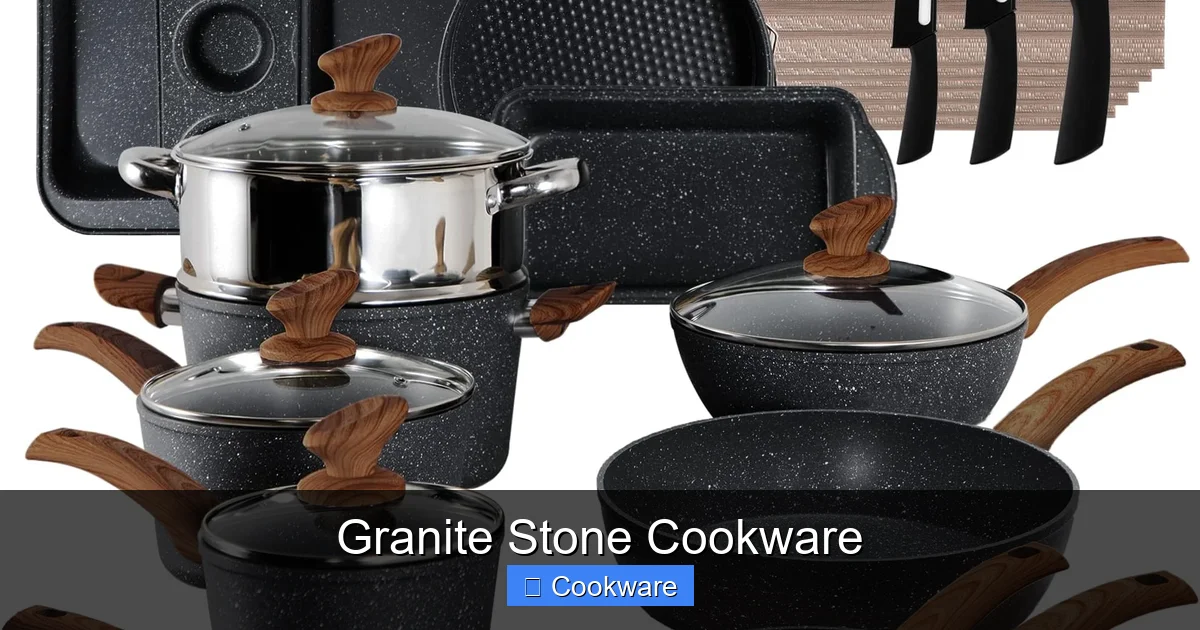
Visual guide about Granite Stone Cookware
Image source: m.media-amazon.com
Weight and Handle Design
Because granite stone is heavy, the handle should be sturdy and heat‑resistant. Look for a handle made from silicone or reinforced plastic that stays cool. This reduces the risk of burns and makes the pan easier to lift.
Compatibility with Your Cooktop
Granite stone cookware is versatile, working on gas, electric, and induction burners. However, check the manufacturer’s spec to confirm induction compatibility if you have a magnetic stove. Some sets include a removable flat base that can be swapped for a magnetic induction plate.
Price vs. Longevity
While granite stone pans are pricier than basic aluminum or stainless steel, they last longer. Invest in a high‑quality set that comes with a warranty. A well‑made granite stone pan can outlast many cheaper alternatives, saving you money in the long run.
Where to Buy
If you’re new to granite stone cookware, start with a reputable brand that offers a range of sizes. For example, the best stainless steel cookware for induction cooktops provides a comparison of induction‑friendly options, which can help you pick a complementary set for your kitchen.
Cooking Tips for Granite Stone Cookware
Preheat Properly
Unlike metal pans that heat quickly, granite stone takes a bit longer to reach the right temperature. Preheat on medium heat for about five minutes before adding oil or food.
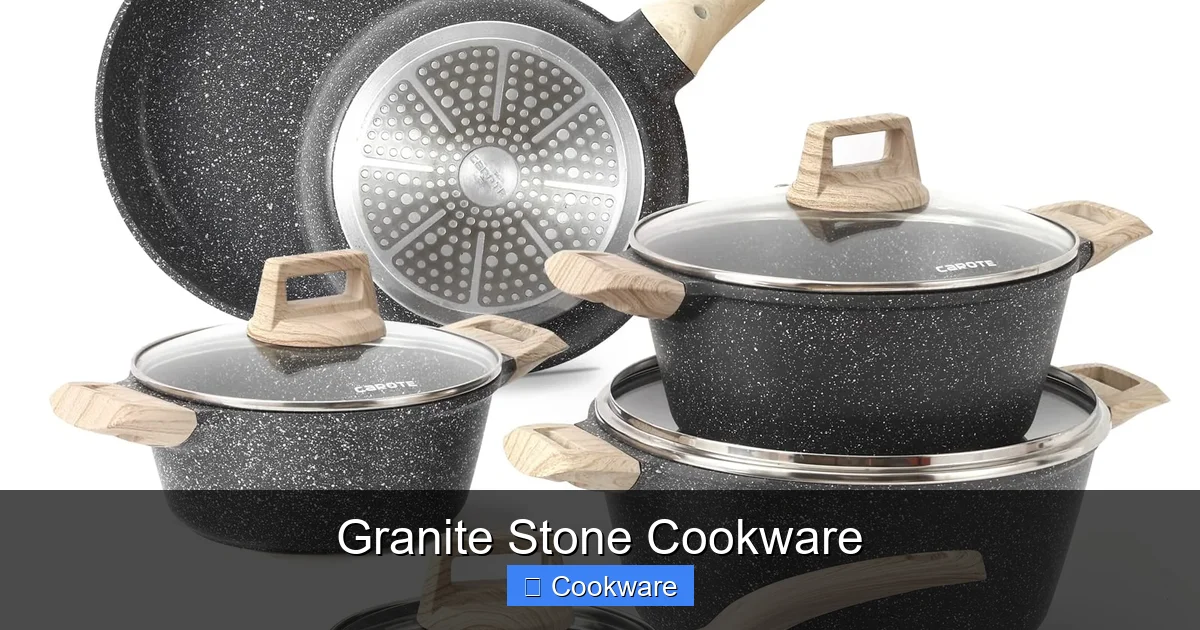
Visual guide about Granite Stone Cookware
Image source: m.media-amazon.com
Use the Right Oils
Because the surface is non‑stick, you only need a light coating of oil. Choose high‑smoke‑point oils like canola or avocado for sautéing. This keeps the pan from developing a greasy film.
Low and Slow for Tough Cuts
Granite stone’s even heating makes it ideal for slow braises. Place your meat in the pan, sear on all sides, then reduce to low heat and cover. The stone retains heat, so the dish cooks evenly.
Don’t Use Metal Utensils
Even though the surface is tough, metal utensils can scratch the glaze. Opt for wooden or silicone tools to keep the pan pristine.
Cleaning and Maintenance: Keep Your Pan Bright
Daily Cleaning
After cooking, rinse the pan with warm water and mild dish soap. Use a soft sponge; avoid abrasive pads that can dull the surface.
Deep Clean for Stubborn Stains
For tough stains, sprinkle baking soda over the wet pan, let it sit for ten minutes, then scrub lightly. Rinse and dry thoroughly.
Avoid Sudden Temperature Changes
Do not splash cold water on a hot granite stone pan. Gradual cooling prevents cracks. If you need to cool it quickly, gently tap the pan with a towel—never drop it.
Storage Tips
Store pans face‑up or with a protective pad between them to avoid scratches. Because granite stone is heavy, keep it on a sturdy shelf rather than the top drawer.
When to Replace
Look for cracks, significant discoloration, or a loss of non‑stick properties. A good granite stone pan should last many years; if it shows serious wear, consider replacing it.
Eco‑Friendly and Health Benefits
Granite stone cookware is made from natural stone and ceramic, free from toxic metals like lead or cadmium. This makes it a healthier choice compared to some coated pans that can leach chemicals over time. Additionally, the non‑stick surface reduces the need for excess oil, cutting down on calories.
From an environmental standpoint, the durability of granite stone means fewer replacements and less waste. You’re investing in a long‑lasting kitchen tool that delivers consistent performance without the need for frequent upgrades.
Comparing Granite Stone to Other Cookware Options
Granite Stone vs. Cast Iron
Cast iron offers excellent heat retention but requires seasoning and can rust. Granite stone is lighter, easier to clean, and doesn’t need seasoning.
Granite Stone vs. Stainless Steel
Stainless steel pans are durable and heat up quickly, but they can create hot spots and require more oil. Granite stone’s even heating and natural non‑stick surface give you a smoother cooking experience.
Granite Stone vs. Hard Anodized Aluminum
Hard anodized aluminum pans are lightweight and conductive but can develop scratches that affect non‑stick performance. Granite stone offers a tougher surface and better heat distribution.
Choosing the Right Set for Your Kitchen
If you want a comprehensive lineup, consider pairing granite stone cookware with a hard anodized dishwasher‑safe set. For example, the best hard anodized dishwasher safe cookware set 2 offers durability and dishwasher convenience, while granite stone pans excel in the skillet role.
For a larger collection that covers pots, pans, and lids, the best 15 piece hard anodized aluminum cookware set complements granite stone skillets, providing versatile cooking vessels without compromising on quality.
Real‑World User Experience
Many home chefs report that granite stone pans drastically cut down cooking time. Because the surface heats evenly, sautés finish in a fraction of the time compared to traditional pans. Users also note that their food tastes cleaner, with no lingering metallic aftertaste.
One avid cook shared, “I swapped my old cast iron skillet for a granite stone pan, and I no longer have to worry about uneven heat. The steak sears perfectly on the first try.”
Final Thoughts: Is Granite Stone Cookware Worth It?
When you weigh the benefits—durability, even heating, low maintenance, and health advantages—granite stone cookware stands out as a smart investment. While the upfront cost may be higher than basic pans, the long‑term savings and cooking joy it provides make it a valuable addition to any kitchen.
Whether you’re a beginner looking for reliable cookware or a seasoned chef seeking consistency, granite stone pans deliver performance that will keep you cooking with confidence for years. Embrace the natural heat‑retention and non‑stick comfort of granite stone, and watch your cooking routine transform.
Frequently Asked Questions
What makes granite stone cookware different from regular stone cookware?
Granite stone cookware is a composite of crushed granite, ceramic, and polymer, giving it a smooth, non‑porous surface that resists sticking and stains, unlike plain stone pans that can be uneven or porous.
Can I use granite stone pans on an induction cooktop?
Yes, many granite stone pans are induction compatible. Check the manufacturer’s specifications to ensure the base has a magnetic layer that works with induction technology.
How long does a granite stone pan usually last?
With proper care, a granite stone pan can last 10 years or more. Its durable surface resists scratches and heat damage, keeping it functional far beyond typical aluminum or stainless steel pans.
Do granite stone pans need seasoning like cast iron?
No, granite stone pans are pre‑sealed and non‑porous, so they do not require seasoning. A light oil coat before each use is sufficient to maintain the non‑stick surface.
Is granite stone cookware safe for cooking acidic foods?
Yes, granite stone is resistant to acids. However, avoid prolonged exposure to highly acidic foods, as they can slightly erode the surface over time.
How do I clean a granite stone pan after cooking a sticky sauce?
Rinse the pan with warm water and mild dish soap. For stubborn residue, sprinkle baking soda, let sit for a few minutes, then scrub gently with a soft sponge. Rinse and dry immediately.