Grill Pan for Glass Cooktop
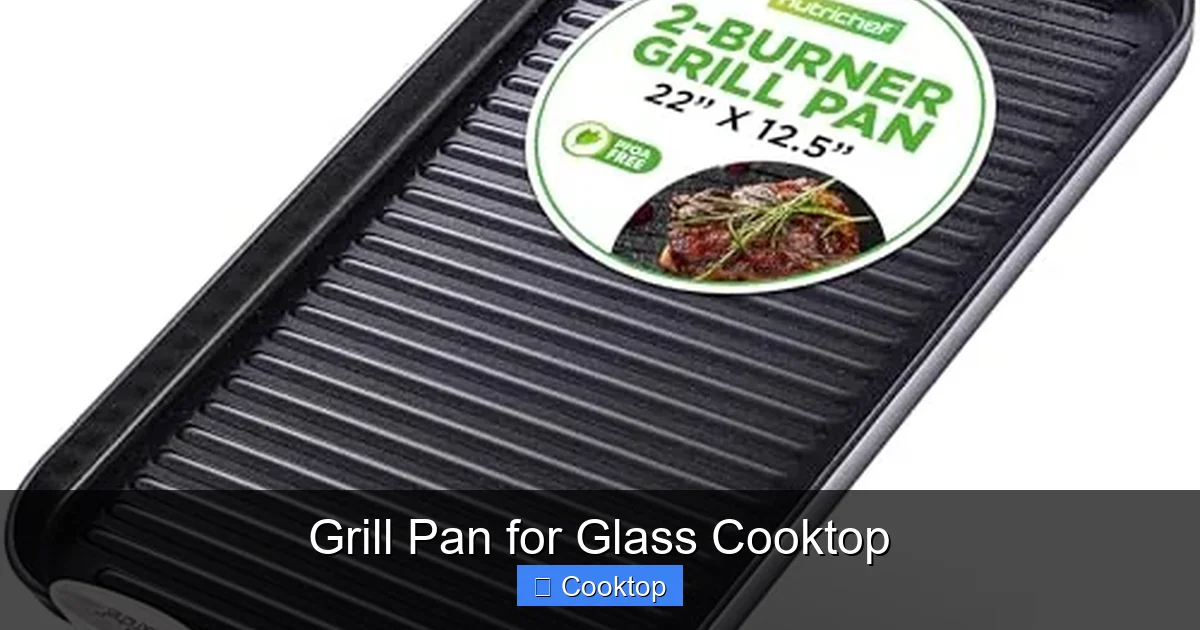
Using a grill pan for glass cooktop surfaces requires the right materials to avoid scratches and heat damage. By choosing pans with flat bottoms and smooth bases, you can enjoy grilled flavors while keeping your cooktop safe and pristine.
Key Takeaways
- Flat Bottoms are Vital: Only use grill pans with a completely flat base to ensure maximum heat contact and prevent glass cracking.
- Material Matters: Cast iron is great for heat, but aluminum or non-stick options are often lighter and easier to slide.
- Avoid Dragging: Never slide your grill pan across the glass; always lift it to prevent permanent scratches.
- Weight Management: Be careful with heavy cast iron; a sudden drop can shatter a glass cooktop.
- Heat Control: Use medium to high heat gradually to avoid thermal shock to the glass surface.
- Compatibility: Check if your glass cooktop is radiant or induction, as induction requires magnetic bases.
📑 Table of Contents
- Grill Pan for Glass Cooktop: Get the BBQ Taste Indoors
- Choosing the Right Material for Your Glass Cooktop
- What to Look for When Shopping
- How to Prevent Scratches and Damage
- Tips for Perfect Indoor Grilling
- Step-by-Step: Grilling a Steak on a Glass Cooktop
- Cleaning and Maintaining Your Grill Pan
- Common Mistakes to Avoid
- Conclusion
Grill Pan for Glass Cooktop: Get the BBQ Taste Indoors
There is nothing quite like the smell of a grilled steak or the look of charred asparagus. But what happens when it is raining outside, or you simply don’t have a backyard BBQ? That is where a grill pan comes in. If you have a glass cooktop, you might feel a bit nervous. You might wonder, “Will this heavy pan scratch my beautiful stove?” or “Can I actually get a good sear on a glass surface?”
The good news is that you absolutely can use a grill pan for glass cooktop surfaces. You just need to know a few simple tricks. Glass cooktops are sleek and easy to clean, but they are more fragile than old-school coil stoves. They don’t like being scratched, and they don’t like sudden, extreme temperature shocks. Once you understand how to pick the right pan, you can make restaurant-quality grilled meals right in your kitchen.
In this guide, we are going to walk through everything you need to know. We will cover the best materials, how to protect your stove, and the best ways to get those iconic grill marks. Whether you have a standard electric glass stove or a high-tech induction hob, we have you covered.
Choosing the Right Material for Your Glass Cooktop
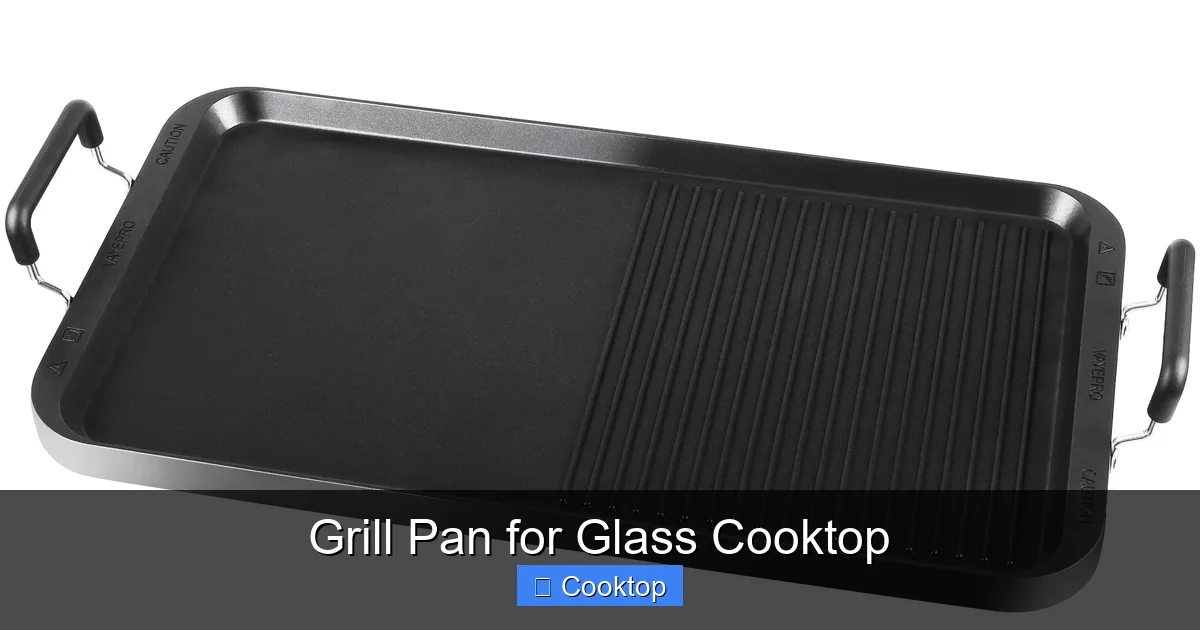
Not all grill pans are created equal. When you are shopping for a grill pan for glass cooktop use, the most important thing is the bottom of the pan. The ridges that create the grill marks are on the inside, but the bottom—the part that touches the glass—must be smooth and flat.
Visual guide about Grill Pan for Glass Cooktop
Image source: m.media-amazon.com
Cast Iron: The Heavy Hitter
Cast iron is the gold standard for grilling. It holds heat incredibly well, which means once it gets hot, it stays hot. This is how you get those deep, dark sear marks. However, cast iron is heavy and rough. If you slide a cast iron pan across your glass, it can leave permanent scratches. If you love cast iron, just remember to lift the pan instead of sliding it.
Aluminum and Non-Stick
If you want something lighter, aluminum is a great choice. These pans heat up faster than cast iron. Many aluminum grill pans come with a non-stick coating, making them much easier to clean. If you are looking for other versatile options, you might also want to check out the best non stick pan for glass cooktop for your daily cooking needs.
Stainless Steel
Stainless steel is a middle-ground option. It is more durable than aluminum and smoother than cast iron. While it doesn’t hold heat as well as cast iron, it is very safe for glass surfaces. Just be aware that food is more likely to stick to stainless steel if you don’t use enough oil.
What to Look for When Shopping
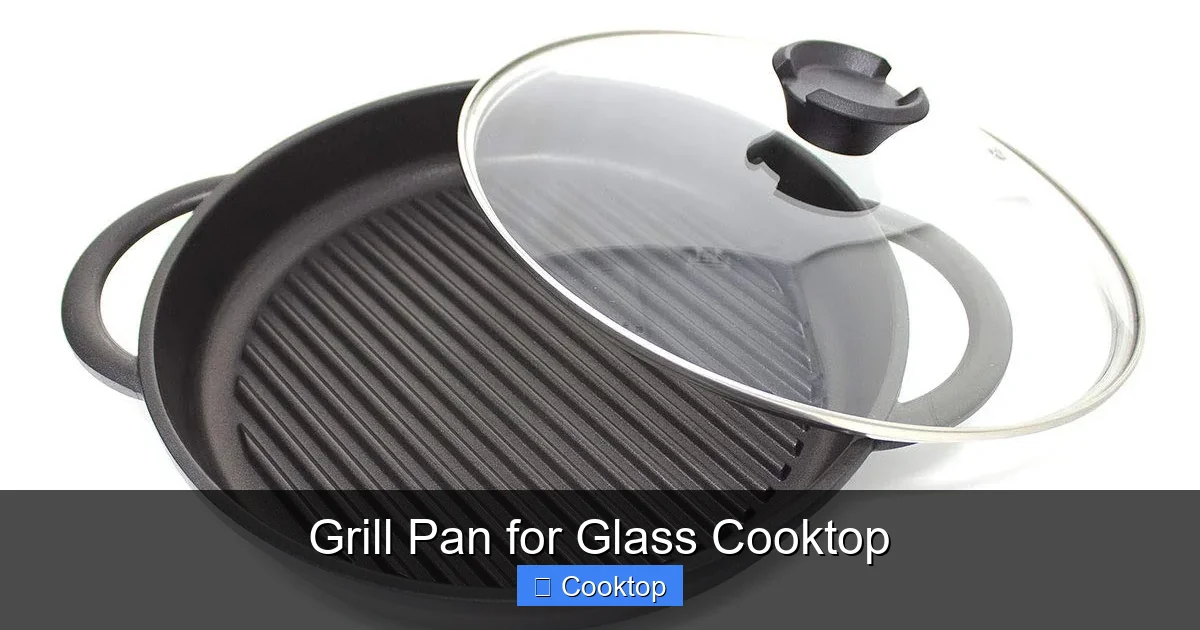
When you are browsing for the perfect pan, don’t just look at the ridges. Look at the construction. A poor-quality pan can warp under high heat, which means it won’t sit flat on your glass surface. If the pan doesn’t sit flat, you get “cold spots,” and your food won’t cook evenly.
Visual guide about Grill Pan for Glass Cooktop
Image source: images-na.ssl-images-amazon.com
The Importance of a Flat Base
A grill pan for glass cooktop use must have a perfectly flat bottom. If the base is curved or has bumps, it won’t transfer heat efficiently. This is especially important for induction cooktops, which require a magnetic connection to work. If you have an induction stove, you should look specifically for the best grill pan for induction cooktop to ensure the pan actually heats up.
Handle Comfort and Safety
Grill pans get extremely hot. Look for handles that are sturdy and stay relatively cool, or use oven mitts. Since you’ll be dealing with high heat to get those sear marks, a secure grip is a safety must. Avoid pans with tiny, flimsy handles that might wobble when you are flipping a heavy piece of meat.
Size and Fit
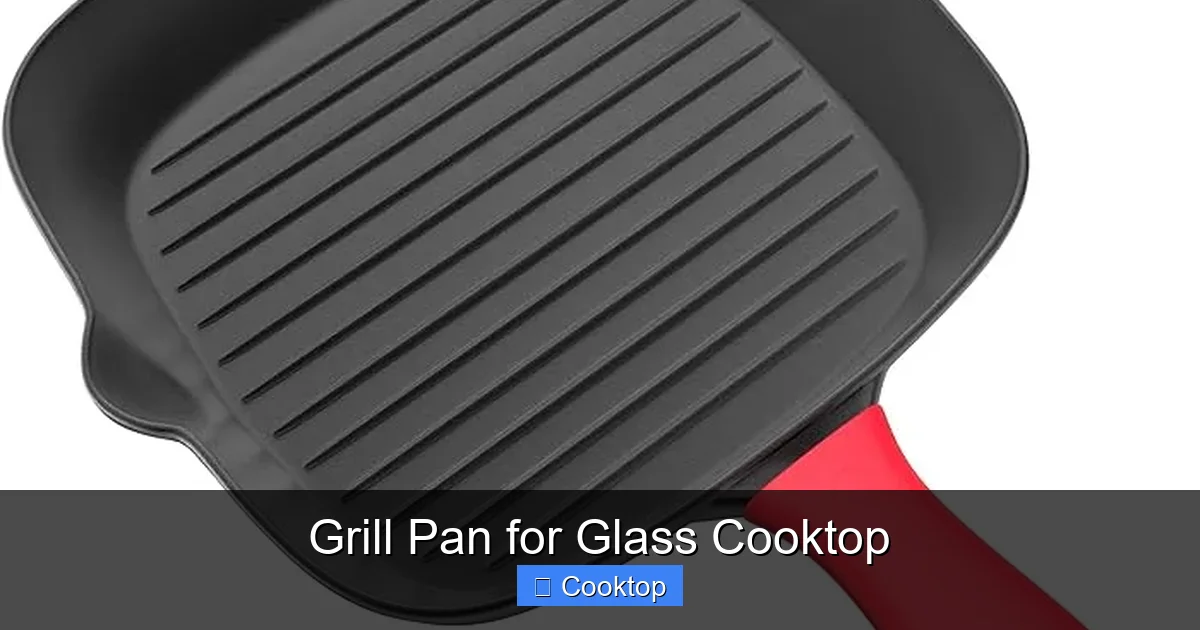
Make sure the pan fits the size of your burner. If the pan is too small, you waste energy. If it is way too large, the edges might not get enough heat. A square grill pan is usually the most popular because it maximizes the space on a circular burner.
How to Prevent Scratches and Damage
The biggest fear for any glass cooktop owner is the “scratch.” Once a glass surface is scratched, it’s there for good. Luckily, preventing damage is very easy if you follow a few basic rules.
Visual guide about Grill Pan for Glass Cooktop
Image source: images-na.ssl-images-amazon.com
The “Lift and Place” Rule
This is the golden rule: Never slide your pan. It is tempting to slide the pan from one burner to another, but this is how scratches happen. Always lift the pan completely off the surface and place it down gently. This simple habit will keep your cooktop looking brand new for years.
Avoid “Thermal Shock”
Thermal shock happens when a very cold or very hot object hits the glass suddenly. For example, if you take a freezing cold pan from the freezer and put it on a high-heat burner, the glass could crack. Similarly, putting a scorching hot pan on a wet, cold surface can be risky. Heat your pan gradually.
Using Protective Mats
Some people use thin silicone mats to protect their glass. While this protects against scratches, be careful. Some mats can melt if the heat is too high, or they can act as an insulator, preventing the heat from reaching the pan. Always check your stove’s manual before using a barrier between the element and the pan.
Tips for Perfect Indoor Grilling
Now that you have the right pan, let’s talk about how to actually cook. Grilling on a glass cooktop is slightly different than grilling over an open flame.
Preheating is Key
For the best sear, you need a hot pan. Turn your burner to medium-high and let the pan heat up for 3 to 5 minutes. You’ll know it’s ready when a drop of water dances on the surface or a small piece of oil shimmers. If you put meat in a cold pan, it will steam instead of sear, and you won’t get those beautiful lines.
Using the Right Oil
Since grill pans have ridges, the food doesn’t touch the heat as much as it does in a flat skillet. To fix this, use an oil with a high smoke point. Avocado oil or grapeseed oil are perfect. Avoid extra virgin olive oil for high-heat searing, as it can burn and leave a sticky residue on your glass cooktop.
Managing the Smoke
Indoor grilling creates more smoke than sautéing. To keep your kitchen from smelling like a campfire, turn on your exhaust fan or open a window before you start. If you find yourself cooking a lot of meats, you might also want to look into the best rated pots and pans for glass cooktop to see which other tools can help you manage different cooking styles.
Step-by-Step: Grilling a Steak on a Glass Cooktop
Let’s put your grill pan for glass cooktop to the test with a classic ribeye steak. Follow these steps for a perfect result:
- Step 1: Prep the Meat. Pat the steak dry with paper towels. Moisture is the enemy of a good sear. Season generously with salt and pepper.
- Step 2: Heat the Pan. Place your pan on the burner over medium-high heat. Wait until the pan is sizzling hot.
- Step 3: Oil the Steak, Not the Pan. Instead of pouring oil into the ridges (where it just pools at the bottom), brush the oil directly onto the meat. This prevents oil from splattering onto your glass surface.
- Step 4: The Sear. Place the steak in the pan. Press down slightly with a spatula to ensure the meat makes contact with the ridges. Cook for 3-4 minutes per side.
- Step 5: The Rest. Remove the steak and let it rest for 5 minutes. This keeps the juices inside the meat.
- Step 6: Clean Up. Let the pan cool down completely before washing. Putting a hot pan in cold water can warp the metal.
Cleaning and Maintaining Your Grill Pan
A well-maintained pan lasts a lifetime. Depending on the material, your cleaning routine will change.
Cleaning Cast Iron
Never put cast iron in the dishwasher. Scrub it with a stiff brush and hot water. Dry it immediately to prevent rust. After drying, rub a tiny bit of oil into the surface to keep it seasoned. This keeps the pan naturally non-stick.
Cleaning Non-Stick and Aluminum
Use a soft sponge and mild dish soap. Avoid steel wool or abrasive scrubbers, as these will strip away the non-stick coating. A soft cloth is all you need to get rid of the grease.
Dealing with Burnt-on Bits
If you have stubborn burnt food stuck in the ridges, don’t scrub frantically. Instead, fill the pan with a bit of water and a dash of baking soda. Heat it on the stove for a few minutes. The heat and baking soda will loosen the debris, making it easy to wipe away.
Common Mistakes to Avoid
Even experienced cooks make mistakes. Here are the most common errors when using a grill pan on a glass surface.
Using Too Much Oil
Adding too much oil leads to “splatter.” On a glass cooktop, this means you’ll spend more time cleaning the stove than eating your meal. Use a brush or a spray bottle to apply just enough oil for the job.
Overcrowding the Pan
If you put too many burgers or sausages in the pan at once, the temperature drops. This leads to gray, steamed meat instead of browned, grilled meat. Cook in batches if necessary.
Ignoring the Temperature
Don’t just crank the heat to “Max” immediately. Some glass cooktops can overheat if a heavy pan traps too much heat. Move from medium to medium-high slowly to keep the glass safe.
Conclusion
Using a grill pan for glass cooktop surfaces is a fantastic way to bring the flavors of the outdoors inside. By choosing a pan with a flat bottom and practicing the “lift and place” rule, you can protect your investment while enjoying delicious, charred meals. Whether you prefer the ruggedness of cast iron or the convenience of non-stick, the key is in the technique.
Remember to preheat your pan, use high-smoke-point oils, and always clean your cookware properly. With these tips, your glass cooktop will stay sparkling, and your dinner will taste like it came straight off the grill. Happy cooking!
Frequently Asked Questions
Can I use a cast iron grill pan on a glass cooktop?
Yes, you can, but you must be careful. Always lift the pan instead of sliding it to avoid scratching the glass, and ensure the bottom is flat for even heating.
Will a grill pan crack my glass stove?
It is unlikely unless the pan is dropped or subjected to extreme thermal shock. To prevent this, avoid placing a freezing cold pan on a hot burner or a scorching pan on a cold, wet surface.
Do I need a special grill pan for induction glass cooktops?
Yes, induction cooktops require magnetic cookware. Make sure your grill pan is made of cast iron or has a magnetic stainless steel base to work with induction technology.
How do I get professional grill marks on a glass cooktop?
The secret is high heat and patience. Preheat your pan until it is very hot, pat your meat dry, and don’t move the food too often so the ridges can create those dark lines.
Is it safe to use a silicone mat under a grill pan?
Some mats are safe, but others can melt under high heat. Always check your stove’s manual to see if barriers are allowed, as they can sometimes interfere with heat transfer.
How do I clean the ridges of a grill pan easily?
Simmer a mixture of water and baking soda in the pan for a few minutes. This softens the burnt food, allowing you to wipe it away with a sponge without scratching the pan.