How Long Do I Bake Shrimp in the Oven
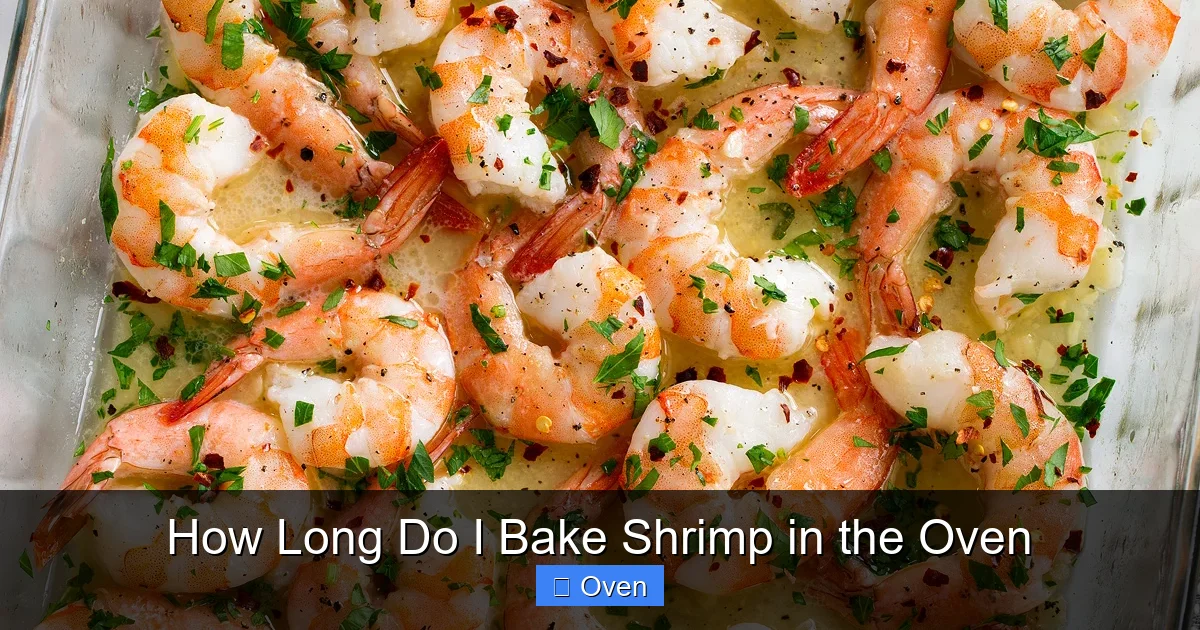
Baking shrimp usually takes between 6 to 12 minutes depending on the size of the shrimp and the oven temperature. To avoid a rubbery texture, it is critical to cook them just until they turn pink and opaque. Most home cooks find that 400°F (200°C) is the ideal temperature for a quick and delicious result.
There is nothing quite like a sheet pan of garlic butter shrimp coming out of the oven. It is fast, healthy, and feels like a fancy meal without the hard work. But if you have ever bitten into a piece of shrimp that felt like a rubber band, you know that timing is everything. When you ask, “how long do I bake shrimp in the oven,” the answer is simpler than you think, but there are a few secrets to getting it perfect.
Shrimp are very delicate. Unlike a roast or a thick piece of meat, they don’t have much fat to protect them from the heat. This means they go from raw to overcooked in a matter of seconds. Whether you are prepping a weeknight dinner or a party appetizer, knowing the exact window of perfection is the key to a great meal.
In this guide, we will break down everything you need to know. We will cover the best temperatures, how to tell when they are done, and how to pair them with the perfect side dishes. Let’s dive in and make sure your next seafood dinner is a total success!
Key Takeaways
- Average Time: Most shrimp bake in 6 to 12 minutes at 400°F.
- Visual Cues: Shrimp are done when they curl into a “C” shape and turn pink.
- Avoid Overcooking: Overbaked shrimp become rubbery and tough; check them early.
- Temperature: 400°F is best for roasting, while 350°F is better for slower, saucier dishes.
- Size Matters: Jumbo shrimp take a few minutes longer than small or medium shrimp.
- Prep Tip: Patting shrimp dry before seasoning helps them roast rather than steam.
📑 Table of Contents
- The Short Answer: How Long Do I Bake Shrimp in the Oven?
- How to Tell When Shrimp Are Perfectly Done
- Step-by-Step Guide to Baking Perfect Shrimp
- Best Side Dishes to Pair with Baked Shrimp
- Common Mistakes and How to Avoid Them
- Variations for Different Tastes
- Storing and Reheating Baked Shrimp
- Conclusion
The Short Answer: How Long Do I Bake Shrimp in the Oven?
For most standard shrimp, the sweet spot is 6 to 12 minutes. If you are baking them at 400°F (200°C), you will likely be on the shorter end of that range. If you are using a lower temperature, like 350°F, you might need closer to 10 or 12 minutes.
Timing Based on Shrimp Size
Not all shrimp are created equal. The size of the shrimp determines exactly how long they need to stay in the heat. Here is a general breakdown:
- Small to Medium Shrimp: These usually take 6 to 8 minutes. They cook very quickly, so start checking them at the 5-minute mark.
- Large Shrimp: These typically need 8 to 10 minutes.
- Jumbo or Colossal Shrimp: These can take 10 to 12 minutes. Because they are thicker, they can handle a little more time without drying out.
The Importance of Temperature
The temperature you choose changes the texture of the shrimp. A high heat (400°F or higher) gives you a nice sear and a slightly charred edge, which is great for garlic or lemon-pepper flavors. A lower heat (350°F) is better if you are baking the shrimp inside a creamy sauce or with a lot of cheese, as it prevents the sauce from breaking or burning before the shrimp are cooked.
How to Tell When Shrimp Are Perfectly Done
Since the time can vary based on your specific oven, you should rely on visual cues rather than just the timer. This is the only way to ensure you don’t overcook them.
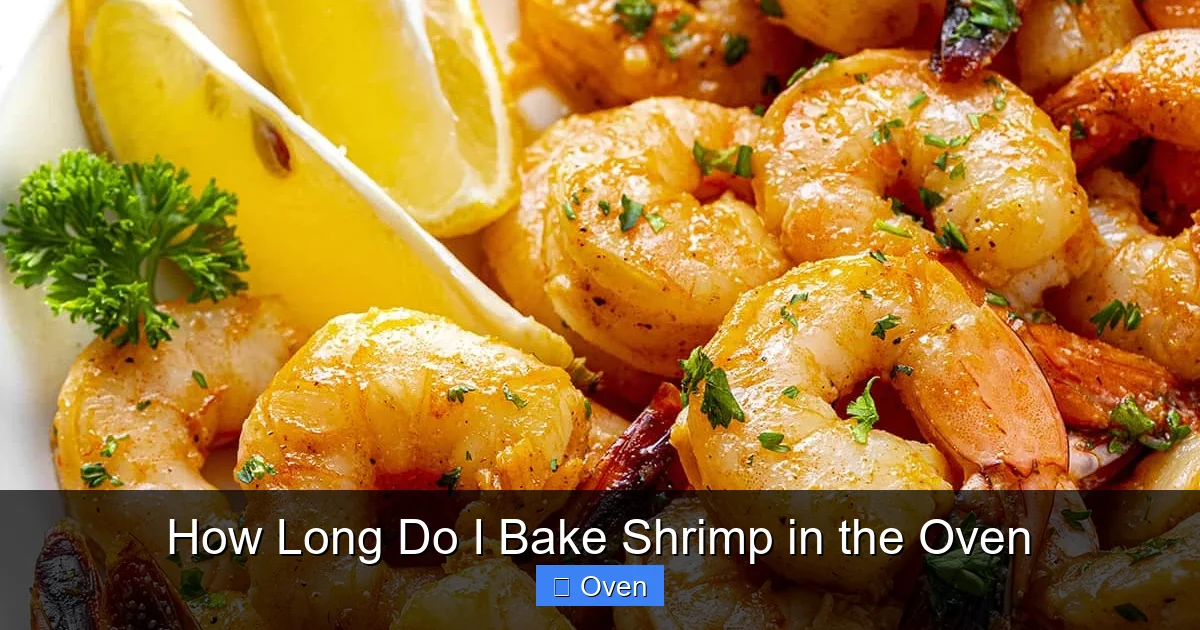
Visual guide about How Long Do I Bake Shrimp in the Oven
Image source: wholesomeyum.com
The “C” vs. “O” Rule
This is the easiest trick in the book for seafood lovers. When shrimp are perfectly cooked, they curl into a “C” shape. This means they are juicy and tender. If the shrimp curl tightly into an “O” shape, they are overcooked. Once they hit that “O” stage, they will be tough and chewy.
Color and Opacity
Raw shrimp are translucent and greyish. As they cook, they turn a vibrant pinkish-orange color. They should be opaque (meaning you can’t see through them) all the way through. As soon as that grey color disappears and the pink takes over, pull them out of the oven immediately.
Using a Meat Thermometer
If you prefer precision, use an instant-read thermometer. Shrimp are safe to eat when they reach an internal temperature of 145°F (63°C). Since they are so small, you will need to poke the thickest part of the shrimp carefully. However, for most people, the “C” shape rule is much faster and just as effective.
Step-by-Step Guide to Baking Perfect Shrimp
Now that we know the timing, let’s look at the process. Following these steps will ensure your shrimp stay plump and flavorful.
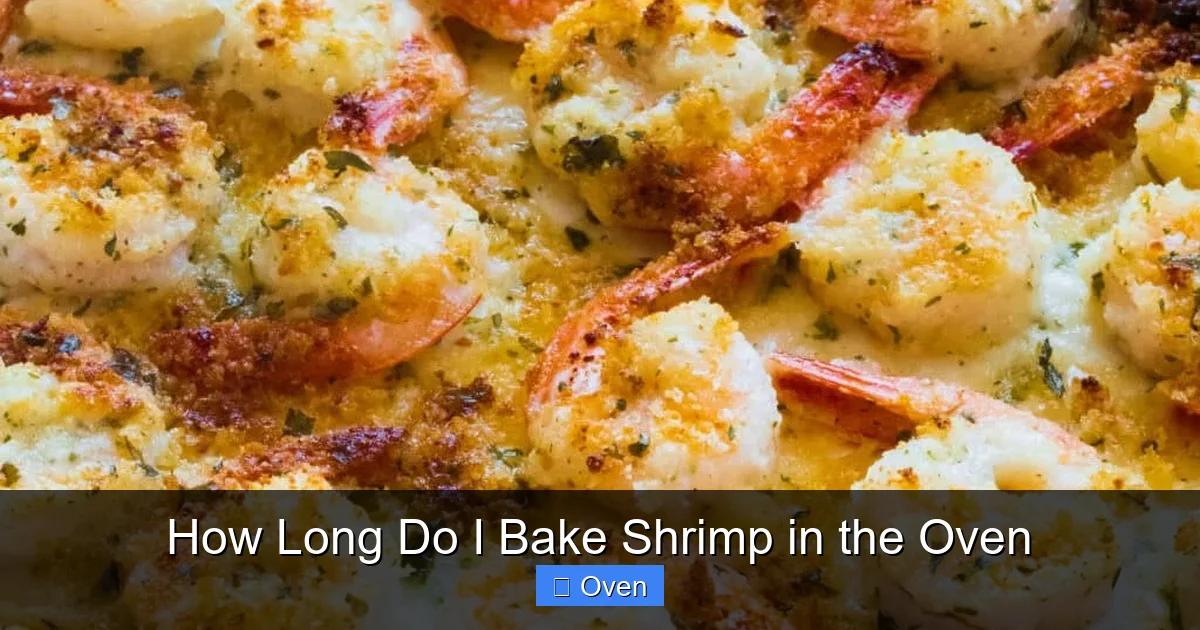
Visual guide about How Long Do I Bake Shrimp in the Oven
Image source: brooklynfarmgirl.com
1. Thaw and Dry
If you are using frozen shrimp, thaw them completely in the fridge or under cool running water. This is a crucial step. If you put frozen shrimp in the oven, they will release a lot of water. Instead of roasting, they will boil in their own juices, and you’ll lose that delicious roasted flavor. Use a paper towel to pat them completely dry before adding any oil or seasoning.
2. Season Generously
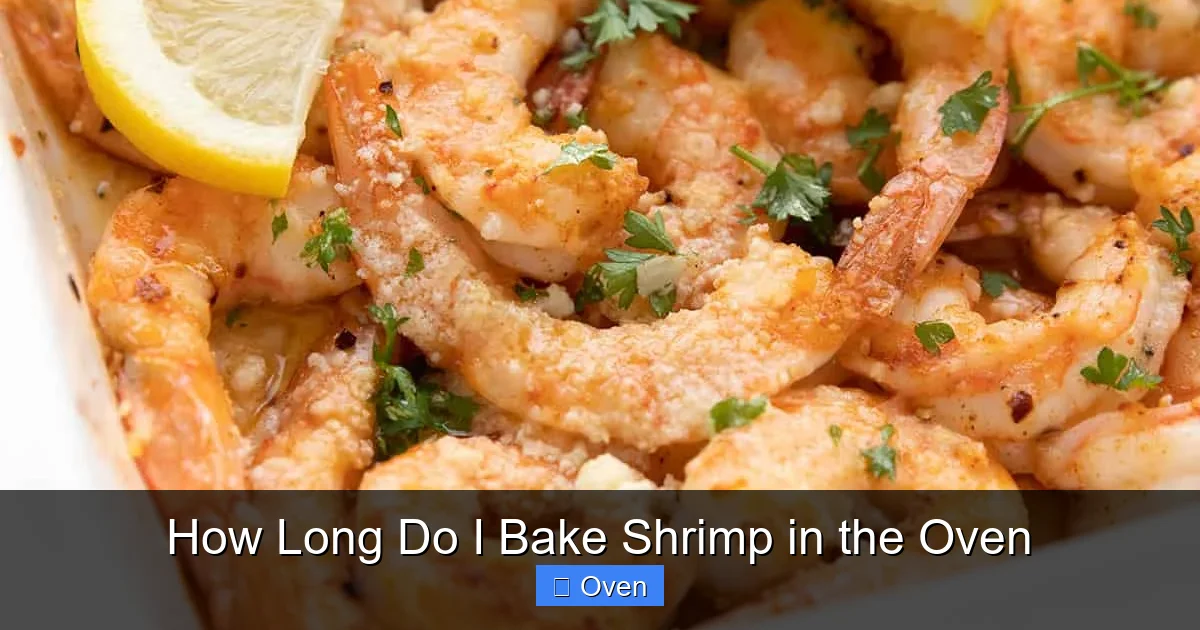
Shrimp take on flavor very well. Toss them in a bowl with olive oil or melted butter, minced garlic, salt, pepper, and a squeeze of lemon juice. For a spicy kick, add a pinch of paprika or cayenne pepper. The oil acts as a barrier that helps keep the moisture locked inside the shrimp during the baking process.
3. Arrange on the Pan
Spread the shrimp out in a single layer on a baking sheet. Do not crowd them! If the shrimp are touching or piled on top of each other, they will steam instead of roast. Give each shrimp a little bit of breathing room so the hot air can circulate around them.
4. Bake and Monitor
Slide the pan into the center rack of your preheated oven. Set your timer for the minimum time based on the size (e.g., 6 minutes for medium shrimp). Check them every 2 minutes from that point on. The difference between “perfect” and “rubbery” can happen in just 60 seconds!
Best Side Dishes to Pair with Baked Shrimp
Since shrimp cook so quickly, you need side dishes that either cook faster or can be started well in advance. You don’t want your shrimp to get cold while you are waiting for your vegetables to finish.
Visual guide about How Long Do I Bake Shrimp in the Oven
Image source: alldayidreamaboutfood.com
Quick Vegetable Pairings
Asparagus and broccoli are wonderful choices. You can actually roast them on the same pan as the shrimp if you start the vegetables first. For example, if you are wondering how long do you bake small potatoes in the oven, you’ll find they take much longer than shrimp. Put the potatoes in first, and add the shrimp during the last 10 minutes of the potato’s cooking time.
Grains and Bases
Serving your shrimp over a bed of fluffy quinoa, jasmine rice, or cauliflower rice is a classic move. The grains soak up the garlic butter sauce from the pan, making the whole meal more satisfying. If you want something more hearty, a side of crusty bread is perfect for dipping into the leftover pan juices.
Other Seafood Combinations
If you are hosting a seafood feast, you might be cooking multiple things. If you are also preparing fish, be mindful of the different timings. For instance, if you are wondering how to bake snapper fillets in the oven, you will notice that fillets usually take a bit longer than individual shrimp. Coordinate your timing so everything hits the table at once.
Common Mistakes and How to Avoid Them
Even experienced cooks make mistakes with shrimp because of how fast they cook. Here are the most common pitfalls and how to fix them.
Mistake 1: Overcooking
This is the number one mistake. People often follow the recipe time exactly, but every oven is different. Your oven might run 25 degrees hotter than the dial says. Always check your shrimp 2 minutes before the timer goes off.
Mistake 2: Using Too Much Acid Too Early
While lemon juice is delicious, adding too much lemon juice to the marinade for hours can actually “cook” the shrimp (like a ceviche). This can make the texture mushy. Add most of your lemon juice right before baking or as a fresh squeeze after they come out of the oven.
Mistake 3: Overcrowding the Pan
As mentioned before, crowding leads to steaming. If you have a huge batch of shrimp, use two baking sheets instead of one. It takes an extra minute to swap the pans, but the quality of the roast is worth it.
Variations for Different Tastes
Once you master the basic timing, you can experiment with different styles of baking.
The Garlic Butter Classic
Melted butter, minced garlic, and fresh parsley. This is the gold standard. It’s simple and lets the natural sweetness of the shrimp shine through.
The Spicy Cajun Style
Use a blend of smoked paprika, onion powder, garlic powder, and a pinch of cayenne. This version is great served with corn on the cob. If you’re planning a full feast, you might also want to know how long to bake corn on the cob in oven to time your meal perfectly.
The Mediterranean Style
Toss your shrimp with cherry tomatoes, kalamata olives, and feta cheese. The tomatoes burst in the oven and create a natural sauce that is light and fresh. This version is excellent served with a side of toasted sourdough.
Storing and Reheating Baked Shrimp
If you have leftovers, you have to be very careful when reheating. Since shrimp are already delicate, reheating them in the oven or microwave can easily turn them into rubber.
Storing Leftovers
Place the cooled shrimp in an airtight container and keep them in the fridge for up to 2 to 3 days. Keep the sauce separate if possible to prevent the shrimp from becoming too soggy.
The Best Way to Reheat
The best way to reheat shrimp is to use a skillet over medium-low heat. Add a tiny bit of butter or oil and just warm them through for 1 to 2 minutes. Do not “cook” them again; you are simply warming them up. If you use a microwave, use the lowest power setting and heat in 30-second bursts.
Conclusion
Learning how long to bake shrimp in the oven is all about patience and observation. While the general rule is 6 to 12 minutes at 400°F, the real secret is watching for that perfect “C” shape and the opaque pink color. By patting your shrimp dry, avoiding overcrowded pans, and monitoring the heat, you can create a restaurant-quality meal in less than 15 minutes.
Whether you are pairing them with roasted vegetables or serving them as a light appetizer, baked shrimp are a versatile and healthy option for any diet. Now that you have the timing down, feel free to experiment with flavors and sides to find your favorite combination. Happy cooking!
Frequently Asked Questions
Can I bake shrimp from frozen?
It is not recommended. Baking from frozen often leads to uneven cooking and a watery texture. For the best results, thaw them completely and pat them dry before baking.
Do I need to peel and devein shrimp before baking?
You can do either! Baking them with the shells on helps protect the meat from the heat, keeping them juicier, but they are harder to eat. Peeled and deveined shrimp are more convenient and absorb seasonings better.
Can I use a convection oven for shrimp?
Yes, but be careful. Convection ovens circulate air more efficiently, which means they cook faster. Reduce your baking time by about 20% and check them a few minutes early to prevent overcooking.
What is the best temperature for baking shrimp?
400°F (200°C) is generally the best temperature. It is hot enough to roast the shrimp quickly without drying out the centers, giving you a great texture and flavor.
Why are my baked shrimp rubbery?
Rubbery shrimp are almost always the result of overcooking. Even an extra minute or two in the oven can cause the proteins to tighten up too much. Use the “C” shape rule to stop cooking at the perfect moment.
Can I bake shrimp with other vegetables on one tray?
Yes, but you must stagger the start times. Vegetables like carrots or potatoes take much longer than shrimp. Start your vegetables first and add the shrimp for the final 8-12 minutes of cooking.