How Long to Bake Snapper in the Oven
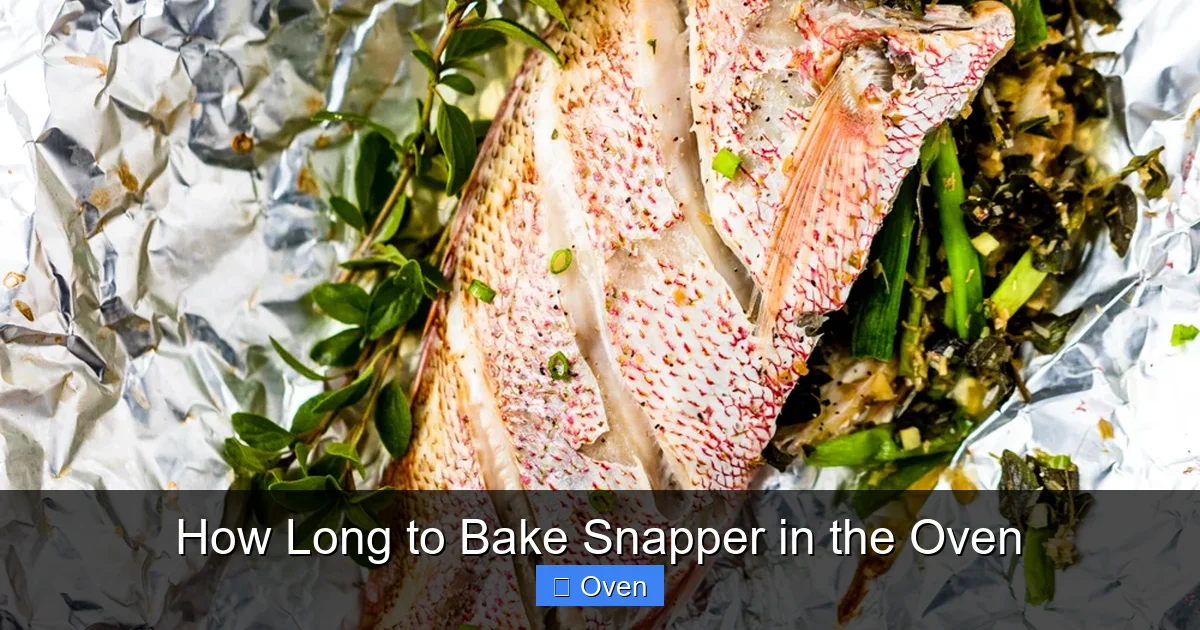
How Long to Bake Snapper in the Oven depends on the fillet size and oven temperature. Typically, it takes 15-25 minutes at 375°F (190°C), but adjustments may be needed for different cuts or desired doneness.
Key Takeaways
- Optimal Temperature Matters: Baking snapper at 375°F (190°C) ensures even cooking without drying out the fish.
- Size Matters: Thicker fillets (1-2 inches) need 20-25 minutes, while thinner ones (½ inch) take 15-20 minutes.
- Check for Doneness: Use a meat thermometer—internal temperature of 145°F (63°C) is ideal for safety and tenderness.
- Seasoning Boosts Flavor: Coat snapper with herbs, lemon, or olive oil before baking for depth of taste.
- Avoid Overcooking: Overbaking can make snapper tough and dry. Remove it from the oven when slightly underdone.
- Use a Baking Rack: Placing snapper on a rack allows heat to circulate, preventing sogginess.
📑 Table of Contents
Understanding Snapper and Its Baking Needs
If you’ve ever wondered, “How long to bake snapper in the oven?” you’re not alone. Snapper is a popular fish known for its firm texture and mild, sweet flavor. Whether you’re a seasoned cook or a beginner, baking snapper is a straightforward process that delivers delicious results. But the key to success lies in knowing the right baking time and temperature. Why is this important? Because overcooking can turn snapper into a dry, rubbery mess, while undercooking leaves it unsafe to eat. The goal is to achieve a flaky, moist texture that highlights the fish’s natural taste.
Snapper comes in various sizes and cuts, which directly affects how long it needs to bake. A thick fillet will require more time than a thin one, and the oven temperature plays a critical role in ensuring even cooking. For example, baking at 375°F (190°C) is often recommended, but some people prefer higher temperatures for a crispier exterior. The challenge is balancing these factors to get the perfect snapper every time. This article will guide you through the process, from selecting the right cut to determining the exact baking time.
Why Baking is a Great Method for Snapper
Baking snapper is a healthy and convenient way to prepare it. Unlike frying, which adds extra fat, baking allows the fish to cook evenly without the need for excessive oil. It also gives you the flexibility to add flavors through marinades, herbs, or citrus. Plus, baking is a hands-off method—once you set the timer, you can focus on other tasks. However, the success of your baked snapper depends on precise timing and temperature control.
The Role of Temperature in Baking Snapper
Temperature is the cornerstone of baking snapper. If the oven is too hot, the outside may burn before the inside cooks. If it’s too low, the fish won’t cook through, leading to a raw center. Most recipes suggest 375°F (190°C) as the ideal temperature, but this can vary based on the fillet’s thickness. For instance, a 1-inch thick fillet at 375°F might take 20 minutes, while a 2-inch thick one could need 25 minutes. Adjusting the temperature slightly can help you achieve the desired outcome.
The Ideal Oven Temperature for Baking Snapper
Choosing the right oven temperature is crucial for baking snapper. While 375°F (190°C) is a common recommendation, some cooks prefer 350°F (175°C) for a slower, more even cook. Others might opt for 400°F (200°C) to crisp the exterior. The key is to find a balance that suits your specific fillet and desired texture. Let’s break down the options and why they matter.

Visual guide about How Long to Bake Snapper in the Oven
Image source: i.pinimg.com
Why 375°F (190°C) is the Gold Standard
375°F (190°C) is often considered the best temperature for baking snapper because it allows the fish to cook thoroughly without drying out. At this temperature, the moisture inside the fish is retained, resulting in a tender, flaky texture. It also ensures that the skin (if left on) stays crisp without burning. This temperature is versatile and works for most snapper cuts, making it a reliable choice for home cooks.
Adjusting Temperature for Different Cuts
If your snapper fillet is particularly thick or thin, you may need to adjust the temperature. For example, a very thick fillet (over 2 inches) might benefit from a slightly lower temperature (350°F) to prevent the outside from overcooking before the inside is done. Conversely, a thin fillet (½ inch) could be baked at 400°F for a quicker, crispier result. The goal is to experiment and find what works best for your specific cut.
Using a Meat Thermometer for Accuracy
While temperature is important, the most accurate way to determine doneness is by using a meat thermometer. Snapper is safe to eat when it reaches an internal temperature of 145°F (63°C). Insert the thermometer into the thickest part of the fillet, avoiding the bone or skin. This method eliminates guesswork and ensures your snapper is perfectly cooked every time.
How Long to Bake Snapper at Different Temperatures
Now that we’ve covered temperature, let’s dive into the actual baking times. The duration depends on the thickness of the fillet and the oven temperature. Here’s a general guide to help you determine how long to bake snapper in the oven.
Baking Time at 375°F (190°C)
At 375°F (190°C), a 1-inch thick snapper fillet typically takes 20-25 minutes. If the fillet is ½ inch thick, reduce the time to 15-20 minutes. For a 2-inch thick fillet, increase the time to 25-30 minutes. Always check the internal temperature to ensure it reaches 145°F (63°C). This range gives you flexibility based on your specific fillet and desired outcome.
Baking Time at 350°F (175°C)
Lowering the temperature to 350°F (175°C) extends the baking time slightly. A 1-inch fillet may take 25-30 minutes, while a 2-inch fillet could require 30-35 minutes. This slower cooking process helps retain moisture, making it ideal for those who want a more tender texture. However, it’s important to monitor the fish closely to avoid overcooking.
Baking Time at 400°F (200°C)
For a crispier exterior, some cooks prefer 400°F (200°C). At this temperature, a 1-inch fillet might take 15-20 minutes, while a 2-inch fillet could need 20-25 minutes. The higher heat creates a slightly firmer texture, which some people enjoy. However, be cautious not to exceed this temperature, as it can dry out the fish if not monitored properly.
Factors That Affect Baking Time
Several factors can influence how long to bake snapper in the oven. The thickness of the fillet is the most obvious one, but other elements like the type of snapper (e.g., red snapper vs. yellowtail snapper) and whether the skin is on or off can also play a role. Additionally, the oven’s calibration and the position of the rack can affect cooking time. For example, placing the snapper on the upper rack may result in faster cooking due to higher heat exposure.
Factors That Affect Baking Time
Understanding the factors that influence baking time is essential for mastering how long to bake snapper in the oven. While the basic guidelines are helpful, real-world variables can change the outcome. Let’s explore these factors in detail.
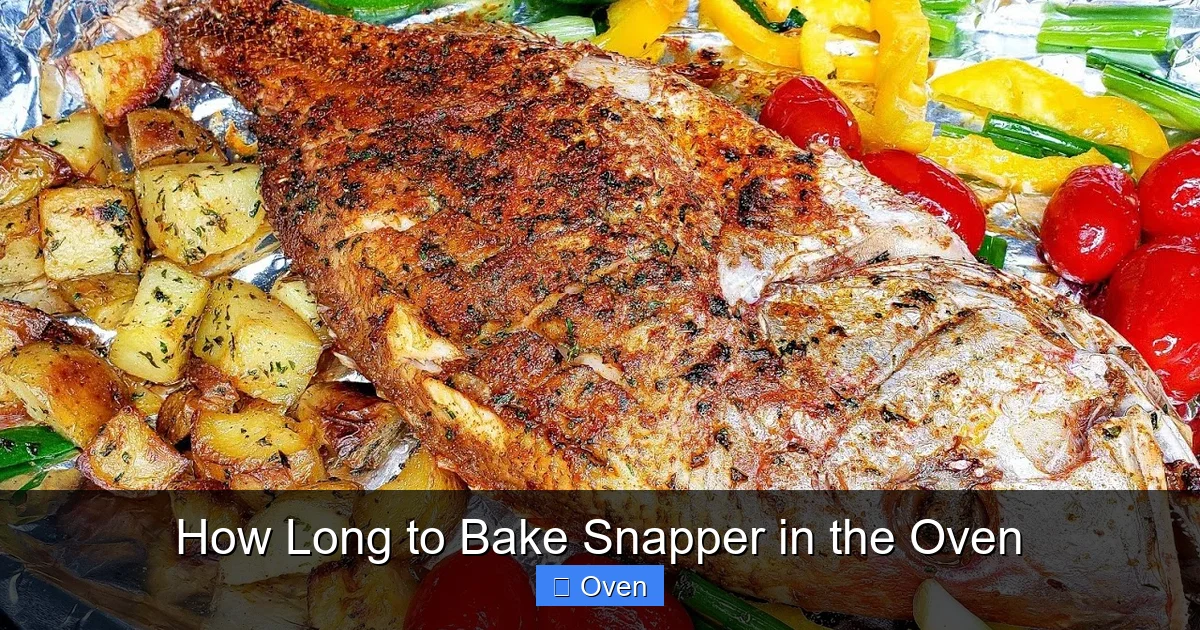
Visual guide about How Long to Bake Snapper in the Oven
Image source: i.ytimg.com
Fillet Thickness and Size
The thickness of the snapper fillet is the primary determinant of baking time. A ½-inch fillet will cook much faster than a 2-inch one. To account for this, adjust your timer accordingly. If you’re unsure about the thickness, use a ruler or kitchen scale to measure. This simple step can prevent undercooking or overcooking.
Oven Calibration and Heat Distribution
Not all ovens are created equal. Some may run hotter or cooler than the set temperature. If your oven tends to overheat, you might need to reduce the temperature by 25°F (15°C). Conversely, if it runs cool, you may need to increase it slightly. Additionally, the placement of the snapper in the oven matters. The center rack usually provides the most even heat distribution, while the top rack can lead to faster browning.
Whether the Skin is On or Off
Baking snapper with the skin on can affect cooking time. The skin acts as a natural barrier, slowing down the cooking process slightly. If you’re baking with the skin on, you may need to add a few extra minutes to the timer. However, the skin also adds flavor and texture, so it’s a personal choice. If you remove the skin, the fish will cook faster and may require a bit more seasoning to compensate for the lack of natural oils.
Seasoning and Marinades
Seasoning or marinating snapper before baking can impact how long it takes to cook. A heavy marinade or thick layer of seasoning may insulate the fish, requiring a slightly longer baking time. On the other hand, a dry rub or light seasoning might allow the fish to cook more quickly. Experiment with different methods to see what works best for your taste and cooking style.
Tips for Perfectly Baked Snapper
Now that you know how long to bake snapper in the oven and the factors that affect it, here are some tips to ensure your snapper turns out perfectly every time.
Use a Baking Rack for Even Cooking
Placing your snapper on a baking rack is a game-changer. This allows hot air to circulate around the fish, preventing it from sitting in its own juices and becoming soggy. A rack also helps the skin crisp up nicely if you choose to leave it on. If you don’t have a rack, a baking sheet lined with parchment paper can work, but a rack is ideal for even results.
Baste or Brush with Oil for Moisture
To keep your snapper moist, consider basting it with oil or lemon juice during the last 5-10 minutes of baking. This adds flavor and helps prevent the fish from drying out. Alternatively, brushing the fillet with olive oil or melted butter before baking can create a delicious crust while keeping the inside tender.
Let It Rest Before Serving
Once the snapper is done, let it rest for 5-10 minutes before serving. This allows the juices to redistribute, ensuring each bite is juicy and flavorful. Skipping this step can result in a loss of moisture, making the fish less enjoyable.
Experiment with Flavors
Baking snapper is a blank canvas for creativity. Try adding herbs like dill or parsley, citrus slices, or a sprinkle of paprika for extra flavor. You can also stuff the fillet with garlic or lemon before baking for a burst of taste. These additions not only enhance the flavor but can also influence the cooking time slightly.
Common Mistakes to Avoid
Even with the best intentions, mistakes can happen. Here are some common errors to avoid when baking snapper in the oven.
Overcooking the Fish
Overcooking is the most common mistake when baking snapper. It can lead to a dry, tough texture. To prevent this, always check the internal temperature and remove the fish from the oven as soon as it reaches 145°F (63°C). If you’re unsure, err on the side of undercooking and let it rest.
Using the Wrong Oven Temperature
Guessing the temperature can lead to inconsistent results. Always preheat your oven to the desired temperature before placing the snapper inside. This ensures the fish starts cooking immediately, reducing the risk of undercooking.
Not Letting the Fish Rest
As mentioned earlier, skipping the resting period can ruin the texture. Take the time to let the snapper sit before cutting into it. This simple step makes a big difference in the final result.
Ignoring the Fillet’s Thickness
Assuming all snapper fillets are the same thickness is a common oversight. Always measure or estimate the thickness before setting the timer. This ensures you adjust the baking time accordingly, preventing undercooked or overcooked fish.
Conclusion
Baking snapper in the oven is a simple yet rewarding process when done correctly. By understanding how long to bake snapper in the oven and the factors that influence cooking time, you can achieve a perfectly cooked fillet every time. Whether you prefer a crispy exterior or a tender, moist interior, the key is to pay attention to temperature, timing, and the specific needs of your fillet. With practice and a bit of experimentation, you’ll master this technique and enjoy delicious snapper meals with confidence.
Final Thoughts
Remember, cooking is as much about intuition as it is about following instructions. Don’t be afraid to adjust the baking time or temperature based on your specific snapper and oven. The goal is to create a dish that’s both safe and delicious. So next time you’re wondering, “How long to bake snapper in the oven?” you’ll have the knowledge to make it right.
Frequently Asked Questions
How long does it take to bake snapper in the oven?
The time varies based on the fillet’s thickness and oven temperature. Generally, a 1-inch fillet takes 20-25 minutes at 375°F (190°C), while thinner or thicker cuts may require adjustments.
What is the best temperature to bake snapper?
375°F (190°C) is widely recommended for baking snapper. It balances even cooking and moisture retention, but you can adjust based on your fillet’s size and desired texture.
Can I bake snapper without a rack?
Yes, but using a baking rack or parchment paper is ideal. A rack allows air circulation, preventing sogginess, while parchment paper can work as an alternative.
How do I know when snapper is done baking?
Use a meat thermometer to check the internal temperature. Snapper is safe and tender when it reaches 145°F (63°C). You can also look for flaky, opaque flesh.
Should I bake snapper with the skin on or off?
Baking with the skin on adds flavor and helps retain moisture. If you remove the skin, cook for a shorter time and season generously to compensate.
Can I overcook snapper in the oven?
Yes, overcooking can make snapper dry and tough. Always check the internal temperature and avoid baking beyond 145°F (63°C) to ensure tenderness.