How Long to Cook 6 Lb Roast in Oven
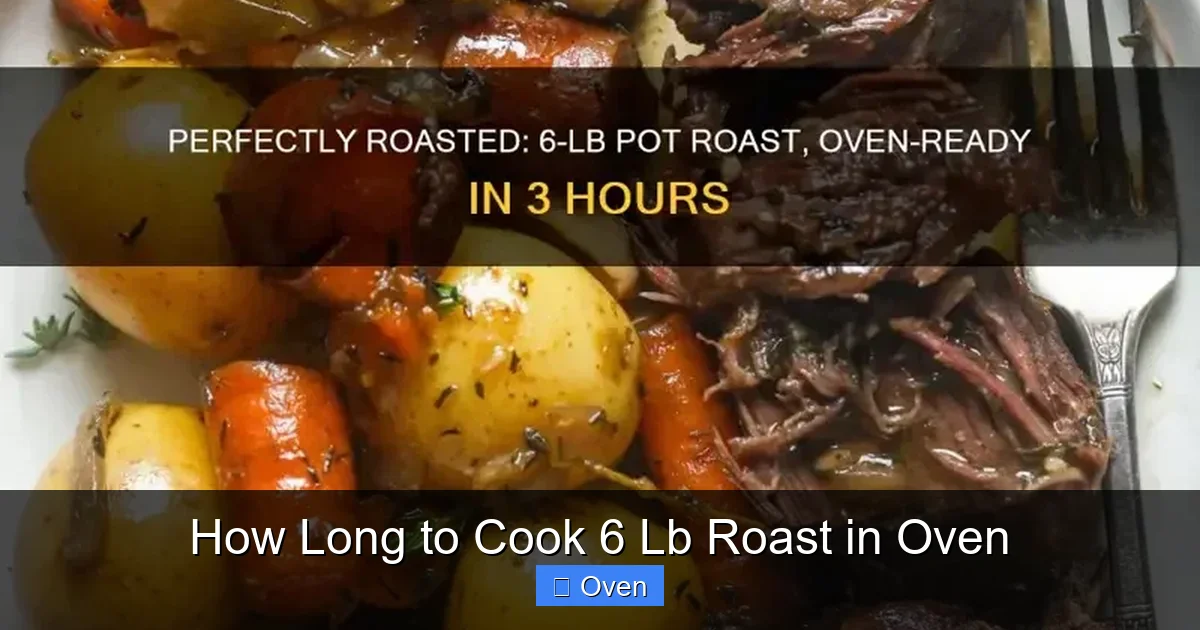
Cooking a 6 lb roast in the oven doesn’t have to be intimidating! Whether you’re preparing a beef ribeye, pork loin, or chicken roast, this comprehensive guide will walk you through exact cooking times, temperatures, and techniques for achieving that perfect medium-rare center. We’ll cover everything from initial prep to resting periods, ensuring your large roast turns out juicy and flavorful every single time. No more guessing games – just reliable, tested methods that work.
Key Takeaways
- General Timing Rule: A 6 lb roast typically requires 15-20 minutes per pound at 325°F, totaling 90-120 minutes of cooking time.
- Temperature Matters: Always use a meat thermometer – internal temperature determines doneness, not just cooking time.
- Type Variations: Beef roasts cook differently than pork or chicken roasts due to fat content and desired doneness.
- Resting Period: Allow 15-20 minutes of rest time after cooking for optimal juiciness and flavor development.
- Preparation Tips: Proper seasoning and room temperature start ensures even cooking throughout the roast.
- Doneness Guide: Rare (120-125°F), Medium Rare (130-135°F), Medium (135-145°F) for beef roasts.
- Safety First: Pork and chicken roasts must reach 165°F internal temperature for safe consumption.
📑 Table of Contents
- Introduction to Perfect Roast Cooking
- Understanding the Basics: How Long to Cook 6 Lb Roast in Oven
- Temperature Guide for Different Types of Roasts
- Step-by-Step Preparation Process
- Mastering the Cooking Technique
- Checking Doneness: The Thermometer Method
- Resting and Serving Your Perfect Roast
- Common Mistakes and How to Avoid Them
- Conclusion: Confidence in Every Cut
Introduction to Perfect Roast Cooking
There’s something truly special about a perfectly cooked roast coming out of the oven. The aroma fills your kitchen, family members gather around the dinner table, and you feel like a culinary champion. But when it comes to cooking a 6 lb roast in the oven, many home cooks find themselves wondering: “How long is this going to take?” and “What temperature should I use?”
The truth is, cooking a 6 lb roast isn’t rocket science, but it does require some know-how. Unlike smaller cuts of meat, a roast this size needs careful attention to timing and temperature to ensure it’s cooked evenly from edge to center. Too little time and you’ll end up with raw meat in the middle. Too much time and your beautiful roast becomes dry and tough.
I remember my first attempt at cooking a large roast – I was so nervous I kept opening the oven door to check on it! Spoiler alert: that’s one of the biggest mistakes you can make. Let me share everything I’ve learned so you can avoid my rookie errors and achieve restaurant-quality results right in your own kitchen.
Understanding the Basics: How Long to Cook 6 Lb Roast in Oven
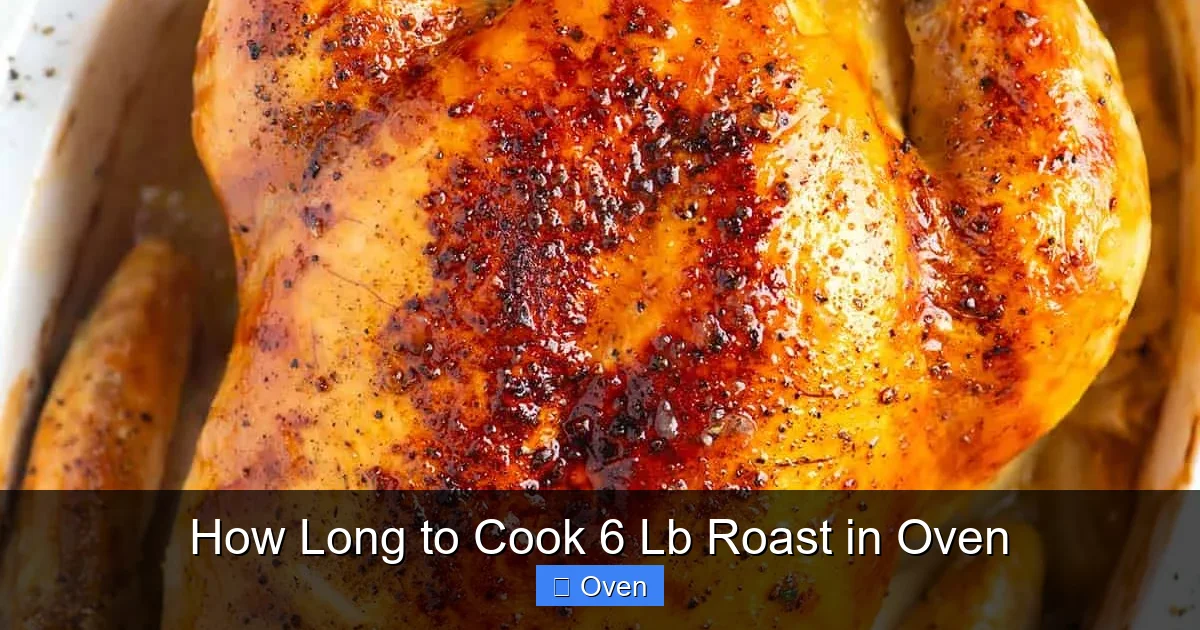
Visual guide about How Long to Cook 6 Lb Roast in Oven
Image source: inspiredtaste.net
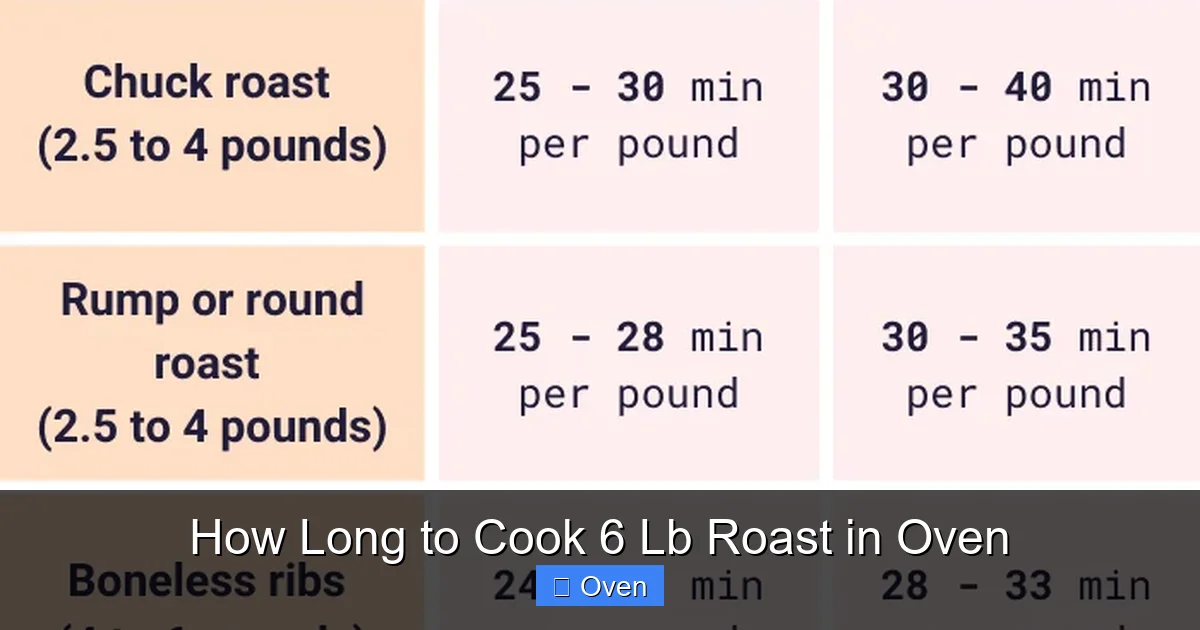
When determining how long to cook a 6 lb roast in the oven, several factors come into play. The general rule of thumb is 15-20 minutes per pound at 325°F, which means your 6 lb roast will need approximately 90-120 minutes in the oven. However, this is just the starting point.
The Pound-Per-Minute Method Explained
This calculation method works well as a baseline. For a 6 lb roast:
– At 325°F: 15 minutes per pound = 90 minutes total
– At 325°F: 20 minutes per pound = 120 minutes total
– At 350°F: 12-15 minutes per pound = 72-90 minutes total
– At 300°F: 20-25 minutes per pound = 120-150 minutes total
Keep in mind that these times are approximate. Your oven may run hot or cool, and individual roasts can vary in thickness and shape. Think of these numbers as your roadmap, not your destination.
Factors That Affect Cooking Time
Several variables influence how long your 6 lb roast actually needs:
– Oven accuracy (use an oven thermometer to verify)
– Starting temperature of the roast
– Whether it’s cooked covered or uncovered
– Desired level of doneness
– Shape and thickness variations
For comparison, if you’re curious about smaller roasts, a 4 lb roast follows similar principles but with shorter cooking times.
Temperature Guide for Different Types of Roasts
Visual guide about How Long to Cook 6 Lb Roast in Oven
Image source: thecookierookie.com
Not all roasts are created equal when it comes to cooking temperatures. Beef, pork, and chicken each have their own ideal cooking ranges and safety requirements.
Beef Roasts: The Classic Choice
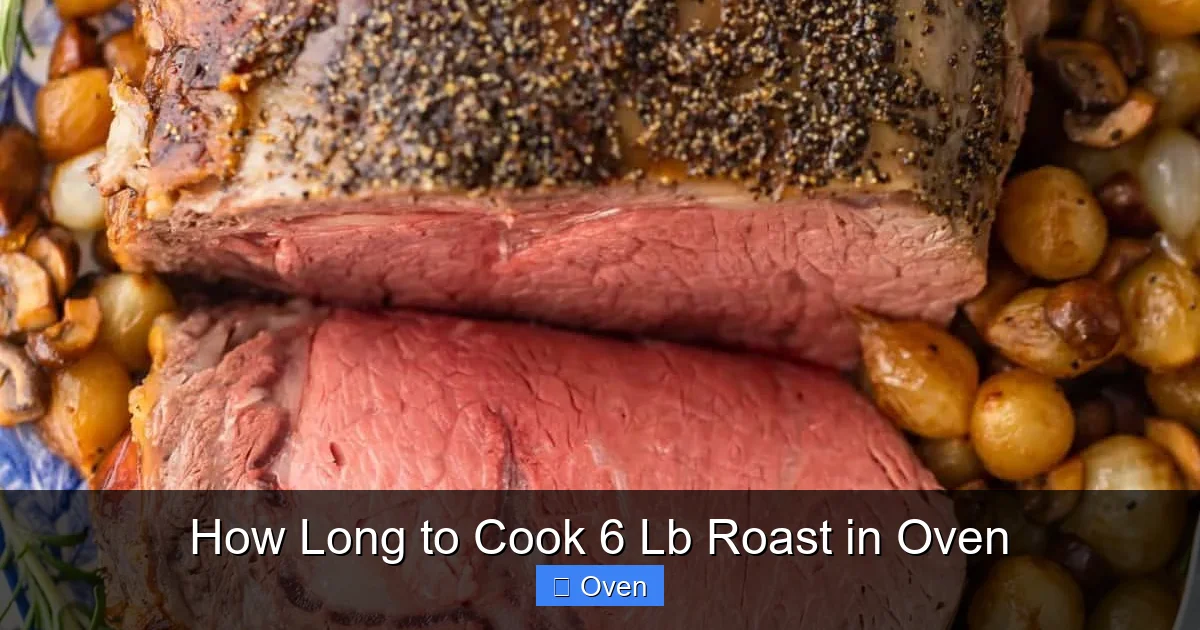
Beef roasts offer the most flexibility in terms of doneness levels. For a 6 lb beef roast, target these internal temperatures:
– Rare: 120-125°F (remove at 115°F)
– Medium Rare: 130-135°F (remove at 125°F)
– Medium: 135-145°F (remove at 130°F)
– Well Done: 160°F+ (remove at 155°F)
The key here is removing the roast about 5-10 degrees before it reaches your target temperature. This accounts for carryover cooking that happens during the resting period.
Pork Roasts: Tenderness is Key
Pork has come a long way from the dry, overcooked days of our parents’ generation. Modern pork can be safely enjoyed at medium temperatures. For a 6 lb pork roast:
– Medium: 145°F (remove at 140°F)
– Well Done: 160°F (remove at 155°F)
Always ensure pork reaches at least 145°F for food safety, though 160°F provides that classic white, firm texture many prefer.
Chicken Roasts: Safety First
Chicken requires the highest internal temperature for safe consumption. For a 6 lb whole chicken roast:
– Target Temperature: 165°F (remove at 160°F)
– Cooking Time: Approximately 120-150 minutes at 325°F
Chicken offers less flexibility in doneness but rewards you with incredible flavor when done properly. Check out our guide on cooking chicken in the oven for more specific details.
Step-by-Step Preparation Process
Visual guide about How Long to Cook 6 Lb Roast in Oven
Image source: onerecp.com
Proper preparation sets the foundation for a successful roast. Here’s how to get your 6 lb roast ready for the oven.
Room Temperature Start
Remove your roast from the refrigerator 30-60 minutes before cooking. This allows the meat to reach room temperature, promoting even cooking. Cold meat straight from the fridge tends to cook unevenly, with the outside overcooking while the center remains underdone.
Seasoning Strategies
Season generously with salt and pepper at minimum. For enhanced flavor:
– Pat the roast dry with paper towels
– Apply oil or butter to help seasonings adhere
– Consider dry rubs for beef and pork roasts
– Use herbs like rosemary and thyme for aromatic notes
Trussing and Tying
For even cooking, tie your roast with kitchen twine:
– Remove strings from packaging if present
– Tie legs together for chicken roasts
– Secure any loose portions for uniform shape
– This helps heat penetrate evenly
Mastering the Cooking Technique
Now that your roast is prepped, it’s time to master the actual cooking process. These techniques will ensure perfect results every time.
Initial High Heat Sear
Many professional chefs recommend starting with high heat to develop flavor:
– Begin at 450°F for 15-20 minutes
– This creates a beautiful crust on the exterior
– Then reduce to 325°F for the remainder of cooking
– The Maillard reaction enhances taste significantly
Low and Slow Approach
Alternatively, cook at a consistent 325°F throughout:
– More predictable cooking times
– Less risk of over-browning
– Better for beginners still learning timing
– Works well for tougher cuts that benefit from longer cooking
Using the Right Pan
Choose your roasting pan wisely:
– Use a rimmed baking sheet with a rack
– The rack allows air circulation for even cooking
– Drippings collect below for making gravy
– Heavy-bottomed pans prevent burning
Checking Doneness: The Thermometer Method
A meat thermometer is your best friend when cooking a 6 lb roast. Here’s how to use it effectively.
Proper Thermometer Placement
Insert the thermometer correctly for accurate readings:
– Place in the thickest part of the roast
– Avoid fat pockets or bone contact
– Insert about 2 inches deep
– Check multiple spots for consistency
Reading and Reacting
Monitor temperatures throughout cooking:
– Check every 20-30 minutes during the final hour
– Remove roast 5-10 degrees before target temperature
– Trust the thermometer, not the clock
– Keep notes for future reference
Visual Doneness Indicators
While thermometers are best, visual cues help too:
– Rare beef: Bright red center, cool to touch
– Medium rare: Warm red center, slight give when pressed
– Medium: Pink center, firm but yielding
– Well done: Uniform brown/gray throughout
Resting and Serving Your Perfect Roast
The final steps are just as important as the cooking process itself. Don’t skip these crucial finishing touches.
The Essential Resting Period
After removing from the oven, let your roast rest:
– Cover loosely with foil
– Allow 15-20 minutes for a 6 lb roast
– During this time, juices redistribute
– Cutting too soon results in dry, flavorless meat
Tenting Technique
Proper tenting prevents overcooking:
– Use aluminum foil, not plastic wrap
– Create a loose tent – don’t seal tightly
– Let steam escape to prevent sogginess
– Rest in a warm place away from drafts
Slicing and Serving
When it’s time to serve:
– Use a sharp carving knife
– Slice against the grain for maximum tenderness
– Serve immediately while warm
– Save those delicious pan drippings for gravy
Internal Linking Opportunities
For other roast cooking methods, consider exploring cooking roasts in Dutch ovens or check out specific guides like 3 lb prime rib timing for smaller gatherings.
Common Mistakes and How to Avoid Them
Even experienced cooks make these errors. Here’s how to stay on track.
Opening the Oven Door Frequently
Each peek releases valuable heat:
– Set timers instead of checking visually
– Trust your calculated timing
– Use the oven light to monitor browning
– Keep openings brief if absolutely necessary
Not Accounting for Carryover Cooking
Meat continues cooking after removal:
– Remove 5-10 degrees early
– This prevents overcooked roast
– The temperature rise happens during resting
– Better to be slightly under than overdone
Inadequate Seasoning
Underseasoned roast disappoints guests:
– Season generously – you can’t add flavor later
– Salt draws out moisture initially but enhances flavor
– Consider marinating for extra taste
– Fresh herbs added during last 30 minutes boost aroma
Conclusion: Confidence in Every Cut
Cooking a 6 lb roast in the oven becomes second nature once you understand the fundamentals. Remember that timing is flexible – your meat thermometer is the ultimate authority on doneness. Whether you’re preparing a special Sunday dinner or holiday feast, these techniques will serve you well.
The investment in a good meat thermometer pays dividends in perfectly cooked roasts. Don’t let fear of timing keep you from attempting impressive centerpiece dishes. With practice and these guidelines, you’ll soon be the go-to person for roast cooking in your family.
Start with these basics, experiment with seasonings, and adjust based on your oven’s quirks. Before you know it, you’ll be confidently answering “how long to cook 6 lb roast in oven” for friends and family members who admire your culinary skills.
Frequently Asked Questions
How long does it take to cook a 6 lb roast at 350°F?
A 6 lb roast cooked at 350°F typically takes 12-15 minutes per pound, resulting in approximately 72-90 minutes total cooking time. However, always verify doneness with a meat thermometer rather than relying solely on time.
What temperature should a 6 lb roast reach internally?
Internal temperature depends on the type of roast and desired doneness. Beef roasts can range from 120°F for rare to 145°F for medium. Pork should reach 145°F minimum, while chicken must hit 165°F for food safety.
Should I cover my 6 lb roast while cooking?
Most roasts cook uncovered to develop a beautiful crust. However, if the exterior browns too quickly, you can tent with foil during the last portion of cooking. The key is monitoring internal temperature, not appearance.
How do I know when my roast is done without a thermometer?
While not ideal, you can check doneness by pressing the meat with tongs or fingers. Rare feels soft like your palm, medium-rare like your fist, and well-done is very firm. However, investing in a thermometer gives much more accurate results.
Can I cook a frozen 6 lb roast in the oven?
Yes, but add 50% more cooking time to your calculations. A frozen roast requires roughly 20-30 minutes per pound instead of 15-20. Thawing overnight in the refrigerator yields better results and more predictable timing.
Why is my roast cooking unevenly?
Uneven cooking usually occurs when the roast starts cold from the refrigerator or has irregular shape. Ensure even thickness by tying with kitchen twine and allow 30-60 minutes for the roast to reach room temperature before cooking.