How Long to Cook a London Broil in Oven
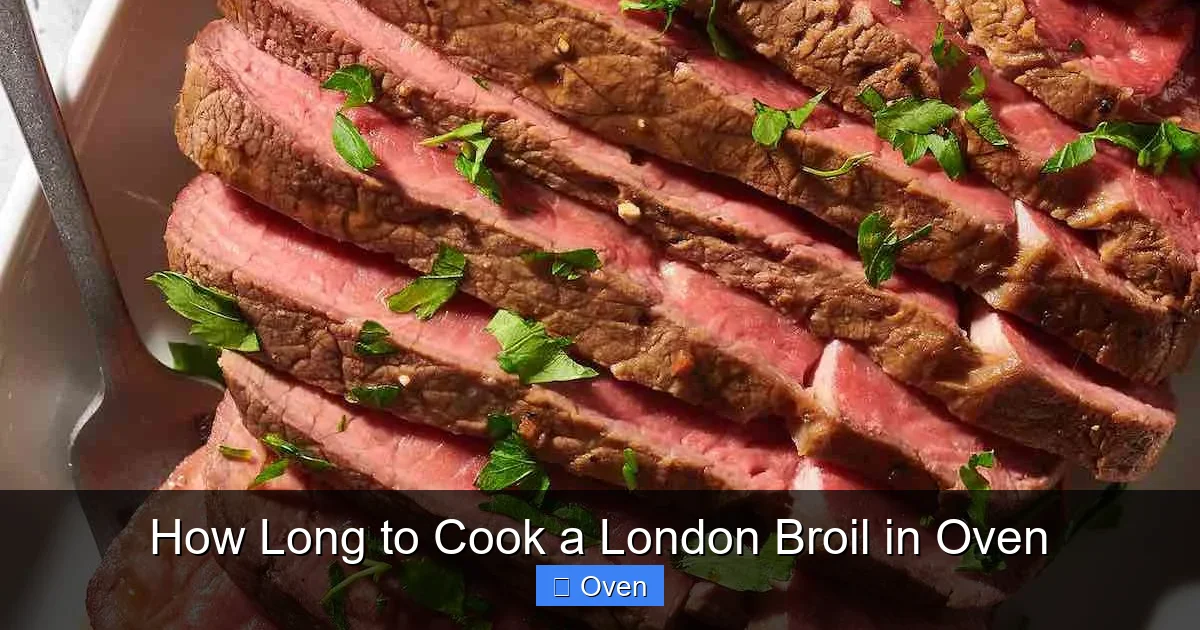
Cooking a London broil in the oven is simple and rewarding. By searing first, then roasting at 425°F for 6‑8 minutes per side, you’ll get a tender, medium‑rare centerpiece every time. Finish with a short rest and slice against the grain for maximum flavor.
Key Takeaways
- Pre‑sear is essential: A hot skillet locks in juices before the oven does the heavy lifting.
- 425°F is the sweet spot: This temperature cooks the meat quickly without drying it out.
- Timing matters: Aim for 6‑8 minutes per side for medium‑rare on a 1½‑inch thick cut.
- Rest before slicing: Let the roast rest 10‑12 minutes to redistribute juices.
- Slice against the grain: This makes each bite tender and easy to chew.
- Use a meat thermometer: 130°F–135°F signals perfect medium‑rare.
- Pair with simple sides: Roasted potatoes, steamed veggies, or a fresh salad complete the meal.
📑 Table of Contents
- Introduction: Why Oven‑Baked London Broil Wins
- 1. Understanding the Cut: What Is a London Broil?
- 2. Preparing Your London Broil for the Oven
- 3. The Perfect Oven Cooking Method
- 4. Resting, Slicing, and Serving
- 5. Common Mistakes and How to Avoid Them
- 6. Bonus: Turning Your Oven‑Cooked London Broil Into Other Meals
- Conclusion: Mastering the Oven London Broil
Introduction: Why Oven‑Baked London Broil Wins
If you’ve ever struggled with a tough flank steak or a dry top‑round, you know the frustration of an overcooked London broil. The good news? Cooking it in the oven, after a quick sear, gives you control, consistency, and a beautifully caramelized crust. No fancy grill required—just your stovetop, a reliable oven, and a few simple steps.
In this guide we’ll walk you through the exact time‑and‑temperature formula, seasoning ideas, and the science behind why a short rest makes all the difference. By the end, you’ll be confident enough to serve a restaurant‑quality London broil to friends and family.
1. Understanding the Cut: What Is a London Broil?
Origin and Anatomy
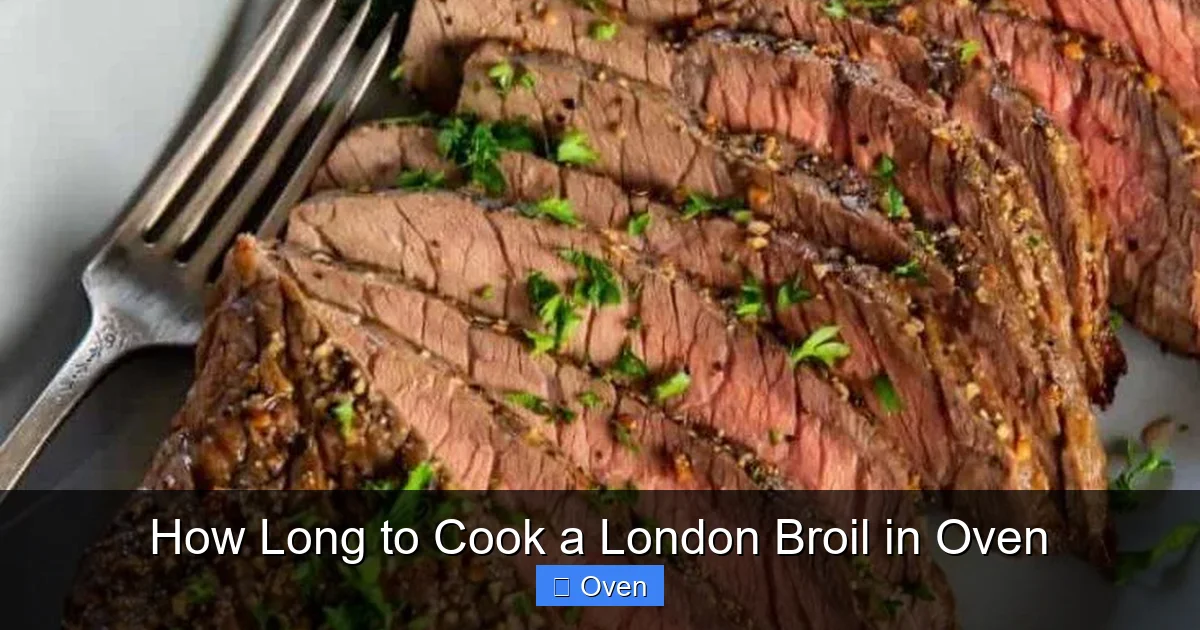
“London broil” isn’t a specific cut; it’s a cooking method applied to lean, flavorful cuts like top‑round, flank, or sirloin tip. These muscles are worked hard, so they’re best when cooked quickly at high heat and sliced thinly against the grain.
Visual guide about How Long to Cook a London Broil in Oven
Image source: fruitfulkitchen.org
Why It Needs Careful Cooking
Because the meat is lean, it can become tough if overcooked. The goal is to reach an internal temperature of 130°F–135°F for medium‑rare, which keeps the fibers tender. This is why timing and temperature are crucial.
2. Preparing Your London Broil for the Oven
Marinating vs. Simple Seasoning
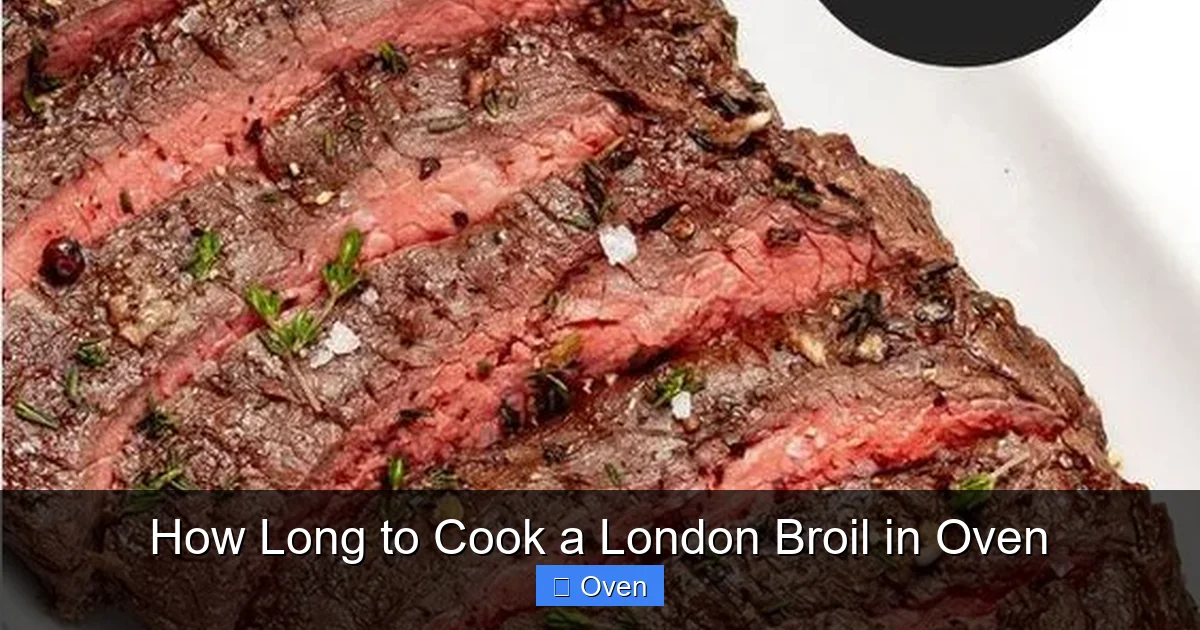
Marinating for 4‑6 hours in a mixture of soy sauce, olive oil, garlic, and a splash of balsamic adds flavor and a bit of acidity that helps break down muscle fibers. If you’re short on time, a dry rub of kosher salt, cracked black pepper, and a pinch of smoked paprika works wonders.
Visual guide about How Long to Cook a London Broil in Oven
Image source: i.pinimg.com
Bringing to Room Temperature
Take the meat out of the fridge 30‑45 minutes before cooking. A room‑temperature steak sears evenly and finishes more predictably in the oven.
Tools You’ll Need
- Heavy‑bottom skillet (cast iron is ideal)
- Instant‑read meat thermometer
- Aluminum foil
- Cutting board with the grain clearly visible
3. The Perfect Oven Cooking Method
Step‑by‑Step Timing Chart
| Thickness | Oven Temp | Cook Time per Side | Target Internal Temp |
|---|---|---|---|
| 1‑inch | 425°F (220°C) | 5‑6 min | 130°F‑135°F |
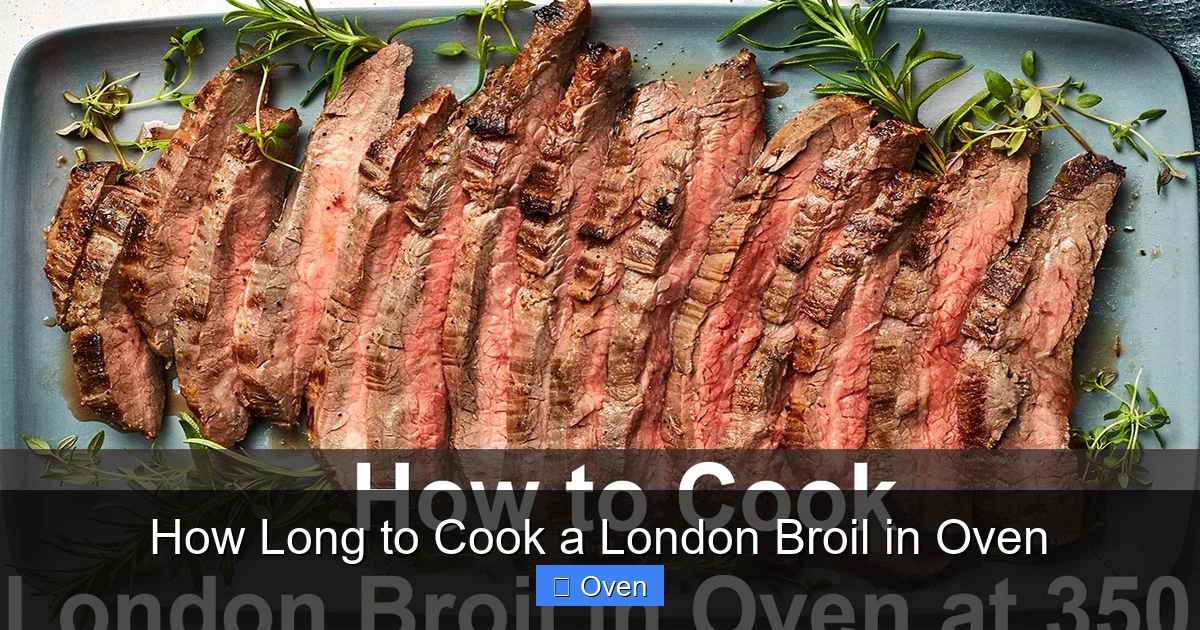
| 1½‑inch | 425°F | 6‑8 min | 130°F‑135°F |
| 2‑inch | 425°F | 8‑10 min | 130°F‑135°F |
These times assume you’ve already seared the meat for 2‑3 minutes per side.
Visual guide about How Long to Cook a London Broil in Oven
Image source: acadiahouseprovisions.com
Pre‑Sear: The First 2‑3 Minutes
Heat the skillet over medium‑high heat, add a tablespoon of high‑smoke‑point oil, and lay the seasoned London broil down. Let it develop a deep, brown crust—don’t move it around. After 2‑3 minutes, flip and repeat on the other side.
Roasting in the Oven
Transfer the skillet (or move the steak to a pre‑heated baking sheet) into the oven. Set a timer based on the chart above. Halfway through, flip the steak to ensure even browning.
Using a Thermometer
Insert the probe into the thickest part of the meat. When it reads 130°F–135°F, the steak is ready for the next step. This precise reading prevents the guesswork that often leads to overcooking.
4. Resting, Slicing, and Serving
The Rest Is Not Optional
Remove the steak from the oven, cover loosely with foil, and let it rest for 10‑12 minutes. Resting allows the juices to redistribute, turning a potentially dry slice into a moist bite.
Slicing Against the Grain
Identify the direction of the muscle fibers—usually a clear line running across the steak. Cut perpendicular to those lines in ¼‑inch slices. This shortens the fibers and creates a buttery texture.
Side Dish Pairings
Serve your London broil with classic accompaniments:
- Roasted garlic‑butter potatoes (check out our guide on how to cook a baked potato in the Ninja air fryer for a quick side).
- Grilled or roasted vegetables such as asparagus, bell peppers, or carrots.
- A simple arugula salad dressed with lemon and olive oil.
5. Common Mistakes and How to Avoid Them
Over‑cooking the Meat
Leaving the steak in the oven for too long is the most frequent error. Trust the thermometer, not the clock.
Skipping the Sear
Without that initial high‑heat sear, you miss out on the Maillard reaction that gives the steak its signature flavor.
Cutting Too Early
Slicing before the rest period causes the juices to spill out, leaving the meat dry. Patience pays off.
Choosing the Wrong Cut
Top‑round and flank are ideal. Avoid heavily marbled cuts like ribeye; they’re better suited for slower, lower‑heat methods.
6. Bonus: Turning Your Oven‑Cooked London Broil Into Other Meals
London Broil Sandwiches
Thinly slice the rested steak, pile onto a crusty roll, add caramelized onions, provolone, and a smear of horseradish mayo. Quick, satisfying, and perfect for lunch.
Stir‑Fry Strips
Cut the cooled steak into bite‑size strips and toss with soy sauce, ginger, and snap peas for a fast stir‑fry. The pre‑cooked meat finishes in just two minutes.
Salad Topper
Layer warm slices over mixed greens, cherry tomatoes, and feta. Drizzle with balsamic vinaigrette for a hearty, protein‑rich salad.
Conclusion: Mastering the Oven London Broil
Cooking a London broil in the oven doesn’t have to be a mystery. By searing first, roasting at 425°F, timing it right, and respecting the rest, you’ll consistently achieve a tender, juicy result that rivals any grill. Pair it with simple sides, experiment with marinades, and you’ll have a versatile protein ready for any occasion. Now that you know the exact time to cook a London broil in the oven, go ahead and impress your dinner guests with a steakhouse‑grade meal from the comfort of your kitchen.
Frequently Asked Questions
What internal temperature should a London broil reach for medium‑rare?
Aim for 130°F–135°F. The meat will continue to rise a few degrees while resting, ending up perfectly pink.
Can I cook a London broil without searing first?
You can, but you’ll miss the flavorful crust that searing creates. A quick 2‑minute sear on each side is highly recommended.
How long should I let the London broil rest?
Cover loosely with foil and let it sit for 10‑12 minutes. This short rest locks in juices and makes slicing easier.
Is it okay to use a convection oven?
Yes. Reduce the temperature by 25°F (about 15°C) and check the internal temperature a couple of minutes earlier than the standard times.
What’s the difference between a London broil and a flank steak?
London broil refers to the cooking method, while flank steak is a specific cut. Both are lean and benefit from high‑heat cooking and slicing against the grain.
Can I freeze leftovers?
Absolutely. Slice the cooled meat, place in an airtight container, and freeze for up to three months. Reheat gently in a skillet or microwave.